
Aurora Shelving & Times-2 Files in Orem
Central Utah Water Conservancy District paired stationary file and archive shelving with rotary filing for its Orem, Utah project.
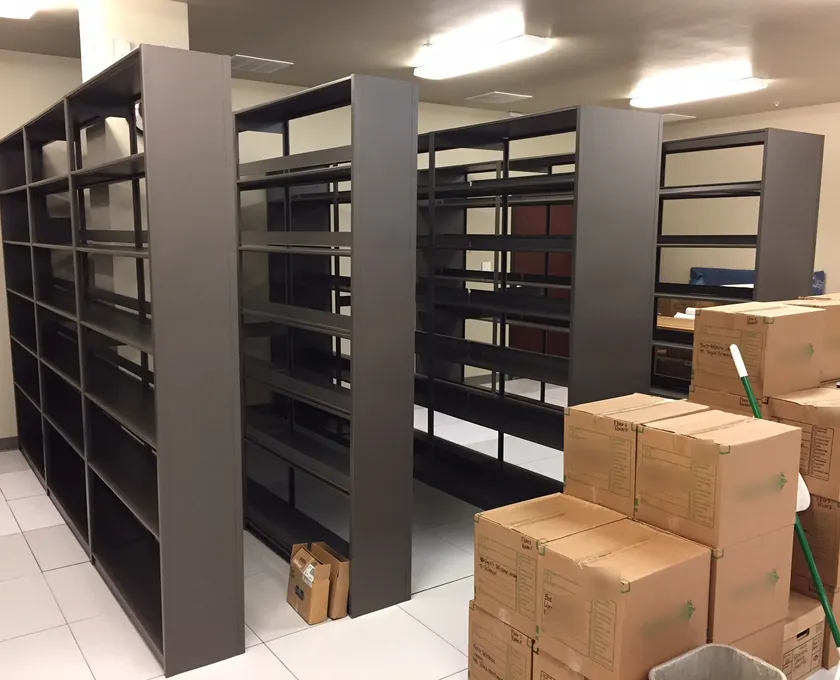
Orem
Utah project
Aurora
Stationary shelving
Times-2
Rotary filing
Records
Files and archive boxes
A records-storage project for Central Utah Water
Material Handling USA supplied Aurora shelving and Times 2 Speed Files for Central Utah Water Conservancy District in Orem, Utah. The project brought together stationary file shelving, archive-box shelving, a Times-2 rotary unit and media shelves. Rather than treating every stored item as the same storage problem, the order combined different ways to hold and access physical records.
Central Utah Water describes a records-management program that preserves information important to the operation of the District and its water projects. That public mission provides useful context for the application. The project documents identify file and archive storage, but do not specify the contents of individual folders or boxes. This case study focuses on the equipment and storage approach, not the District’s internal records.
| Project element | Documented scope |
|---|---|
| Customer and location | Central Utah Water Conservancy District, Orem, Utah |
| Stationary storage | Aurora file shelving and archive-box shelving |
| Rotary filing | One Times-2 unit, plus media shelves in the order |
| Service scope | Freight, inside delivery, installation and packaging removal |
The project is an example of combining open shelving with a compact rotary cabinet in one records-storage order. It is separate from the District’s pallet-rack project. We keep those stories separate because warehouse rack and office records storage solve different problems and require different planning questions.
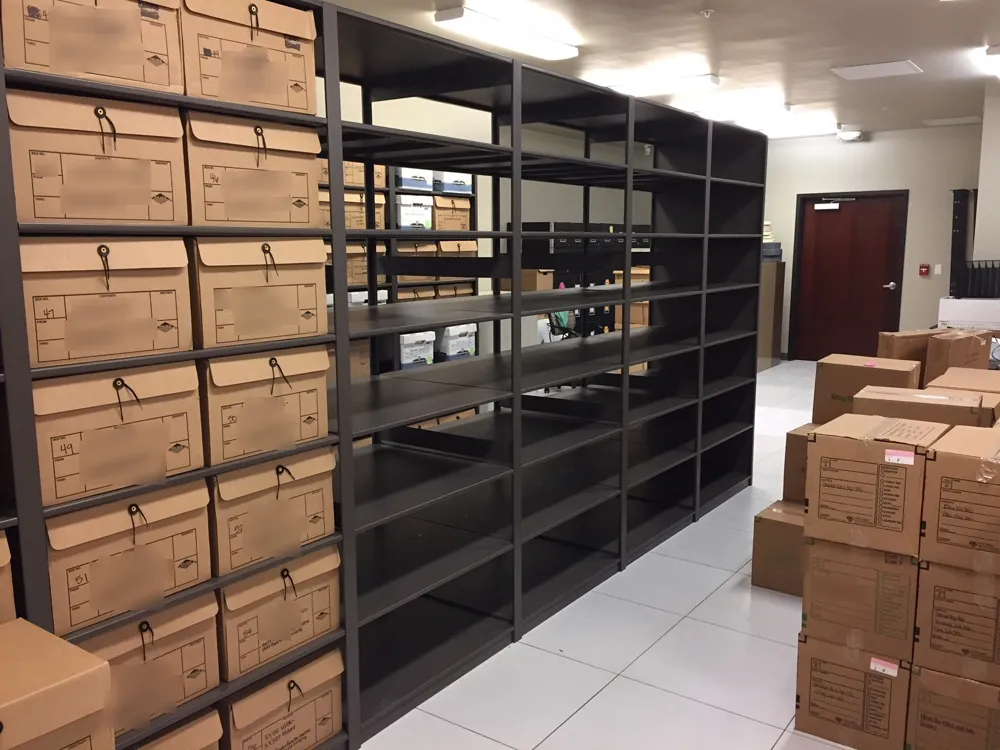
Aurora file shelving and archive-box storage
The stationary portion of the order included both file shelving and shelving for archive boxes. Those are related uses, but they should not automatically receive the same shelf configuration. Individual folders need support that suits their filing format. Boxes need enough usable shelf space for the actual containers, along with room to handle them without disturbing neighboring materials.
For a new project, we begin with representative samples or measurements of what will be stored. Folder orientation, box size and filled weight are more useful inputs than a simple request for a certain number of shelves. The aim is to match the shelving to the collection instead of discovering after delivery that a box overhangs, a divider does not fit or the labels face the wrong direction.
- Separate active files from boxed archives when defining the storage inventory.
- Match shelves and dividers to the actual filing format.
- Allow for handling, identification and realistic future additions.
The CUWCD order illustrates why a shelving proposal should distinguish those categories. It documents both file and archive-box storage rather than one undifferentiated shelving package. The project photographs show stored materials on shelving; they are not a public floor plan or a statement about the District’s current capacity.

Times-2 Speed Files alongside stationary shelving
The same order included one Times-2 rotary filing unit. Aurora’s Times-2 product family rotates to bring stored materials into reach from either side of its internal storage section. This makes it a different storage format from a conventional drawer-based lateral file or a straight run of open shelving.
A rotary cabinet can complement stationary shelves without replacing every shelf in a room. For a new installation, we would compare what belongs in the cabinet with what belongs on open shelving: filing format, access frequency, the available approach space and the accessories needed to support the material. That is planning guidance, not a claim about which records CUWCD placed in its cabinet.
Rotary filing is not mobile shelving
The CUWCD documents identify stationary shelving and a Times-2 unit. They do not describe shelving carriages moving along floor tracks. This is not an Aurora mobile-shelving installation.
Explore our Times 2 Speed Files guide for the current product family and interior options. Where moving an entire shelving bank is the appropriate approach, compare Aurora mobile shelving as a separate system. Choosing between the two requires an inventory and a site review, not just a comparison of product photographs.
What Utah records teams can learn from this project
The useful lesson is the mix of storage formats: file shelving, archive-box shelving and rotary filing were included in one coordinated order. We do not have a verified before-and-after space study or retrieval-time measurement for CUWCD, so we do not attach a percentage-saving or return-on-investment claim to this project.
For records teams in Orem, Provo, Lehi and the wider Wasatch Front, the starting point is a practical storage inventory. A public agency, utility or administrative office may need more than one type of equipment. The following steps describe how we approach a new inquiry, not a reconstruction of CUWCD’s internal decision process.
Inventory the material
List files, boxes and media separately. Note what must remain accessible and what is retained longer term.
Compare storage formats
Consider stationary shelves, rotary cabinets and, where appropriate, a separate mobile-shelving design.
Review the site
Confirm access, handling space, delivery conditions and installation requirements before finalizing the scope.
Confirm the proposal
Review the equipment, accessories and services together so responsibilities are clear before ordering.
The CUWCD scope included freight and inside delivery, installation and removal of packaging. Those services are worth checking explicitly on a new quote; a product-only price is not the same as a delivered and installed storage solution. Current availability, installation conditions and lead times must be confirmed for each new order.
For broader utility-facility planning, our water and wastewater storage solutions page covers related applications. Records shelving remains a distinct part of that discussion, separate from maintenance parts, tools and bulk supplies.
Shop Aurora shelving accessories online
These are current catalog options, not a list of accessories supplied to CUWCD. Confirm compatibility with your shelving before ordering; complete project requirements are best reviewed together in a quote.
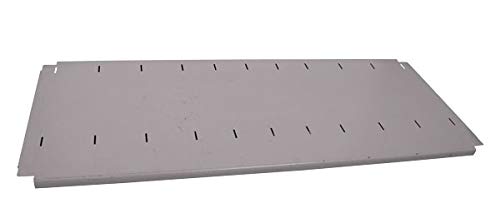 Aurora Quik-Lok Shelving Slotted Filing Shelf, 15" Legal Size$31.82 · View current product details
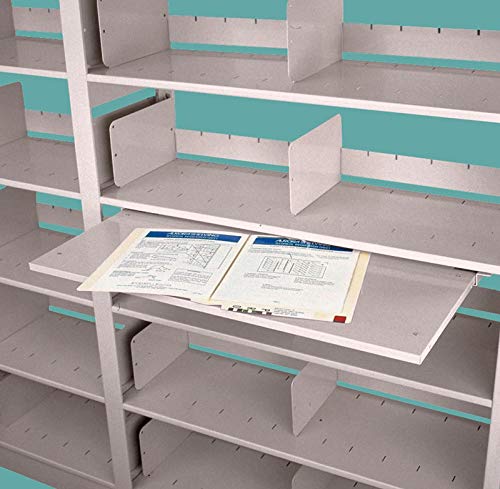 Aurora Quik-Lok Shelving Reference Shelf, Legal Size$116.02 · View current product details
 Aurora Quik-Lok Shelving Slotted Back Stop$10.89 · View current product details
Questions about this Orem shelving project
What equipment was included in the CUWCD Orem project?
Was this an Aurora mobile-shelving project?
Can Times-2 Speed Files be used with stationary shelving?
Are all the images from the CUWCD installation?
Can MH-USA help plan file and archive storage in Orem?
Plan your file and archive storage
Tell us what you store and where the project is located. We can help compare Aurora shelving and Times-2 rotary filing for your application.
Public background: Central Utah Water records-management information. Project scope is based on the customer order and associated project records. No endorsement or performance guarantee is implied.