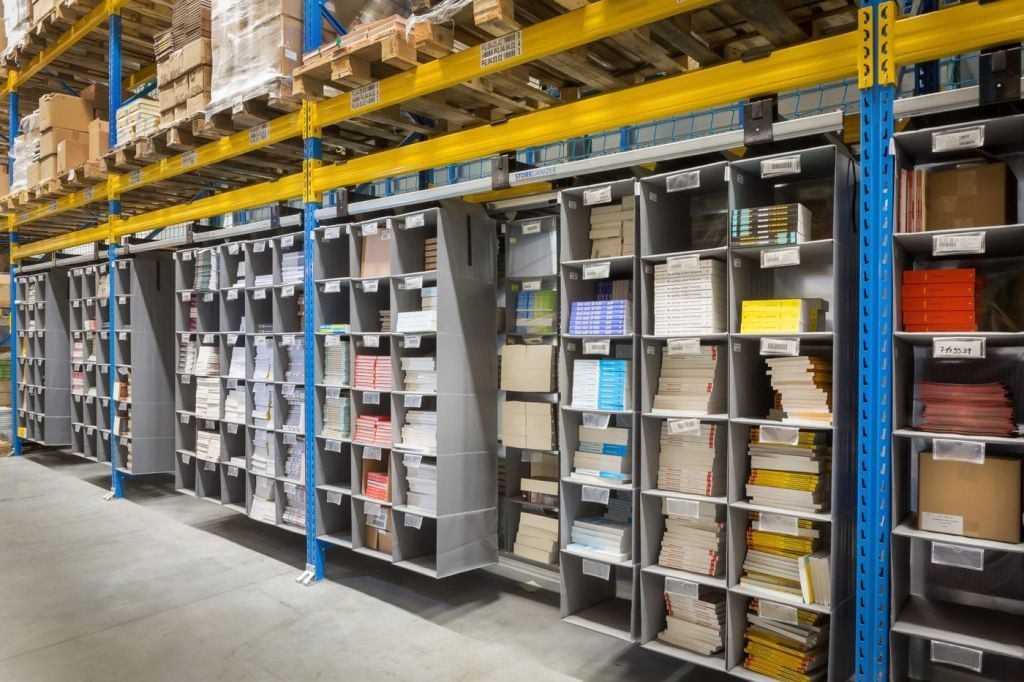
Pocket columns beat conventional shelving for small, light, long-tail SKUs, while mobile shelving, vertical lift modules, and custom rack each win under different access, density, and compliance constraints. The right choice depends on SKU profile, pick frequency, available cube, labor cost, and code requirements, not on the product brand.
A warehouse manager comparing systems often starts with a familiar problem. Small parts occupy oversized shelf locations, operators walk too far for slow movers, or a parts room has run out of floor space without needing a larger building. The best storeganizer alternatives comparison separates those problems before comparing products.
Which Storeganizer Alternative Actually Fits Your Facility
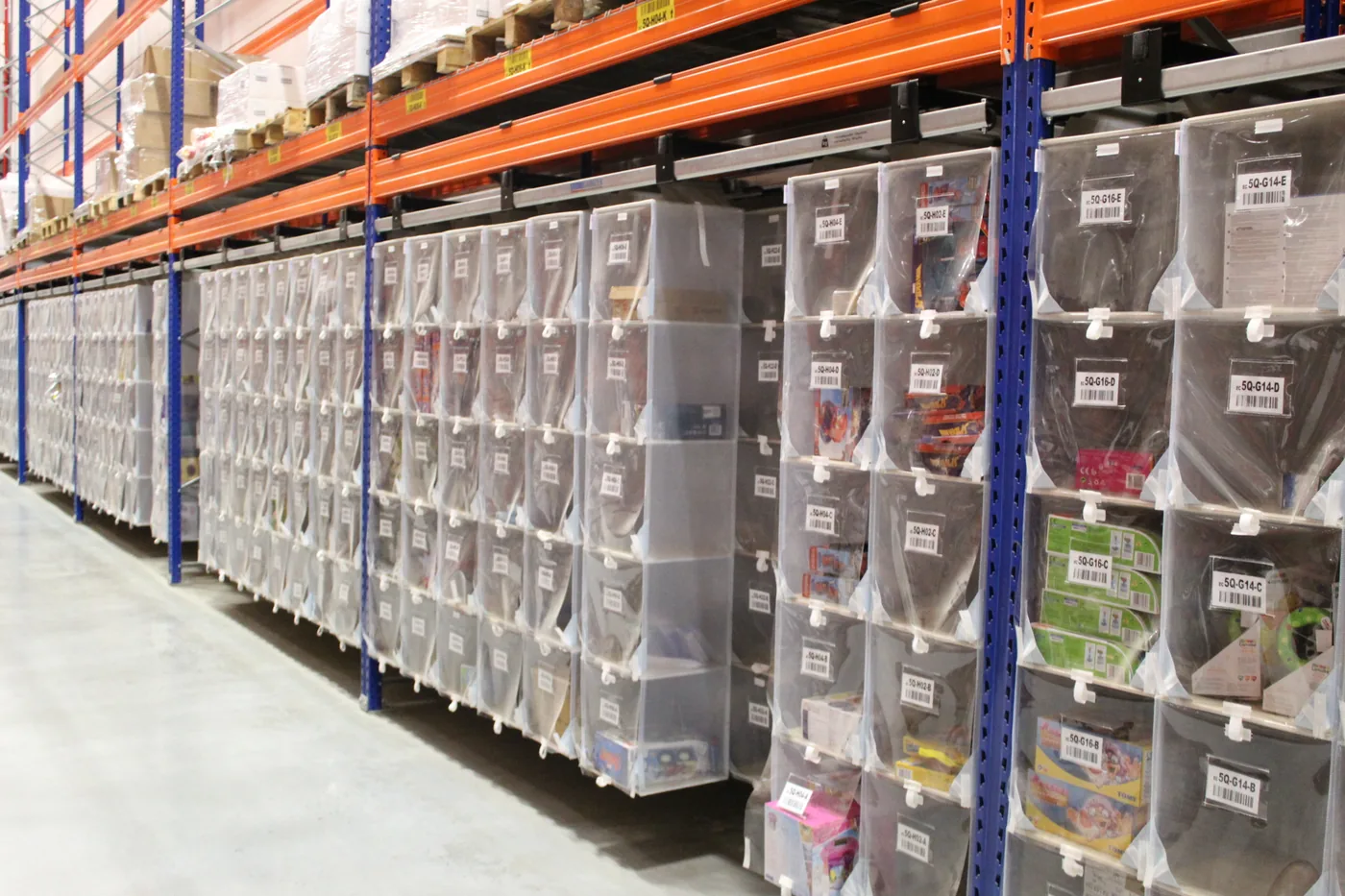
A 4,000-SKU MRO stockroom filled mostly with small hand-pick items is usually a pocket-column or boltless-shelving decision. Pocket columns fit small, light parts into dense vertical pick faces. Model a bay in the STOREGANIZER configurator to compare pocket counts and configurations before you request a quote. Boltless shelving costs less to install and handles mixed sizes more easily, but it needs aisle access and wastes space around small items.
A parts cage with thousands of slow-moving fasteners is a stronger candidate for high-density mobile shelving. Moving carriages reduce the number of aisles required, but the floor, rails, controls, and safety system add design work. A lab supply room holding controlled items often points toward a vertical lift module, because goods-to-person access and controlled operator access can matter more than passive simplicity.
A distribution aisle holding boxed inventory on pallets still belongs on selective rack, push-back rack, or another pallet storage system. Storeganizer-style pockets aren't intended for heavy, full-case, or palletized inventory.
Four decision drivers should control the comparison:
- SKU profile and pick frequency: Measure item size, weight, quantity, and how often each SKU moves.
- Footprint and ceiling height: Dense vertical systems need usable height, while mobile systems need a suitable slab and clear travel paths.
- Safety and structural compliance: OSHA materials-handling rules require secure storage and clear walking-working surfaces. Rack structures may also require engineering under RMI/ANSI MH16.1.
- Total cost of ownership: Compare purchase, installation, power, service, maintenance, reconfiguration, and labor over the planned life of the system.
The global warehousing and storage market illustrates why buyers treat density as an investment rather than a simple fixture purchase. One estimate valued the market at USD 542.2 billion in 2026 and projected USD 728.7 billion by 2034, while another estimated USD 1.01 trillion in 2023 and forecast USD 1.73 trillion by 2030. These projections are reported by IMARC's warehousing and storage market analysis. The figures don't determine which system you need, but they show why labor, footprint, and throughput deserve a place in the capital review.
For broader background on rack layout, load planning, and industrial storage choices, Packaging Panda's racking insights provides useful context. The practical rule is simple: compare the storage task first, then select the equipment.
Comparing Pocket Columns, Shelving, Mobile Systems, and VLMs
The four main alternatives solve different constraints. Pocket columns provide dense, visible storage for small parts. Boltless shelving gives the lowest-complexity flat storage surface. Mobile shelving compresses aisles. A vertical lift module brings trays to a fixed operator station and removes pick-walk distance.
Independent comparative guidance describes pocket columns as suitable for long-tail, small, light SKUs, with 28 to 396 pick locations in one bay, depending on pocket size. The same comparison describes column loads of roughly 70 to 165 pounds, depending on textile grade. Review the Storeganizer alternatives comparison for the system-level trade-offs.
| System | Density | Pick access | Max load per compartment | Typical cost driver | Best fit |
|---|---|---|---|---|---|
| Pocket columns | High for small items | Walk-up access, with manual movement of front columns | About 70 to 165 pounds per column, depending on textile grade | Pocket count, textile grade, bay configuration, and rack compatibility | Small, light, moderate-frequency SKUs |
| Boltless shelving | Low to moderate for small items | Direct access from an aisle | Heavy-duty construction, with capacity set by the selected shelf system | Bay count, shelf capacity, decking, and installation | Mixed-size parts and lower-cost stockrooms |
| Mobile shelving | Higher density than fixed shelving because aisles are consolidated | One active aisle at a time | Set by carriage, shelf, and floor design | Rails, carriages, motors or mechanical assist, controls, and slab work | High-density parts, records, and secure storage |
| Vertical lift module | Very high in a compact footprint | Goods-to-person tray delivery | Set by tray and machine configuration | Machine height, tray count, controls, WMS integration, power, and service | High-SKU operations where travel and access control matter |
Pocket columns don't replace heavy shelving. Each pocket is sized for a narrow load class, and textile selection affects durability. They work well for fittings, fasteners, repair kits, and other small items. They work poorly for sharp, heavy, long, or rigid products unless the design specifically accommodates them.
Boltless shelving is easier to reconfigure when inventory changes. Its weakness is geometry. Every shelf level must accommodate the largest item assigned to it, and operators still need aisle access. That makes it practical for mixed inventory but less efficient for thousands of small locations.
Mobile shelving can make economic sense when floor space is expensive and the inventory is accessed often enough to justify moving a carriage. It doesn't automatically improve picking. Operators may wait for the correct aisle to open, and the system needs level floors, rail maintenance, access controls, and safety sensors.
VLMs are materially faster than passive add-ons when travel time is the bottleneck. One independent source reports typical tray retrieval cycles of 10 to 30 seconds and throughput of 150 to 200 picks per hour, with the operator remaining at one station. It also identifies power, access control, service contracts, and higher capital cost as important trade-offs. Compare machine-based systems with vertical carousel and VLM guidance before treating automation as a default upgrade.
Practical rule: If the operator spends most of the shift walking, evaluate goods-to-person equipment. If the operator spends most of the shift finding small parts, improve slotting and visual location control first.
How to Size and Specify a Storeganizer Alternative Correctly
A quote is only as reliable as the information behind it. Vendors can't fairly compare a pocket-column bay with mobile shelving if one proposal uses gross dimensions and the other uses clear usable space.
-
Pull the SKU velocity report. Classify A, B, and C movers by pick frequency. A slow-moving item may benefit from dense storage, while a fast mover may need direct access or goods-to-person delivery.
-
Measure the actual inventory. Record width, depth, height, and weight in the container used for storage. Measure the three largest outliers separately. Don't size from a catalog sample.
-
Survey the building. Confirm clear ceiling height, bay width, beam dimensions, floor flatness, slab capacity, column spacing, sprinkler locations, and any seismic design requirements.
-
Identify the governing standards. OSHA guidance requires materials to be stored securely to prevent sliding, falling, or collapse, with clear aisles and walking-working surfaces. Use the OSHA materials-handling requirements as the starting point. Rack and shelving designs may also require RMI/ANSI MH16.1 review.
-
Document special conditions. Chain of custody, ESD control, corrosion resistance, washdown, temperature, cleanability, and sealed decks can rule out open or textile storage.
-
Validate access and fire clearances. Review aisle widths with the local fire marshal and confirm sprinkler clearance for the proposed storage height. Don't assume a replacement system preserves the existing approval.
-
Request comparable quotes. Attach the same measurements, load assumptions, layout, finish, installation scope, and code requirements to every request.
Use the Automated Vertical Storage Configurator to model a machine-based option before requesting a formal proposal.

A commercial modular storage example lists a self-supporting galvanized steel structure with heights of 107.5 inches, widths from 115.4 to 140.9 inches, tray depths from 25.6 to 29.6 inches, and net tray payloads from 276 to 551 pounds. Those values show why the quote must identify clear dimensions and payload, not just the product family.
Use Cases That Decide Between Mobile, Fixed, and Vertical Storage
Consider a stockroom with 600 to 1,200 SKUs of maintenance items. If an attendant picks face by face and the parts are light enough to handle comfortably, fixed modular shelving often wins on first cost, simplicity, and reach. Pocket columns can improve location density when the parts are small and the current shelves hold too much unused air.
A high-SKU medical device or pharmaceutical distribution room presents a different problem. If order lines arrive steadily and walking consumes labor, mobile shelving may reduce the floor area devoted to aisles. A VLM becomes more attractive when controlled access, tray presentation, inventory software, and consistent operator positioning justify the added capital and service requirements.
Law enforcement evidence and records storage place security above raw density. Fixed pocket columns or fixed shelving can provide clearer audit trails and fewer moving interfaces than carriages. The design still needs secure access, labeling, load documentation, and a chain-of-custody process. A dense system that makes evidence retrieval harder isn't a successful installation.
A university lab cold room or cleanroom may reject textile pockets and standard painted steel. Corrosion resistance, cleanability, sealed surfaces, and compatibility with the room's operating procedures can push the project toward stainless fixed shelving. In that setting, a lower-density system may be the correct choice because maintenance and contamination control carry more weight than cubic utilization.
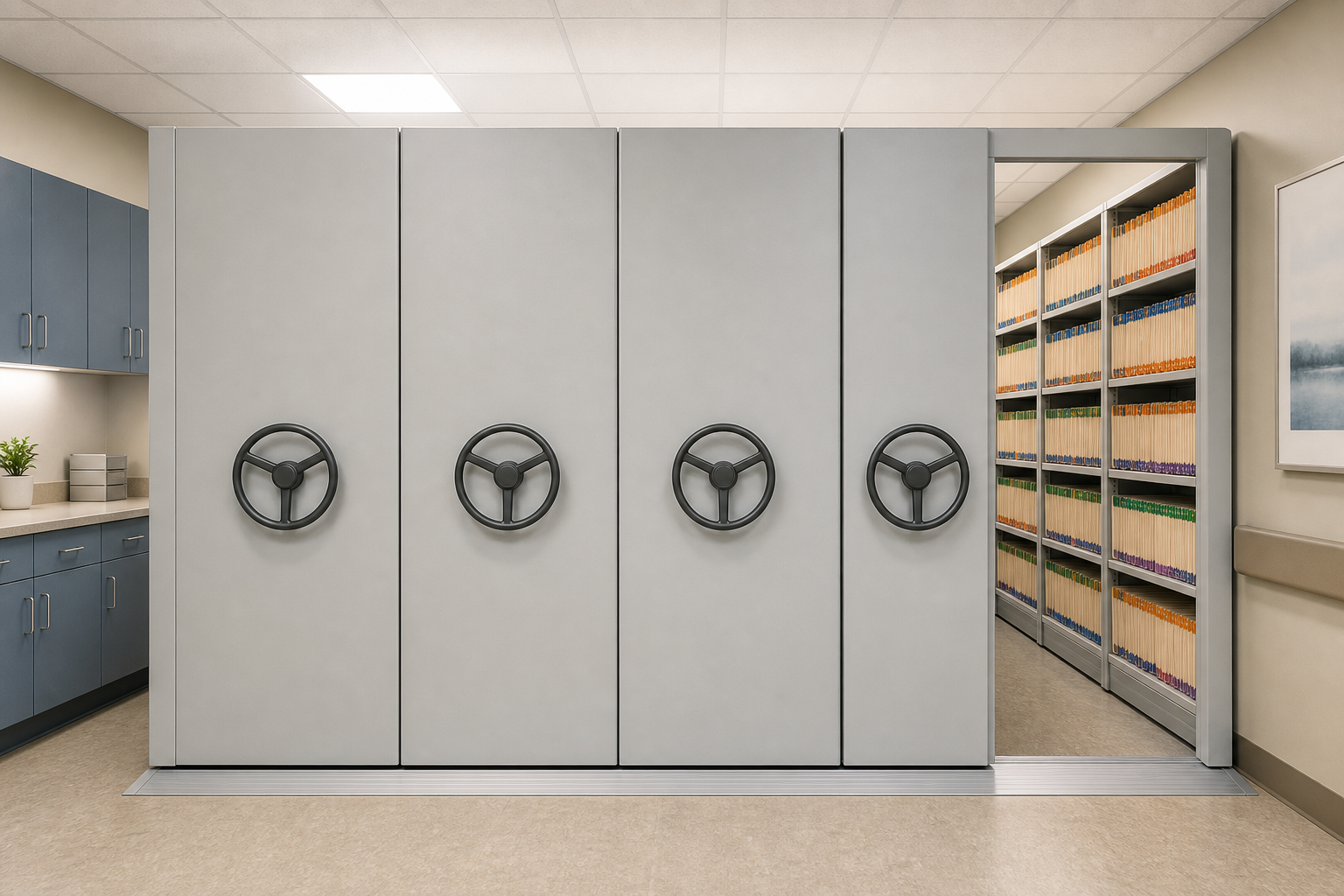
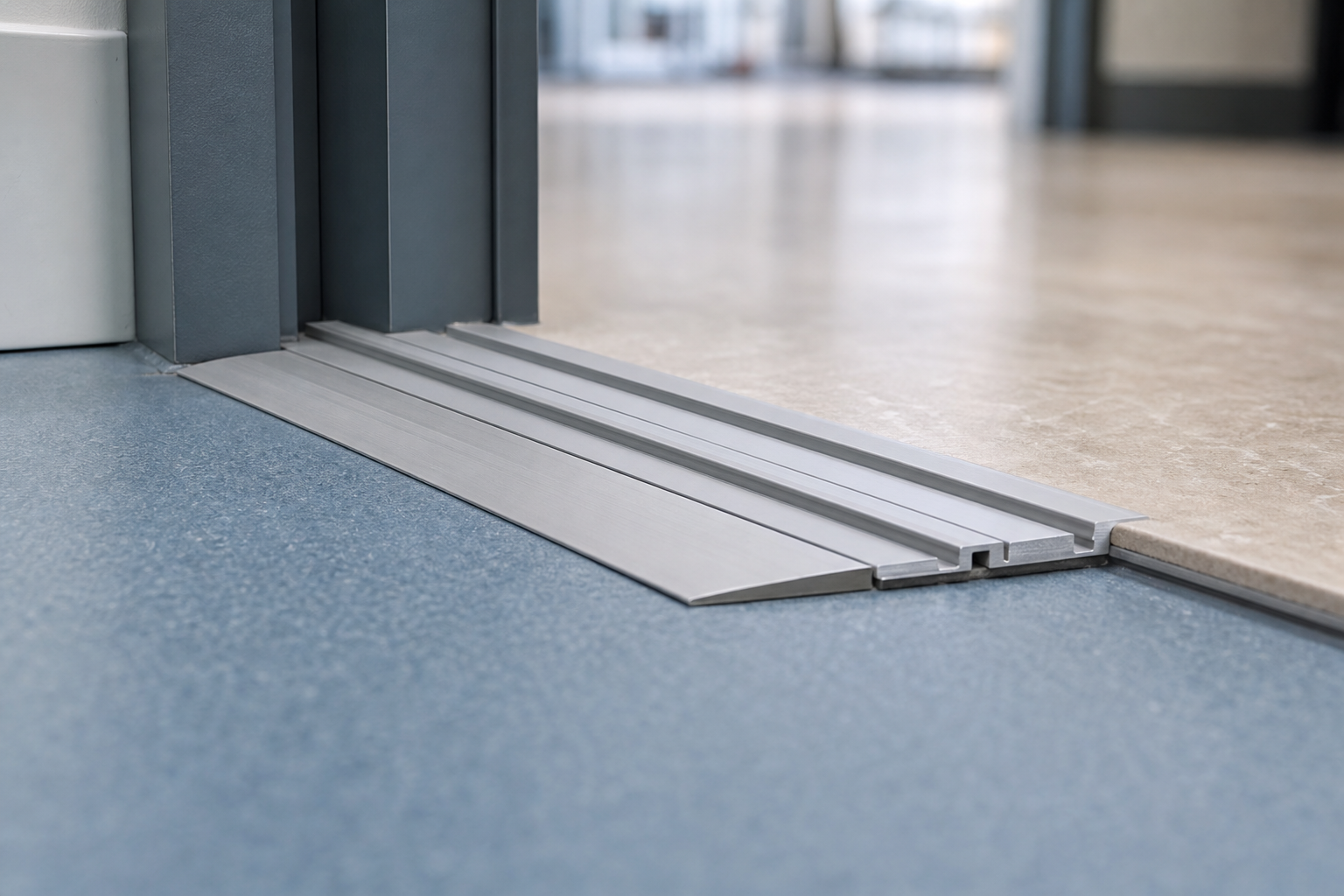
Mobile storage also has physical limits. One systems document lists a maximum carriage length of 15 feet for mechanical assist and 9 feet for manual operation, with a carriage load capacity of 700 pounds per linear foot. These aren't universal values for every mobile system, but they demonstrate why carriage mode, length, and floor loading belong in the first design review.
For retail and backroom applications, mobile shelving for retail stores can be useful where inventory needs frequent reconfiguration and floor space is limited. The same questions still apply: how often does the aisle move, who controls access, and what happens when the system needs service?
Cost Drivers and Lead Times You Should Expect in 2026
A responsible quote avoids a single “price per bay” comparison. Pocket-column kits, boltless shelving, mobile carriages, and VLMs scale differently, so the baseline changes with bay count, height, load, and integration.
Finish can change both material cost and suitability. Powder-coated steel may fit a general warehouse. Galvanized construction may better suit humidity. Type 304 stainless steel may be needed for corrosion, washdown, or laboratory conditions. Seismic design, anchors, floor flatness, rail embedment, aisle construction, end-of-aisle protection, and electrical work can add more cost than the storage component itself.
| System type | Primary cost drivers | Lead-time sensitivity in 2026 |
|---|---|---|
| Pocket columns | Pocket size, textile grade, number of bays, rack compatibility, labels, covers, and installation | Usually most sensitive to configuration approval and imported component availability |
| Boltless shelving | Frame height, shelf capacity, decking, accessories, finish, freight, and installation | Sensitive to selected configuration and stock position |
| Mobile shelving | Rail length, carriage count, manual or mechanical assist, controls, sensors, floor preparation, and seismic requirements | More sensitive to engineering, fabrication, controls, and installer scheduling |
| Vertical lift module | Machine height, tray quantity, payload, software interface, power, safety systems, freight, and service | Often more sensitive to engineering submittals, integration, fabrication, and commissioning |
For 2026 projects, steel availability, domestic fabrication capacity, imported components, and installer backlog can all affect the schedule. VLMs and complex mobile systems generally require longer engineering and submittal cycles than passive shelving. Treat a quoted lead time as a project schedule input, not a promise that begins before drawings and site data are approved.
Separate negotiable scope from code-driven scope. Color, labels, delivery sequencing, and some accessories may be adjusted. Clearances, anchors, structural loads, guarding, and safety controls usually cannot be removed to meet a budget target.
Common Mistakes Buyers Make When Comparing Storeganizer Alternatives
The most expensive errors often appear before installation. A product list may look comparable while the layouts differ in bay count, usable height, aisle width, and access method.
Mistake one is comparing product SKUs instead of layouts. Normalize clear storage volume, number of pick locations, aisle count, and operator travel. A cheaper unit price can lose its advantage when it needs more floor area.
Mistake two is ignoring OSHA 1910.176 access rules. A drawing that fits on paper may create blocked walking surfaces or unsafe reach paths. Validate aisle and working clearances before procurement, not during the punch list.
Mistake three is treating mobile shelving as fixed shelving on rails. Check slab capacity, floor flatness, rail embedment, carriage length, manual effort, sensors, and emergency access. A mobile system is a mechanical installation, not just a different shelf frame.
Mistake four is skipping seismic review. If a rack or storage structure falls within the project's engineered design requirements, document loads, anchors, and site conditions under the applicable RMI/ANSI MH16.1 pathway. A missing calculation can delay inspection and approval.
Mistake five is choosing finish before exposure. Powder coat may be adequate in a dry stockroom but unsuitable for corrosive, wet, cleanroom, or washdown conditions. Specify the environment first.

Safe maintenance matters after turnover as well. UK storage safety guidance identifies regular risk assessment, maintenance, and specialist equipment for safe maintenance of shelving and racking systems in its published storage standard. US buyers should apply the same discipline through their own safety program and local requirements.
Decision Framework and Next Steps for a Storeganizer Alternatives Comparison
Use the operational profile to narrow the field:
- A 2,000-SKU stockroom with light, varied items usually favors pocket columns or four-post shelving.
- A 10,000-SKU operation with frequent picks and rising labor pressure deserves a mobile shelving study.
- A high-SKU, space-constrained distribution or evidence room may justify a VLM when access control, throughput, and software integration outweigh passive simplicity.
- Long or heavy specialty MRO items belong on cantilever rack or industrial shelving, not in small textile pockets.
Layer site constraints over that first choice. Confirm ceiling height, floor flatness, sprinkler clearance, seismic requirements, aisle access, and point loads. A storage system that fits the inventory but fails the slab or fire review isn't a viable option.
What to collect before requesting a quote
- Pull a recent pick-frequency report and identify the slow, medium, and fast movers.
- Measure the smallest storage zone, including usable height and aisle clearances.
- Record the heaviest, largest, sharpest, and most sensitive items.
- Request sealed layouts, load schedules, point loads, anchoring details, and code notes.
- Verify the installer's experience with comparable US installations and site conditions.
Starting the design earlier can protect the installation window. Suppliers and installation crews may have limited capacity, and complex systems need more review before fabrication. Early layouts also expose building conflicts while changes are still affordable.
Storeganizer Alternatives Comparison FAQs for US Buyers
Are Storeganizer pocket columns still available?
Availability depends on configuration, textile grade, and sourcing. Collect bay dimensions, pocket sizes, load requirements, and the required delivery date before requesting a quote.
How does mobile shelving comply with OSHA 1910.176?
Mobile shelving must keep materials secure and preserve safe walking-working surfaces and access. Submit the carriage layout, aisle controls, emergency release, and floor data for review.
When does RMI/ANSI MH16.1 apply?
Apply the relevant rack and shelving design requirements when an alternative becomes a rack-height structural storage system. Collect bay loads, elevations, anchors, and seismic site information.
How do VLMs affect sprinkler planning?
A VLM changes the storage geometry and may affect sprinkler coordination. Provide machine height, tray arrangement, stored material class, and clearances to the fire protection designer.
Do imported and domestic systems have the same lead time?
No. Lead time varies by configuration, fabrication location, component availability, engineering, freight, and installation capacity. Ask for a written schedule tied to approved drawings.
Does mezzanine-supported storage count as a floor?
Don't assume it does or doesn't. The answer depends on the structure, occupancy, egress, fire protection, and local code interpretation. Collect sealed structural and architectural drawings.
When does mobile shelving beat fixed modular shelving?
It can make sense when recovered floor area and labor savings outweigh rails, controls, maintenance, and installation. Compare total cost of ownership using actual access frequency.
Material Handling USA designs layouts, compares multiple storage approaches, and coordinates quoting and installation for warehouse, lab, secure storage, and distribution projects. Use the free design tools to configure a starting layout, then visit Material Handling USA to request a free quote or design review, call (800) 326-4403, or email Sales@MH-USA.com.
Design it yourself, then get a quote
Use our free online design tools to configure exactly what this article describes, then send the configuration to our team for pricing: