
Write For Us: Share Your Material Handling & Warehouse Expertise
Position your brand in front of warehouse managers and supply chain professionals. We are looking for technical, high-impact content regarding automation, industrial storage, and facility safety solutions.

Product Overview and Key Features of Material Handling Solutions

Material Handling USA is a premier provider of industrial storage and material handling solutions, catering to a diverse B2B audience that includes warehouse managers, logistics coordinators, and facility engineers. Our platform serves as a critical resource for professionals seeking to optimize their operations through advanced equipment and strategic infrastructure. By contributing to our ‘Write For Us’ program, you are engaging with a community that values technical precision and practical innovation. We specialize in a broad spectrum of products, from heavy-duty pallet racking and industrial shelving to sophisticated modular offices and laboratory workstations. Our inventory features industry-leading brands such as Jaken for versatile shelving and Metro for specialized wire storage solutions.
The core of our product offering revolves around enhancing the structural and operational efficiency of industrial spaces. Key features of the equipment we represent include high-load capacities, modularity, and compliance with rigorous safety standards like OSHA and ANSI. For instance, our safety partitioning systems from BeastWire and SpaceGuard are engineered to provide maximum security without compromising visibility or airflow. Similarly, our storage solutions from Borroughs and Aurora are designed with high-density configurations in mind, allowing businesses to maximize their vertical space. When writing for us, it is essential to highlight these technical specifications, as our readers are looking for concrete data to inform their procurement decisions.
Beyond physical hardware, Material Handling USA is deeply invested in the integration of technology within the warehouse environment. This includes the implementation of Warehouse Management Systems (WMS), automated guided vehicles (AGVs), and Internet of Things (IoT) sensors that monitor equipment health and inventory flow. We look for content that bridges the gap between traditional material handling and modern Industry 4.0 advancements. Articles should delve into how specific product features, such as the precision of a conveyor’s sortation logic or the ergonomic design of a Dasco storage cabinet, contribute to a more streamlined and data-driven supply chain.
Ultimately, our goal is to provide a comprehensive toolkit for the modern industrial professional. Whether it is a deep dive into the structural integrity of cantilever racks or an analysis of the latest trends in forklift fleet management, the content must be authoritative and solution-oriented. We encourage contributors to mention specific manufacturer brands and their unique value propositions. By focusing on the intersection of high-quality equipment and strategic application, your writing will help our audience navigate the complexities of modern material handling and facility management, ensuring they stay ahead in a competitive global market.
Types and Configurations of Industrial Equipment
The landscape of material handling and industrial storage is incredibly diverse, offering a wide array of types and configurations to meet specific operational needs. At Material Handling USA, we provide everything from standard selective pallet racking to complex, multi-level mezzanine systems. Understanding the nuances between these configurations is vital for our audience. For example, storage solutions can range from boltless shelving for light-duty applications to heavy-duty structural steel racks designed to hold several tons per level. Brands like Jaken and Borroughs offer various configurations of industrial shelving, including open and closed units, which can be customized with dividers, bins, and drawers to accommodate small parts or bulk items.
In the realm of modular construction, the configurations are equally varied. Our manufacturer partner provides modular in-plant offices that can be configured as single-story in-plant units or elevated two-story structures to save floor space. These units can be customized with different wall thicknesses, insulation ratings, and glazing options depending on whether they are being used as a quiet administrative office or a rugged supervisor station on a loud factory floor. Similarly, laboratory environments require specific configurations of workstations and storage. Metro and Dasco provide specialized carts and cabinets that can be configured with ESD-safe materials, stainless steel finishes for cleanrooms, or heavy-duty casters for mobile laboratory applications.
Safety and security systems also come in numerous configurations to suit different facility layouts. SpaceGuard and BeastWire offer modular wire mesh partitioning that can be configured as secure storage cages, machine guarding, or pallet rack backing. These systems are available in various mesh sizes and wire gauges, with options for hinged, sliding, or tunnel doors. Furthermore, conveyor systems represent a significant category of equipment with configurations ranging from simple gravity rollers to complex powered belt conveyors and flexible expandable units. Each type serves a specific purpose, such as high-speed sortation, accumulation, or simple point-to-point transport, and choosing the right configuration is essential for maintaining throughput.
Finally, we must consider the specialized configurations of ergonomic equipment and dock solutions. This includes height-adjustable workbenches from brands like Ergosource, which allow operators to switch between sitting and standing positions, and various types of lift tables and tilters that reduce the risk of musculoskeletal injuries. In the shipping and receiving area, configurations of dock levelers, seals, and bumpers must be matched to the specific types of trucks and trailers serviced at the facility. By detailing these various types and configurations, contributors can provide our readers with the technical depth necessary to design and equip a high-functioning industrial environment that meets their unique logistical challenges.

Applications and Industries Served by Our Solutions
The products and solutions offered by Material Handling USA find applications across a vast spectrum of industries, each with its own set of unique challenges and regulatory requirements. In the third-party logistics (3PL) and e-commerce sectors, the primary focus is on speed, accuracy, and space utilization. Here, high-density storage systems like push-back racks or pallet flow systems are frequently applied to manage high volumes of inventory with rapid turnover. Conveyor systems and automated sortation technology are also critical in these environments to handle the constant flow of small parcels and outbound shipments. Our content aims to show how specific equipment, like Metro’s picking carts or Jaken’s packing stations, can be integrated to optimize these high-pressure workflows.
In the manufacturing and heavy industrial sectors, the application of material handling equipment shifts toward durability and safety. Modular offices are often used as break rooms or control centers located directly on the production floor, providing a controlled environment amidst heavy machinery. BeastWire and SpaceGuard safety fencing are applied to create restricted zones around robotic cells and high-speed assembly lines, ensuring worker safety while maintaining visibility. Furthermore, heavy-duty shelving and racking from Borroughs are used to store raw materials, tooling, and work-in-progress (WIP) inventory, requiring systems that can withstand the rigors of a 24/7 manufacturing cycle and the weight of metal components.
The healthcare and pharmaceutical industries represent another significant area of application, where cleanliness and precision are paramount. Stainless steel storage solutions and specialized laboratory workstations from brands like Metro and Dasco are applied in cleanrooms and research facilities. These products must meet strict sanitary standards and often require configurations that prevent the accumulation of dust and contaminants. In these settings, mobile storage units and high-density filing systems from Aurora are also used to manage sensitive medical records and pharmaceutical supplies, ensuring that critical items are organized and easily accessible to healthcare professionals.
Additionally, our solutions are applied in the automotive, aerospace, and food and beverage industries. In automotive assembly, specialized racks and containers are used to transport delicate parts through the supply chain without damage. In the food and beverage sector, wash-down rated conveyors and galvanized racking systems are applied to handle perishable goods in cold storage or high-moisture environments. By exploring these diverse applications, contributors can help our B2B audience understand how material handling equipment is not just a commodity, but a strategic asset that can be tailored to the specific demands of their industry, ultimately driving better business outcomes and operational excellence.
Benefits and Advantages of Quality Material Handling Equipment
Investing in high-quality material handling and warehouse equipment offers a multitude of benefits that directly impact a company’s bottom line and operational longevity. One of the primary advantages is the significant increase in storage density and floor space utilization. By implementing vertical storage solutions like mezzanines or high-bay racking from brands like Borroughs and Jaken, businesses can effectively double or triple their usable square footage without the need for costly building expansions. This optimization allows for more inventory to be held on-site, reducing lead times and improving the ability to respond to market fluctuations.
Another critical benefit is the enhancement of workplace safety and ergonomics. Industrial environments are inherently hazardous, but the strategic use of safety equipment can drastically reduce the risk of accidents. For instance, installing SpaceGuard or BeastWire machine guarding protects employees from moving parts, while ergonomic workstations and lift tables help prevent repetitive strain injuries. A safer workplace not only protects the well-being of the workforce but also reduces costs associated with workers’ compensation claims, insurance premiums, and lost productivity due to injury-related downtime. Highlighting these safety benefits is essential for our audience of warehouse managers and safety officers.
Operational efficiency and throughput are also greatly improved through the use of advanced material handling technology. Automated systems, such as conveyors and ASRS (Automated Storage and Retrieval Systems), minimize manual handling, which reduces the likelihood of human error and speeds up the fulfillment process. Even simple upgrades, like switching to more efficient picking carts from Metro or implementing a better-organized shelving system from Aurora, can lead to faster cycle times and higher order accuracy. These improvements in efficiency translate directly into better customer service and a stronger competitive position in the marketplace.
Finally, the durability and modularity of the brands we represent, such as Dasco, provide long-term value and flexibility. High-quality industrial equipment is built to withstand the daily wear and tear of a busy warehouse, meaning fewer replacements and lower maintenance costs over time. Furthermore, modular systems allow businesses to adapt their infrastructure as their needs change. A modular office can be moved or expanded, and a shelving system can be reconfigured to accommodate different product sizes. This adaptability ensures that the initial investment continues to pay dividends as the business grows and evolves. By focusing on these comprehensive benefits, your articles will provide a compelling case for why quality material handling solutions are a vital investment for any modern industrial facility.
Technical Specifications and Customization Options
When contributing to Material Handling USA, we encourage authors to delve deep into the technical specifications and customization options that define modern industrial equipment. Our audience consists of engineers and facility managers who require granular detail on load capacities, material grades, and dimensional tolerances. For instance, when discussing pallet racking systems from brands like Jaken or Borroughs, it is essential to highlight the differences between roll-formed and structural steel, as well as the importance of beam levels and upright frame depths in maximizing vertical cube space. Providing specific data points helps our readers make informed procurement decisions that align with their unique operational requirements.
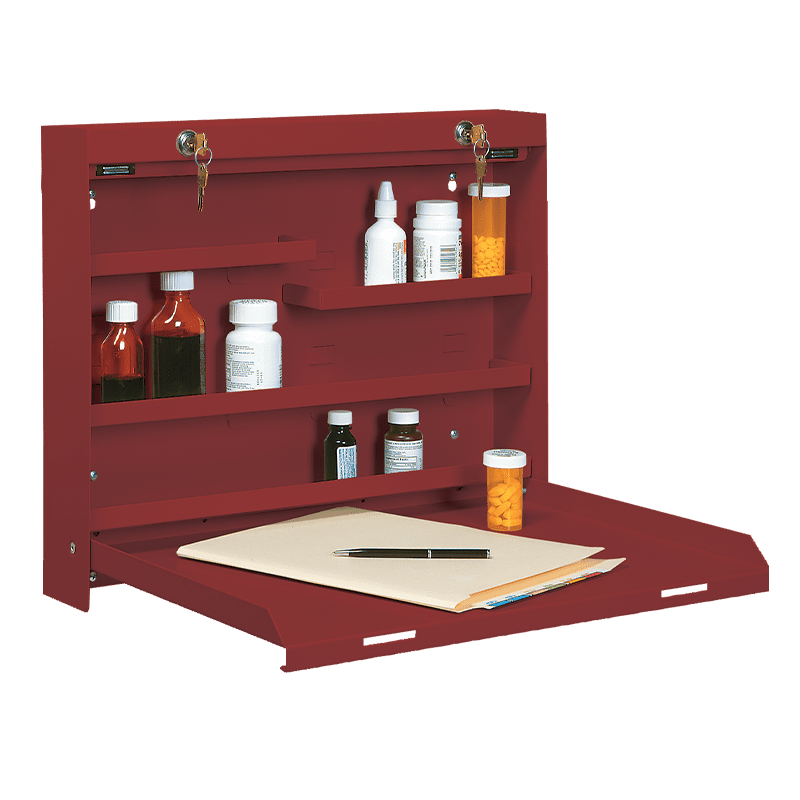
Customization is a cornerstone of the material handling industry, and your articles should reflect the versatility of the products we offer. Whether you are writing about modular in-plant offices or wire partitions from BeastWire, emphasize how these systems can be tailored to fit specific floor plans or environmental constraints. Discuss the integration of specialized features such as climate control systems in cleanrooms, custom powder-coated finishes for corrosive environments, or high-security locking mechanisms for sensitive inventory storage. By detailing these options, you demonstrate a sophisticated understanding of how standard equipment can be transformed into bespoke solutions for complex logistical challenges.
Furthermore, technical specifications should extend totherealm of automation and robotics. If your topic covers Automated Guided Vehicles (AGVs) or Autonomous Mobile Robots (AMRs), focus on the navigational sensors, battery life cycles, and payload limits that differentiate various models. Our readers are interested in how these specifications translate to real-world performance, such as throughput rates and ROI timelines. Mentioning specific software integrations with existing Warehouse Management Systems (WMS) provides additional value, showing how hardware and software work in tandem to create a seamless, customized workflow within a high-tech distribution center.
Finally, don’t overlook the importance of ergonomic specifications in workstation design. When featuring products from brands like Metro or Dasco, highlight the adjustability of work surfaces, the inclusion of ESD-safe materials for electronics assembly, and the modularity of shelving units. Detailed descriptions of weight capacities for mobile carts or the tensile strength of safety netting from SpaceGuard provide the technical assurance our B2B clients seek. By focusing on these precise details, your contribution will serve as a comprehensive resource for professionals looking to optimize their facilities with high-quality, customizable material handling equipment.
Installation and Strategic Project Planning
Successful material handling projects rely heavily on meticulous installation and strategic project planning. We are looking for contributors who can guide our readers through the lifecycle of a facility upgrade, from the initial site survey to the final walkthrough. Articles should address the logistical complexities of installing large-scale systems, such as mezzanine platforms or complex conveyor networks. Discussing the importance of floor slab capacity, ceiling height clearances, and the coordination of mechanical and electrical trades provides a roadmap for managers to avoid costly delays and ensure a smooth implementation process.
Project planning also involves a deep dive into lead times and supply chain coordination. When writing for us, consider outlining a timeline for a typical modular building installation or a large-scale shelving rollout with Aurora mobile storage. Explain how phased installations can minimize downtime in active warehouses, allowing operations to continue while upgrades are performed. Highlighting the role of a dedicated project manager in overseeing site safety, permit acquisition, and subcontractor management adds a layer of professional insight that resonates with our corporate clientele who manage multi-million dollar capital expenditures.
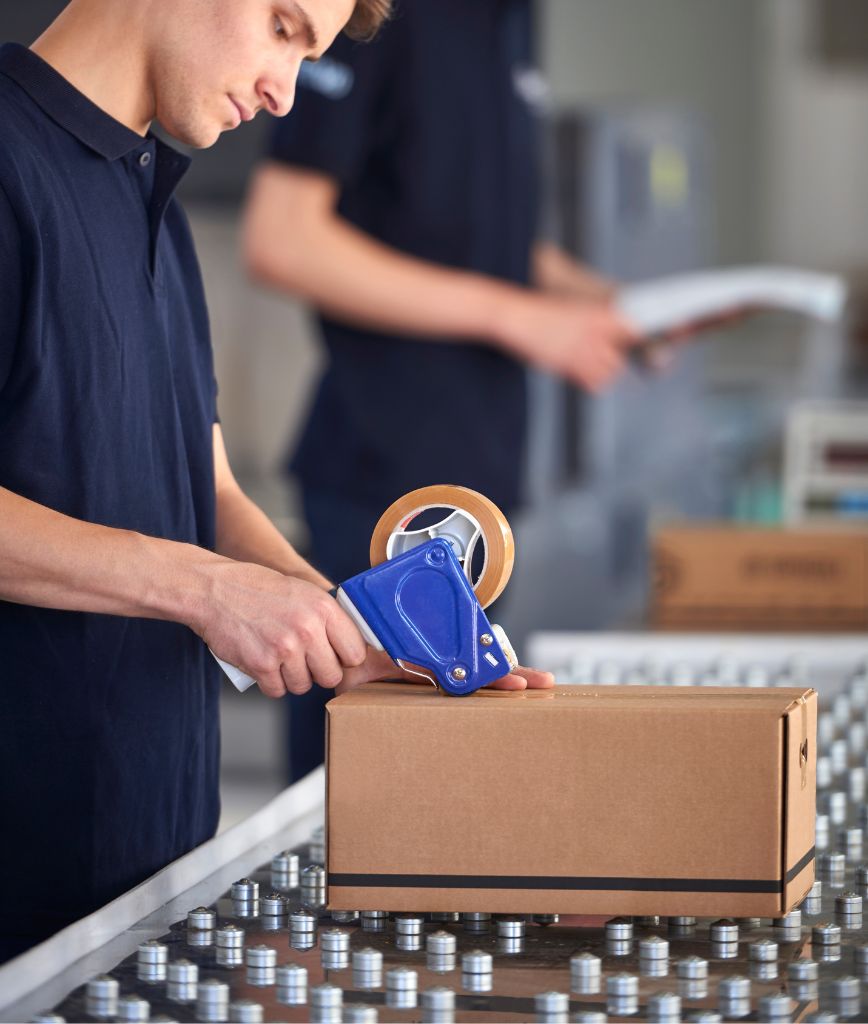
Installation precision is particularly critical when dealing with high-density storage solutions and automated systems. Contributors should explain the necessity of professional leveling and anchoring for pallet racks to prevent structural failure, as well as the calibration required for high-speed sortation conveyors. Mentioning the use of specialized tools and laser-alignment technology demonstrates a commitment to quality that Material Handling USA upholds. Providing checklists for pre-installation site readiness—such as ensuring clear access paths for forklifts and verifying utility connections—helps our readers prepare their facilities for the arrival of new equipment.
Moreover, the integration of safety barriers and guarding during the installation phase is a vital topic. Discussing the strategic placement of BeastWire cages or SpaceGuard bollards to protect newly installed machinery or pedestrian walkways shows a holistic approach to facility design. By sharing best practices for post-installation testing and operator training, you help ensure that the transition to new equipment is not only efficient but also safe. Your expertise in these areas helps our audience navigate the transition from procurement to full operational status with confidence and clarity.
Compliance and Industrial Safety Standards

In the industrial sector, adherence to compliance and safety standards is non-negotiable. We seek articles that provide authoritative guidance on OSHA regulations, ANSI standards, and local building codes as they relate to material handling equipment. For example, a detailed breakdown of OSHA 1910.178 regarding forklift safety and operator training is invaluable to our readers. Similarly, explaining the seismic requirements for pallet racking in high-risk zones or the fire suppression integration needed for multi-level mezzanines ensures that facility managers are not only productive but also fully compliant with legalandsafety mandates.
Safety standards also extend to the physical protection of personnel and assets. When discussing wire partitions or machine guarding, reference the specific safety distances and mesh aperture sizes required by RIA (Robotic Industries Association) or ISO standards. Highlighting how products from SpaceGuard or BeastWire meet these rigorous criteria provides peace of mind to safety officers and risk managers. Your writing should emphasize that safety is an investment in human capital and long-term profitability, reducing the likelihood of workplace accidents and the associated costs of workers’ compensation and equipment damage.
Furthermore, environmental and ergonomic standards play an increasingly important role in modern warehouse management. Discussing the importance of LEED certification in modular constructionorthe ergonomic guidelines set by NIOSH for manual lifting tasks can set your content apart. Explain how height-adjustable workstations from brands like Metro or Dasco contribute to musculoskeletal health, thereby reducing absenteeism and improving morale. By connecting specific product features to broader safety and health standards, you provide a compelling argument for why quality equipment is essential for a sustainable and compliant business model.
Finally, don’t forget the importance of regular inspections and maintenance schedules in maintaining compliance. Articles should cover the “how-to” of rack inspections, the frequency of conveyor belt tension checks, and the documentation required for safety audits. Providing templates or checklists for these inspections adds practical value to your contribution. By positioning safety and compliance as an ongoing process rather than a one-time hurdle, you help our audience foster a culture of safety that permeates every level of their organization, from the loading dock to the executive suite.
Why Choose Material Handling USA?
Material Handling USA stands as a premier partner for businesses seeking to optimize their supply chain and warehouse operations. Choosing to work with us means gaining access to a curated selection of the industry’s most reliable brands, including Jaken, Metro, Aurora, and SpaceGuard. We pride ourselves on being more than just a vendor; we are a comprehensive solutions provider. Our team of specialists brings decades of collective experience to every project, ensuring that our clients receive expert guidance tailored to their specific operational challenges, whether they are upgrading a small stockroom or designing a massive distribution center.
Our commitment to quality is reflected in our rigorous selection process for the products we carry. We understand that in a B2B environment, equipment failure is not an option. That is why we partner with manufacturers known for their durability, innovation, and engineering excellence. From the heavy-duty steel of Borroughs shelving to the sophisticated security of Dasco storage solutions, every item in our catalog is chosen for its ability to perform under the most demanding industrial conditions. When customers choose Material Handling USA, they are investing in equipment that will provide a high return on investment through longevity and improved efficiency.
Beyond our product offerings, our value lies in our end-to-end service model. We assist our clients through every stage of the process, including consultation, design, procurement, and installation. Our ability to provide a “turnkey” experience sets us apart from competitors who may only offer hardware. We understand the nuances of project management and the importance of meeting deadlines and budgets. By calling (800) 326-4403 or emailing Sales@MH-USA.com, customers connect with a dedicated specialist who can provide free quotes and technical advice, ensuring that every piece of equipment fits perfectly within their broader logistical strategy.
Ultimately, Material Handling USA is dedicated to driving industry advancement. We stay at the forefront of emerging trends such as Industry 4.0, IoT integration, and advanced robotics to ensure our clients are prepared for the future of logistics. Our “Write For Us” program is an extension of this commitment, as we seek to share the latest insights and best practices with our community. By choosing us, businesses align themselves with a forward-thinking partner focused on safety, productivity, and profitability. We invite you to join our network of industry leaders and contribute to the collective knowledge that moves the material handling world forward.

Frequently Asked Questions
What are the length and quality requirements for guest articles?
Can I mention specific brands like Metro or BeastWire in my article?
Who is the target audience for the Material Handling USA blog?
Am I allowed to include backlinks within my guest post?
How long does the editorial review and publication process take?
Ready to Share Your Industry Insights?
Join our network of expert contributors and help shape the future of material handling. Contact our editorial team today at (800) 326-4403 or email Sales@MH-USA.com to submit your pitch or request our full editorial calendar.