
Book Storage Shelving for a Synagogue Library: Eatontown, New Jersey Case Study
How a New Jersey congregation added boltless rivet shelving with solid decks to store prayer books, reference volumes and holiday stock in one organized room.
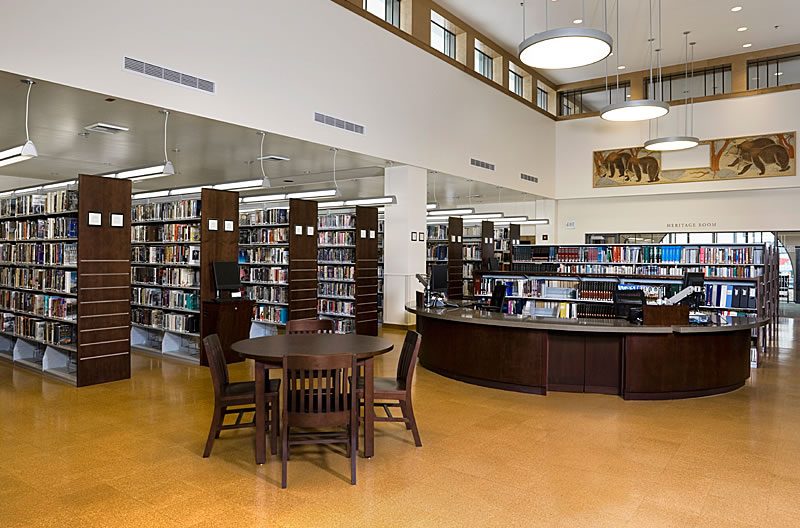
Customer
Eatontown Synagogue, a congregation with a growing book collection
Location
Eatontown, New Jersey
Product
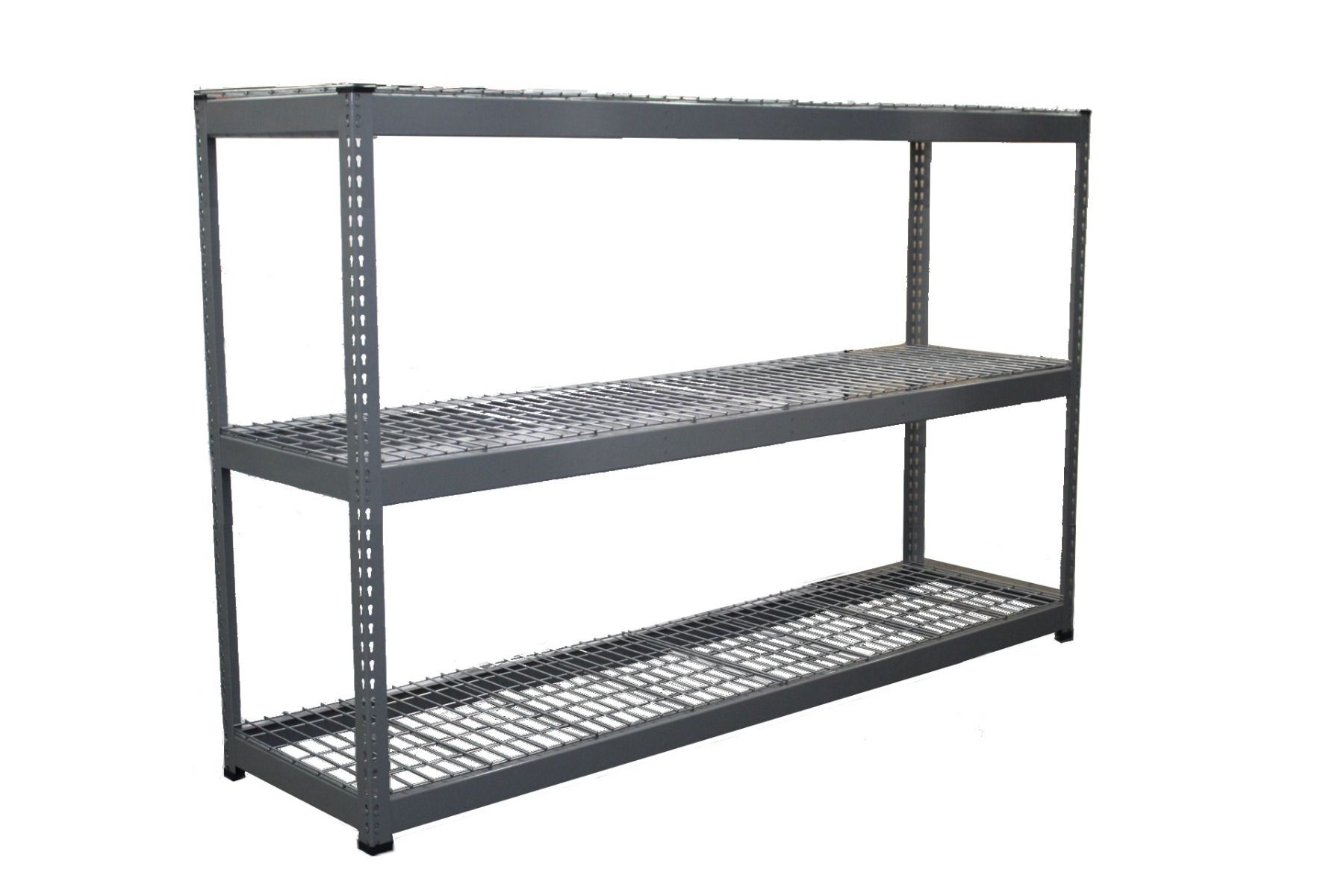
Boltless rivet shelving with solid decks
Application
Book storage for a congregation library
About the project
Eatontown Synagogue is a congregation in Monmouth County, New Jersey. Like most houses of worship, it holds a working library: prayer books used every week, holiday sets that come out a few times a year, reference and study volumes, children’s books for the school program, and donated collections that arrive a box at a time.
Books like that do not belong in stacked cartons on a floor. They need shelves that carry real weight, keep every title visible, and let volunteers put a set away and find it again a year later. That is a textbook case for boltless shelving, and it is why the congregation called Material Handling USA. The project closed in July 2026.
We supply storage equipment to congregations, schools, libraries and nonprofits across the country, and the pattern repeats: the collection grows steadily, the storage room does not, and at some point the room stops working. This page explains how the shelving was chosen so other organizations can use the same reasoning.
The situation
A congregation library grows in a way that no one plans. Nothing is thrown away, donations arrive, and each holiday adds a set of books that has to live somewhere for the other fifty weeks of the year. Three problems show up together.
Books end up in boxes. Once a title goes into a carton it is effectively gone. Nobody opens six boxes to find one volume, so the same books get bought again.
Household shelving gives out. Particle board bookcases from a home store sag under a full shelf of hardcovers within a year or two. Sagging shelves are also a tipping risk in a room where children and volunteers work.
The room stops being usable. Stacks on the floor block the aisle, make cleaning hard, and put books where a leak or a damp floor can reach them.
The goal here was straightforward: put the whole collection on steel shelving that will not sag, keep every spine visible, fit the room the congregation already had, and stay easy for volunteers to adjust as the collection changes.

What Material Handling USA supplied
We supplied boltless rivet shelving with multiple shelf levels per section and solid decks on every level, plus the base and tie hardware that turns separate units into one stable row.
Everything came from the product family described on our industrial boltless shelving and library storage shelving pages, so any future add-on will match what is already standing in the room.
Why boltless shelving fit a congregation library
Book storage is a strange load. Each book is light, but a shelf of hardcovers is one of the heaviest evenly spread loads in any building. What a library needs is not one very strong position, it is many level, well supported shelves that stay flat under a constant load.
Pallet rack is the wrong tool. It creates a few very strong positions at heights nobody can reach by hand, and it looks industrial in a community space. Wire shelving is closer, but book covers catch on an open grid and thin volumes tip through it. Retail bookcases look right and fail structurally.
Boltless rivet shelving sits in the middle. It carries a full shelf of books without deflection, gives a flat solid surface, adjusts on the post in one inch increments, and costs a fraction of purpose built cantilever library stacks.
The other reason is volunteers. A congregation does not have a facilities crew. Rivet shelving goes up with a mallet, which means the building committee can assemble it themselves on a Sunday and move a shelf level later without calling anyone.
We compare the systems in detail on boltless shelving versus pallet racking.
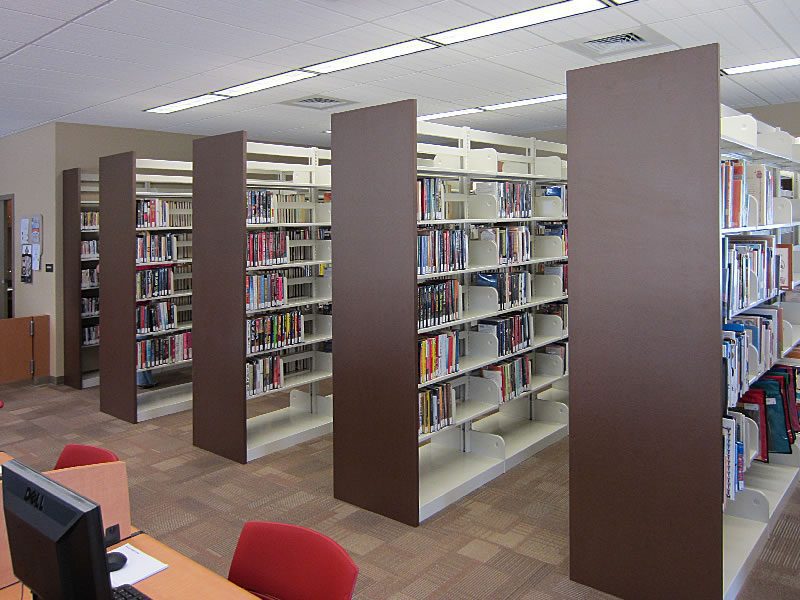
Books are heavier than they look
This is the number most people get wrong. A single hardcover feels like nothing. A shelf packed with them is a serious uniformly distributed load, and it never comes off. That is why home bookcases bow in the middle and why steel shelving is the honest answer for a permanent collection.
| What you are storing | Load character | What the shelving has to do |
|---|---|---|
| Prayer books and hymnals | Uniform, dense, packed spine to spine, on the shelf permanently | Carry a full level with no visible deflection year after year |
| Bound reference and study volumes | The heaviest per running foot of anything in a library | Solid deck plus a beam rated well above the actual load |
| Children’s and paperback titles | Light but small and prone to tipping | Flat surface, bookends, and shorter shelf spans |
| Boxed holiday and archive material | Heavier point loads, moved a few times a year | Lower levels, easy lifting height, room to slide a carton |
The practical rules are simple. Put the heaviest bound volumes on the lower and middle levels so lifting is safe and the load path is short. Do not span a long shelf with dense books without a center support. Fill shelves front to back rather than stacking books on top of a full row. And always size the beam for the heaviest level you might ever load, not the one you plan today.
Our heavy duty boltless shelving page covers capacity selection in more depth.
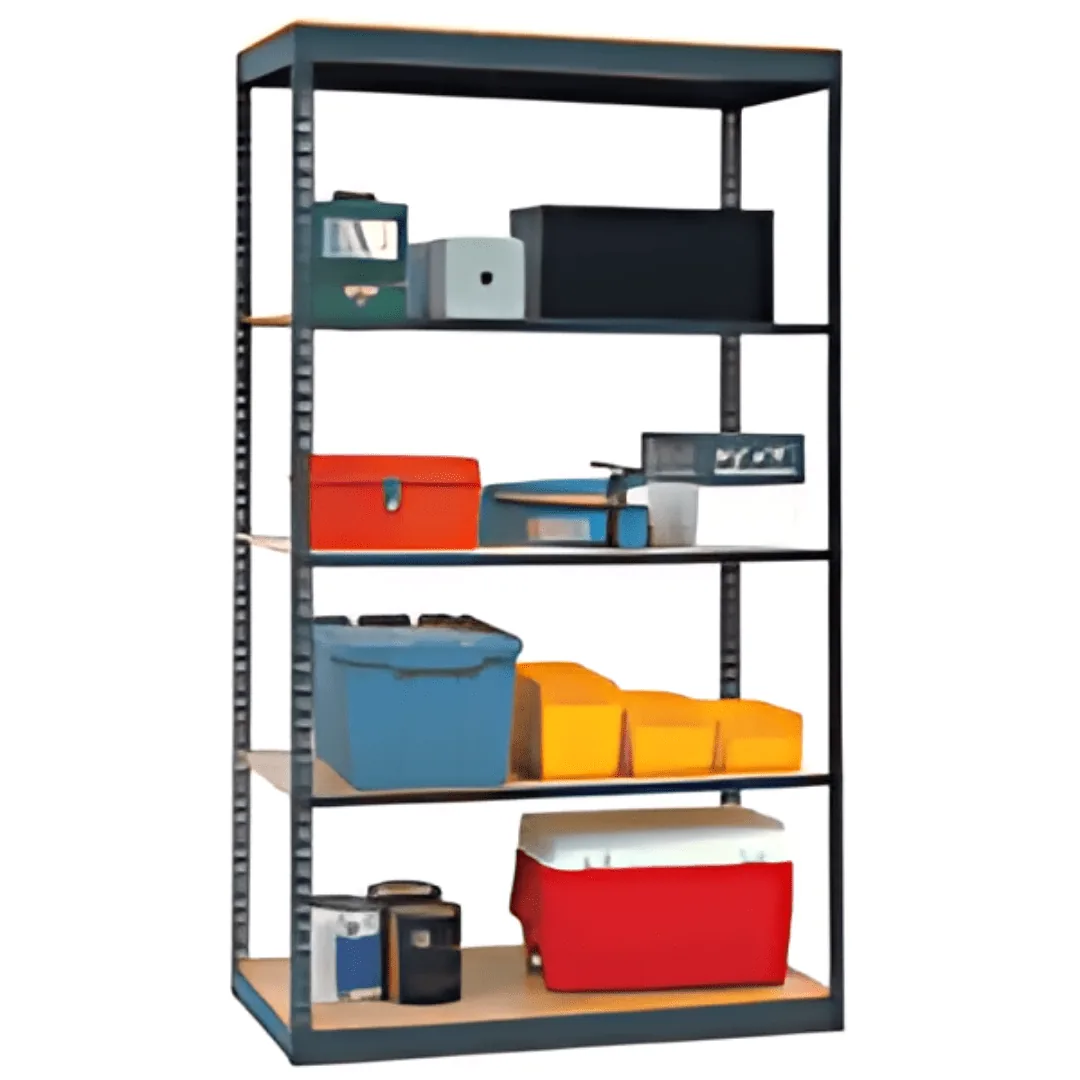
Choosing the deck for books
The deck decides what can sit on the shelf, how it looks, and how easy the level is to keep clean. For books, the choice is usually straightforward.
| Deck type | Good for | Trade-off |
|---|---|---|
| Solid board deck | Books, binders, boxed sets, anything that must sit flat | Should be kept dry; wipe up a spill rather than leave it standing |
| Steel deck | Heavy bound volumes and rough handling in a work room | Higher cost per level than board for a hand-reach collection |
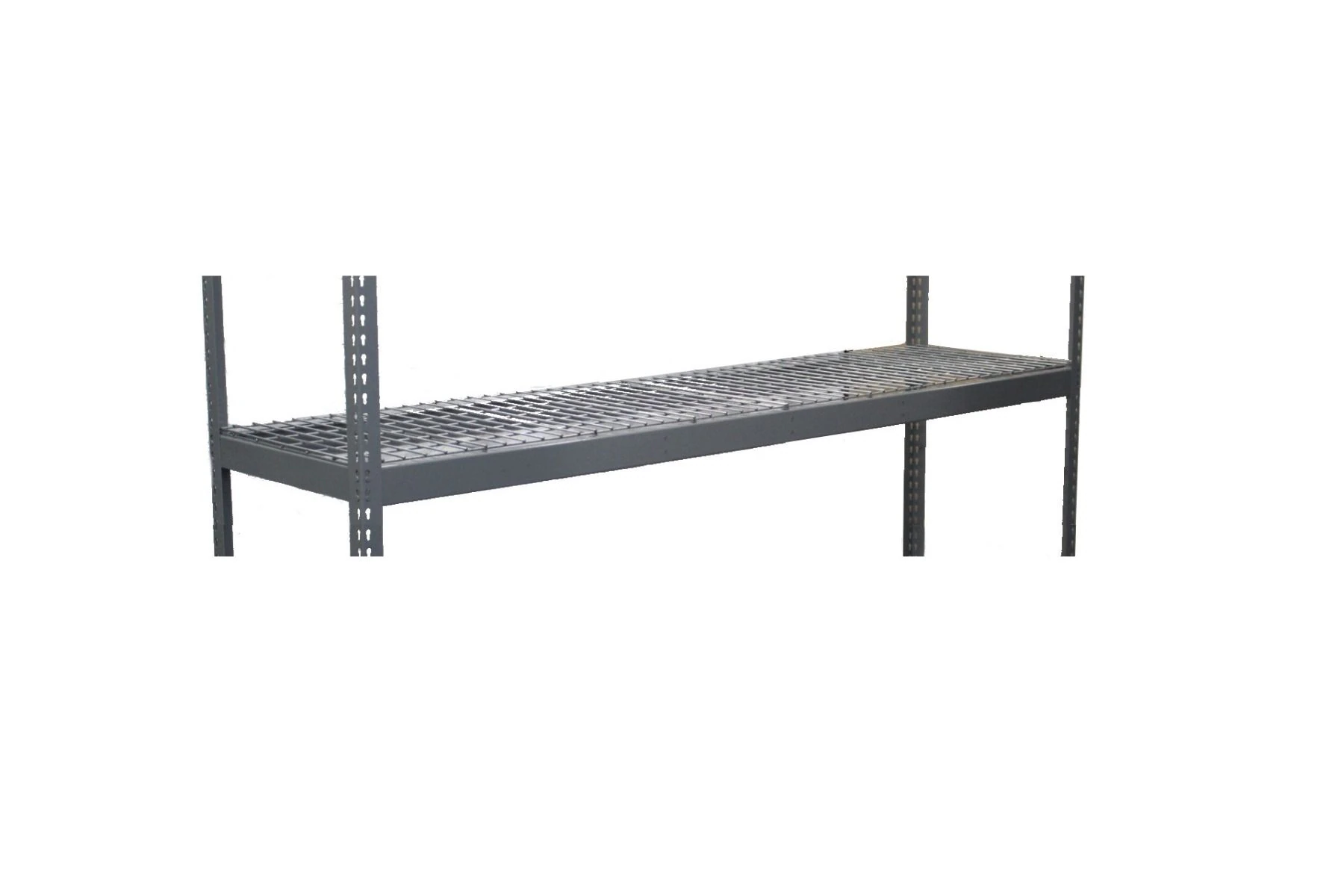
| Wire decking | Sprinkler water flow and visibility in a warehouse | Covers catch on the grid and thin volumes tip through it |
| Beams only, no deck | Long or bulky items that span the beams | Nothing book sized can be stored on the level |
For a congregation library the answer is a solid deck on every level. Books need to stand square, bookends need something to grip, and a flat surface is what makes a row of spines readable from the aisle.
The full comparison is on our decking options guide.
Layout and browsing flow
Adding shelving is easy. Adding shelving that makes a room work takes a little thought. Four questions shaped this layout, and they apply to almost any library storage room.
One more rule: long straight runs beat scattered islands. A continuous row ties together for stability, reads as a single aisle, and keeps location codes running in order instead of jumping around the room. Leave the wall behind the row clear if the room has any history of damp, and keep the top of the shelving clear of the sprinkler heads.
For related layouts see archive shelving and records storage shelving.
Keeping books in good condition on open shelving
Shelving cannot condition a room, but the way a collection sits on it has a real effect on how long the books last. Preservation guidance from the Library of Congress and the Northeast Document Conservation Center comes down to a few habits.

What changed for the congregation
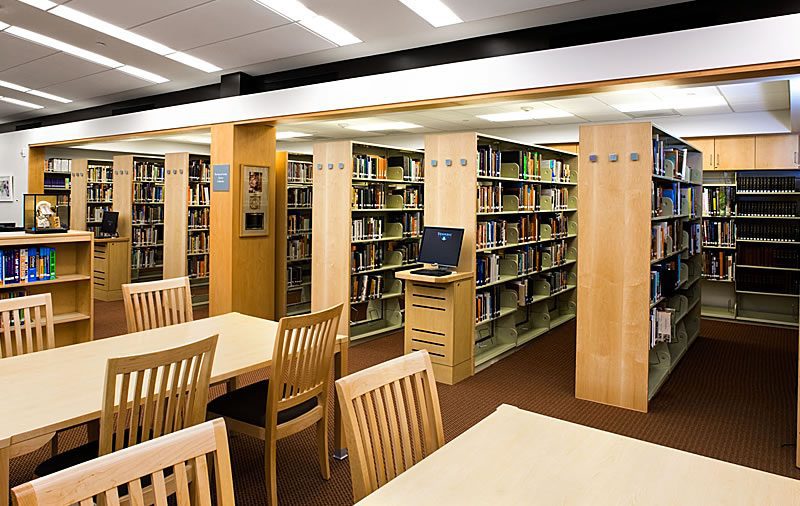
The whole collection is visible. Books on a shelf with the spines out get used. Books in a carton do not. That alone is most of the value of a project like this.
Shelves that stay flat. Steel posts and rated beams under a solid deck do not bow the way a home bookcase does, so the row looks the same in year five as in week one.
The floor is clear. Nothing is stacked in the aisle, the room can be swept, and the space is usable for people again.
Volunteers can manage it. Levels move with a mallet, so the shelving adapts as the collection changes instead of forcing the collection to fit the shelving.
Safer for everyone. Tied and footed rows are far more stable than a line of freestanding bookcases, which matters in a building used by children.
Room to grow. Add-on units share posts with the sections already standing, so the next donation does not become the next crisis.
The cost case for a nonprofit
We never publish project pricing, but the way to think about the spend is worth explaining, because congregations, schools and small nonprofits weigh this the same way.
For general budgeting ranges see the boltless shelving cost and pricing guide and the buying guide.

How the project ran
The sequence on this job is the one we use on most book and archive storage projects.
Delivery on a stock configuration like this typically runs a couple of weeks from order. Where a customer wants a crew instead of a self build, our installation service covers layout, assembly, anchoring and cleanup.
What this means for New Jersey organizations
Eatontown sits in Monmouth County, within easy reach of Red Bank, Long Branch, Freehold, Tinton Falls, Asbury Park, Neptune and Middletown. Congregations, schools, township offices, museums and small nonprofits across that area run into the same wall: a collection that keeps growing and a storage room that does not.
Boltless shelving is usually the fastest fix. It ships flat, goes together without tools beyond a mallet, adjusts later, and costs far less than purpose built library stacks. We ship it nationwide, so a project in New Jersey is quoted, shipped and standing in weeks rather than months.
If you are planning something similar, start with the library storage shelving page, then look at university storage solutions, records storage shelving and stockroom shelving for layout ideas. Call 800-326-4403 to talk through a room with someone who has laid one out before.
Shop Boltless Shelving Online
Buy complete boltless shelving units and add-on levels directly online, or request a quote for volume, custom sizes and freight-rated orders.

Frequently asked questions
Is boltless shelving strong enough for a full shelf of hardcover books?
Why not use regular bookcases from a home store?
Can volunteers assemble it without a contractor?
Can shelf levels be moved after it is built?
Should book shelving be anchored to the wall?
Do you supply shelving to synagogues, churches and schools?
What information do you need to quote a room like this?
Planning book or archive storage for your congregation or school?
Tell us what you are storing and the room you have, and we will lay out a boltless shelving run that fits it. Nationwide shipping, and installation available where you want a crew.