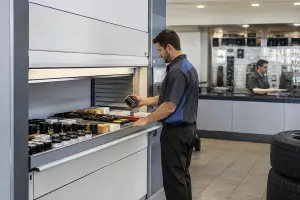
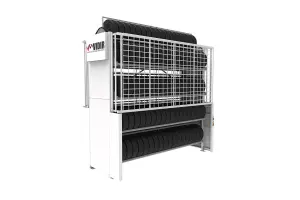
Two months before peak season, a Utah beverage warehouse team is standing beside a fixed concrete box and a growing SKU list. The building won't change, but the operation still needs more usable storage, faster replenishment, and safer forklift movement. That is the buying problem behind beverage distribution pallet racking in Utah.
The right answer isn't “more rack.” Beer, soft drinks, bottled water, wine, cans, glass cases, and kegs behave differently in storage. Utah also adds seismic engineering, permitting, fire protection, and anchoring requirements that can affect the layout before the first upright is installed.
This guide focuses on the decisions that shape a quote: what you store, how quickly it moves, how much access each pallet needs, how forklifts travel, and what the local jurisdiction will approve. It doesn't promise a universal rack configuration, because beverage facilities rarely have a universal product mix.
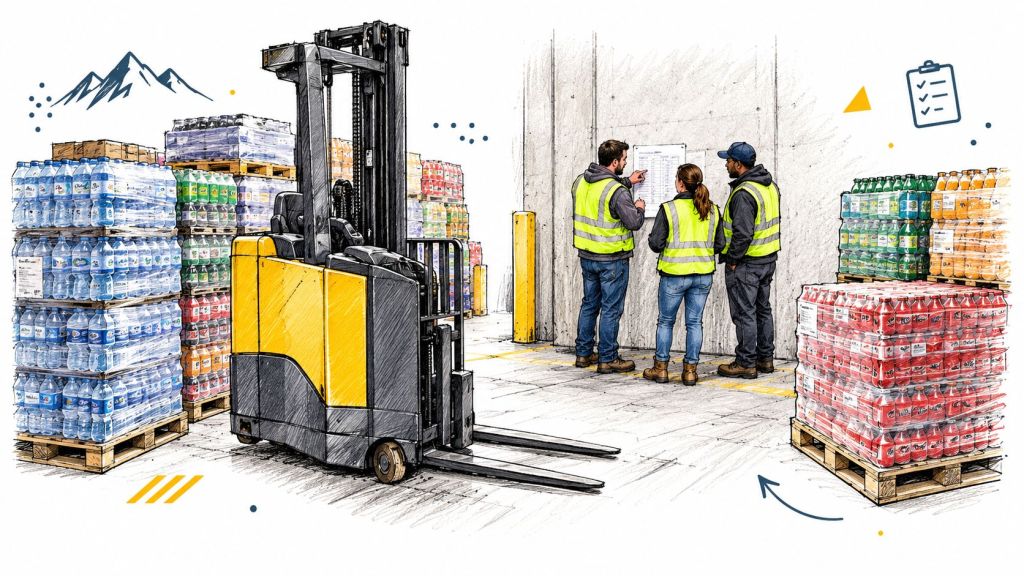
What Beverage Distribution Pallet Racking in Utah Really Looks Like
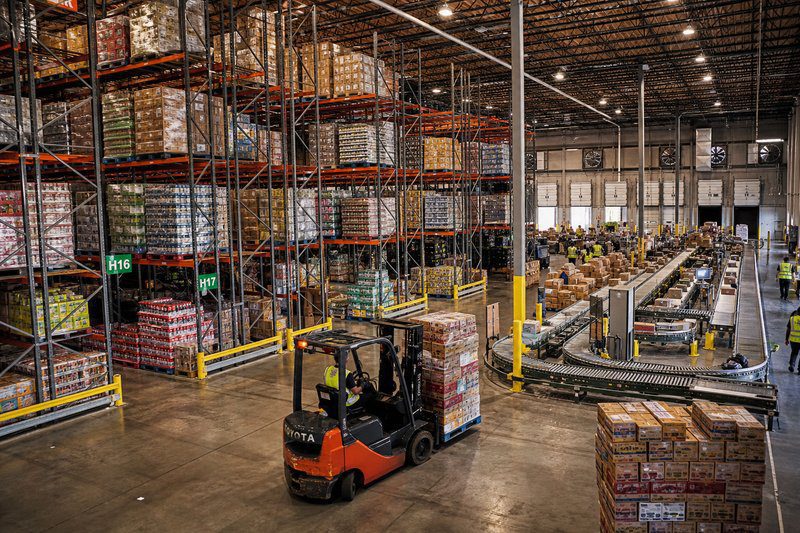
A typical Utah beverage distribution center has dock-high doors, tall clear space, forklifts moving full pallets, and pick faces that must stay available throughout the shift. Some buildings offer 24 to 40 feet of clear height, while columns, sprinkler lines, lights, doors, and roof structure limit the usable cube. The rack layout has to work around those obstructions instead of assuming the lease plan tells the whole story.

The load mix creates the harder problem. A single aisle may serve full-case pallets, half pallets, shrink-wrapped bottles, glass cases, and keg stacks. Fast-moving 12-pack and 24-pack products need direct access. Reserve water or seasonal products may justify deeper storage. Dated products may need FIFO flow lanes.
Utah's beverage supply chain shows why this is more than a storage question. The Utah Department of Alcoholic Beverage Services annual report describes its warehouse as a central statewide distribution hub. It moves heavy beer, wine, flavored malt beverages, and wine valued at over $40 million to state liquor stores and club stores serving bars, restaurants, and other licensees. The warehouse also uses a robotic storage and retrieval system, which reflects a high-density, automation-driven operation.
Practical rule: Design the rack around the movement pattern, not around the empty floor area.
That approach also protects logistics equipment uptime. A rack layout that creates repeated impacts, blocked pick faces, or awkward replenishment routes can interrupt operations even when the rack itself has enough capacity.
For a Utah beverage production or distribution example, review beverage production warehouse racking. Then compare the building envelope, load types, and access rules with your own facility before requesting pricing.
What This Operation Stores and Why It Matters
Beverage loads share some of the same load-handling problems as other Utah food and drink facilities; see cold storage pallet racking for Utah food distributors if part of the operation also needs refrigerated or frozen storage.
Beverage loads are dense, repetitive, and often unforgiving. A full pallet of cans in corrugated packaging is stable but heavy. Shrink-wrapped bottles can shift or break after rough handling. Glass cases need strong support and careful forklift control. Bag-in-box products use space differently and can suffer damage from compression or contact with rack members.
Kegs create a separate storage issue. They behave more like stacked cylinders than flat pallets, so they may need dedicated cradles, keg racks, or controlled floor stacking. Standard pallet positions aren't automatically suitable for every keg size or handling method.

Load behavior changes the rack design
Full beverage cases commonly weigh 1,800 to 2,500 pounds per pallet, according to the application data provided for this guide. That weight often concentrates near the lower levels, where forklifts load and retrieve the most frequently. Beam capacity, frame capacity, base plates, anchors, and floor conditions must all support the actual unit load.
Use this information to sort your inventory before choosing a system:
- High-velocity cases: Keep leading 12-pack and 24-pack SKUs in accessible pick positions.
- Reserve beverages: Place slower-moving bottled water, energy drinks, and bulk cases in denser storage where direct access is less important.
- Seasonal lines: Plan flexible locations for craft beverages, seltzers, and other products that expand or contract with demand.
- Fragile packaging: Add operating rules that limit impact and protect glass from contact with uprights or beams.
- Kegs and unusual loads: Evaluate dedicated supports instead of forcing cylindrical products into standard pallet bays.
Mixed pallet sizes usually favor selective pallet rack because every pallet can be reached from the aisle. Heavy loads also require clear load data. Don't ask for “standard beverage rack” without giving the supplier pallet weight, pallet dimensions, product height, and the number of levels required.
Rack Configurations That Fit a Beverage Distribution Facility
No single rack type solves every beverage application. Selective rack is usually the starting point for a distributor with many SKUs and frequent rotation. It gives direct access to each pallet and supports both full-pallet and case-pick workflows.
Drive-in and drive-through rack increase density by placing pallets several positions deep on rails. That makes sense for reserve products with long dwell times, such as bottled water or seasonal cases. The trade-off is access. Operators must manage lane discipline, product grouping, and forklift entry with care.
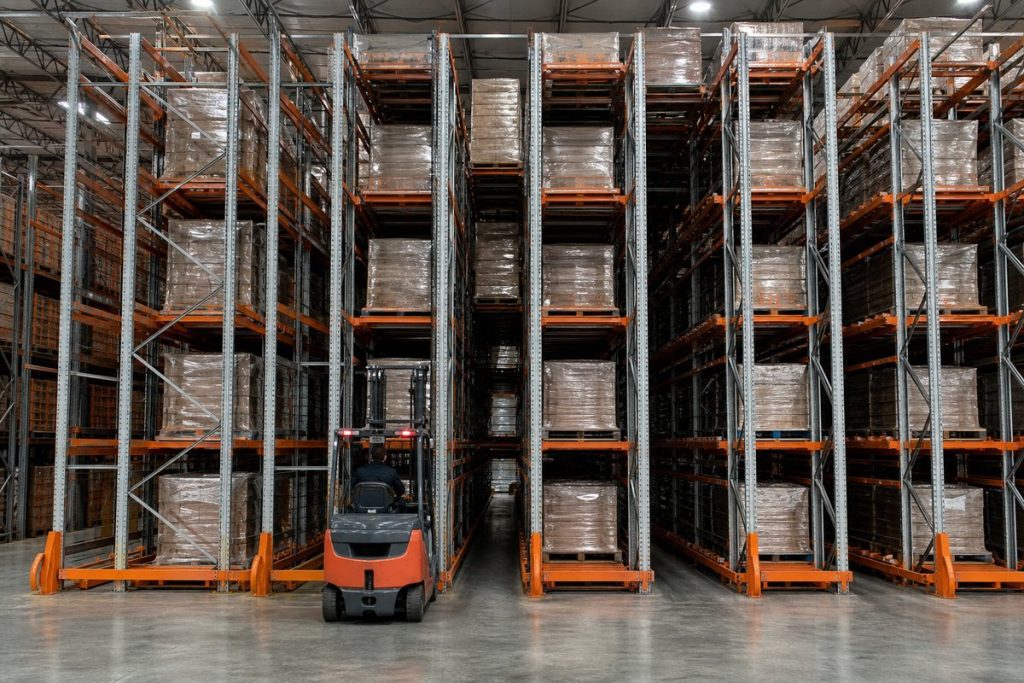
Pallet flow rack uses gravity rollers to move pallets from the loading side toward a dedicated pick face. It supports FIFO rotation and can reduce travel for dated or temperature-sensitive products. The lane, roller, brake-wheel, and pallet specifications must match the actual load, because uncontrolled movement can create discharge impacts.
Push-back rack provides high-density LIFO storage for multiple pallets of the same SKU or product family. It can reduce aisle demand, but it doesn't suit products that must rotate strictly FIFO.
Cantilever rack is useful for kegs, wine cases, or other irregular footprints that don't sit flat on ordinary pallet beams. It should be evaluated as a dedicated zone, not added as an afterthought.
| Rack Type | Best Beverage Use Case | Density Gain | Rotation | Min. Aisle |
|---|---|---|---|---|
| Selective pallet rack | Many SKUs and frequent pallet access | Moderate | FIFO or managed rotation | Standard forklift aisle |
| Drive-in rack | Slow-moving reserve pallets | High | LIFO, lane-based | Reduced aisle count |
| Pallet flow rack | Dated or temperature-sensitive product | High within dedicated lanes | FIFO | Loading aisle and pick face |
| Push-back rack | Multiple pallets of one SKU | High | LIFO | Front-load access |
| Cantilever rack | Kegs and irregular loads | Application-dependent | Managed rotation | Based on forklift and load |
Floor loading deserves attention in every high-density design. Rack uprights transfer concentrated forces into the slab, so the engineer should review the floor and anchoring details. A plain-language explanation of shed foundation point loads can help buyers understand why a heavy rack row needs more than a cube calculation.
For liquor distribution case-pick areas, review carton flow for liquor distribution. It can complement pallet rack when the operation picks cases from a dedicated face rather than full pallets.
Sizing the Layout Before You Request a Quote
A useful rack quote starts with a real site survey. Measure the building, not just the lease diagram. The difference often appears at the ceiling, the columns, the sprinkler mains, or the slab joints.
Capture the building envelope
Record these details before a designer lays out rack:
- Clear height: Measure to the lowest obstruction, not the roof deck.
- Column grid: Mark every column and its location relative to doors and walls.
- Dock conditions: Note door openings, swing direction, trailer clearance, and staging space.
- Floor details: Photograph slopes, expansion joints, slab thickenings, drains, and damaged concrete.
- Fire protection: Locate sprinkler heads, mains, flues, lights, and other overhead equipment.
- Future space: Mark any bay that may be added later so the first layout doesn't block expansion.
Your forklift matters just as much as the building. Record the lift height, the load height, the pallet size, and the turning requirements. The highest beam position depends on safe lift capability and overhead clearance, not on how tall the building looks.
Measure the workflow
Mark the active pick face and the travel route to the dock. If the fastest-moving products sit far from shipping, operators may lose more time in travel than they gain from denser storage.
Before pricing, create one page showing clear height, column spacing, aisle width, pallet positions per level, and major obstructions.
That page gives the designer enough information to build a layout that fits the first time. It also helps compare selective, flow, push-back, and drive-in options without hiding changes in vague allowances.
Utah Code, Seismic and Fire Requirements
Utah rack projects need an engineering path from the start. Pallet rack is generally treated as a nonbuilding structure under ASCE 7, so seismic forces must be addressed in the rack system itself rather than assumed to be handled by the building.
The local jurisdiction may require structural plans, calculations, stamped drawings, anchor details, and load-capacity documentation. Salt Lake City's guidance states that storage rack seismic design must follow ASCE 7-22 and requires plans and calculations stamped by a Utah-licensed structural engineer. Review the Utah pallet rack requirements for Salt Lake City early if the facility is in that area.
What the engineer needs
Provide the rack designer with:
- Site location and jurisdiction
- Building and floor information
- Rack height and configuration
- Pallet weight and dimensions
- Beam levels and storage elevations
- Forklift type and operating method
- Soil and site data when required
- Existing anchors, slab details, and obstructions
The seismic design category affects bracing, anchorage, base plates, row spacers, and cross-aisle ties. A layout optimized only for cube can fail as a project if the anchor-to-floor connection is underspecified.
Fire protection must be coordinated with the rack elevation and commodity. The rack designer, fire protection contractor, and authority having jurisdiction should review sprinkler clearance, flue spaces, and the stored product classification together. Don't finalize beam elevations before that coordination.
OSHA doesn't have a dedicated federal pallet-rack standard. Warehouses are generally enforced through the General Duty Clause, while ANSI MH16.1 is a key industry design and safety reference for rack systems and practices, as summarized in this pallet-racking safety guide.
Industry safety data also explains why impact protection matters. One warehouse safety summary reports that OSHA identifies pallet racking among the top 10 causes of warehouse accidents, while another reports nearly 100,000 forklift accidents each year in the United States. The same summary cites 90% of rack failures as being attributed to forklift impacts. Read the pallet-racking safety overview for the broader safety context.
Installation, Lead Times and Ongoing Service
Plan the project around beverage demand, not around an arbitrary installation date. Rack work can block aisles, staging areas, and pick faces, so a full shutdown isn't the only concern. A phased installation can preserve selected shipping routes while crews complete other zones.
Common rack projects follow a sequence:
- Survey and marking: Confirm column lines, rack rows, doors, and exclusion zones.
- Anchor preparation: Drill and install anchors according to the engineered detail.
- Frame and brace installation: Stand uprights, connect bracing, and verify row alignment.
- Beam installation: Add beams, safety locks, decking, flow components, or push-back hardware.
- Identification: Apply load plaques, row labels, and operating signs.
- Inspection: Review anchors, damage risks, and seismic details before loading product.
Some common sizes are stocked at select manufacturers, subject to confirmation. Engineered push-back, pallet-flow, and drive-in systems usually need more design coordination than a standard selective layout. Ask for a confirmed production and delivery schedule after the drawings are approved.
Service starts when the rack is loaded
Create a damage program before the first pallet enters the new row. Train lift operators on the aisle rules, assign a rack champion to walk the aisles weekly, and isolate damaged components instead of leaving them in service.
Keep the original rack identification and parts information. Replacement beams, uprights, column protectors, and safety components are easier to source when the original supplier and installer are known.
A written inspection and maintenance plan should align with ANSI MH16.1 and your insurer's expectations. The plan should identify who reports damage, who can approve repairs, and what conditions require immediate unloading.
Choosing the Right Setup for Your Buyer Scenario
The best configuration depends on the conflict you're trying to solve. More positions may not help if pickers can't reach the right SKU. More access may not help if reserve inventory consumes too much floor space.
| Scenario | Recommended Rack | Density Gain | Pair It With |
|---|---|---|---|
| Salt Lake City beer and craft distributor adding 1,200 pallet positions in a low-clear building | Two-deep push-back with selective rack at the pick face | High in reserve storage | Lane-based SKU grouping and impact protection |
| Park City resort warehouse with seasonal swings and many SKUs | Selective rack with wire decking and dedicated pallet-flow lanes | Moderate, with flexible access | Flow lanes for the fastest-moving products |
| Rural Intermountain operation storing water and canned drinks with long dwell time | Four-deep drive-in with backstops and aisle protection | High for reserve inventory | Strict lane assignment and forklift training |
The first scenario should protect access to leading products while using depth for reserve stock. Don't put every SKU into push-back just because the system adds density. The selective pick face is what keeps daily orders moving. A shared-facility operation with similar density pressure is covered in 3PL warehouse racking layout for Salt Lake City.
The Park City operation needs flexibility more than maximum density. Seasonal demand can change which products deserve the best access, so selective rack provides a safer base. A dedicated flow lane can handle the fastest movers without turning the whole facility into a gravity system.
The rural operation has a different priority. Long-dwell water and canned products can justify deep lanes, but drive-in requires disciplined loading and retrieval. Backstops, upright protection, and clear lane rules should be part of the original quote.
For any of these buyers, provide actual pallet data before selecting beam capacity. Then ask for a layout review that shows the pick face, reserve lanes, forklift path, anchors, and future expansion area. Material Handling USA offers pallet rack layouts, design support, delivery, and installation options for projects that need this level of planning. Buyers can also compare pallet rack products and configurations before requesting a formal design.
Beverage Rack Questions Utah Buyers Ask Most
How often should seismic rack inspections happen after an earthquake?
Inspect the rack after a measurable seismic event and before returning affected rows to service. The engineer or qualified rack professional should review visible frame movement, anchors, bracing, beams, and floor conditions. The required response can depend on the event and the local authority.
Can used beverage rack be re-stamped for a new facility?
Not automatically. A qualified engineer needs to verify the components, original design data, damage history, load requirements, connections, and new seismic conditions. Used components without traceable information may create a permitting problem.
What's the realistic price per pallet position?
A reliable price depends on rack type, load, height, seismic design, floor work, fire protection, installation, and access requirements. Selective rack and drive-in rack have different cost structures, so a price per position without a layout can mislead the buyer.
What lead time should a buyer expect for a 400 to 600 position order?
Ask the supplier to confirm production, engineering, permitting, delivery, and installation separately. Standard sizes may be available from select manufacturers, subject to confirmation, while engineered systems require approved drawings before scheduling.
How can the warehouse keep picking during installation?
Divide the project into zones. Protect active pick faces, schedule disruptive work during slower shipping windows, create temporary staging rules, and release each completed zone only after inspection.
Should beverage rack use structural uprights?
Structural uprights can be useful where forklift impact risk is high, especially at lower levels. The choice should follow the load, impact exposure, seismic design, and repair strategy rather than a generic product preference.
Is pallet flow always the right FIFO solution?
No. Pallet flow works well when the product rotates through dedicated lanes and the pallets, rollers, brakes, and discharge area match the load. A lane that's too deep or poorly replenished can create empty pick faces and extra handling.
What should a quote include?
Request the layout, rack elevations, beam and frame capacities, anchor calculations, seismic documents, load plaques, protection details, installation scope, delivery terms, inspection plan, and exclusions. A free layout and no-obligation quote should show what the supplier is pricing.
Material Handling USA can review your Utah beverage workflow, recommend a practical rack mix, and provide free layouts and designs with no obligation. Contact Material Handling USA for a free quote, call (800) 326-4403, or email Sales@MH-USA.com to plan the next step before installation timing and building constraints limit your options.
Design it yourself, then get a quote
Use our free online design tools to configure exactly what this article describes, then send the configuration to our team for pricing: