
Poly Bag Thickness Guide: 1 Mil vs 2 Mil vs 4 Mil and When to Use Each
How thick a poly bag really needs to be, what mil and gauge mean, how polyethylene and polypropylene differ, and how to choose between flat, reclosable, gusseted bags and poly tubing — with live prices on the bags we discuss.
Packaging sales · (800) 326-4403 · sales@mh-usa.com
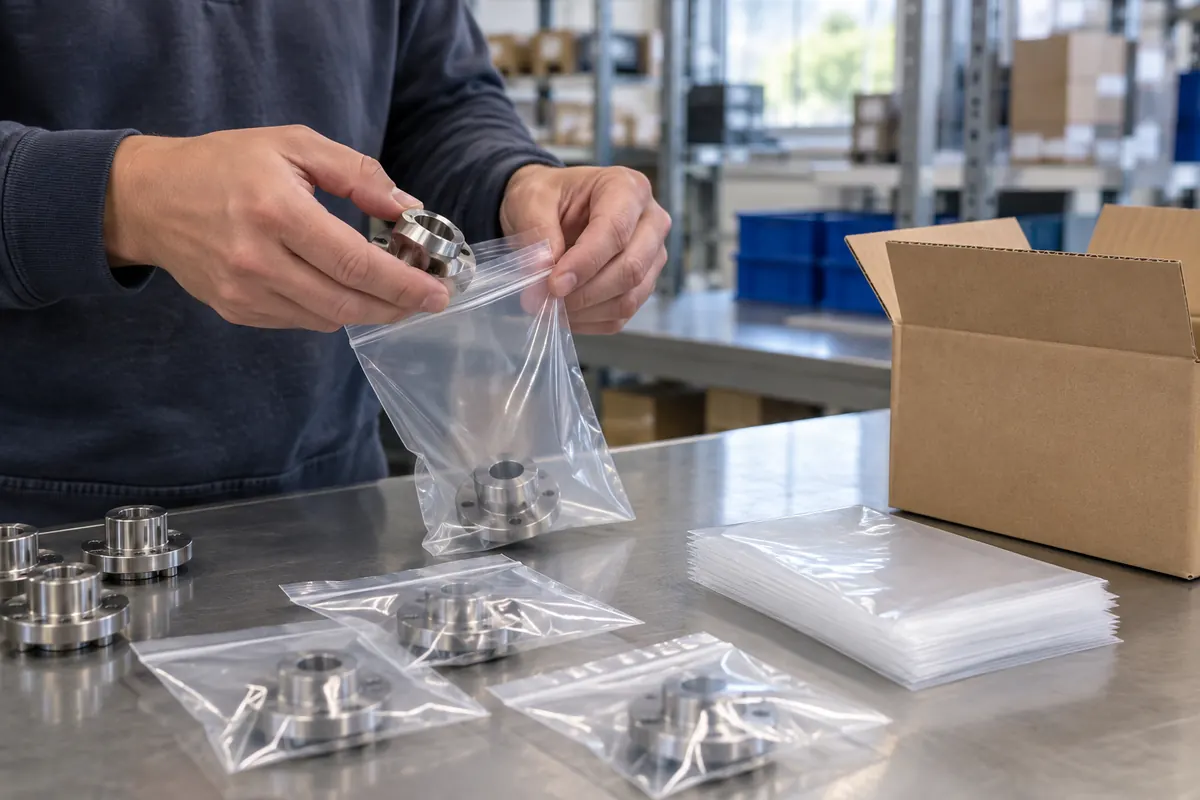
1 mil
0.001 in. · light items
2 mil
The general-purpose standard
4 mil
Heavy-duty parts and tools
6 mil
Puncture-resistant, sharp items
Shop Poly Bags by Type and Thickness
Start with the four bag types buyers ask about most. Each card shows a live online price for one size; the blue button opens every size in that type and thickness.


Bags ship from our packaging distribution network in cases and rolls; some common sizes are in stock at select manufacturers, subject to confirmation on your order.
Poly Bag Thickness Chart: Which Mil for Which Job
Thicker is not automatically better. Match the film to the weight, the edges and the handling the bag will see.
| Thickness | Feel | Typical uses | Shop |
|---|---|---|---|
| 1 mil | Thin, flexible, very economical | Dust covers, garments, soft goods, inserts, light retail and food items, box liners for light loads | Flat · Gusseted |
| 1.5 mil | A step up in toughness | Light-to-medium items, printed literature, small hardware kits, general poly tubing | Flat · Tubing |
| 2 mil | The everyday standard | Parts, samples, kits, apparel, e-commerce item bags; the most popular thickness for general use | Flat · Reclosable · Gusseted · Tubing |
| 3 mil | Firm, noticeably sturdier | Medium-weight parts, items with mild edges, repeated handling | Flat |
| 4 mil | Heavy-duty | Industrial parts, tools, fasteners, heavier kits, long-term storage | Flat · Reclosable · Tubing |
| 6 mil | Extra heavy, puncture resistant | Sharp or pointed hardware, castings, heavy components, rough handling | Flat · Reclosable · Tubing |
| 8 mil | Thickest stock reclosable | Very heavy or abrasive items where a bag must survive reuse | Reclosable |
Our own listings line up with this chart: the 2 mil flat bags are described as the most popular used poly bags for general light to medium weight products, the 4 mil flat bags as heavy-duty bags for industrial parts and tools, and the 6 mil reclosable bags as puncture resistant.
Mil vs Gauge (and Microns) in One Minute
Three units, one measurement: the thickness of the film.
A mil is one thousandth of an inch (0.001 in.), about 25.4 microns. It is how U.S. bag makers state thickness: a 2 mil bag is made from 0.002 in. film. A 2 mil bag is not twice as thick as a “2” of anything else, and it is not a weight rating.
Gauge is used mainly for stretch film and some imported bags; for polyethylene, 100 gauge equals 1 mil, so 80 gauge stretch film is 0.8 mil. Microns are the metric unit common on international spec sheets. For conversion tables and examples, see our mil to gauge conversion guide.
Remember that thickness is only half of strength. The resin, the additives and the seal quality matter as much as the number of mils, which is why a well-made 2 mil bag can outperform a poorly made 3 mil bag.

Same 9 x 12 in. Bag, Different Thicknesses: What It Costs
One common size across the thickness range, so you can see what each step up really adds.
| Style | Thickness | Sold as | Case price | Per 1,000 bags | Product |
|---|---|---|---|---|---|
| Flat | 1 mil | Case of 1000 | $25.70 | $25.70 | View → |
| Flat | 1.5 mil | Case of 1000 | $35.92 | $35.92 | View → |
| Flat | 2 mil | Case of 1000 | $56.40 | $56.40 | View → |
| Flat | 3 mil | Case of 1000 | $93.22 | $93.22 | View → |
| Flat | 4 mil | Case of 1000 | $111.51 | $111.51 | View → |
| Reclosable | 2 mil | Case of 1000 | $64.65 | $64.65 | View → |
| Reclosable | 4 mil | Case of 1000 | $123.39 | $123.39 | View → |
| Reclosable | 6 mil | Case of 500 | $95.68 | $191.36 | View → |
Online prices when this guide was last updated; product pages always show the current price. Sizes are the inside usable dimensions listed on each product.
Two patterns stand out. First, cost tracks the amount of film: in flat bags, each extra mil adds roughly the same step in price, so moving from 1 mil to 2 mil about doubles the per-bag cost. Second, the zipper is a meaningful share of a reclosable bag’s price, so a 2 mil reclosable costs more than a 2 mil flat bag of the same size. If customers or workers will not reopen the bag, a flat bag sealed with tape, a twist tie or an impulse sealer is the cheaper choice.
LDPE vs LLDPE vs Polypropylene: Clarity, Strength and Seal
Thickness tells you how much film there is. The resin tells you how that film behaves.
| Material | Look and feel | Strengths | Watch-outs | Best for |
|---|---|---|---|---|
| LDPE (low-density polyethylene) | Soft, flexible, good clarity | Easy heat sealing, flexible in the cold, low cost | Lower puncture strength per mil than LLDPE | Standard flat, reclosable and gusseted poly bags |
| LLDPE (linear low-density PE) | Soft, slightly less glossy | Higher tear, puncture and tensile strength at the same thickness | Usually a little hazier; often blended with LDPE | Thinner bags that still need toughness, heavy-duty bags, stretch film |
| Polypropylene (PP) | Crystal clear, crisp, glossy | Best clarity and presentation; moisture, grease and vapor resistant | Stiffer and more brittle, especially cold; seals at higher temperature | Retail display, baked goods, candy, crafts, apparel inserts |
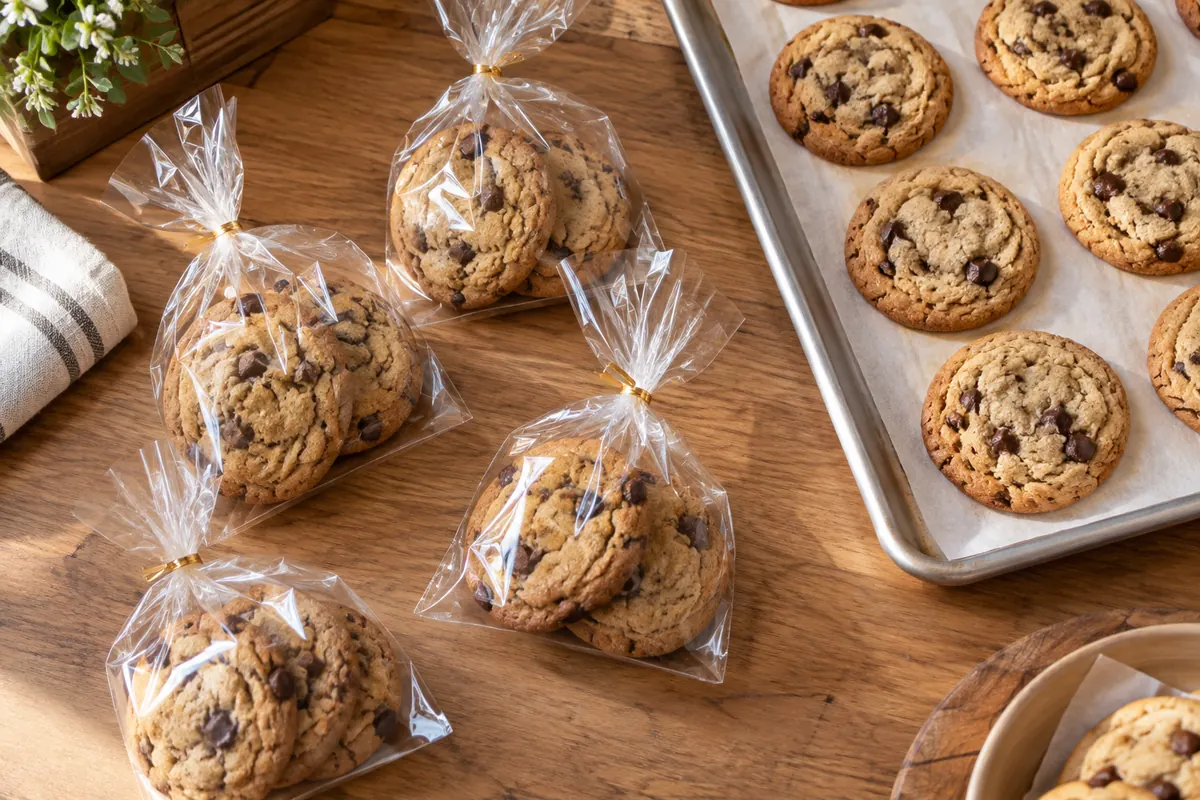
Our standard flat and gusseted poly bags are listed as 100% virgin, high clarity polyethylene film. Virgin resin gives consistent thickness, clarity and seals, which is why it is preferred for food contact and clean parts.
For the sharpest presentation, choose high clarity polypropylene. The listings describe these bags as moisture, grease and vapor resistant and as meeting FDA and USDA specifications for food contact. They come flat (seal with a crimp hand sealer), with a pinch-track zipper, or with a peel-and-seal adhesive flap — for example the 11 x 17 in. 1.5 mil resealable polypropylene bags, which need no heat sealing.
Rule of thumb: polyethylene for protection and toughness, polypropylene for clarity and shelf appeal.
Shop by material: flat polypropylene bags, reclosable polypropylene bags, resealable polypropylene bags or the full high clarity polypropylene range.
Flat vs Reclosable vs Gusseted vs Poly Tubing
The bag style decides how you fill it, close it and store it.
| Style | How it closes | Strengths | Choose it when |
|---|---|---|---|
| Flat poly bags | Tape, twist tie or impulse sealer | Lowest cost per bag, widest size range (1 to 8 mil) | Items go in once and stay sealed |
| Reclosable (zipper) bags | Single or double track zipper | Reusable, fast to open and close, keep contents clean and dry | Parts kits, samples, retail, anything reopened |
| Resealable (adhesive flap) | Peel-and-seal strip | Clean presentation, no sealer needed | Retail packaging, apparel, printed pieces |
| Gusseted bags | Tape, tie or heat seal | Expand into a box shape for bulky items | Box liners, bedding, apparel bundles, odd shapes |
| Poly tubing | Heat seal both ends | Any length from one roll; no inventory of sizes | Long, odd or variable-length products |
| Bags on a roll | Tape, tie or sealer; pre-opened | Perforated tear-off; feeds automatic baggers | High-volume hand packing or automated bagging |
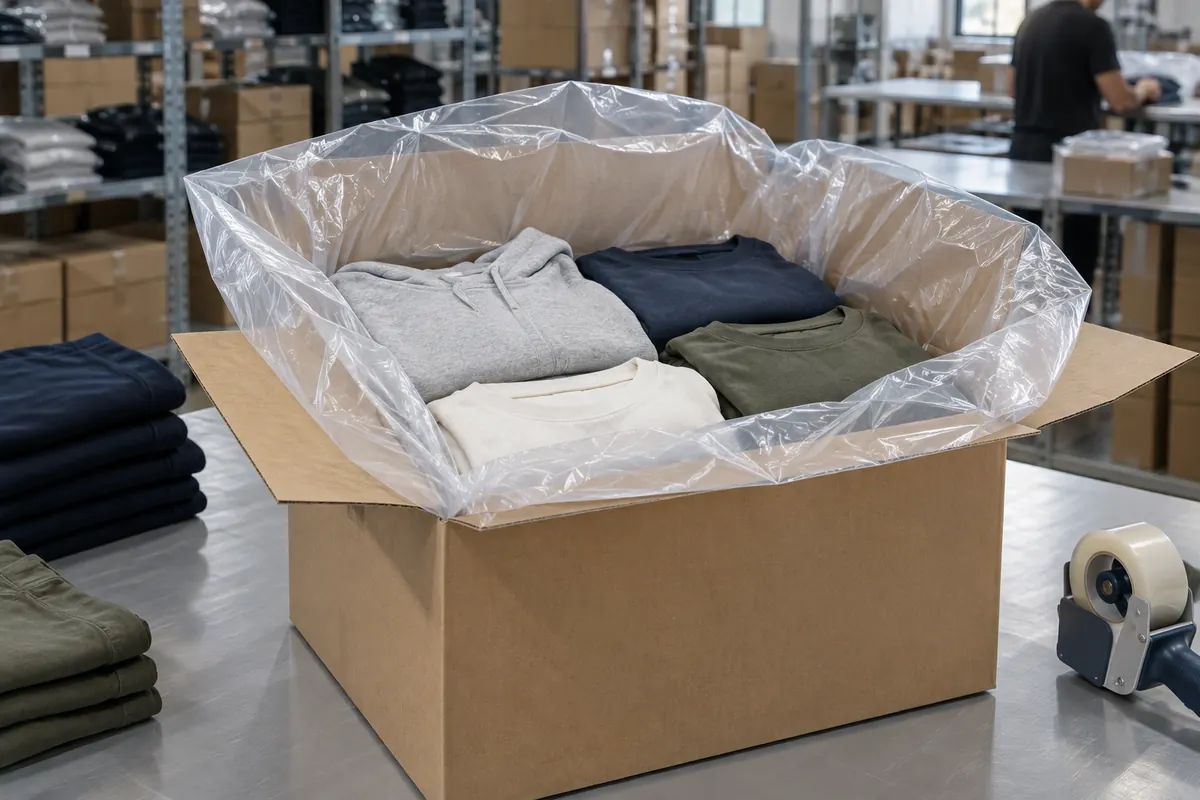
1 mil gusseted bags are a favorite for bulky soft goods and as box liners. The listings describe expandable sides and a fitted bottom that make packing bulky or irregular items easier, and they give sizes as inside usable space, written as width x gusset x length — a 16 x 14 x 24 in. 1 mil gusseted bag opens to a 16 x 14 in. footprint and stands 24 in. tall.
Step up to 2 mil gusseted bags for heavier fills or rougher handling, such as the 20 x 18 x 30 in. 2 mil gusseted poly bags. Like flat bags, gusseted bags are listed as meeting FDA and USDA specifications and close with twist ties, bag tape or an impulse sealer.
2 Mil Reclosable Bags: The Workhorse Zipper Bag
If you are only going to stock one reclosable bag, 2 mil is usually it.
2 mil reclosable bags hit the balance most shippers want: tough enough for parts, samples and kits, flexible enough to pack quickly and inexpensive enough to use by the thousand. The MH-USA 2 mil reclosable poly bags have a single-track zipper across the full width, keep products clean and free from moisture, can be reused and are listed as meeting FDA and USDA requirements. Sizes are the inside usable dimensions, so measure your item and add a little room for the zipper and fingers.
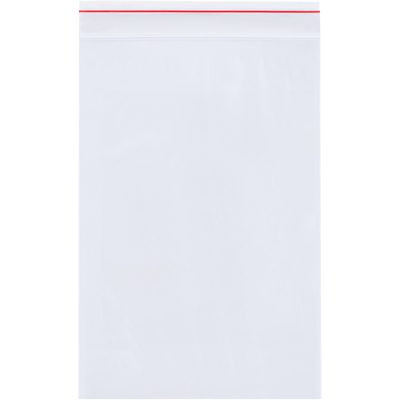 9 x 12" – 2 Mil Minigrip® Reclosable Poly Bags (1000/Case)$115.80 · View product →
 MH-USA 11 x 17" – 1.5 Mil Resealable Polypropylene Bags (1000/Case)$108.24 · View product →
Also available: all 2 mil reclosable bags, 9 x 12 in. 2 mil reclosable bags in a 100-pack, Minigrip 2 mil and the full reclosable bag range, including double-track, hang-hole and white-block styles.
4 Mil and 6 Mil: When Heavy-Duty Bags Pay for Themselves
Upgrade thickness to prevent the failures that cost you: punctures, split seams and lost parts.
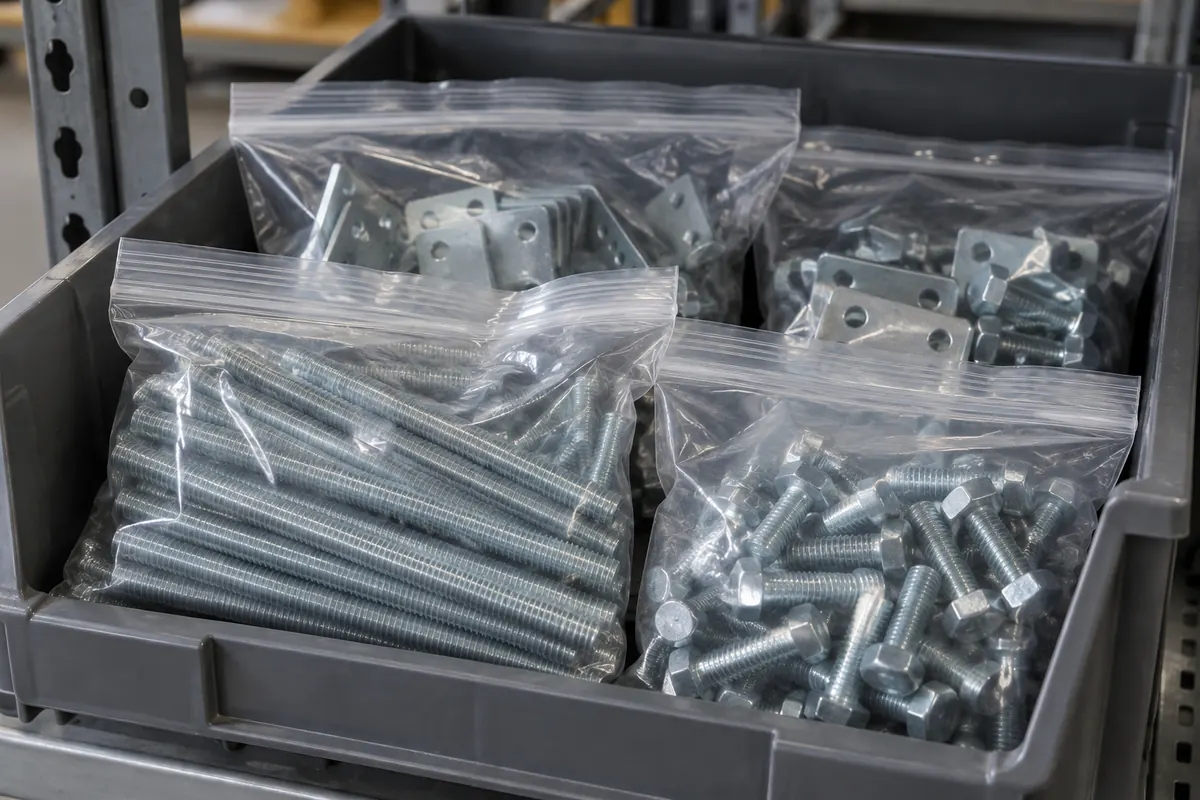
Choose 4 mil when a bag carries real weight — a handful of fasteners, a tool, a machined part — or when bags sit in bins for months and get handled repeatedly. Choose 6 mil when contents have points or threads that can work through thinner film, or when a bag will be reopened and refilled many times.
- 9 x 12 in. 4 mil reclosable — heavy kits and tools
- 9 x 12 in. 6 mil reclosable — listed as puncture resistant
- 9 x 12 in. 4 mil flat — heavy parts sealed once
- 8 mil reclosable — the thickest stock zipper bags
For very heavy loads, a thicker bag inside a stronger box beats an ever-thicker bag; see our box strength guide for the carton side of the equation.
Want to see heavy reclosable bags in real use? Beau Distribution reorders 6 mil reclosable poly bags for corrosion-control products, and Blink Supplies buys 8 mil reclosable bags with kraft paper for the customers it ships to. To compare every bag style, thickness and size with live prices, see our poly bags by type and size page.
Poly Tubing: 1.5 Mil Poly Tubing vs a 2 Mil Poly Tubing Roll vs 4 Mil
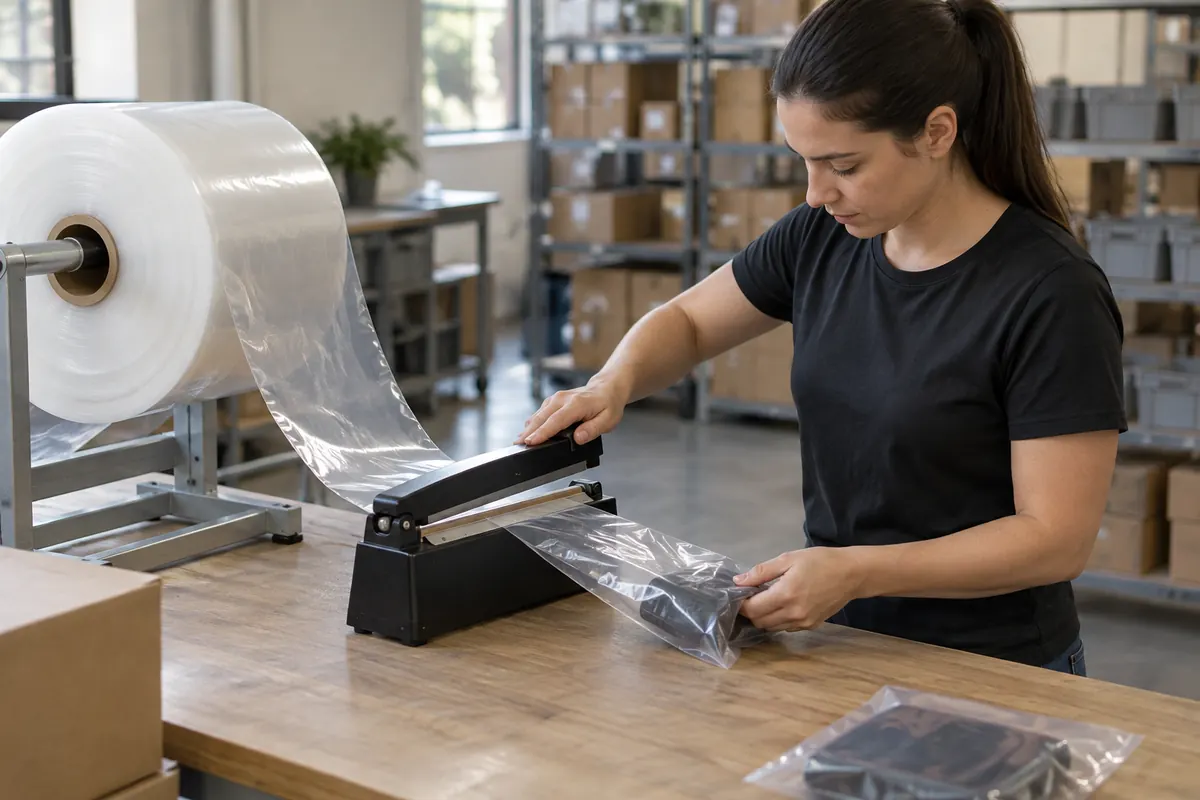
Make a custom bag in seconds: cut to length, insert the product, heat seal both ends.
Poly tubing is a continuous, seamless sleeve of film on a roll. The listings sum it up: the luxury of a custom fit poly bag and the flexibility of a wide variety of bag sizes without the inventory expense. It is ideal for long items (rods, trim, rolled goods) and for shops that pack many different lengths.
Thickness changes how much tubing is on a roll. In the 12 in. width, a 1.5 mil poly tubing roll holds 2,900 ft, a 2 mil poly tubing roll holds 2,150 ft and a 4 mil roll holds 1,075 ft — exactly half the 2 mil length. Pick the thinnest film that protects the product and you get more bags per roll.
Seal tubing with an impulse sealer; its adjustable timer handles a range of thicknesses. A tubing dispenser keeps the roll at the bench.
| Thickness | Width | Roll length | Roll price | Product |
|---|---|---|---|---|
| 1.5 mil | 12 in. | 2900 ft | $155.32 | View → |
| 2 mil | 12 in. | 2150 ft | $143.25 | View → |
| 4 mil | 12 in. | 1075 ft | $143.25 | View → |
Online prices when this guide was last updated. Widths from 2 in. to 48 in. are listed; shop 1.5 mil, 2 mil, 4 mil and 6 mil poly tubing.
 MH-USA 12" Impulse Sealer$128.21 · View product →
FDA and USDA Food Contact: What the Listings Say
Food contact depends on the specific bag, so check the product listing, not just the bag type.
| Bag line | What the listing states |
|---|---|
| Flat poly bags (1 to 4 mil) and gusseted bags | Meets FDA and USDA specifications; 100% virgin, high clarity polyethylene (flat bags) |
| Standard reclosable bags (2, 4 and 6 mil) | Bags meet FDA and USDA requirements |
| Minigrip® 2 mil reclosable | Meets FDA and USDA specifications for food contact |
| High clarity polypropylene (flat, reclosable, resealable) | Meets FDA and USDA specifications for food contact; moisture, grease and vapor resistant |
| Poly bags on a roll | Manufactured from 100% virgin film; FDA and USDA approved |
| Pink anti-static bags | No food-contact statement — use them for electronics, not food |
Food-contact compliance covers the film; it does not make a bag suitable for every food or process. Hot fills, cooking, freezing and long-term storage each have their own requirements, so confirm your application with your food safety plan. For retail and marketplace sellers, also check whether your channel requires suffocation warning bags for larger bag openings.
Anti-Static Poly Bags: Pink Poly vs Static Shielding
Pink anti-static bags and metallized shielding bags solve different problems.
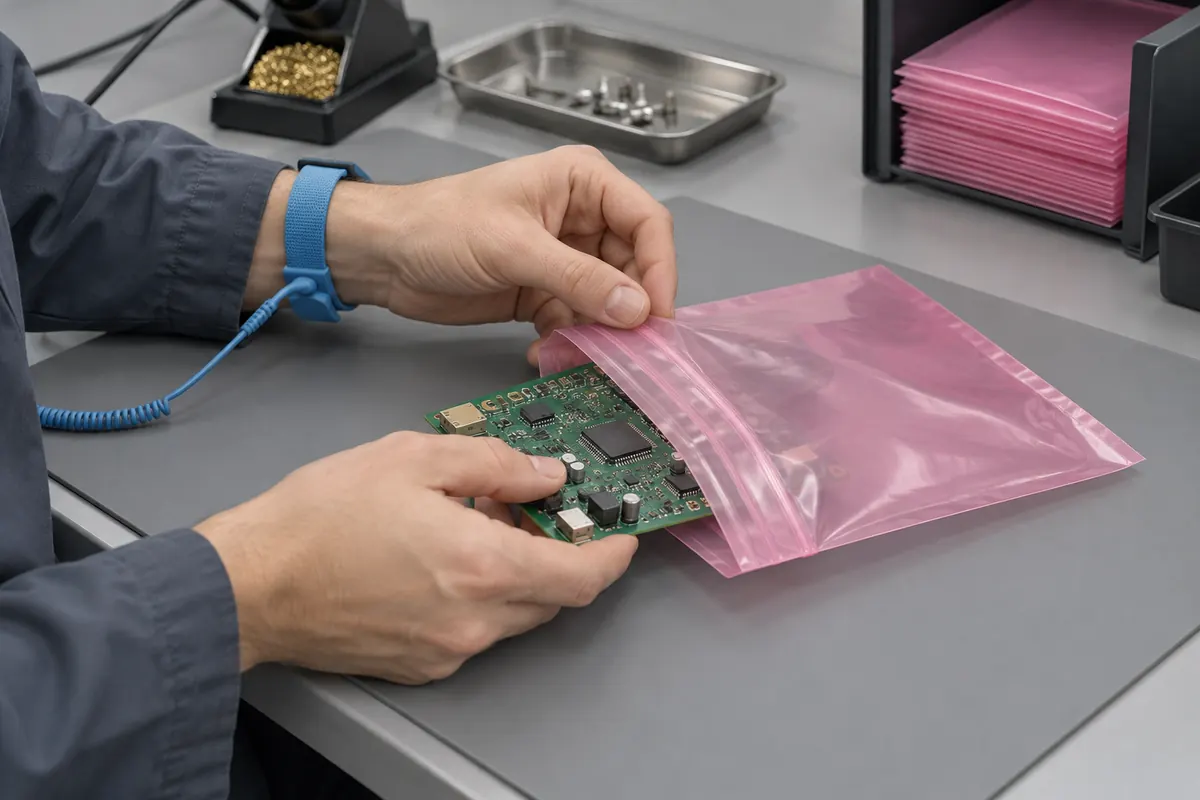
Pink anti-static bags are made from pink, anti-static polyethylene film. They keep the bag itself from building up a static charge as it is handled, and they protect parts from dirt, dust and moisture. They are the everyday choice for packaging that will be near electronics, foam and plastic parts that attract dust.
Static shielding bags go further, with a metallized layer that shields the contents from an external discharge. Use static shielding bags for sensitive boards and components, and follow your ESD control program. Pink poly comes in reclosable, flat and tubing forms in 2, 4 and 6 mil, and the same thickness logic applies: 2 mil for light items, 4–6 mil for heavier or sharper parts.
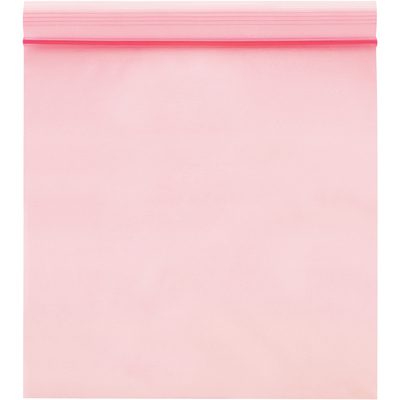 MH-USA 9 x 12" – 4 Mil Anti-Static Reclosable Poly Bags (1000/Case)$186.80 · View product →
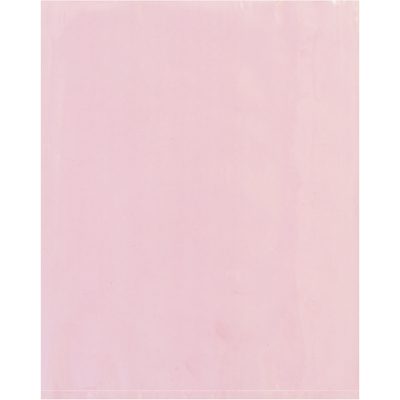 MH-USA 9 x 12" – 2 Mil Anti-Static Flat Poly Bags (1000/Case)$66.57 · View product →
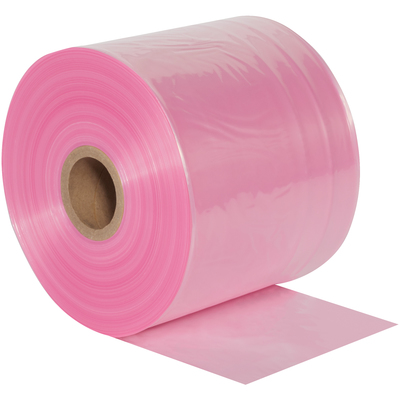 MH-USA 12" x 2150' – 2 Mil Anti-Static Poly Tubing (2150'/Roll)$168.40 · View product →
Poly Bag Selection Checklist
Answer these and the right bag usually picks itself.
Measure the item
Use inside usable dimensions; allow room for the closure and for fingers or a scoop when filling.
Weigh it and check edges
Light and smooth: 1–2 mil. Heavy: 4 mil. Sharp, pointed or threaded: 6 mil or more.
Pick the closure
Reopened? Reclosable. Sealed once? Flat bag plus tape, tie or impulse sealer. Variable length? Poly tubing.
Confirm compliance
Food contact, anti-static or suffocation-warning needs come from the product listing, not the bag type.
- Garments, linens, soft goods: 1 mil gusseted bags or 1–1.5 mil flat bags
- Parts, samples, kits: 2 mil reclosable bags
- Long or variable-length items: 2 mil poly tubing roll (or 1.5 mil poly tubing for light items)
- Tools and heavy hardware: 4 mil; sharp parts: 6 mil
- Food and retail display: high clarity polypropylene or FDA/USDA-listed polyethylene
- Electronics: pink anti-static or static shielding bags
Get a free quote
Tell us what you are storing, the room size and your timeline. A project specialist will follow up with layout options and pricing. Prefer to talk? Call (800) 326-4403.
Poly Bag Thickness: FAQ
What is the difference between 1 mil and 2 mil poly bags?
How thick is a 2 mil bag?
Are 2 mil reclosable bags strong enough for shipping?
When should I use 4 mil bags?
What are 1 mil gusseted bags used for?
What is the difference between poly tubing and poly bags?
Is polypropylene better than polyethylene?
Are your poly bags food safe?
Do anti-static bags protect electronics from ESD?
Related Packaging Guides & Pages
Bags, Guides & Supplies
Need Help Choosing a Poly Bag?
Tell us what you are bagging, its size and weight, and how it ships. We will recommend a thickness and style and quote case or pallet pricing with freight.