
Apartment Package & Parcel Lockers for Multifamily Properties
Smart package lockers that let every carrier drop off and every resident pick up on their own schedule — sized to your community, supplied and installed by an authorized DC Locker dealer.
Authorized DC Locker dealer · Nationwide delivery & installation · (800) 326-4403
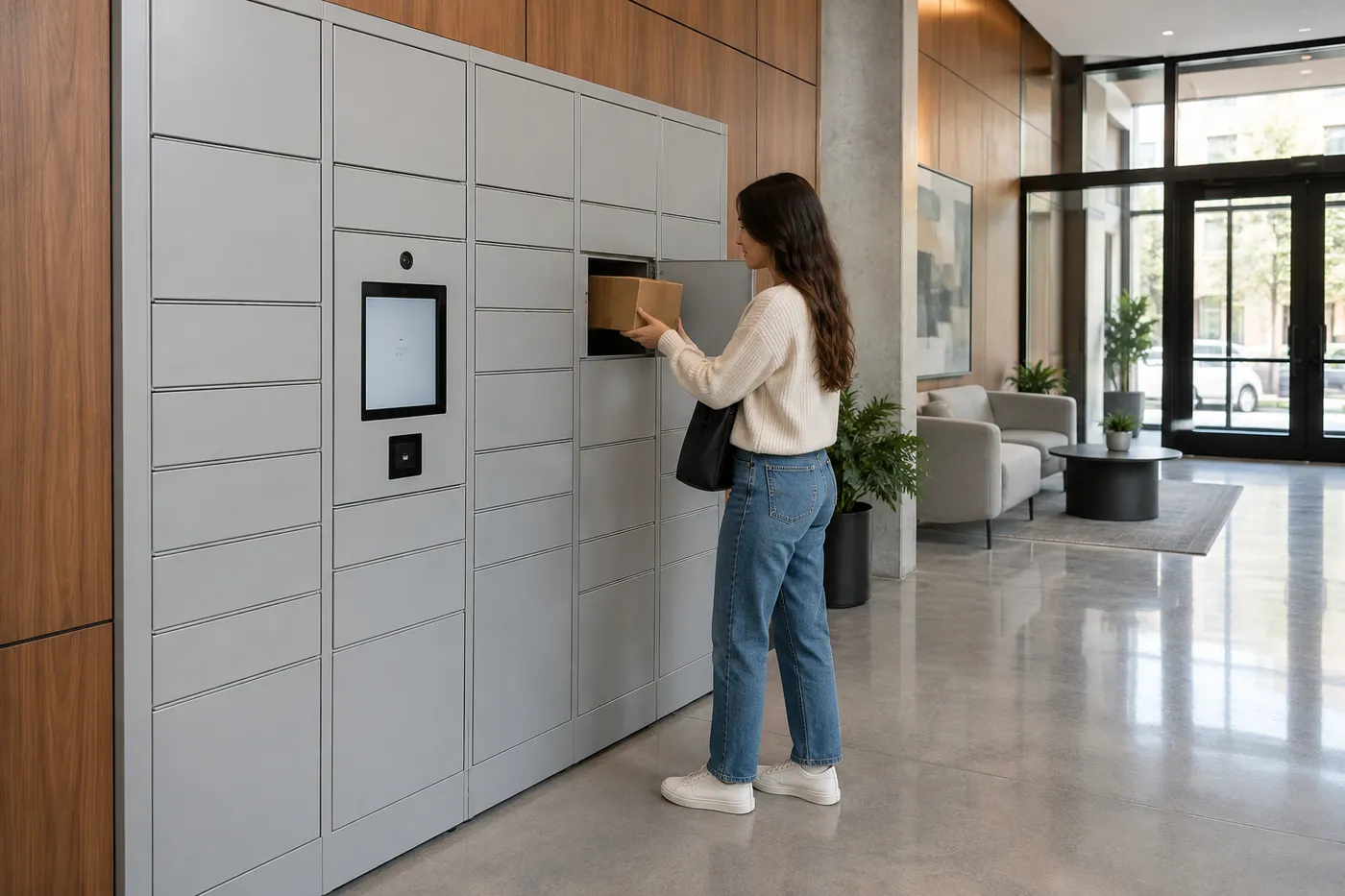
24/7
Resident pickup
QR · RFID
Code or fob access
IP54
Outdoor-rated option
Cold doors
Groceries & meal kits
What Apartment Parcel Lockers Do for a Property
A smart package locker turns a pile of boxes behind the leasing desk into a self-service handoff with a record of every drop-off and pickup.
Online orders arrive all day, from several carriers, in every size from padded envelopes to flat-packed furniture. When the leasing office signs for them, staff become a shipping department: logging boxes, finding shelf space and paging residents who can only come by after the office closes.
An apartment parcel locker breaks that chain. The courier logs in at the kiosk, picks a compartment that fits, and closes the door. The resident gets a pickup code and opens that one door whenever it suits them. The software records who delivered what, when it was collected, and which parcels are still waiting.
- Fewer packages handled by leasing and maintenance staff
- After-hours pickup without a staffed desk
- A time-stamped record for every parcel
- Less clutter in lobbies, corridors and offices
Material Handling USA is an authorized dealer for DC Locker smart lockers. Multifamily housing is one of many places those lockers work — the same platform runs office mailrooms, retail pickup, libraries and campuses — so for every other application start at our Smart Locker Systems hub. This page covers buying smart package lockers for apartments, condos, student housing and other multifamily buildings. It does not cover USPS mailboxes or cluster box units, which follow separate postal rules. For background on package-room operations, see our guide to smart locker systems for apartment package rooms.
Package Room vs. Front Desk vs. Smart Lockers vs. Platform Lockers
There are four common ways to handle resident deliveries. Many communities combine two of them.
| Question | Package Room (shelving + access control) | Front Desk / Concierge | Smart Package Lockers (owned) | Platform-Run Lockers (e.g. Amazon Hub Apartment Locker) |
|---|---|---|---|---|
| Who places each parcel | Carrier or staff, on open shelves | Staff sign for and store every parcel | Carrier, into an assigned door | Carrier, into an assigned door |
| Resident pickup | Whenever the room is open to their credential | Only during desk hours | 24/7 with a code, card or app | Per the program’s app and rules |
| Record of custody | Depends on cameras and logging | Manual log | Automatic log of every drop-off and pickup | Kept in the platform’s system |
| Staff time | Moderate (sorting, cleanup) | Highest | Lowest once running | Low |
| Groceries / cold items | Not without refrigeration | Only if the desk has a fridge | Refrigerated or freezer doors can be added | Check the program terms |
| Oversize parcels | Easy, if space allows | Easy, if space allows | Oversize doors plus an overflow plan | Check the program terms |
| Who controls hardware, software and data | The property | The property | The property (configuration chosen per site) | The platform provider |
| Best fit | Large volume, mixed sizes | Full-service buildings with staffed desks | Most communities wanting self-service and control | Owners comfortable with a provider’s program |
Why many properties end up with a hybrid
Lockers handle the everyday flow of small and medium boxes; a secured room or a few shelves behind a card reader catch furniture boxes, bikes and the holiday surge. That combination keeps the locker bank from being sized for the worst day of the year. If you already have a package room, our package room shelving page covers the shelving side. Platform-run programs can suit some owners; review who owns the hardware, the resident data and the service terms before signing, and compare that with buying a system you control.
How Delivery and Resident Pickup Work
The same four steps run on every carrier, every day, without anyone at a desk.
Carrier logs in
The courier scans a barcode or enters a carrier code at the touchscreen and picks a compartment size that fits the parcel.
Parcel goes in
The door opens, the courier loads the box and closes it. The system ties that door to the resident’s account.
Resident is notified
A pickup code or QR code goes out by text, email or app, depending on how the system is set up.
Resident collects
The resident scans the code, enters a PIN or taps a card, and only that door opens. The pickup is logged.
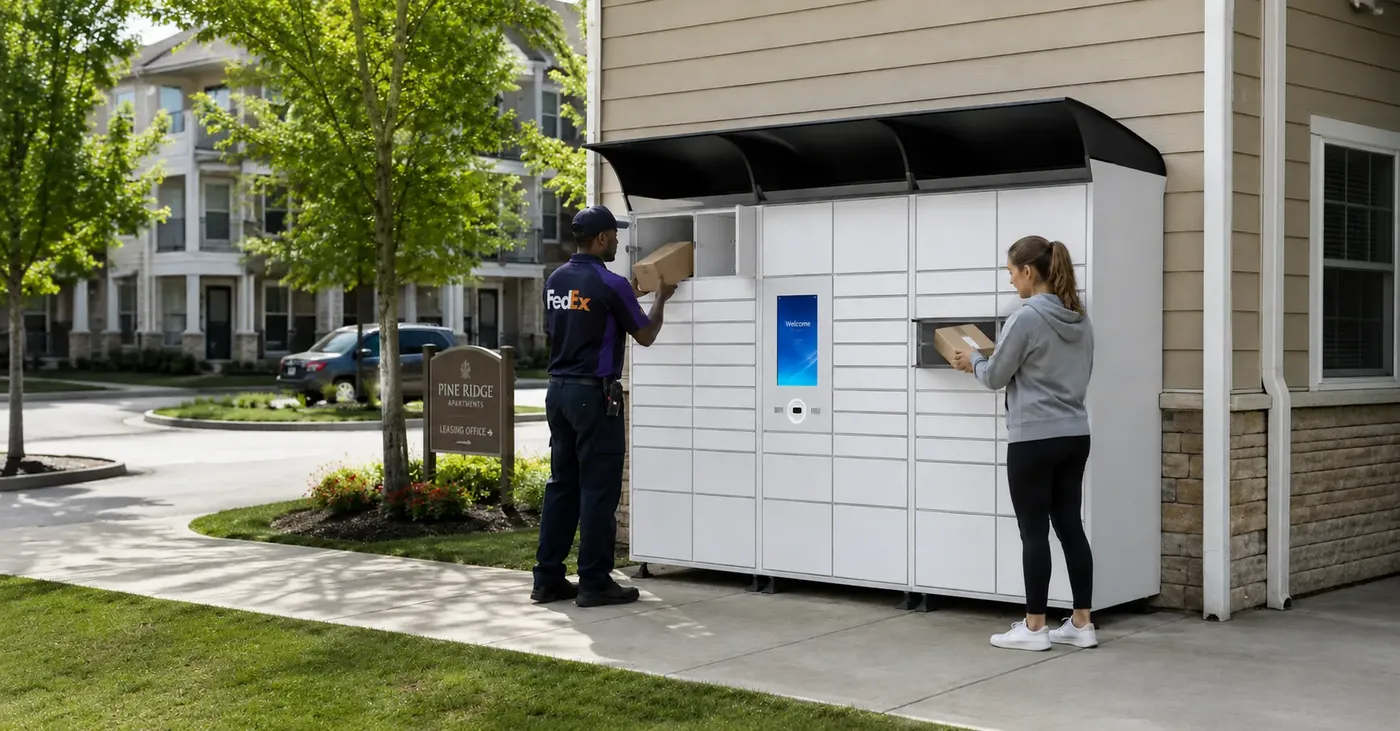 Carrier AccessCouriers need two things: a way to reach the lockers and a way to use them. Outdoor or lobby-vestibule banks avoid giving carriers building access. Indoor rooms need a carrier credential on your access-control or intercom system.
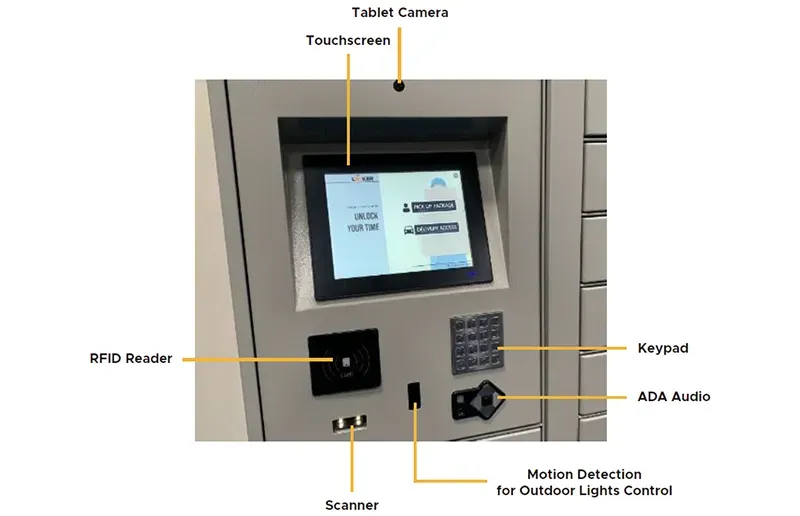 Resident CredentialsDC Locker kiosks combine a touchscreen, barcode/QR scanner, RFID reader and camera. The RFID reader can accept community access cards, so residents can use the fob they already carry.
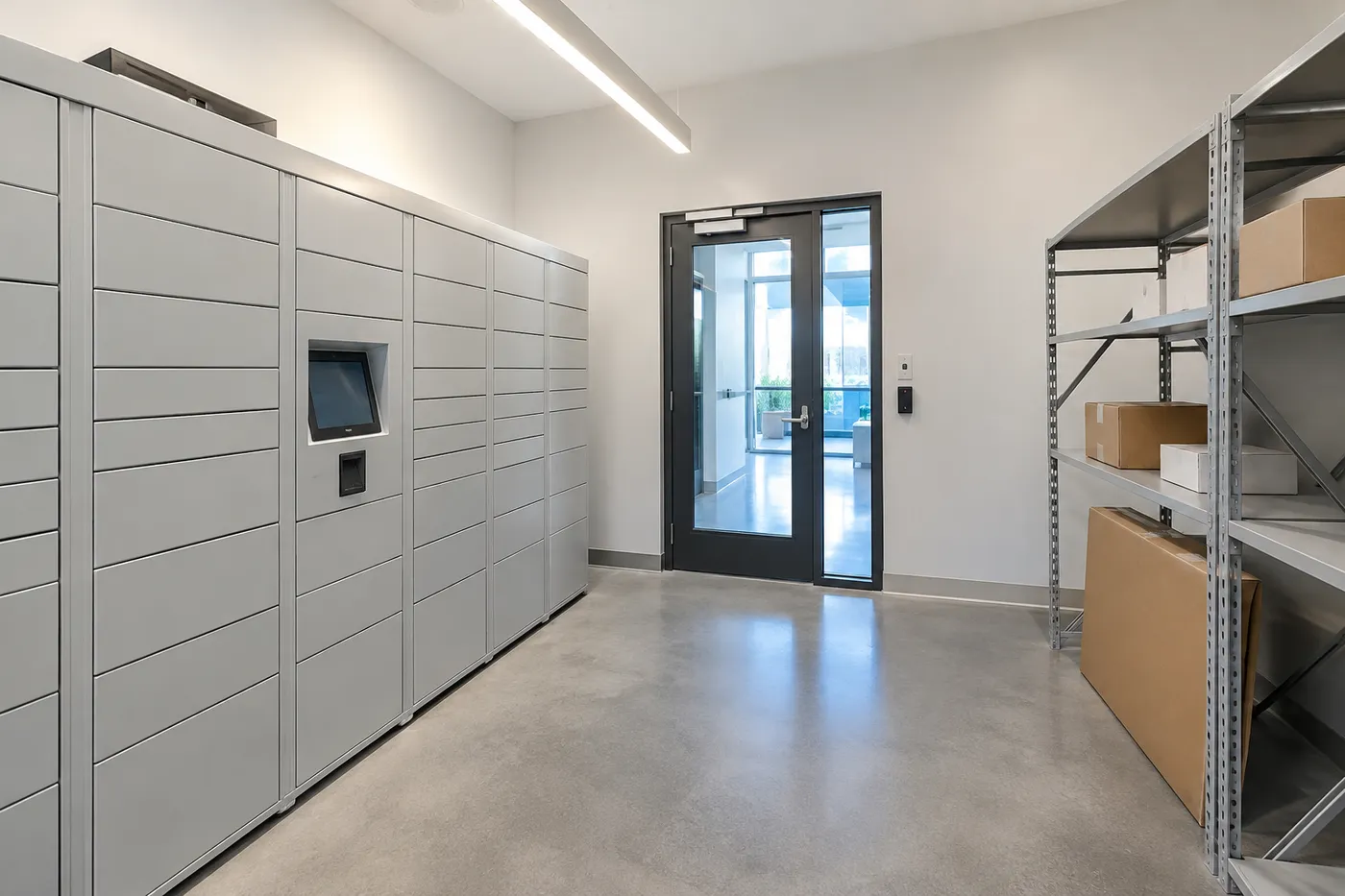 Overflow & Oversize HandlingWhen a parcel won’t fit or every door of a size is full, the courier needs a fallback: an oversize door, a secured overflow shelf behind a card reader, or a hand-off to staff.
DC Locker’s smart parcel locker supports QR code, face recognition and RFID access, an emergency unboxing function, and integration with third-party software (DC Locker Smart Parcel Locker). How a parcel gets matched to a resident — by courier entry, by resident roster, or through your property-management platform — is configured during setup. Our smart locker software guide covers hosting and integration questions.
Plan for USPS separately
USPS mail delivery to resident mailboxes follows postal rules and is not replaced by a private package locker. Ask your local postmaster how postal parcels for your property will be handled before you count them in the locker plan.
DC Locker Models for Apartments and Multifamily Buildings
Most multifamily projects use one main kiosk unit plus side units, with refrigerated or off-grid models added where they make sense.
| Model | Multifamily Job | Key Facts (per DC Locker) |
|---|---|---|
| UL Parcel Locker | Main package bank in a lobby, mailroom or covered exterior | UL certified and ADA compliant; 10.4″ or 21.5″ touchscreen; IP54; 1.5 mm cold-rolled steel; QR/barcode scanner, RFID reader, embedded camera; motion detection for outdoor lights |
| Smart Parcel Locker | Modular parcel bank for indoor or outdoor sites | Lock tested over 100,000 cycles; QR, face and RFID access; anti-corrosion coating; third-party software integration; standby power option |
| Smart Refrigerated Locker | Groceries, meal kits and pharmacy deliveries | Independent chilled compartments, temperature and humidity monitoring with fault alerts |
| Refrigeration/Freezer Locker 201/202 | Frozen and chilled food pickup | ETL certified to NSF 7; freezer, refrigerated, ambient and heating modes |
| Bluetooth Parcel Locker | Garages and areas with weak network signal | Phone unlocks by Bluetooth proximity; unlocking works offline, pickup data syncs when online |
| Solar Parcel Locker | Detached buildings and sites without a nearby circuit | Solar panel with battery storage and energy management for off-grid placement |
Main unit plus side units
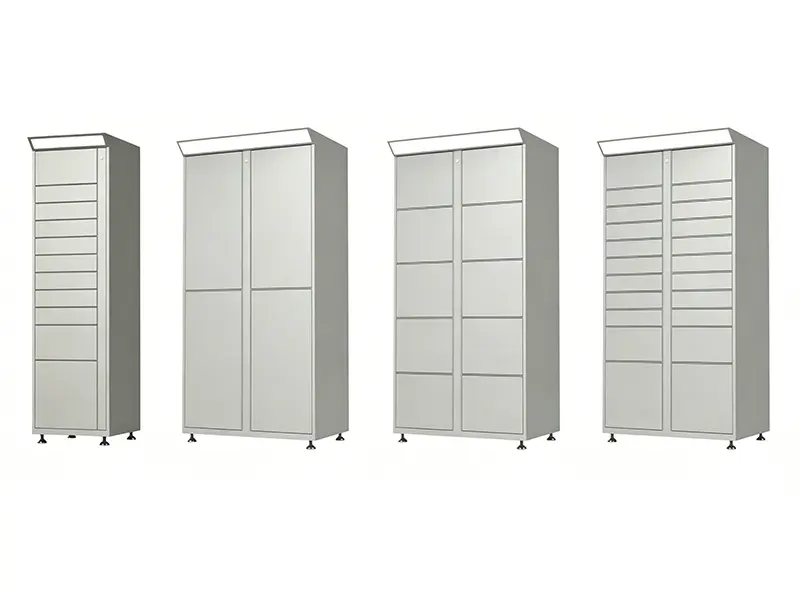
A UL parcel locker bank starts with a main unit that holds the kiosk. DC Locker lists a 6-door main unit about 21.7″ wide and a 17-door main unit about 39.4″ wide, both about 79.7″ tall and 25″ deep. Side units bolt on beside it in four styles, so a bank can grow as deliveries grow. Side-unit doors are about 17.5″ wide and 25″ deep, in the five heights below.
| Door size | Approx. height | Typical parcels |
|---|---|---|
| Small | 4.5″ | Envelopes, pouches, small padded mailers |
| Medium | 9.2″ | Shoe boxes, most everyday orders |
| Large | 14.7″ | Small appliances, multi-item orders |
| Extra large | 17.9″ | Larger cartons, cooler bags |
| Oversized | 37.2″ | Bulky boxes that would otherwise go to the office |
Dimensions: DC Locker UL Parcel Locker specification table (side-unit doors 17.5″ wide, 25″ deep). Final configuration is confirmed on your quote.

Steel, screens and outdoor ratings
For multifamily sites the details that matter most are the ones residents touch every day and the ones that keep a bank running outside. The UL parcel locker uses 1.5 mm cold-rolled steel, carries an IP54 ingress rating and can switch outdoor lights on by motion detection. The smart parcel locker adds an anti-corrosion coating, a reinforced door structure and a galvannealed finish option for rain and moisture.
Some common configurations are in stock at select manufacturers, subject to confirmation, which can shorten lead time; we confirm availability when we quote.
How Many Lockers Does an Apartment Building Need?
Unit count is a starting point, not an answer. Two buildings with the same number of units can receive very different numbers of parcels.
We size apartment parcel lockers from deliveries, not doors per unit. The math is simple once you have real numbers:
Doors needed ≈ parcels on a busy day × average days a parcel waits for pickup, plus headroom so the bank is never completely full.
Pickup reminders and a clear pickup window shorten the wait, which shrinks the bank. The size mix comes from measuring actual parcels for a couple of weeks: mostly envelopes and small boxes means many short doors; frequent bulky boxes means more oversize doors or an overflow shelf.

| Input | Why It Matters | Where to Get It |
|---|---|---|
| Parcels on a busy day | Sets the total door count | Front-desk logs or carrier counts in your peak season |
| Average pickup time | Longer waits need more doors | Desk logs, or the pickup policy you plan to enforce |
| Parcel size mix | Sets small/medium/large/oversize split | Two weeks of measuring incoming parcels |
| Cold deliveries | Decides on refrigerated or freezer doors | Grocery and meal-kit deliveries per week |
| Growth and lease-up | New buildings fill over time | Unit count at full occupancy, phases |
| Locations | Large sites may need two banks | Site plan, entrances, parking, building count |
Why peak season matters
In a published field study of a common-carrier locker in a 133-unit Seattle condominium, average packages delivered per day almost doubled between June and December 2020, from 23.9 to 46.1 (Ranjbari et al., Transportation Research Record, University of Washington Urban Freight Lab). Measure in your busy season, or plan overflow for it.
For a worked example and the full method, read our parcel locker system sizing guide. Because the bank is modular, a sensible plan is to install for today’s measured volume with the space, power and data in place for added side units later.
Refrigerated Lockers for Grocery and Meal Deliveries
Groceries and meal kits are where a plain parcel locker falls short: a cooler bag left in a warm compartment all afternoon is a problem.
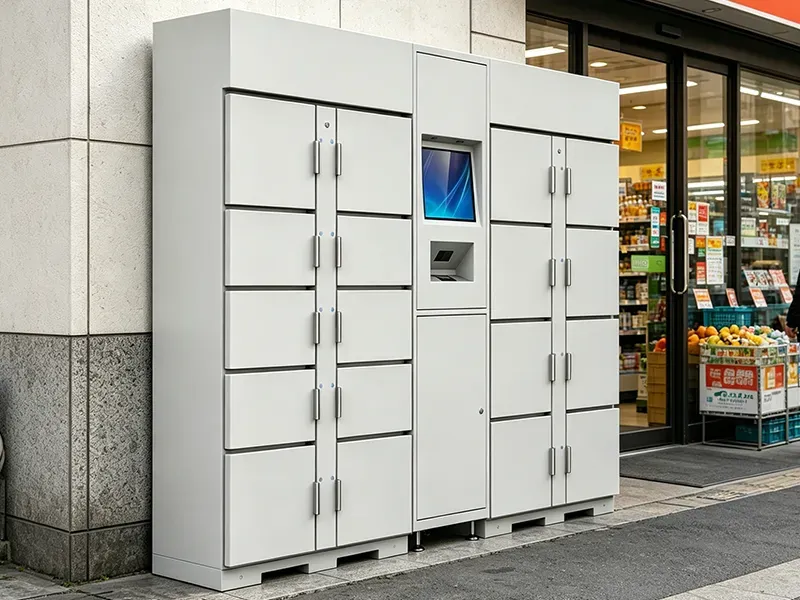
DC Locker offers temperature-controlled units that sit alongside a parcel bank. The Smart Refrigerated Locker provides independent chilled compartments of about 52.5 L each, with listed ranges of 1–6 °C and 5–25 °C, temperature and humidity monitoring, and fault alerts. Separate compartments keep odors from mixing between orders.
The Refrigeration/Freezer Locker 201/202 is ETL certified to NSF 7 and runs in freezer (−7.6 to −1.5 °F), refrigerated (34–43 °F), ambient (41–77 °F) or heating (104–131 °F) mode, with a stainless steel liner.

Meal delivery and food orders
Restaurant and meal-delivery couriers want to drop and go, and residents want hot or cold food waiting safely instead of on a lobby bench. A small food or refrigerated bank near the main entrance keeps those orders out of the parcel flow.
- Dedicated circuit for refrigerated units (confirmed by your electrician)
- Ventilation clearance per the unit’s installation guide
- Pickup reminders so cold orders don’t sit
See refrigerated food lockers for more.
Indoor, Outdoor or Garage: Where to Put the Lockers
Placement decides how couriers reach the lockers, how residents feel using them at night, and what power and network the site needs.
| Location | Strengths | Watch For |
|---|---|---|
| Lobby or mailroom | Climate controlled, on residents’ daily path, easy power and data | Carrier building access, floor space, door swing into walkways |
| Secure package room | Locker bank plus overflow shelving behind one credential | Carrier credential, camera coverage, ventilation for refrigerated units |
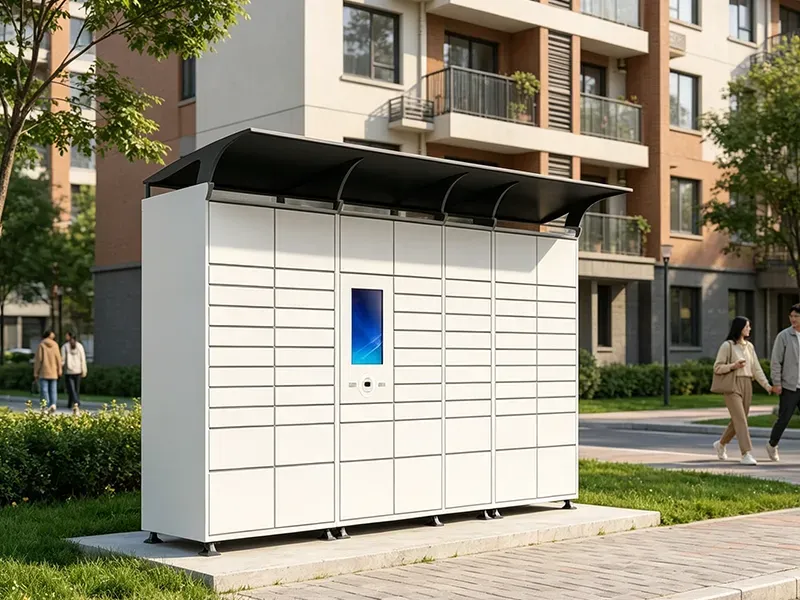
| Covered exterior or breezeway | No carrier building access needed | Weather rating, canopy, lighting, anchoring, sun on the screen |
| Parking garage | Close to where residents park | Network signal (Bluetooth models work offline), lighting, vehicle protection |
| Detached site or amenity building | Serves townhome and garden-style layouts | No nearby circuit (solar model), data connection, snow and drainage |
Garden-style and townhome communities
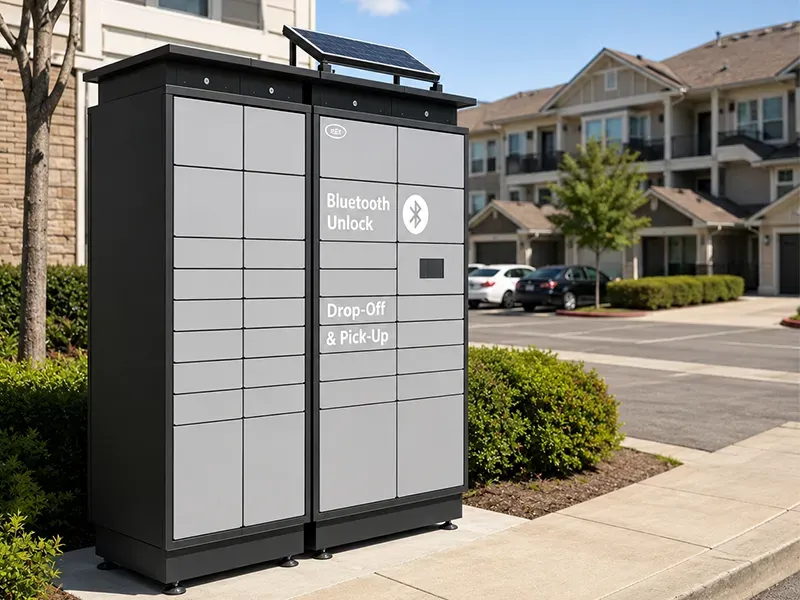
When buildings are spread across a site, one central bank by the clubhouse or main parking lot is usually easier for carriers than several small ones. If running power to that spot is expensive, the Solar Parcel Locker pairs a solar panel with battery storage, and the Bluetooth Parcel Locker unlocks by phone proximity even where the network signal is weak. Both still need a connection to sync pickup data.
Installation, Power and Data Checklist
Most locker delays come from the site, not the hardware. Settle these items before the order ships.

- Power: an outlet at the kiosk location; separate circuits for refrigerated units
- Network: Ethernet drop, building Wi-Fi or cellular — agreed with your IT or managed-network provider
- Floor: level slab or floor able to take the bank, with anchoring to floor or wall
- Clearances: open doors must not block corridors or exit routes; confirm with your architect or code official
- Lighting and cameras: good light at the screen and camera coverage of the bank
- Delivery path: door widths, elevators and stairs for setting the units
We review these items during the site survey and show them on the layout drawing, so the electrician and network installer can rough in before the lockers arrive. On new construction, add the locker bank to the drawings early so power and data land in the right place.
ADA Reach Ranges and Accessible Pickup
A locker bank is taller than anyone can reach comfortably, so accessibility comes down to which doors a resident is assigned and how the kiosk is placed.
DC Locker lists its UL parcel locker as ADA compliant, and DC Locker’s kiosk component diagram labels an ADA audio feature. Upper doors above the reach range still work well for carrier drop-off and for residents who can reach them; ask for the software to assign lower doors to residents who request them, and we confirm that setting during configuration. Which accessibility rules apply to your property (ADA, Fair Housing Act design requirements, state and local code) is a question for your architect or code official.
How to Get a Quote for Apartment Package Lockers
Send what you have; we fill the gaps on a call or site visit.
Discovery
We review volumes, site photos, carrier access and how residents will be notified.
Layout
A drawing shows door mix, kiosk position, clearances, power and data, and any refrigerated units.
Quote
One itemized quote covers lockers, kiosk, software, freight and installation, with lead time.
Install & launch
Crews set and anchor the bank, connect it, load the resident roster and train staff.
We deliver and install nationwide from our Salt Lake City home office. Utah properties can also see Utah parcel lockers and Utah smart lockers. Looking for storage rather than deliveries? Resident storage cages and wire-mesh lockers are covered on our tenant storage lockers page.
Related Parcel Locker Guides
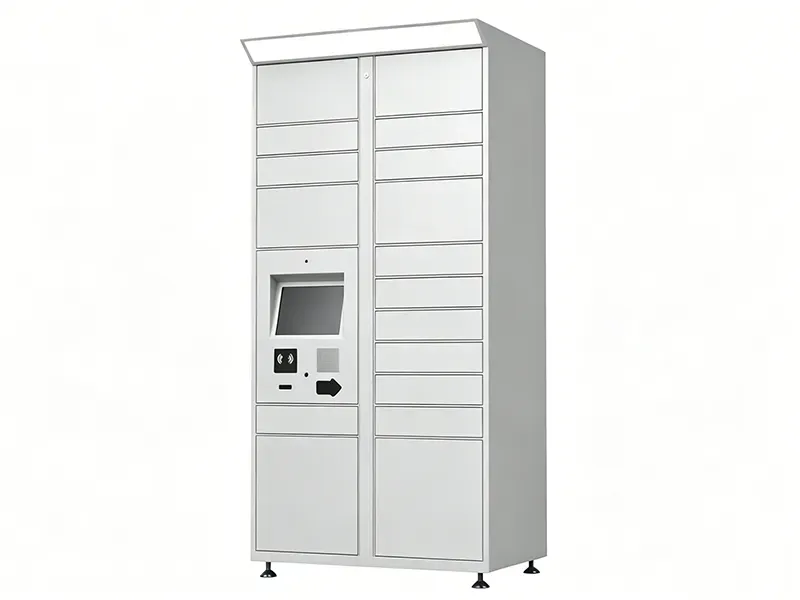 Parcel LockersParcel locker systems for offices, campuses, retail and residential buildings.
 Parcel Locker Sizing GuideA step-by-step method for door counts and compartment mix.
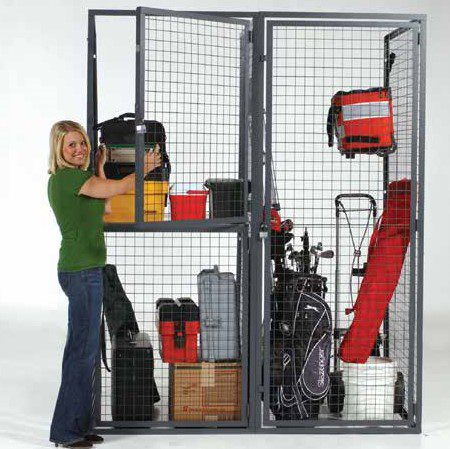 Tenant Storage LockersWire-mesh storage lockers and cages for resident storage rooms.
Back to the Smart Locker Systems hub for parcel, food, storage, charging and asset lockers across every application.
Shop Standard Steel Lockers Online
Our online store doesn’t sell smart lockers. These standard steel employee and storage lockers are priced and ready to order for resident storage rooms, fitness centers and maintenance shops. Smart locker systems are quoted per project — call (800) 326-4403.


Get a free quote
Tell us what you are storing, the room size and your timeline. A project specialist will follow up with layout options and pricing. Prefer to talk? Call (800) 326-4403.
Apartment Parcel Locker FAQs
What is an apartment parcel locker?
How many package lockers does an apartment building need?
Do all carriers use apartment package lockers?
Can apartment lockers hold groceries and meal kits?
What happens with oversized packages?
Can residents use their building fob to open the lockers?
Do package lockers integrate with property-management software?
Can parcel lockers go outdoors?
Are apartment parcel lockers ADA compliant?
Do you sell lockers in stock?
Planning Package Lockers for Your Property?
Send your unit count, delivery numbers and a few photos for a free layout and quote.