
SpeedCell High-Density Storage
SpeedCell converts pallet rack you already own into dense, each-pick storage — adding storage locations without adding building. Here is how the system works, where it beats shelving and carton flow, and how to tell whether it fits your SKU profile.

200 ft → 40 ft
Rack or shelving UNEX reports SpeedCell can compress
40–60%
Storage density increase published by UNEX
Up to 40%
Labor cost reduction published by UNEX
Existing
Your rack is reused, not replaced — no new building
The Problem SpeedCell Solves
Walk almost any distribution or parts operation and you will find the same waste: pallet rack bays
holding a handful of cases, or shelving units where each shelf holds one SKU and three quarters of the
cube is air. The rack is full by location count and nearly empty by volume.
That happens because traditional storage forces a trade. Pallet rack is dense for full pallets and
terrible for eaches. Static shelving gives you pick faces but wastes depth. Carton flow is fast but only
works for uniform cartons of fast movers. Most inventory is none of those things — it is a long tail
of medium and slow-moving items in mixed sizes.
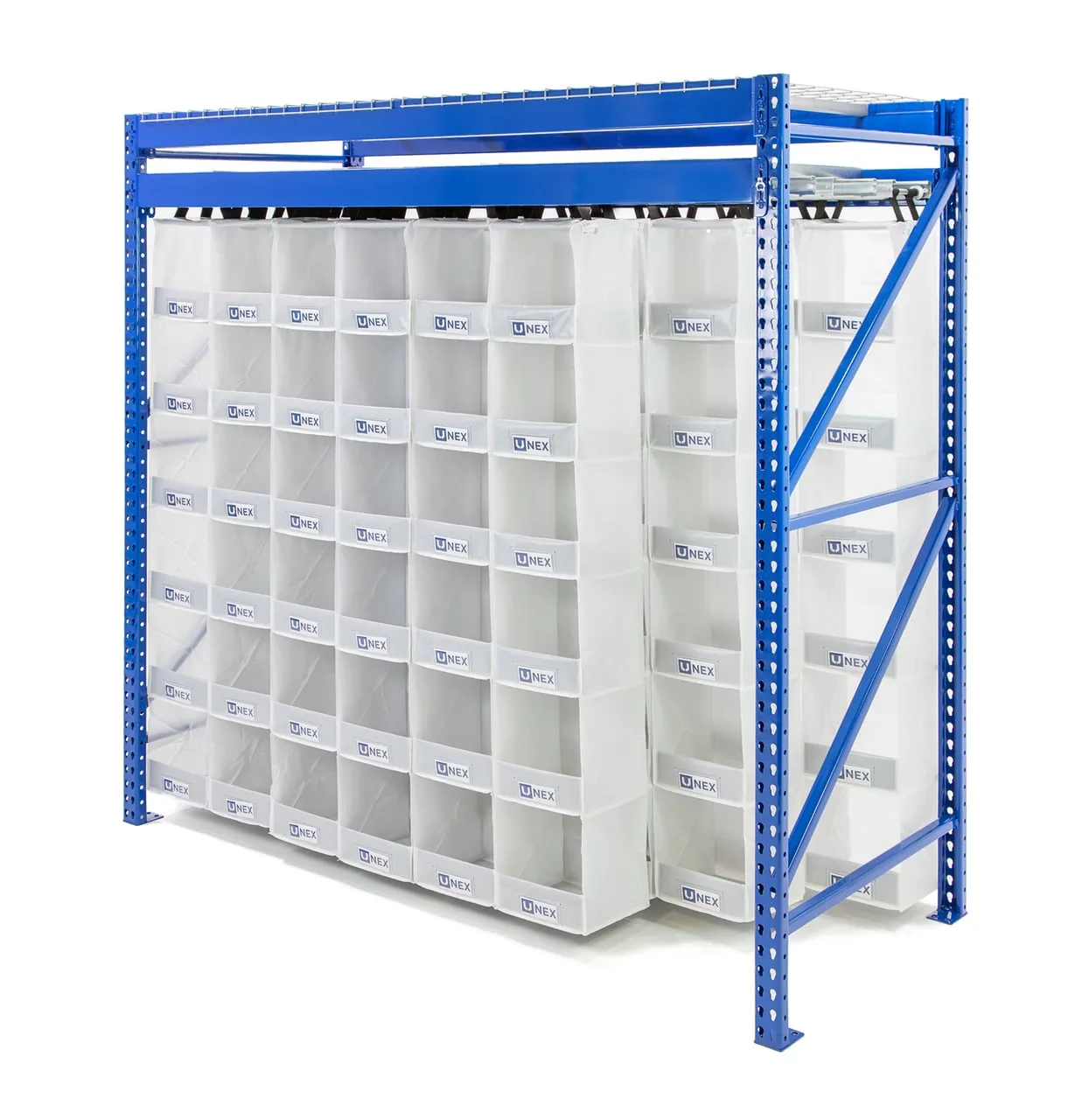
SpeedCell is a high-density storage system that subdivides an existing pallet rack bay into a
grid of individually accessible cells. Instead of one or two pick faces per bay, you get a
matrix of them, each sized to a real item rather than to a pallet footprint. The rack structure,
uprights, and beams stay exactly where they are.
The cheapest square footage in your building is the cube you already lease
Before you sign for another 20,000 square feet, count how much of your existing rack cube is genuinely occupied. In most facilities the slow-moving half of the SKU base is consuming far more footprint than the volume of goods actually requires. That is the space SpeedCell recovers — without construction, permits, or a lease.
How the System Works
Keep the rack
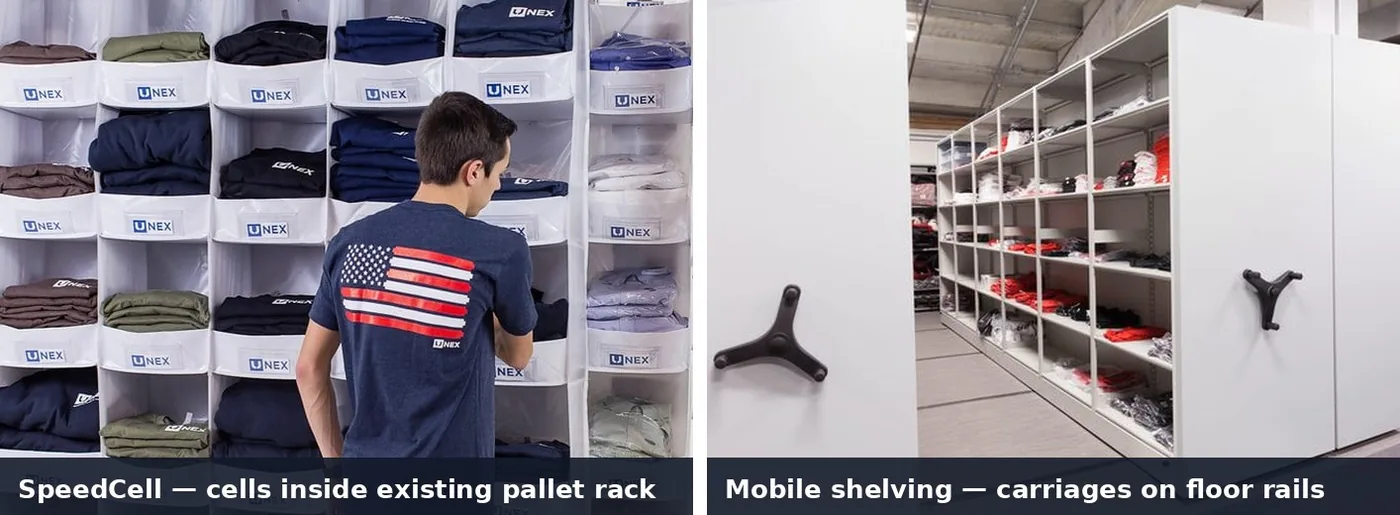
SpeedCell installs into standard teardrop or structural pallet rack bays. Uprights, beams, and footprint stay as-is, which is why the payback period is short compared with a new storage system.
Subdivide the bay
Each bay is divided into a grid of cells. Cell width, depth, and height are configured to the product families that will live there, so a bay can be all one size or mixed by level.
Pull the cell forward
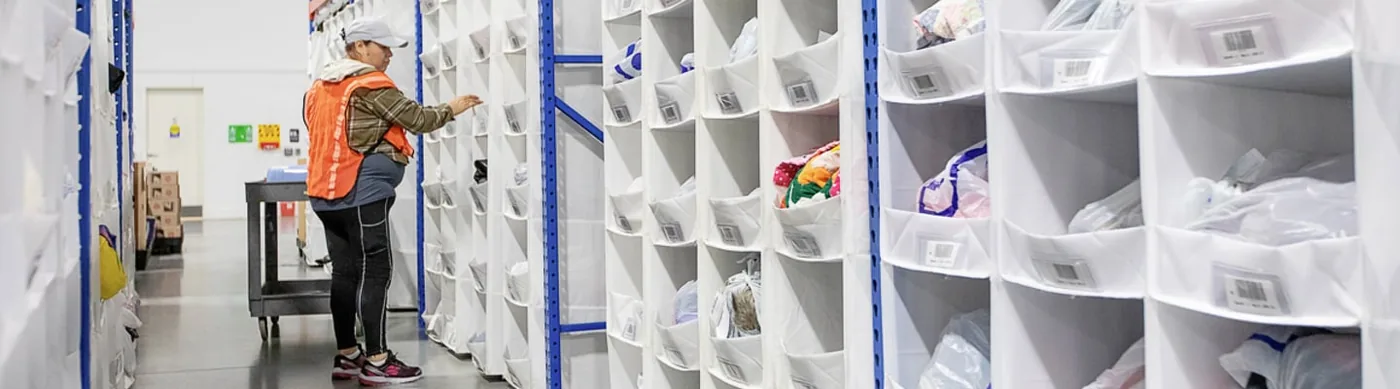
Rather than reaching into a deep, dark bay, the operator draws the individual cell toward the aisle. The item comes to the picker at the aisle face with full visibility into the cell.
Pick, verify, return
Because every cell is a discrete, labelled location, it maps cleanly to a WMS bin ID. Cycle counting becomes counting one cell instead of untangling a shared shelf.
Reslot as demand shifts
Cells are reconfigurable. When a SKU’s velocity changes, it moves to a different cell size or a different level rather than forcing a rebuild of the storage medium.
Why density goes up without slowing picking down
Conventional density strategies — deeper lanes, narrower aisles, double-deep rack — buy
space by making retrieval harder. Every one of them trades picks per hour for pallet positions.
SpeedCell takes a different route. The density gain comes from using depth that was already there
and previously unreachable, and the speed comes from bringing that depth to the aisle face rather
than sending the operator into it. Aisle widths stay the same. Lift equipment stays the same. The
operator’s travel path does not lengthen.
That combination is what makes it useful for the long tail: you get shelving-like accessibility at
something closer to deep-lane density.
Where SpeedCell Fits — and Where It Does Not
We would rather talk you out of the wrong system than sell you one. SpeedCell is very strong in a specific window and unnecessary outside it.
Strong fit
- High SKU count with a long tail of medium and slow movers
- Each-picking or inner-pack picking rather than full-case or full-pallet
- Product that is soft, flexible, bagged, bundled, or irregular
- Existing pallet rack in place that you would rather reuse than replace
- Facility at capacity with expansion or a second lease on the table
- Seasonal or promotional inventory that needs to be stored dense and reachable
- Operations where cycle-count accuracy is a persistent problem
Look elsewhere
- Very few SKUs at very high velocity — carton flow or pallet flow will beat it
- Full-pallet in, full-pallet out — stay with selective or drive-in rack
- Extremely heavy individual items better suited to structural rack or cantilever
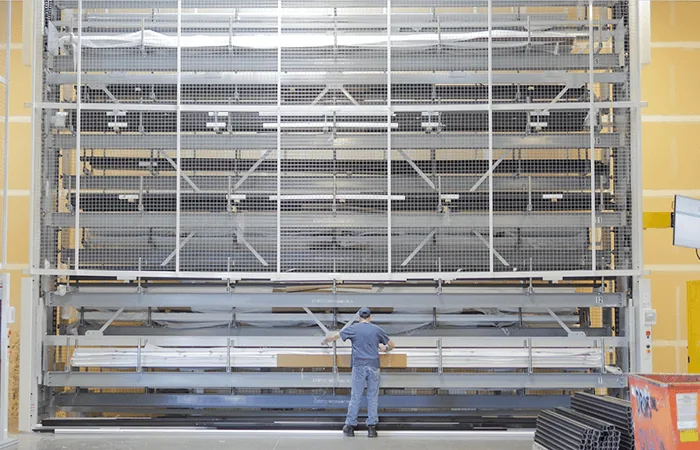
- Long material such as pipe, bar, and lumber — that is cantilever rack
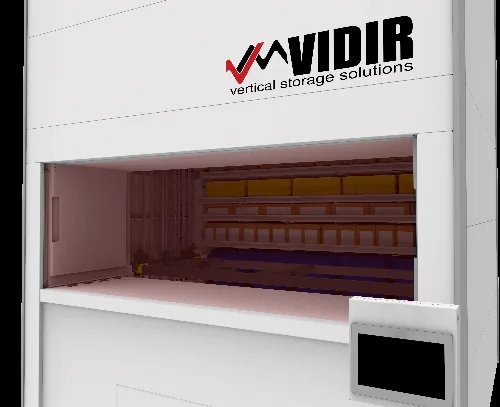
- Throughput high enough to justify automation — look at vertical lift modules or carousels
- Cold or wash-down environments with specific material requirements to verify first
SpeedCell vs. the Alternatives
| System | Density | Pick Speed | Best SKU Profile | Capital Approach |
|---|---|---|---|---|
| SpeedCell | High | High for eaches | Many SKUs, medium to slow velocity, mixed and irregular sizes | Retrofits existing rack — lowest cost per new location |
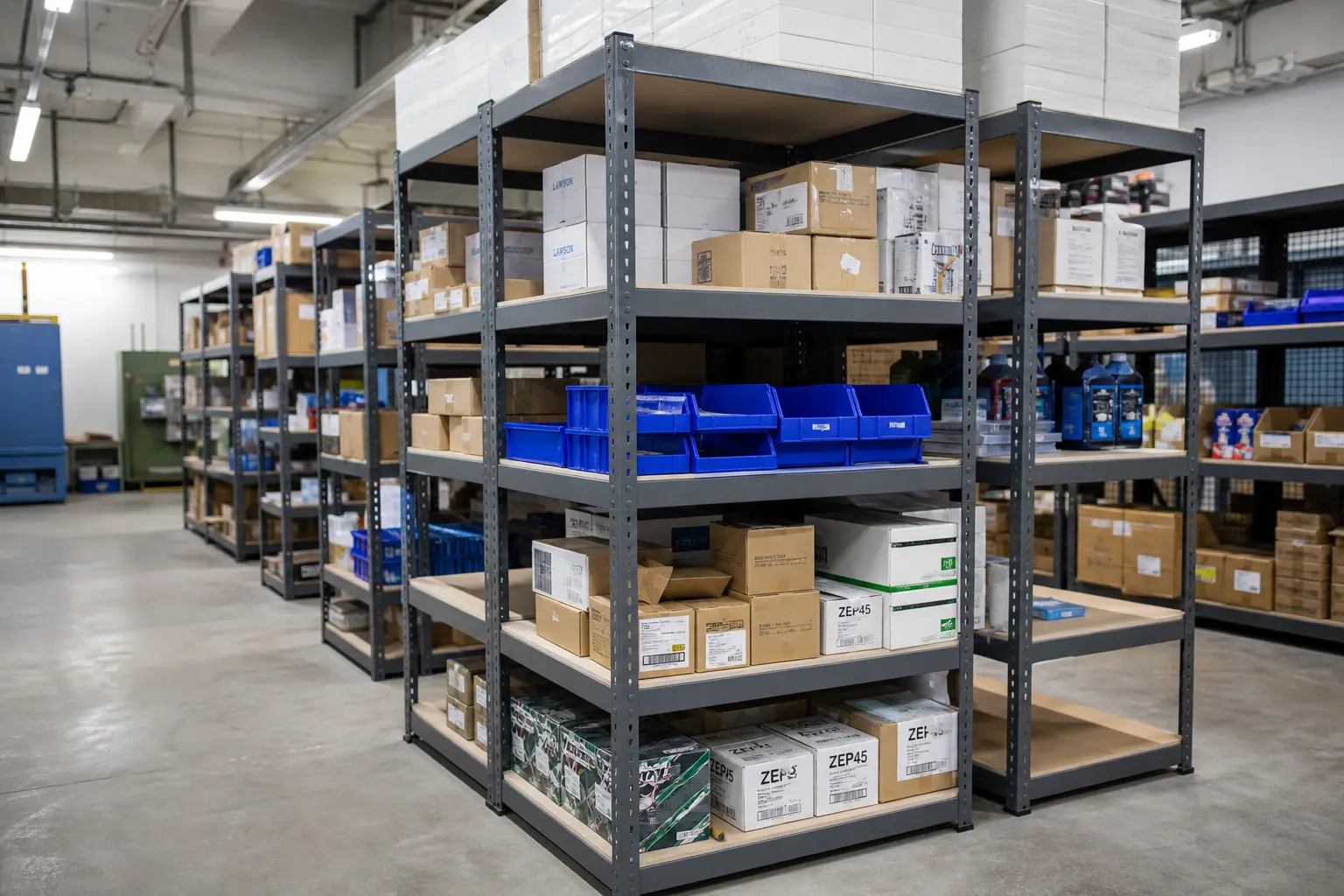
| Static steel shelving | Low | High | Small parts, low SKU count, low volume | Low unit cost, but consumes floor area quickly |
| Carton flow rack | Medium | Very high | Uniform cartons, fast movers, few SKUs | Moderate; requires uniform packaging |
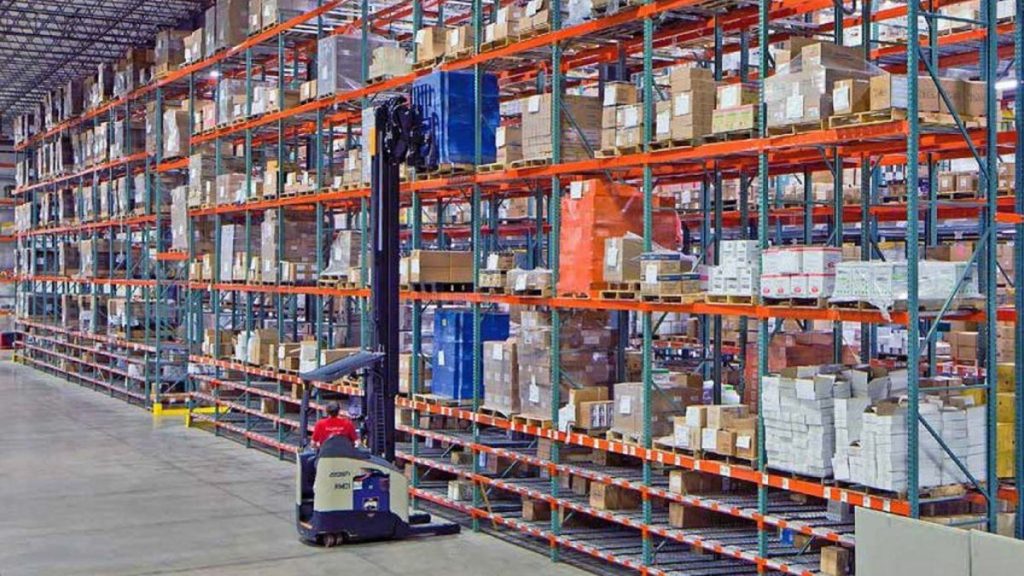
| Selective pallet rack | Low per cube for eaches | High for pallets | Full-pallet storage | Already installed in most facilities |
| Drive-in / push-back rack | High | Low | Few SKUs, many pallets each, LIFO acceptable | Moderate; sacrifices selectivity |
| Mobile high-density shelving | Very high | Medium | Archives, records, lab and institutional storage | Higher; requires rail and floor work |
| Vertical carousel | Very high | High | Small parts, high pick rates, secured inventory | Highest; automation and ongoing service |
| Vertical lift module | Very high | Very high | Small to medium parts, high throughput, tall clear height | Highest; strongest labor payback |
Most facilities need two or three of these, not one
The right answer is almost always a tiered plan: automation or carton flow for the fastest movers, SpeedCell for the long tail, and pallet rack for reserve. Standardizing on a single storage medium is what produced the wasted cube in the first place.
Configuration Options
Published SpeedCell specifications
Figures below are UNEX’s published product specifications. We confirm the exact column and cell sizes against current UNEX submittal data for your rack before quoting.
| Specification | UNEX published figure |
|---|---|
| Column sizes | Six standard sizes, X-Small through XXL |
| Cell capacity | Up to 35 lbs per cell |
| Column capacity | Up to 240 lbs per column |
| Operating temperature | -20°F to 180°F (-29°C to 82°C) |
| Material properties | Resistant to flame and mold |
| Rack | Can be purchased with new racking or installed into rack you already own |
| Storage density | Increase of 40–60% |
| Labor | Reduction in labor costs of up to 40% |
| Compression example | 200 feet of rack or shelving compressed into 40 feet of organized space |
| Warranty | 5-year warranty |
Source: UNEX Manufacturing SpeedCell product documentation.
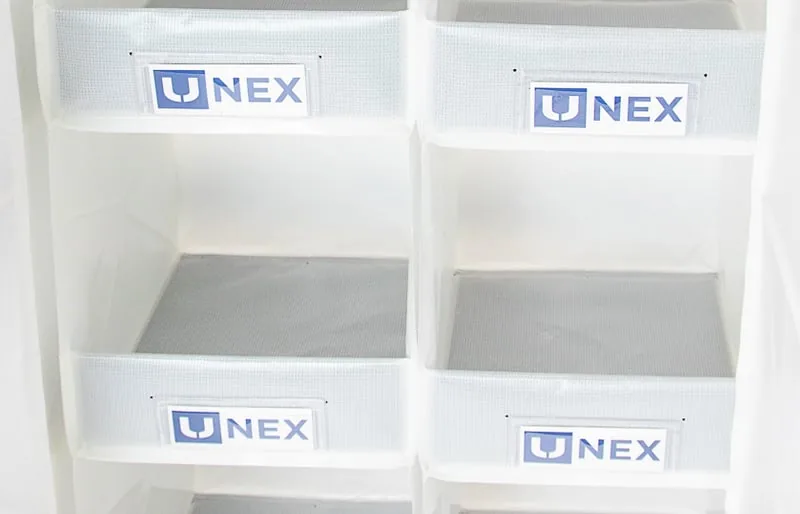 Cell sizing by product familyCell width, depth, and height are selected per level, so one bay can hold small parts on the upper levels and bulkier bundles below. Sizing is driven by a slotting analysis, not by a catalog default.
 Level layout within the bayLevels are set against your operators’ reach envelope. The golden zone gets the fastest movers, with slower items above and below to keep bending and ladder work off the pick path.
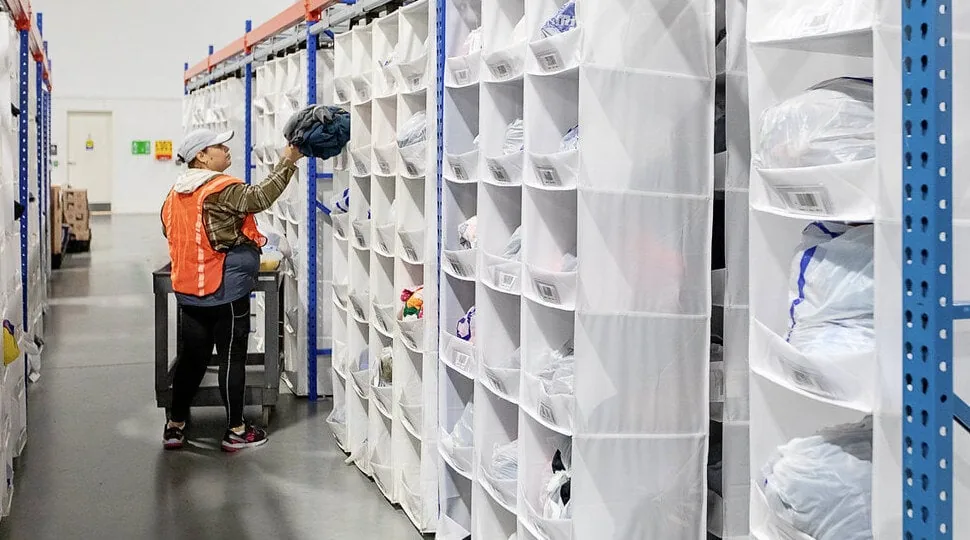 Mixed-medium baysSpeedCell does not have to take the whole bay. It is common to keep the bottom level as pallet storage for reserve stock and convert the upper levels to cells for picking.
 Pair with the UNEX SpeedCartSpeedCart puts SpeedCell cells on a mobile cart, so a picker builds several orders in one pass down the aisle instead of walking completed work back to pack one order at a time.
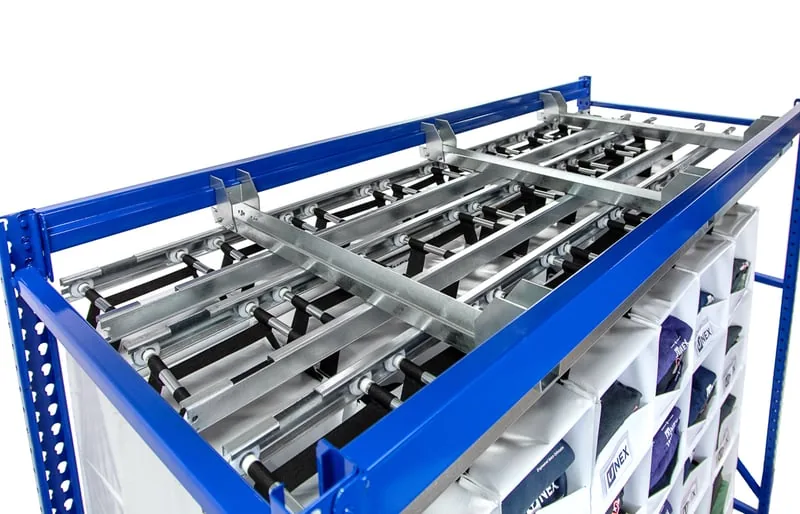 Rack integration and beam levelsAny retrofit is the right time to address column protection, rack netting, and end-of-aisle guarding — especially where picking traffic and lift traffic now share an aisle.
 Overflow: what does not belong in a cellNot every location belongs in a cell. Boltless rivet shelving remains the cheapest answer for bulk, oversized, and non-pickable items that should not consume rack cube.
Industries Where This Pays Off Fastest
SpeedCell is built for product that wastes space on conventional shelving — soft goods, odd shapes, and long-tail SKUs. Here is where it fits best:
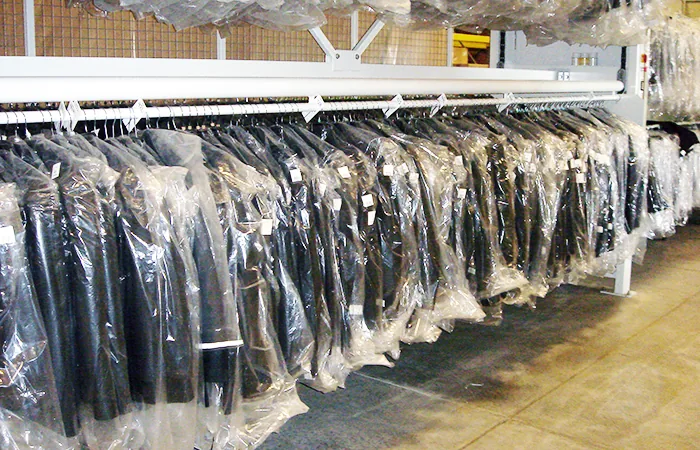


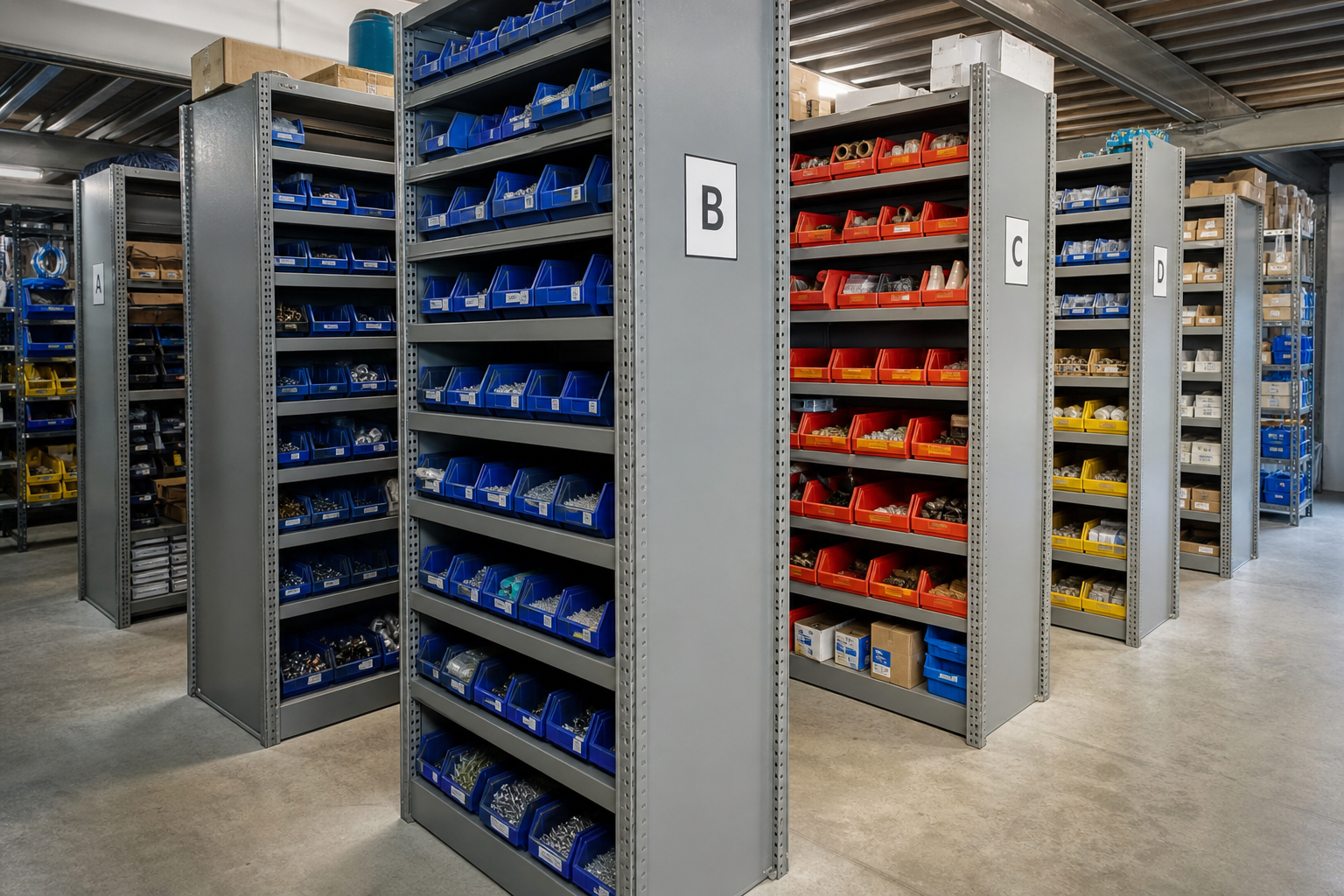
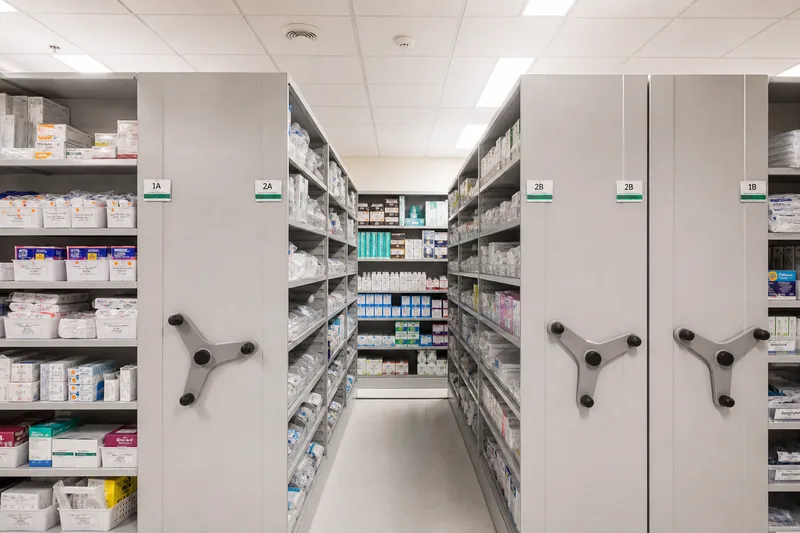


SpeedCell installs into existing rack bays, so the capacity gain does not require new steel or a new building. Send us a photo of a typical bay and we will estimate the cube you would recover.
Planning and Slotting: Where the ROI Is Won
The hardware is the easy part. Projects that disappoint almost always skipped the analysis and
installed a uniform grid of cells across every bay. Density improves, and picking gets no faster because
the fast movers ended up on the top level.
What a real planning pass looks like:
Velocity analysis. Pull twelve months of line-level pick history. Rank SKUs by picks
per period, not by dollars. The A/B/C split drives which items belong in automation, which belong in
cells, and which belong in bulk.
Cube analysis. For every candidate SKU, capture the actual dimensions and on-hand
quantity. This determines cell sizes and how many cells each family needs.
Golden-zone assignment. Fast movers between roughly knee and shoulder height. Slower
items above and below. This single decision usually moves picks per hour more than the storage medium
does.
Travel-path modelling. Group SKUs that ship together so a typical order is picked in
one pass down the aisle rather than three.
WMS mapping. Every cell becomes a discrete bin location with its own barcode before
go-live, not after.
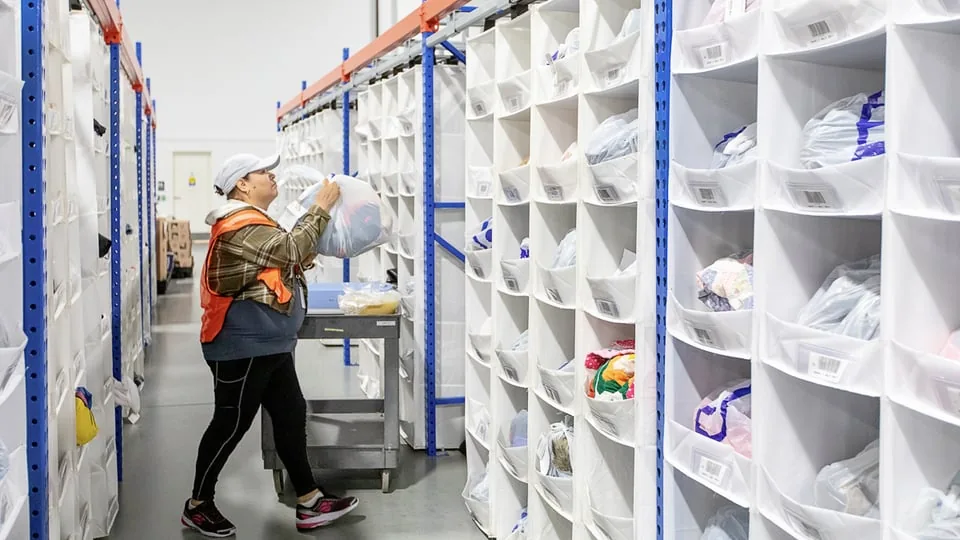
| Metric to Baseline | How to Capture It | What Improvement to Expect |
|---|---|---|
| Storage locations per square foot | Count current pick faces in the affected aisles | Substantial increase — typically two to three times for long-tail SKUs |
| Picks per labor hour | WMS or scan data over a full month, by zone | Improves when slotting is corrected; roughly flat if slotting is ignored |
| Cube utilization | Occupied volume vs. available volume per bay | The largest single gain, and the easiest to measure before and after |
| Inventory record accuracy | Cycle-count variance by location | Improves once every SKU has a discrete, labelled cell |
| Search and walk time | Time-study a sample of orders end to end | Falls when cells come to the aisle face instead of operators going into the bay |
| Square footage avoided | Compare recovered footprint to your local lease rate | Usually the number that justifies the project by itself |
Installation Without Shutting Down
- Rack survey first. We verify upright series, beam capacity, condition, and anchor status before anything is ordered — damaged rack gets repaired, not loaded.
- Zone-by-zone rollout. Conversions happen one aisle or one bay range at a time so picking continues in the rest of the building.
- Off-hours and weekend crews for operations that cannot give up aisle access during shifts.
- Seismic and anchoring review against local code — relevant across the Intermountain West, where we do most of our installs.
- Labelling and WMS load completed as each zone goes live, so no zone runs un-barcoded.
- Operator training at the aisle during the first shift on the new zone, not in a conference room a week earlier.
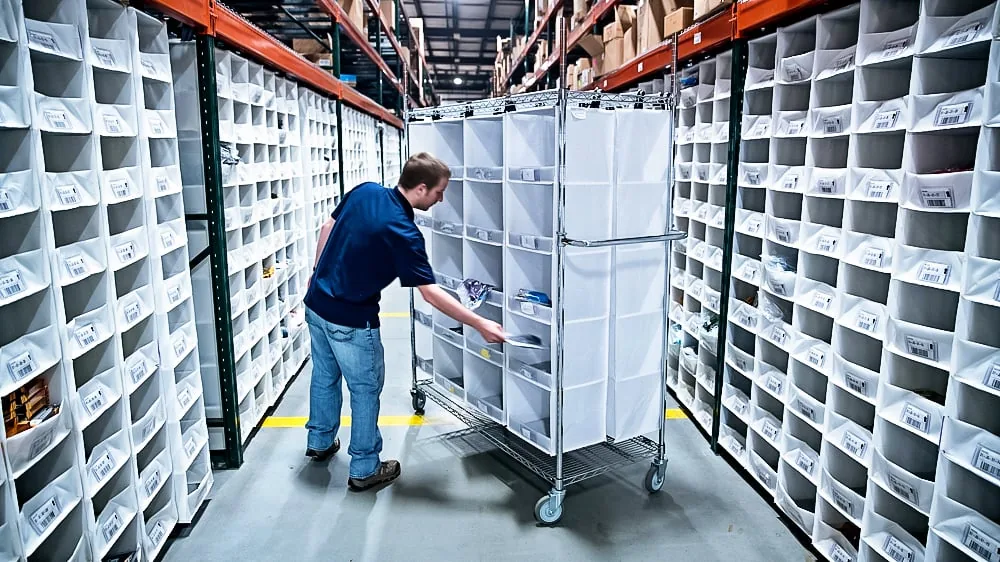
Shop Online at MaterialHandling-USA.com
Carts, shelving, decking, and rack accessories that pair with a high-density retrofit can be ordered online. SpeedCell itself is quoted per layout — call for a design.
A Five-Minute Self-Assessment
Answer these honestly. Three or more yes answers means a layout study is worth your time.
Related Storage Systems
Frequently Asked Questions
Do I have to replace my pallet rack to use SpeedCell?
How much storage capacity will I actually gain?
Will picking get slower with denser storage?
What product types are a poor fit?
How long does a conversion take?
Does it integrate with our WMS?
Can I reconfigure it later?
What does a design consultation cost?
Find Out How Much Cube You Are Losing
Send us your SKU list and twelve months of pick history. We will model the density gain, produce a slotting plan, and show you what the recovered footprint is worth against your lease rate. Free consultation — call (800) 326-4403.