
Modular Drawer Cabinets for Automotive Parts Rooms
How drawer storage changes the economics of small auto parts — where drawers beat shelving, how to size drawer heights to real parts, and how to plan a parts room drawer program that survives daily picking.
3-5
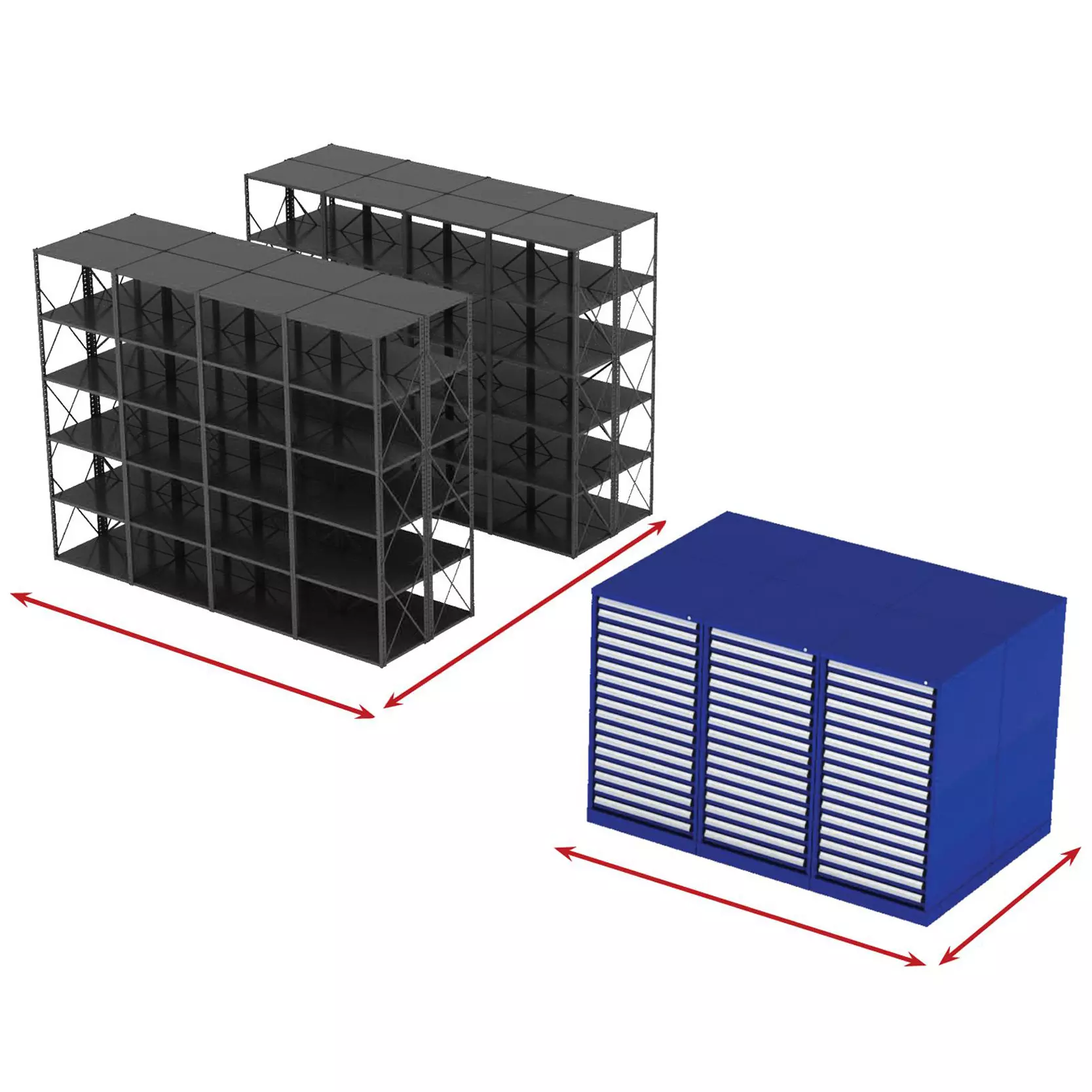
Shelving sections often condensed into one eye-level drawer cabinet
<5%
NADA guide for parts inventory 12+ months old with no demand
90%
NADA first-time off-the-shelf fill rate guide
1
Bin location per part number, drawers included
Why small auto parts break open shelving
Almost every parts room on the continent starts the same way: rows of open steel shelving, boxes lined across each shelf, and a growing collection of small items that never fit the system. Clips, retainers, sensors, O-rings, fasteners, connectors, keys, terminals, seals, TPMS kits and warranty hardware are too small to justify a shelf level and too valuable to leave loose. They end up in coffee cans, cardboard trays and unlabeled bins on the back of a shelf, and they quietly become the reason a technician waits at the counter.
The physics are simple. A shelf level set 12 to 15 inches apart holds a part that is two inches tall and stores air above it. The part in the back of a 24-inch-deep shelf is invisible from the aisle, so the counter person reaches for the front and the back of the shelf becomes an archaeological layer. Multiply that across a hundred sections and you are heating, lighting and paying rent on a room that is mostly empty space.
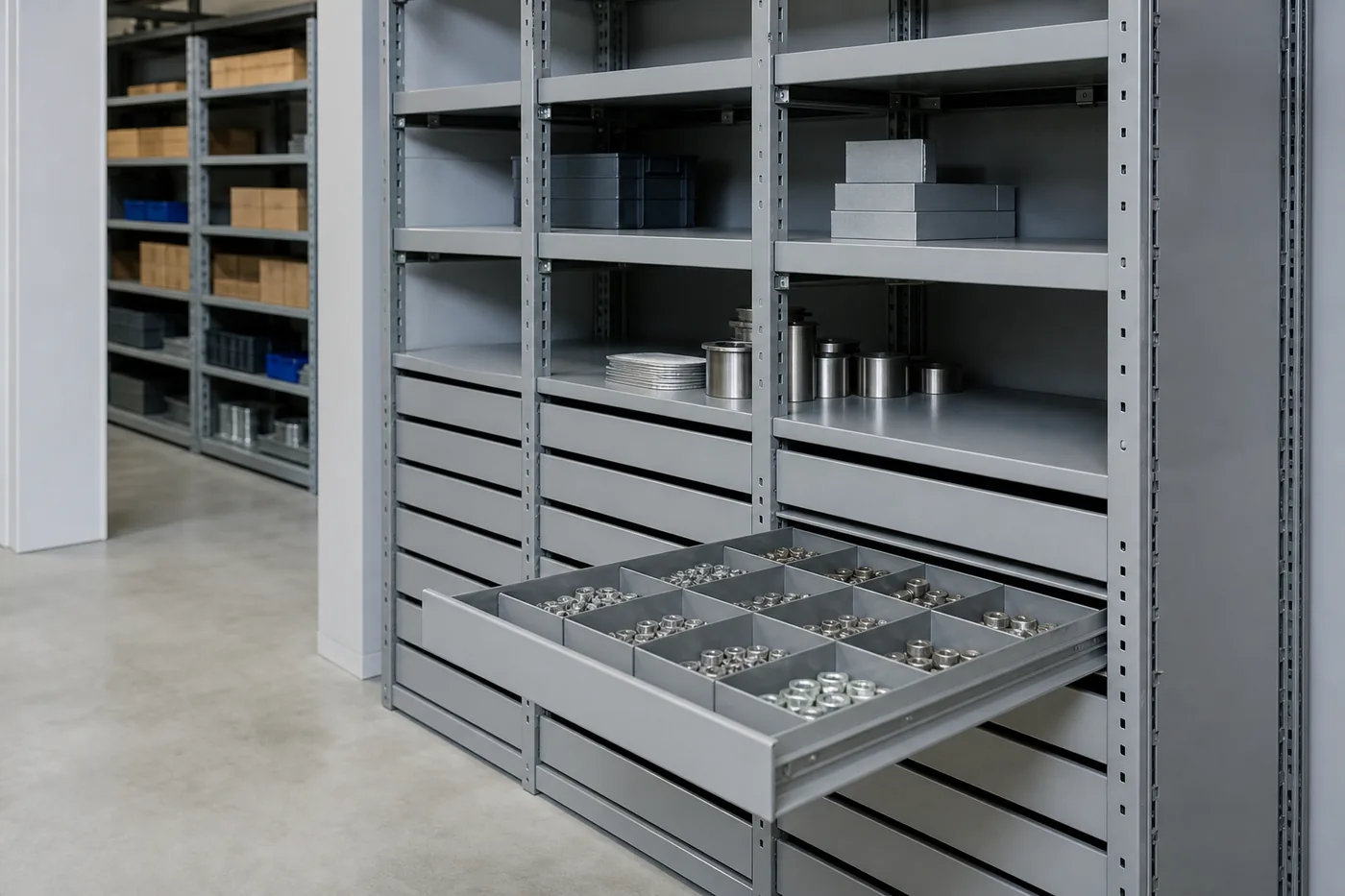
Modular drawer cabinets solve exactly this class of problem, and only this class. They are not a replacement for the shelving that carries filters, rotors and body panels — they are the dense, addressable layer underneath it. On a well-planned automotive parts storage system, drawers carry the small, high-count, high-value items and shelving carries everything bigger than a shoebox. This page covers how to decide which parts belong in drawers, how to size and divide them, and how to plan the installation so the drawers actually get used.
Drawer cabinets vs. shelving for small parts storage
The trade is cubic utilization against unit cost. Shelving is inexpensive per cubic foot and terrible at using it for small items; drawer storage costs more per unit and uses nearly all of the space it encloses, because a drawer can be filled to the top of its compartment and every compartment is visible the moment the drawer is pulled out.
| Decision factor | Open parts shelving | Modular drawer cabinets |
|---|---|---|
| Best part size | Larger than a shoebox: filters, rotors, panels, bumper covers | Smaller than a shoebox: clips, sensors, seals, fasteners, kits |
| Cubic utilization | Low for small items — air above and behind each part | High — compartment filled to drawer height, full depth reachable |
| Visibility at the pick | Front items hide the back of the shelf | Full-extension drawer exposes every compartment at once |
| Ergonomics | Bending, reaching overhead, digging to the back | Parts brought to the picker at the drawer face |
| Security | Open unless the room is caged | Individually lockable cabinet or drawer bank |
| Cost per stored part | Lower equipment cost, higher space cost | Higher equipment cost, lower space and labor cost |
| Inventory accuracy | Miscounts common in mixed shelves | One compartment = one part number = one bin location |
Notice what the table does not say: drawers are not automatically better. A parts room that puts oil filters in modular drawers has bought expensive steel to store a part that stacks perfectly on a shelf. The gain comes entirely from moving the right SKUs. If you cannot name the part numbers going into the drawers before you buy them, the drawers will end up half full of overflow and the project will not pay for itself.
Which part numbers belong in a drawer
Start from your DMS or inventory system, not from a walk through the room. Pull a movement report and sort by physical size and by pick frequency. Four groups usually earn drawer space:
- High-count small hardware. Clips, fasteners, retainers, grommets, terminals and connectors — items counted in dozens or hundreds, where a divided compartment replaces a pile.
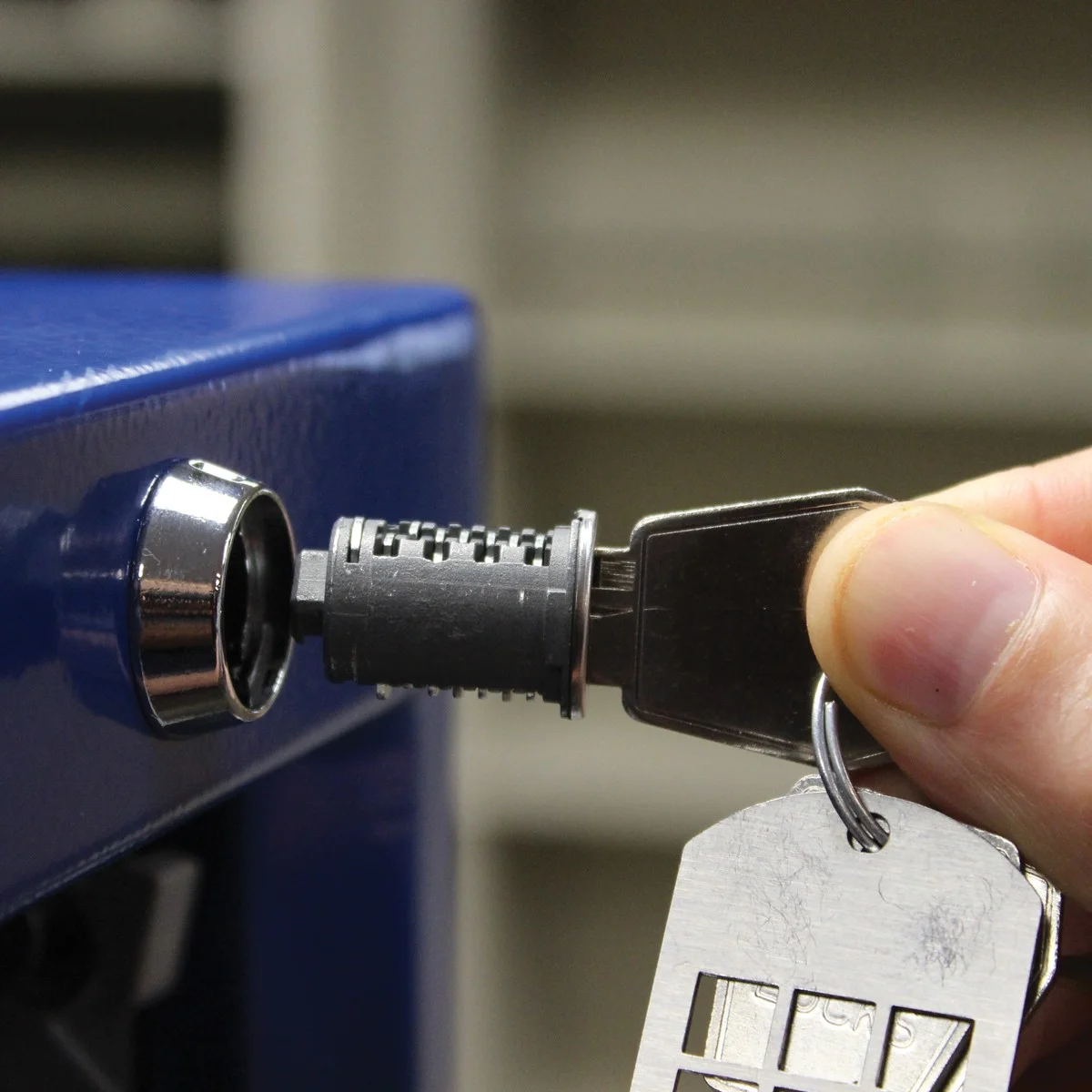
- High-value small electronics. Sensors, modules, relays, key blanks and programmable fobs. These are the parts that walk, and a lockable drawer bank is cheaper than a cage.
- Kits with loose contents. Seal kits, tune-up kits, TPMS service packs — anything that arrives in a bag that will not stand up on a shelf.
- Slow-moving but must-have items. Parts you cannot delete from stock but that consume a whole shelf level for one box.
Two groups stay on shelving even when they are small: items with high enough volume that they ship and store in full cases, and anything greasy, wet or sharp enough to foul a drawer liner. A parts room that respects those exclusions keeps its drawers clean and its shelving productive.
Sizing drawers: heights, depths and the mistakes that waste them
Modular drawer cabinets are configured, not bought off a list. The variables are cabinet height, cabinet width and depth, the number and height of drawers, drawer load rating, extension type, and the divider system. Each one has a way of going wrong.
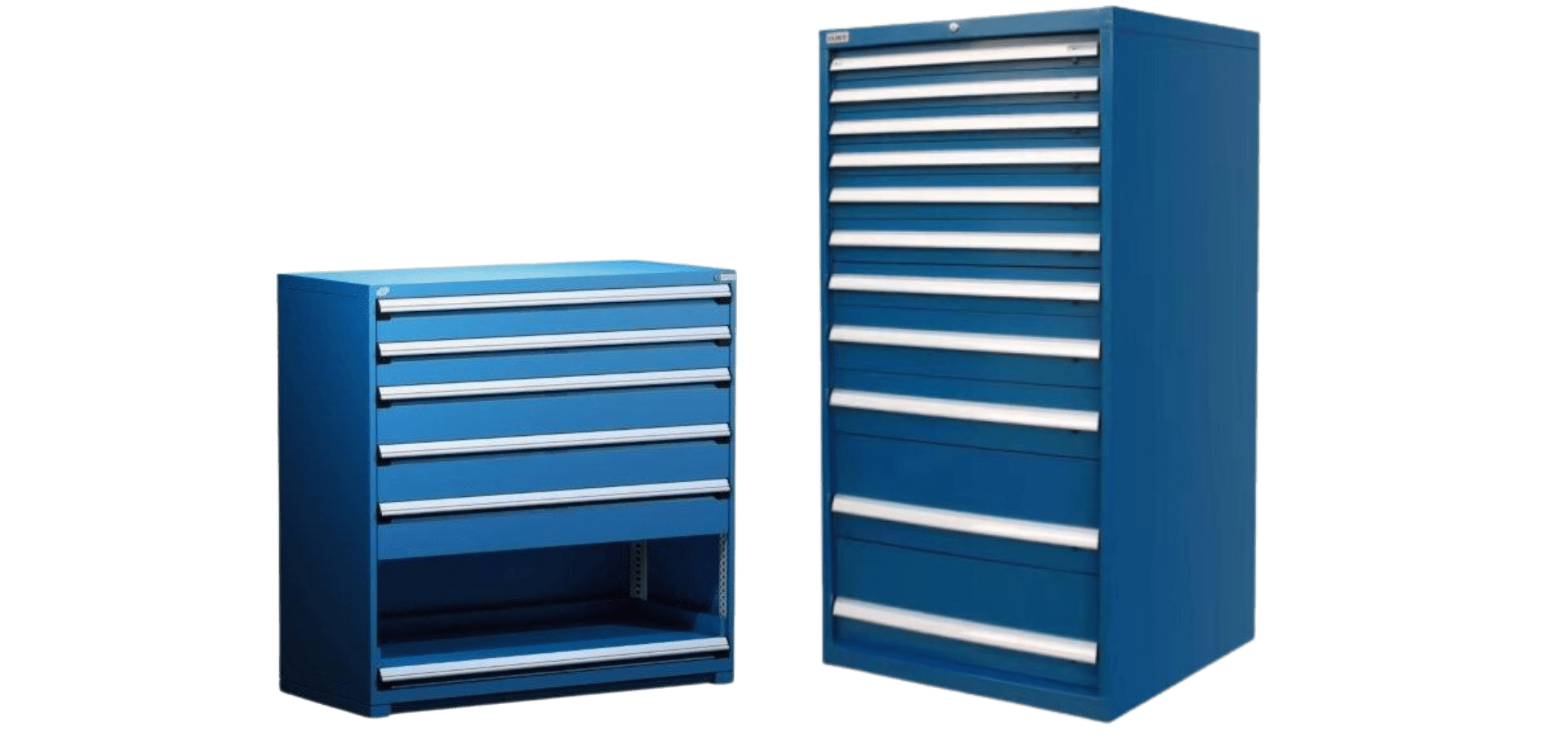
The single most common sizing error is buying one drawer height for the whole cabinet. Real parts mixes are not uniform: a cabinet with two shallow drawers for terminals, four medium drawers for clips and sensors, and one deep drawer for kits will out-store a uniform stack of medium drawers by a wide margin. Build the drawer schedule from a measured sample of the parts, and keep a written record of it — you will need it when you expand.
Depth matters too. A drawer that is deeper than your reach is only usable to the front two thirds, which is why drawer cabinets integrated into a shelving section usually run shallower than freestanding industrial cabinets. Where drawer units are installed inside existing parts room shelving, the shelving depth already fixes the drawer depth — check it before you specify.
Two ways to buy drawer storage: cabinets or drawers inside shelving
There are two common configurations, and they suit different rooms.
Standalone modular drawer cabinets are self-contained steel cabinets, typically placed at the counter, at the receiving bench or in the tool area. They give you the heaviest drawer ratings, the widest drawer sizes and the option of a countertop work surface. They are the right answer where the drawer bank is a destination — a small-parts station people go to.
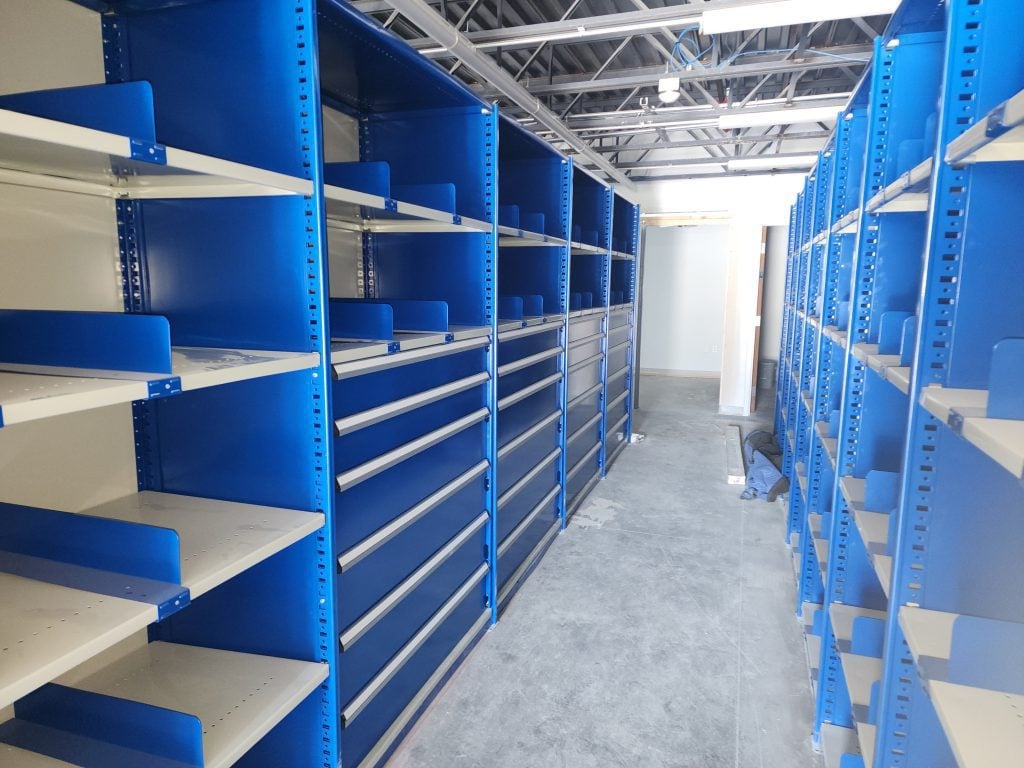
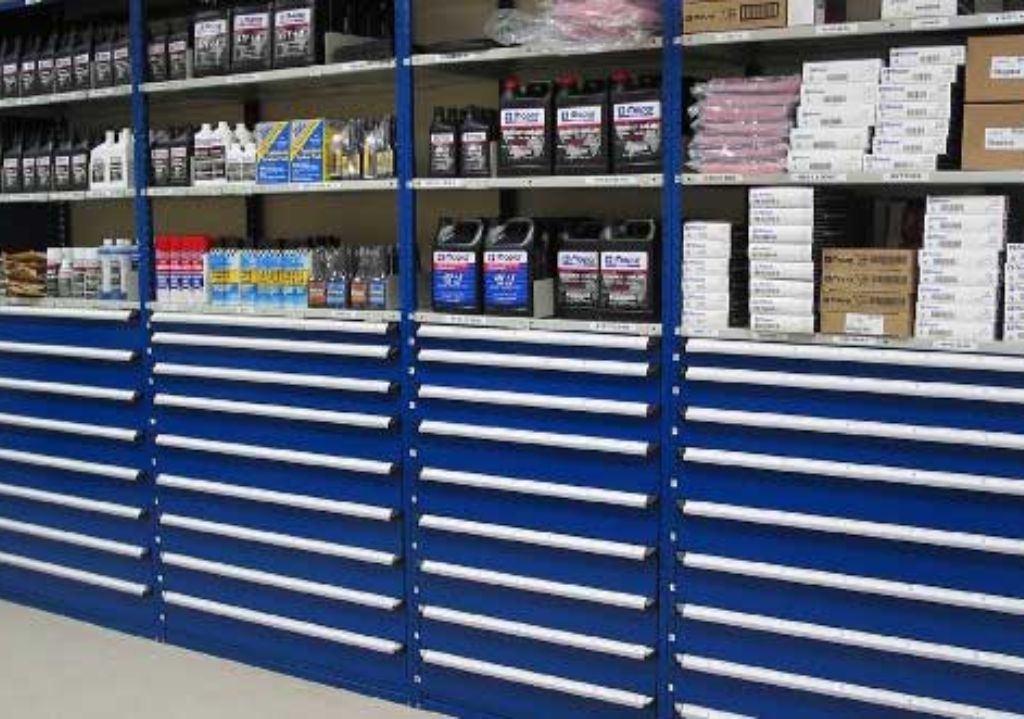
Drawer units installed inside shelving sections convert part of an existing shelving run into drawers. Nothing about the room layout changes: the aisle, the section width and the bin-location scheme stay the same, and the drawer bank simply occupies the lower half of a section. This is usually the cheaper route in a dealership parts room because you keep the shelving you already own and you do not surrender floor space to a new cabinet.
Mixed installations are normal. Many automotive shelving programs pair box-edge or boltless shelving above with drawer banks below in the same section, so a single aisle covers boxed parts and loose hardware.
Bin locations, labeling and inventory accuracy
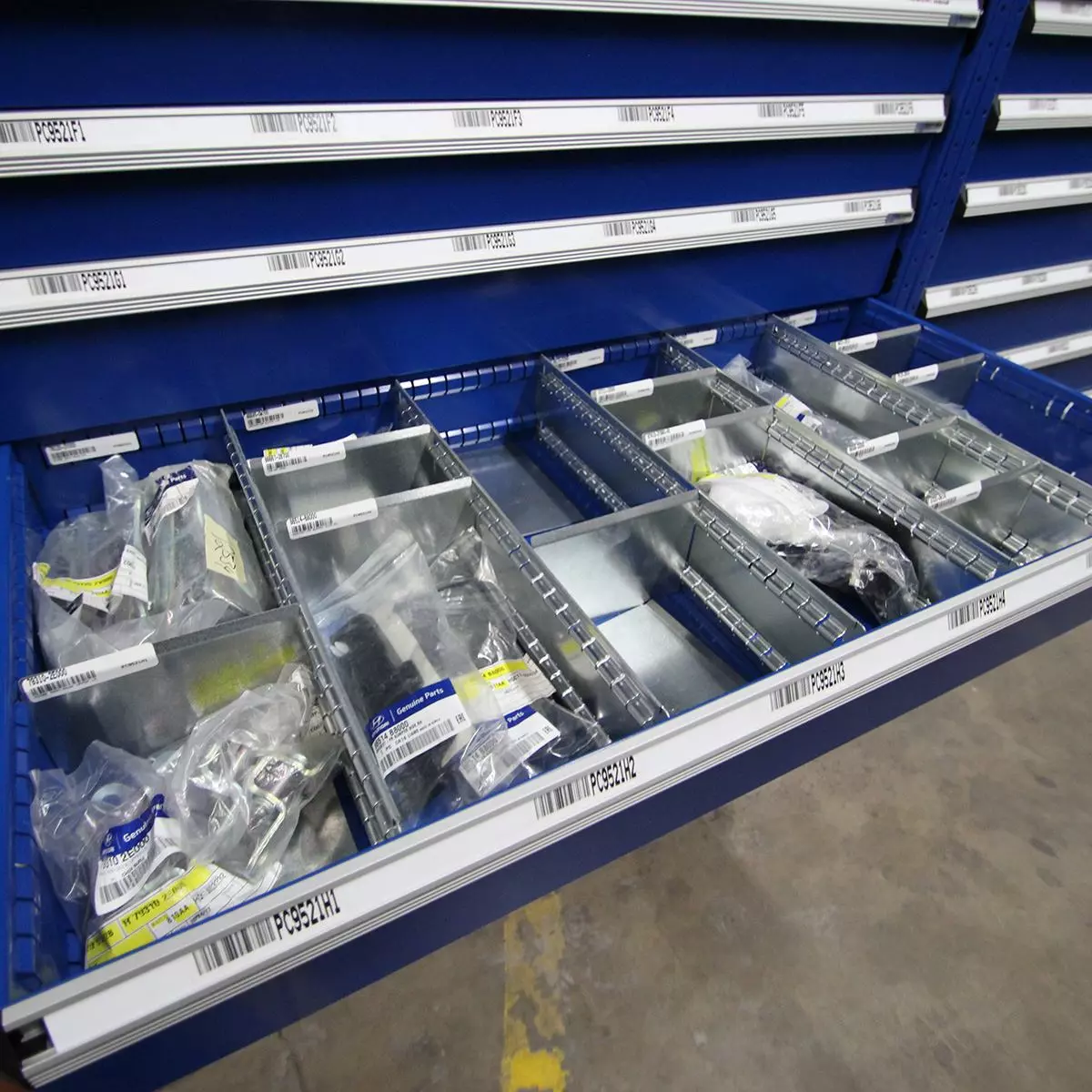
A drawer program only pays off if the system knows where the parts are. The rule is unchanged from open shelving: one part number, one location, and the location is printed and scannable rather than remembered. What changes is that the location string now has one more level — aisle, section, drawer, compartment.
- Extend the bin-location format before you load a single drawer, not after; retrofitting a scheme onto loaded drawers is a full re-inventory.
- Label the drawer face with its range, and label each compartment inside. A drawer face alone is not a location.
- Print labels from the inventory system so a location cannot exist on the shelf without existing in the system.
- Keep the compartment layout drawing with the parts manager, so replacements and expansions match.
- Run perpetual bin checks on drawer locations the same way you run them on shelving.
Inventory discipline is where drawer cabinets quietly earn their keep. The National Automobile Dealers Association’s published parts department guides put obsolescence — inventory 12 months or older with no demand — at under 5 percent of total inventory, first-time off-the-shelf fill rate at 90 percent and same-day fill rate at 95 percent. Those numbers are achievable only when small parts have real locations and real counts. A drawer with 40 labeled compartments produces a count you can trust; a shelf with 40 loose bags does not.
Planning a parts room drawer project
The projects that work follow a boring sequence. The ones that disappoint skip step two.
Pull the data
Export the part list with movement, on-hand quantity and package size. Identify the SKUs that are candidates for drawers by size and pick frequency.
Measure a real sample
Physically measure the tallest and widest candidate parts in each family. This is what sets drawer heights and divider pitch; catalog assumptions are where budgets die.
Draft the drawer schedule
Decide how many cabinets or in-shelving drawer banks, and the drawer height mix in each. Reserve growth space deliberately rather than filling every compartment.
Fix the location scheme
Extend the bin-location format to compartment level and generate labels before installation day.
Stage the cutover
Convert one section at a time and re-locate the parts in the system as you go. A room-wide swap on a Saturday leaves counts nobody trusts on Monday.
Review after 60 days
Check which compartments are empty, which are overflowing and which drawers are never opened; adjust dividers and re-slot before the layout hardens.
Want a drawer schedule built from your own part list?
Send us a parts movement export and rough room dimensions and our team will help you plan the drawer mix, divider layout and section-by-section cutover sequence.
Safety, anchoring and housekeeping
Loaded drawer cabinets carry a lot of weight high up. OSHA’s general materials handling standard, 29 CFR 1910.176, requires that stored material not create a hazard, that items stored in tiers be stacked, blocked, interlocked and limited in height so they are stable and secure against sliding or collapse, and that aisles and passageways be kept clear, in good repair and appropriately marked. For drawer storage, that turns into a short list of practical rules.
- Anchor or ballast tall cabinets so a fully extended loaded drawer cannot tip the unit. Follow the manufacturer’s anchoring instructions for the cabinet you buy.
- Load heavy drawers low. Put the deep, dense drawers at the bottom of the bank and the light hardware at eye level, which is also the ergonomic position for the most-picked items.
- Limit open drawers. Cabinets are commonly supplied with an interlock that permits one drawer open at a time; where they are not, make single-drawer operation a rule.
- Keep the aisle clear. A drawer at full extension eats aisle width. Check the extended drawer against your aisle before you finalize the layout, especially in narrow rooms.
Housekeeping matters more with drawers than with shelving, because the failure mode is invisible from the aisle. A drawer that has become a junk tray looks identical to a disciplined one until it is opened.

Where drawers stop and the rest of the system starts
Drawer cabinets are one layer of a parts operation. Around them:
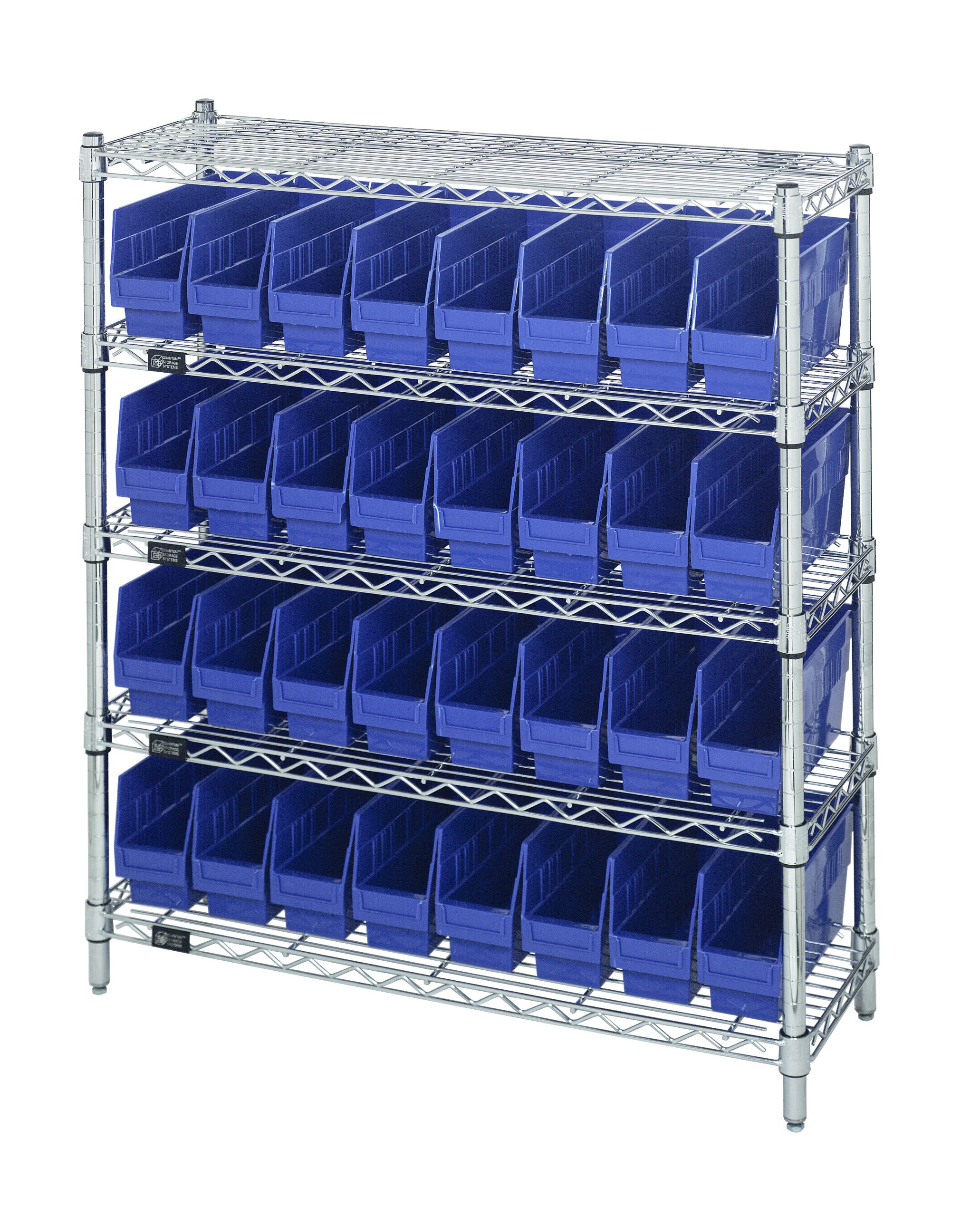
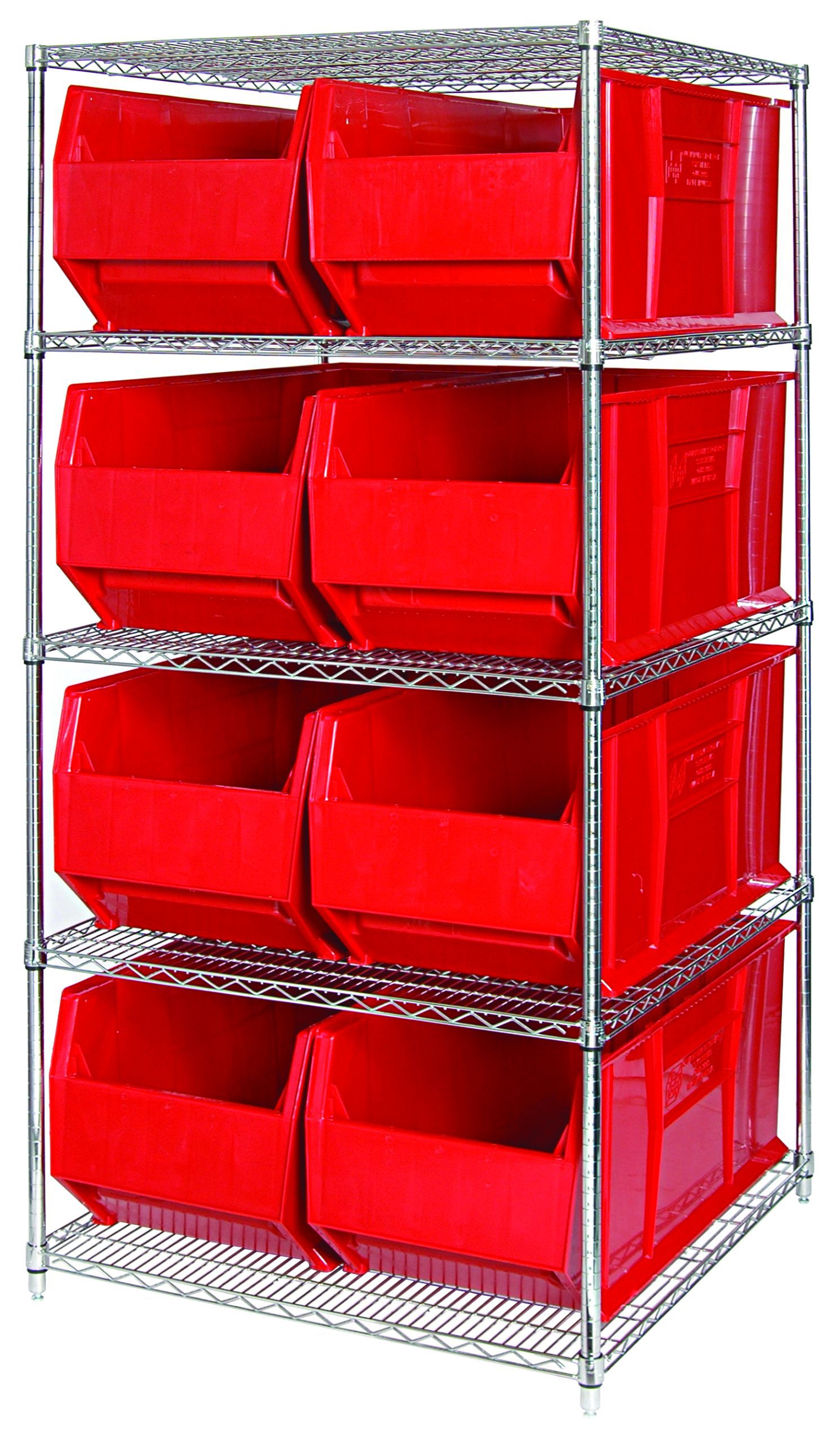
- Bin shelving and bin cabinets handle medium-small parts that move fast enough that an open bin front beats a closed drawer.
- Boltless and box-edge shelving carries cartons, filters, brake parts and everything shaped like a box.
- Vertical storage for dealership parts and tires converts ceiling height into picking positions when floor space has run out.
- Spare parts and MRO storage covers consumables and shop supplies that do not belong in the customer-parts inventory at all.
- Technician tool carts and workstations hold the tools that keep migrating into parts drawers if there is nowhere else for them to live.
The most common sequencing mistake is buying drawers first and planning the room afterwards. Decide the zones, the aisle pattern and the receiving flow first; the drawer bank then goes where the small parts actually get picked, which is rarely the corner where there happened to be space.
Shop Bin Storage Systems Online
Buy select items directly from our online store, or request a quote for volume, custom sizes and freight-rated orders.


Frequently asked questions about parts room drawer cabinets
Are modular drawer cabinets worth it for a small parts room?
How many shelving sections does one drawer cabinet replace?
Can drawer units be added to shelving we already own?
What drawer height should we use for automotive small parts?
Do drawer cabinets help with parts inventory accuracy?
Should high-value parts go in locked drawers or a security cage?
Planning help for your parts room
Our team plans automotive parts storage every week — dealership parts departments, independent service shops, distributors and fleet garages. We are happy to look at a movement report, a room sketch and a few photos and tell you honestly which parts belong in drawers, which belong on shelving, and whether the project is worth doing at all this year.
Nothing on this page is an engineered approval. Drawer capacities, anchoring requirements and clearances come from the manufacturer’s published data for the specific cabinet supplied, and any modification to existing shelving should be confirmed against that shelving’s ratings. What we can give you quickly is a drawer schedule, a layout that fits your aisles, and pricing you can budget against.
Plan your automotive drawer storage
Talk to the MH-USA parts storage team about drawer cabinets, in-shelving drawer banks and parts room layout.