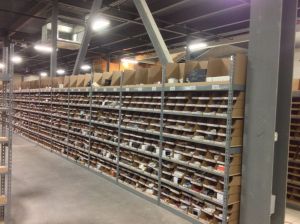
A warehouse manager usually feels this choice before anyone calls it by name. The stockroom is getting tighter, the team needs easier picking, and the next layout change already feels likely. That's where a Borroughs shelving vs Metro shelving comparison matters, because the decision is rarely just one brand against another. It's about fit, airflow, load logic, cleaning, reconfiguration, and the total cost of usable space over time.
One quick note before the comparison: the manufacturer’s name is spelled Borroughs, not Burroughs. Many buyers search for it as “Burroughs shelving,” so this guide uses that phrase where it helps, but every product reference below uses the correct spelling, Borroughs.
If you're comparing options for a lab, cooler, backroom, evidence room, or high-turn stock area, the wrong shelf type can create more work than it saves. A unit that looks cheaper on paper can cost more once you factor in relayouts, cleaning, access, and compliance checks. Material Handling USA helps buyers work through that with free layouts, free quotes, and no-obligation design support, so the final spec fits the facility instead of forcing the facility to fit the shelving.
Why This Comparison Matters for Your Facility Right Now
A buyer usually starts with a simple question, which rack is stronger or cheaper. In practice, the better question is which shelving system will keep working when the floor plan changes, the cleaning routine tightens, or the load mix shifts. That's why this decision shows up in purchasing, operations, and compliance conversations at the same time.
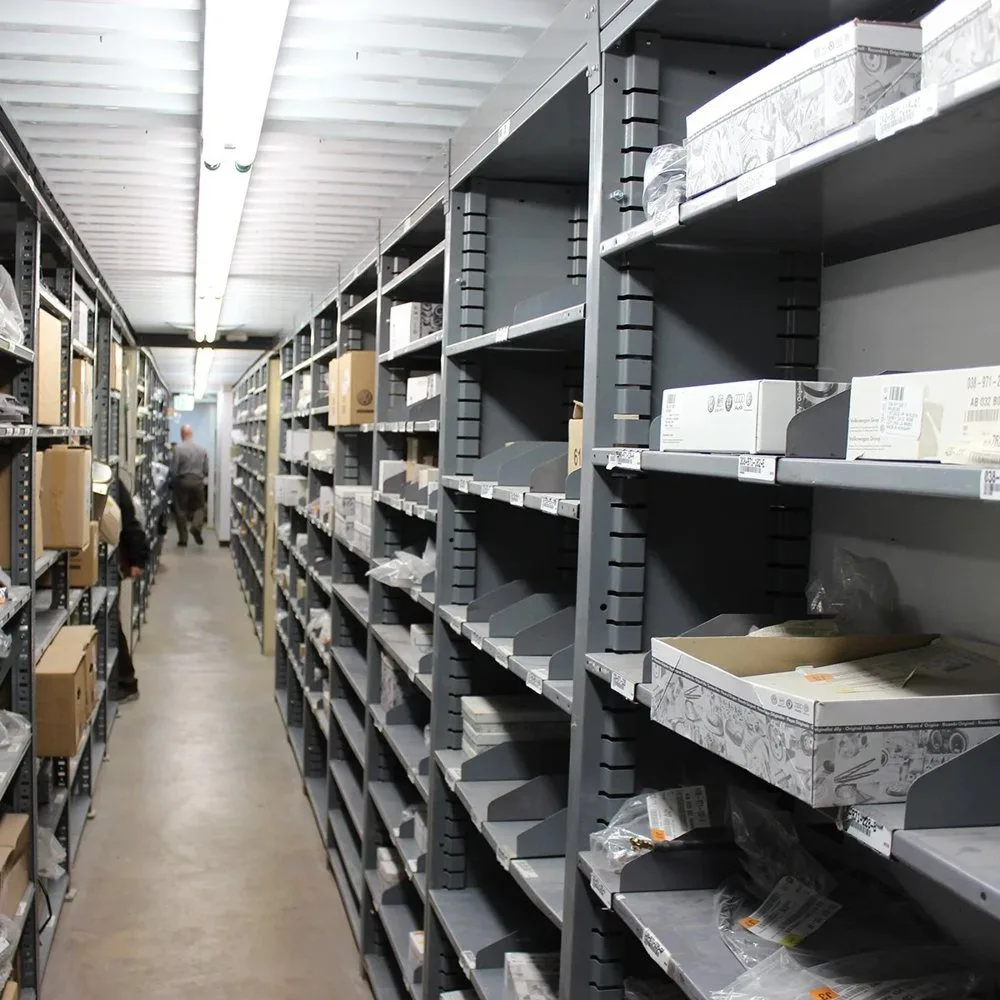
The pressure is real in facilities that are already short on space. If a stockroom is full, a small difference in shelf layout can change aisle access, cleaning time, and how often workers have to move product just to reach it. Those operational costs don't show up on the first quote, but they show up quickly after install.
Practical rule: if the room is changing often, the shelf spec matters more than the brand name on the box.
Material Handling USA can support that planning process with layout help and product guidance before anyone places an order. That matters because a shelving decision is harder to undo than a cart or a bin purchase. Once the unit is installed, the cost of a bad fit turns into wasted footprint and extra labor.
Understanding Borroughs and Metro Shelving at a Glance
A facility choosing between Borroughs and Metro is usually choosing between storage formats as much as between brands. Borroughs specifications require a line-by-line review of capacity, dimensions, use, and weight. Metro's system centers on open wire construction, so airflow, visibility, cleaning access, and containment differ from enclosed steel shelving. Review the Borroughs product specifications before comparing a series.
What Borroughs Shelving Is Best Positioned to Do
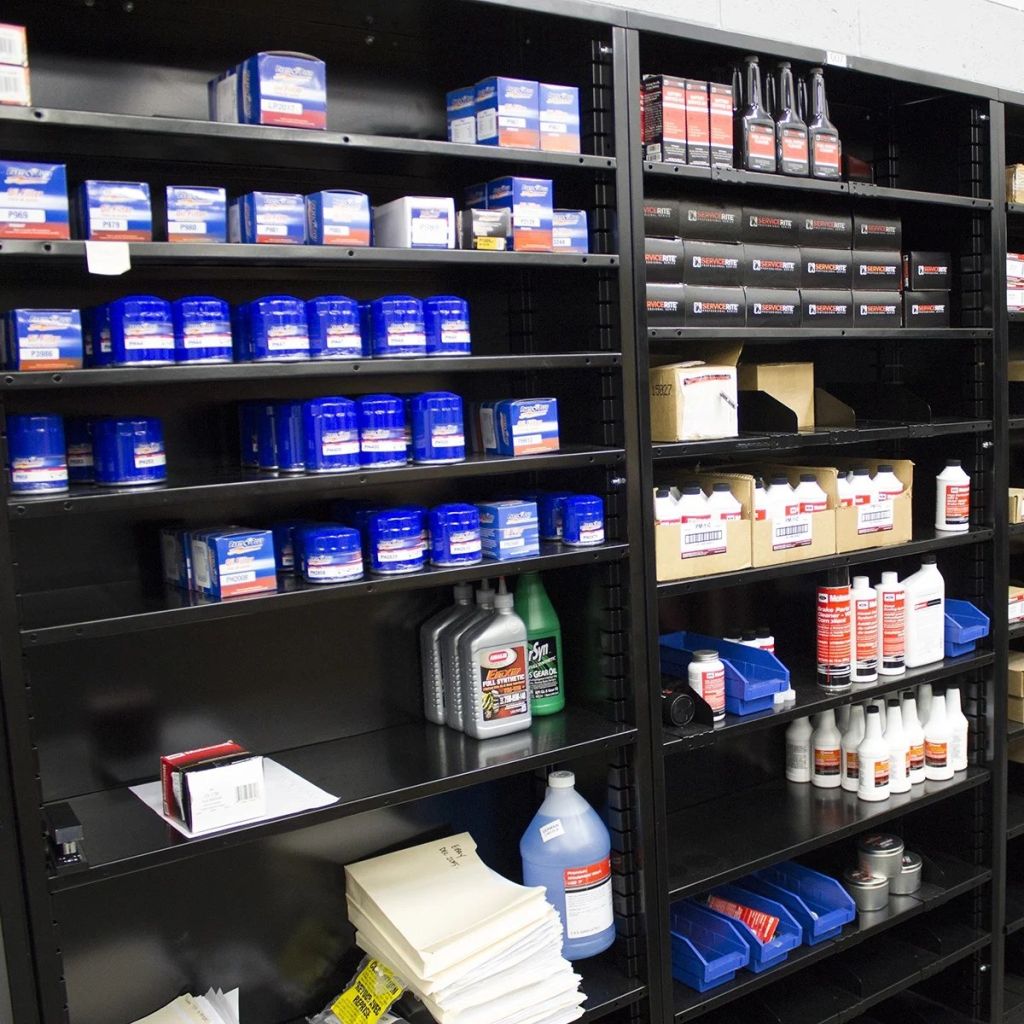
Borroughs shelving suits areas where containment, item control, or a more enclosed shelf format takes priority. That can help with small parts, boxed inventory, or materials that need more protection from dust and accidental displacement. The correct comparison depends on the selected series, its dimensions, and its published capacity, not on the Borroughs name alone. For parts rooms and other small-parts stockrooms, see Borroughs Flexi-Bin shelving: 38-inch-wide, 12-inch-deep frames with slide-in shelves, sliding dividers and optional drawers.
Download the Borroughs shelving brochures to compare line-specific capacities and dimensions before selecting a series. This step can also clarify whether the proposed layout supports the required load and storage method.
What Metro Wire Shelving Is Built Around
Metro Super Erecta wire shelving is documented at up to 800 lb per shelf and 2,000 lb per assembled unit. Available finishes include chrome, epoxy-coated, and stainless steel. The family is NSF-certified and positioned for dry storage, cooler/freezer, and sterile-environment use, making it relevant where airflow, hygiene, and corrosion resistance matter more than maximum enclosure. Metro wire shelving overview
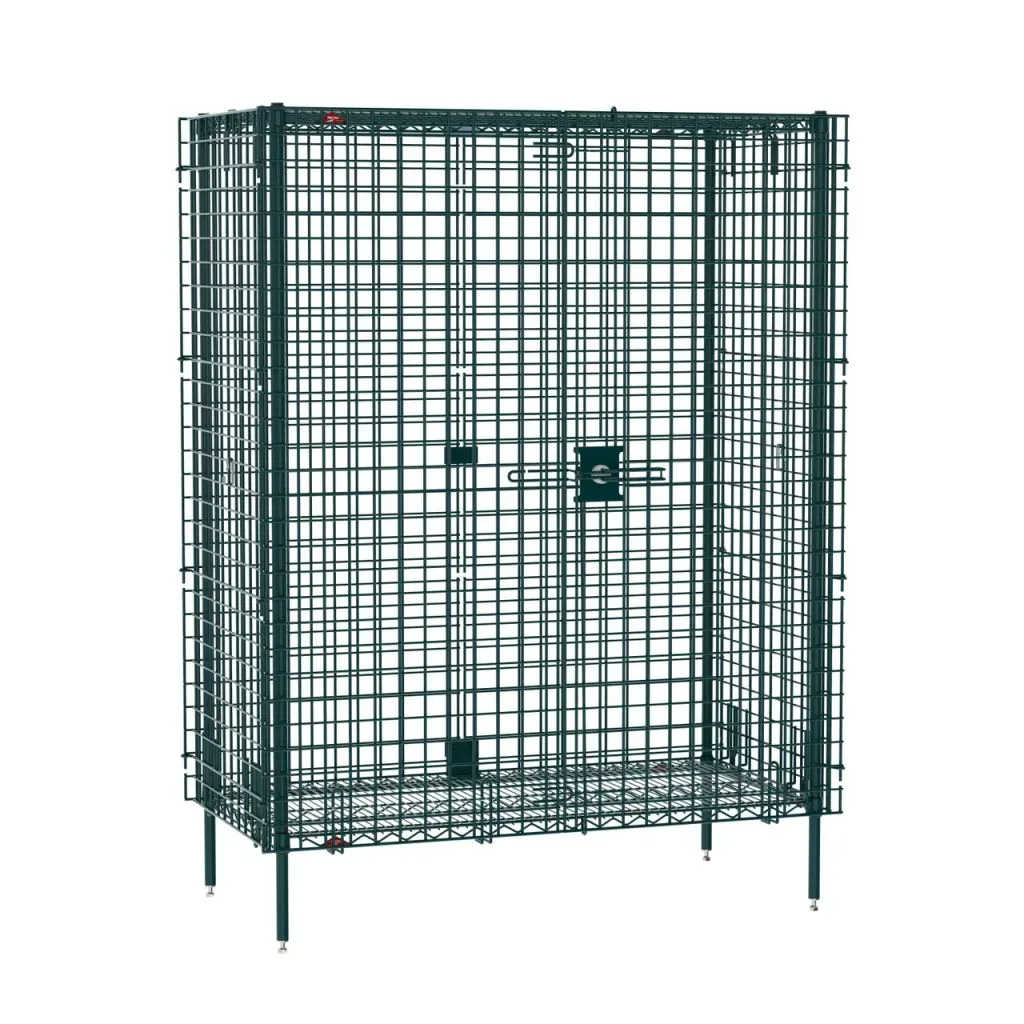
Open wire shelving supports visibility, airflow, and easier cleaning access. Enclosed steel shelving provides more containment and dust protection.
The practical question is whether wire shelving fits the workflow at all. Consider product cleanliness, inspection access, washdown routines, reconfiguration needs, and the usable square footage delivered over the system's expected three- to five-year service period.
How to Read the Brand Comparison Correctly
A 48 in x 24 in Metro shelf is listed at 800 lb, while a 60 in x 18 in shelf is listed at 600 lb. The difference shows why shelf dimensions and load distribution matter when comparing Borroughs shelving vs Metro shelving. Metro's ratings depend on shelf width, depth, and evenly distributed load, rather than one universal capacity. Metro wire shelf sizing logic
Compare the specific shelf line, exact dimensions, intended environment, cleaning requirements, and future layout changes. Then assess the total cost per usable square foot, including labor and compliance considerations, before choosing open wire or a more enclosed format.
Head to Head Comparison on What Actually Drives the Decision
A warehouse team comparing Borroughs shelving with Metro shelving should start with the storage task, not the brand name. The better choice depends on load logic, adjustability, hygiene, airflow, and layout flexibility, balanced against containment and enclosure. Over a three- to five-year service period, compare total cost per usable square foot, including cleaning labor, reconfiguration, access, and compliance requirements.
Borroughs vs Metro Decision Criteria Matrix
| Decision Criterion | Borroughs Shelving Considerations | Metro Wire Shelving Considerations | What to Verify Before Buying |
|---|---|---|---|
| Load and span | Check the exact series specification, because capacities and measurements vary by Borroughs product line | Metro ratings change with shelf size, and longer spans can reduce usable load | Verify shelf width, depth, and evenly distributed loading |
| Unit capacity | Confirm the assembled unit rating for the selected configuration | Metro Super Erecta is documented at up to 2,000 lb per assembled unit in the Metro catalog | Match the full unit rating to the actual storage plan |
| Shelf adjustability | Compare the post or frame design for the specific line | Metro posts use 1 inch outside diameter tubing, grooved in 1-inch increments and numbered every 2 inches, as shown in the Metro spec sheet | Confirm how often shelves may need repositioning |
| Airflow and hygiene | A more enclosed format can suit boxed storage, dust control, or containment requirements | Open wire supports visibility, airflow, cleaning access, and sprinkler water pass-through | Check washdown routines, inspection access, and fire-code expectations |
| Environment | Suitable where enclosed shelf behavior or protected boxed storage is preferred | Open wire can suit dry storage, cooler or freezer areas, and sterile environments | Confirm corrosion exposure, temperature, and cleaning frequency |
| Reconfiguration | Depends on the product family, frame design, and available hardware | Grooved posts support repeated shelf repositioning when inventory or layout changes | Estimate how often the room or product mix may change |
| Compliance fit | Product-specific specifications and site requirements determine suitability | Open construction can support visibility and airflow requirements | Review sanitation procedures, inspection rules, and facility standards |
The deciding factor is often usable operation rather than maximum capacity. Open wire can reduce cleaning obstacles and improve product visibility, while enclosed shelving can provide stronger containment. Each option affects labor, access, and the amount of floor area that remains practical for storage.
For a closer review of Borroughs configurations, see the Borroughs Shelving product range. Teams comparing Metro options can use the Metro Shelving brochures to check model choices and finishes before requesting a quote.
A useful final test is simple: can staff see, clean, and reach the product quickly while maintaining the required level of control? If yes, wire shelving may provide better value across the service period. If dust protection, containment, or product security carries more weight, a more enclosed shelving format may justify its higher operating cost.
If Metro is on your shortlist, our Metro wire shelving finishes guide compares chrome, epoxy and stainless, and the Metro Wire Shelving Configurator lets you design and price a Super Erecta layout online.
How to Size and Plan Your Shelving in Five Steps
A shelving plan should begin with the room, not the catalog. Measure before selecting a product so the finished installation accommodates the product, aisle, door swing, and cleaning route.
Measure
space and clearances
Define
load per shelf and unit
Match
shelf size to item mix
Plan
for adjustment ahead of changes
Check
compliance and cleaning needs
1. Measure the space and clearances
Record room width, depth, height, door locations, obstructions, and required aisle clearance. A unit that blocks a route or forces awkward turns can increase labor and handling time despite using less floor space.
2. Define the load per shelf and per unit
Base the plan on the heaviest item, not the average item. Shelf capacity varies with span, and the total unit rating is separate from the rating of an individual shelf. Confirm both values in the manufacturer's documentation before ordering.
3. Match shelf dimensions to the item mix
A longer span is not automatically more useful. Select dimensions that support the actual products without creating unused depth, excessive overhang, or a misleading capacity margin. Usable square footage matters more than the largest possible shelf.
4. Plan for adjustment before the room changes
If inventory or layout changes regularly, specify a system that allows shelves to be repositioned without extensive rework. Grooved-post wire systems can support repeated adjustment, while other configurations may require more planning before installation. Use the Jaken shelving configurator to test aisle clearance, shelf span, and reconfiguration options before ordering.
5. Check compliance and cleaning requirements
Open wire can support airflow, visibility, easier cleaning, and sprinkler pass-through where the facility requires those characteristics. Enclosed shelving may better control dust or contain products. Include inspection access, sanitation procedures, and facility requirements in the specification rather than choosing solely by price.
Buyers save time when they verify the spec sheet before they verify the price.
A layout review can expose aisle conflicts, span issues, and reconfiguration risks that a basic quote may miss. Evaluate the expected total cost per usable square foot over three to five years, including cleaning labor, access, changes to the layout, and compliance work. That comparison often matters more than the initial shelf price.
Which System Fits Your Facility Type and Workflow
A parts room with fixed inventory can tolerate a different shelf design than a cooler, laboratory, or fast-pick stockroom. Choose by workflow and facility conditions first, then compare Borroughs and Metro against the usable square footage, cleaning effort, reconfiguration needs, and compliance work expected over three to five years.
When Borroughs Shelving Usually Fits Better
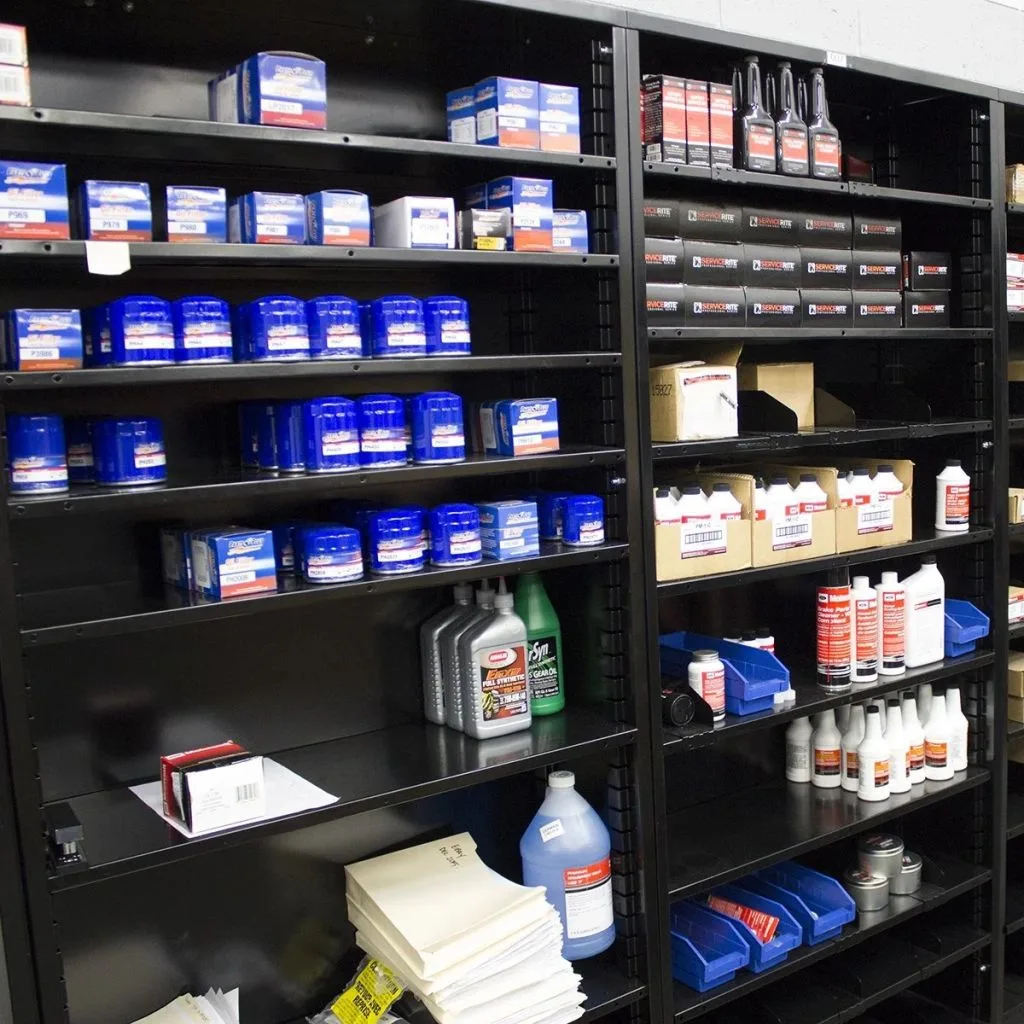
Borroughs shelving suits buyers seeking a traditional steel shelving approach, stronger item containment, or a defined specification for a particular product line. It can work well for secure storage, general stockrooms, and facilities where enclosed shelves help limit dust or keep loose items contained.
It also fits operations with relatively stable layouts. If shelf positions, product dimensions, and access requirements are unlikely to change, a straightforward steel configuration may deliver the needed capacity without paying for features the workflow will not use. Confirm the exact dimensions, load plan, and access clearances before ordering. The usable square footage, not the maximum advertised capacity, should guide the comparison.
When Metro Shelving Usually Fits Better
Metro wire shelving generally suits rooms where airflow, visibility, hygiene, and corrosion resistance matter. Metro positions its wire family for dry storage, cooler/freezer, and sterile-environment use per its product overview. That makes the format relevant to healthcare, foodservice support areas, laboratories, and backrooms where staff need clear inspection access and easier cleaning.
Open wire can also support frequent layout changes when the system allows shelf levels to be repositioned without major installation work. Confirm the adjustment method and accessory requirements rather than assuming every wire configuration offers the same flexibility.

Quick fit check for common operations
- Healthcare and laboratories: Prioritize cleanliness, visibility, corrosion resistance, and documented facility requirements.
- Foodservice coolers and freezers: Consider open wire when airflow and washdown-friendly access support the work.
- E-commerce stockrooms: Choose the layout that shortens pick access and keeps products visible.
- Secure or evidence storage: Favor a format that contains items and offers the dust control the room requires.
- Budget-sensitive backrooms: Select the simplest specification that meets the load, access, and compliance requirements.
A warehouse shelving guidance article presents the broader trade-off: open wire can improve access and airflow, while the right choice depends on what the room must protect and how often the layout changes.
Material Handling USA can help review space, budget, and compliance requirements before the order is placed. That review is useful when the cost of a poor fit includes rework, lost access, or unusable shelf area.
Total Cost of Ownership Beyond the Sticker Price
Sticker price is the easiest number to compare, and often the least useful. The better comparison is purchase price plus installation, maintenance, facility changes, and any relayout cost, then divide by the expected service life to get a more honest annual cost.
A buying guide on warehouse shelving notes that wire shelving is usually priced below heavier steel or high-density systems, but cost changes fast if the room needs frequent reconfiguration or if the wrong load strategy leads to premature wear. The same guide also points out that floor-space value and labor for cleaning or compliance checks can matter more than hardware price over a multi-year horizon. warehouse shelving systems guide
What to include in the cost model
- Installation: labor, tools, and any setup time that delays the room going live.
- Maintenance: replacements, leveling, and ongoing adjustments.
- Facility changes: floor anchors, layout changes, or clearance fixes.
- Service-life risk: warping, overload, or early replacement if the load plan was too aggressive.
- Operating time: cleaning, picking, and inspection effort tied to access and visibility.
The most expensive shelving is often the unit that has to be moved twice.
If the facility is paying for space, labor, and compliance, a cheaper shelf can still be the wrong economic choice. That's why two units with similar purchase prices can produce very different total costs once the room is in daily use.
For a broader look at how storage decisions affect business space use, business storage that drives growth is a useful perspective on why layout efficiency matters over the long run. In practice, the same principle applies here, usable square footage is the asset, not just the shelf frame.
Frequently Asked Questions
What is the main difference between Borroughs shelving and Metro shelving?
Borroughs shelving is enclosed steel shelving, built for containment and item protection. Metro shelving is open wire shelving, built for airflow, visibility, and easier cleaning. The right choice depends on whether the room needs enclosure or ventilation more.
Is Borroughs the same company as Burroughs?
No. The shelving manufacturer is Borroughs, based in Kalamazoo, Michigan. Burroughs is a different, unrelated company known for adding machines and computers. The spelling mix-up is common, but the shelving brand is Borroughs.
How much weight can Metro wire shelving hold?
Metro Super Erecta shelves are rated up to 800 lb per shelf on shelves 48 inches or shorter, and 600 lb per shelf on longer spans, with an evenly distributed load. A complete stationary unit is rated up to 2,000 lb. Always confirm the rating for the specific shelf size and configuration before ordering.
Which shelving type is better for a cooler or freezer?
Open wire shelving usually fits coolers and freezers better because it allows air to circulate around stored product and resists moisture buildup better than a solid shelf. Metro offers chrome, epoxy-coated, and stainless finishes suited to different temperature and moisture conditions.
Can Metro shelving be used in food storage areas that require NSF listing?
Yes. Metro’s Super Erecta wire shelving family is NSF listed, which is why it shows up often in commercial kitchens, foodservice backrooms, and other areas with sanitation requirements. Confirm the specific finish and model carry the listing before specifying it.
How do I decide between enclosed steel shelving and open wire shelving?
Start with what the room needs to protect and how often it needs to be cleaned or reconfigured. If dust control, item security, or a stable layout matters most, enclosed steel shelving like Borroughs usually fits. If airflow, visibility, and easier washdown matter most, open wire shelving like Metro usually fits.
Can Metro wire shelves be repositioned after installation?
Yes, on grooved-post configurations. Metro posts are grooved in 1-inch increments and numbered every 2 inches, which lets shelves move up or down without new hardware. Confirm the post type and accessory requirements for the specific unit before assuming full flexibility.
Does Material Handling USA help plan the layout before I order?
Yes. Material Handling USA provides free layouts, free quotes, and no-obligation design support for both Borroughs and Metro shelving projects. Call (800) 326-4403 or use the shelving configurator to start.
Making the Right Choice with Material Handling USA
Choose based on facility constraint, not brand. Lower upfront cost and simplicity may favor one option, while flexibility, airflow, and long-term capacity planning may favor the other. Compare total cost per usable square foot over three to five years, including airflow, cleaning, reconfiguration, and compliance needs.
Review spec sheets, shelf spans, load logic, and room clearances before ordering. A catalog layout can still slow picking, restrict cleaning, or create inspection problems. Wire shelving fits operations that value visibility and airflow; another shelving type may better match a different load or workflow.
Material Handling USA provides free quotes, free layouts and designs with no obligation, competitive pricing, and fast shipping. For Borroughs shelving vs Metro shelving, call (800) 326-4403, email Sales@MH-USA.com, or contact Material Handling USA.
Material Handling USA can also provide a practical layout review and free quote. Call 800-326-4403 to discuss space, workflow, and compliance needs.
Design it yourself, then get a quote
Use our free online design tools to configure exactly what this article describes, then send the configuration to our team for pricing:
- shelving configurator, to test aisle clearance, shelf span, and reconfiguration options for either Borroughs or Metro-style shelving
- Borroughs Shelving product range, for enclosed steel shelving pricing and options
- Metro Shelving brochures, for open wire shelving models and finishes