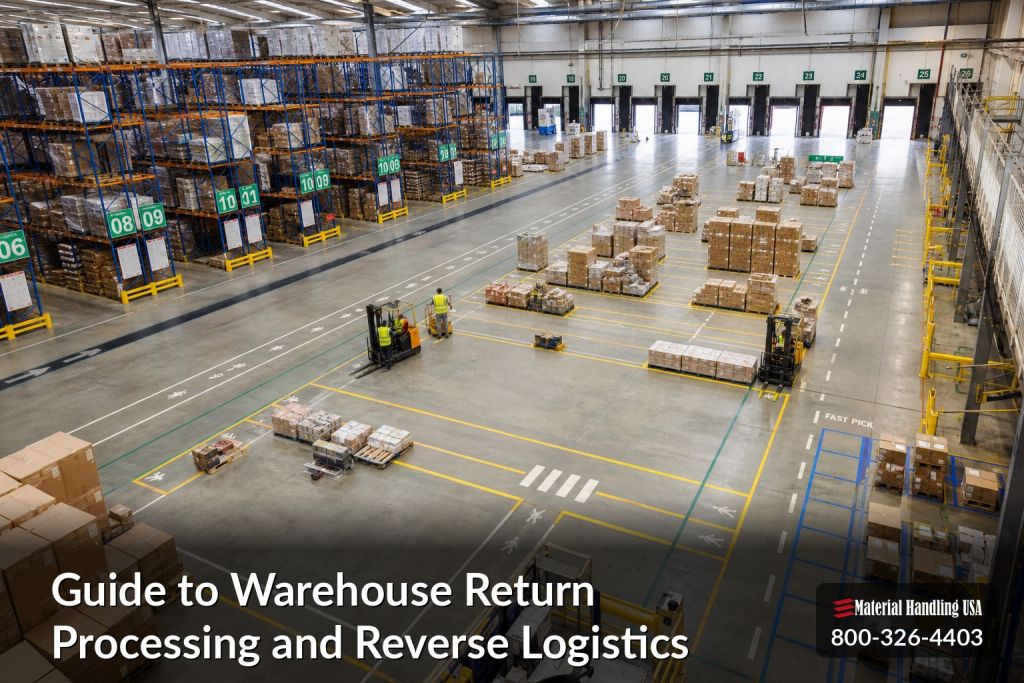
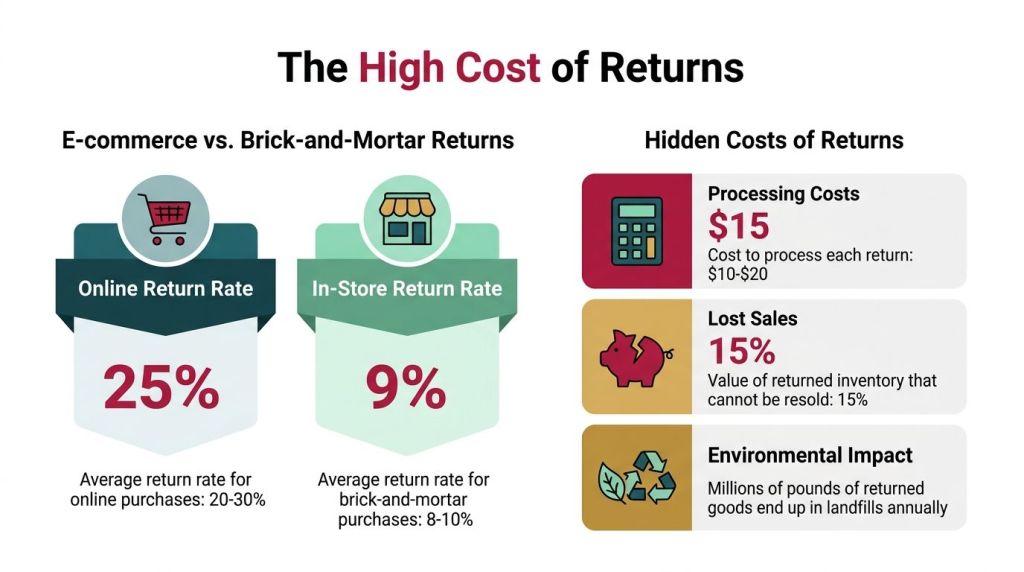
Online returns have become a warehouse design problem, not just a customer service issue. Global ecommerce return rates reached 19 to 20.5% in 2026, compared with the 9% return rate typical of brick and mortar stores, and annual global ecommerce returns now exceed $640 billion according to HAI Robotics. When one in five online purchases can come back through your dock, returns stop being a side task and start shaping labor, storage, and floor layout.
Warehouse return processing and reverse logistics covers the full path of goods moving from the point of consumption back to origin or to a designated disposal site. That includes collection, transportation, inspection, sorting, final disposition, and the related data and financial transactions, as outlined by SEKO Logistics. For a facility manager, the primary question isn't whether returns exist. It's whether your building can process them without slowing outbound flow, tying up labor, or letting recoverable inventory sit too long.
The Growing Challenge of Returns Management
Returns pressure shows up first on the floor. A busy dock gets cluttered. Inspectors make ad hoc decisions. Sellable goods sit in cages or on pallets because no one has a clear next move. Every extra touch adds cost, and every delay puts more inventory at risk of markdown, damage, or write-off.
That is why warehouse return processing and reverse logistics should be treated like a production line with its own space, equipment, and rules. The process can recover value, support customer service, and improve inventory accuracy. It can also drain margin if it's handled in borrowed space with borrowed labor.
Why returns overload so many facilities
Several forces push return volume higher. Online buyers can't inspect products before purchase. Easy return policies increase convenience. Buying multiple sizes or variants to try at home also adds volume. The result is a reverse flow that is less predictable than outbound shipping and harder to standardize.
A strong returns operation does three things well:
- Separates inbound return work from outbound fulfillment so one doesn't choke the other
- Creates fast triage paths so each item gets a clear next destination
- Uses storage and workstations that match the condition of the product instead of dropping everything into a mixed holding area
Practical rule: If returned goods are waiting for space, waiting for an inspection station, or waiting for a location code, the bottleneck is usually physical before it's digital.
What good operations managers look for
Managers usually focus on labor first, but layout often drives labor waste. If staff walk returned items across the building for inspection, then back again for storage, then over to repack, the process is broken even if the software is solid.
The best return areas are designed around movement. Products come in, get checked, get sorted, and move to the right lane without sitting in limbo. That sounds simple, but it takes dedicated zones, durable shelving, clear signage, and enough flexibility to handle changing SKU mix.
Mapping the End-to-End Reverse Logistics Workflow
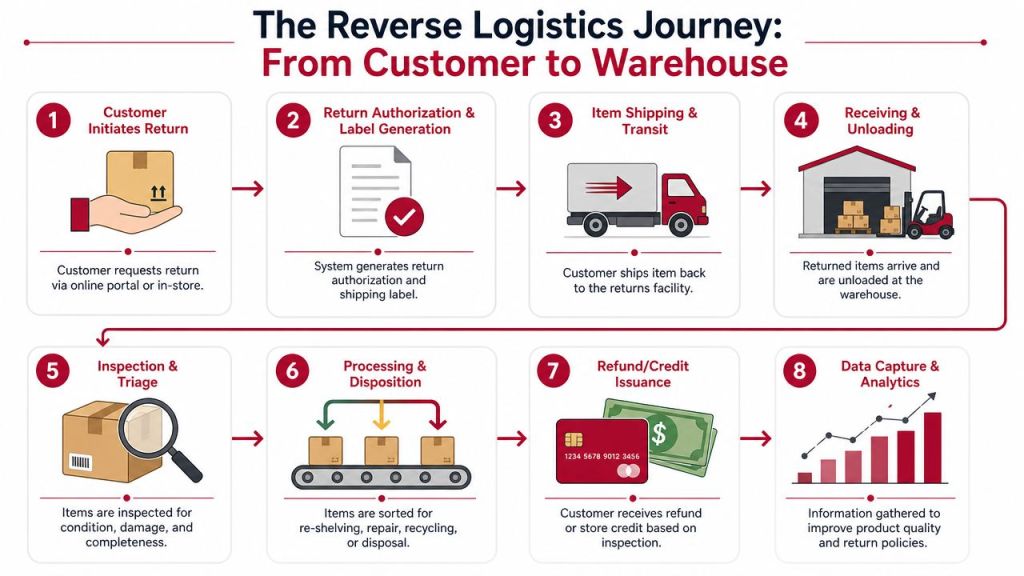
A return should move through a defined path. If teams invent the process one carton at a time, cycle time stretches and errors multiply. Manhattan Associates breaks reverse logistics into five stages: Process the Return, Return Categorization, Continued Return Process Flow, Repairs, and Recycle in its reverse logistics guide. That framework is useful because it forces the facility to think beyond receiving.
The physical flow inside the building
The basic workflow usually looks like this:
-
Return intake
The facility receives the item and checks the paperwork, label, or return authorization. -
Dock receiving
Staff unload, sort by type or priority, and route products into the returns area instead of letting them pile up in general receiving. -
Inspection and sorting exam
During inspection, trained staff verify functionality, check cosmetic damage or missing parts, and confirm safety compliance before assigning a path such as restock, refurbishment, recycling, or disposal, as described by Fishbowl Inventory. -
Disposition decision
The item moves to the correct next destination. -
Inventory and financial update
Systems are updated so the product status, location, and customer resolution match the physical outcome.
A simple way to control sorting
A practical starting point is the three-bin system. CYZERG describes this as routing items into one of three destinations: restock, discard, or return to supplier in a dedicated returns area, which keeps stock flow organized from arrival (CYZERG reverse logistics process).
That simple structure works because it removes hesitation at the first decision point.
| Return stage | Main question | Typical equipment need |
|---|---|---|
| Receiving | What arrived and where does it go first | Dock carts, pallet jacks, labeling tools |
| Inspection | Is it complete, safe, and resellable | Workstations, task lighting, bins |
| Sorting | Which disposition lane fits this item | Shelving, carts, floor labels |
| Repair or repack | Does it need work before resale | Benches, parts bins, packing supplies |
| Final holding | Where does it wait for next movement | Pallet rack, carton flow, secure cages |
Returned goods should move from uncertainty to certainty as fast as possible. Good workflows reduce the number of times a product is touched before that decision is made.
What tends to break down
Most failures happen in the middle of the process, not at the door. Receiving teams can unload quickly, but inspection often can't keep pace. Once products stack up there, everything downstream slows. That is why the return path needs enough stations, enough temporary storage, and clear rules for what belongs where.
How Returns Sorting Works on the Warehouse Floor
Returns sorting is the step that turns a mixed pile of inbound product into clear, single-destination lanes. It sits between inspection and final disposition, and it is where most returns operations either stay fast or fall behind. Good sorting means every item has one obvious place to go the moment its condition is known.
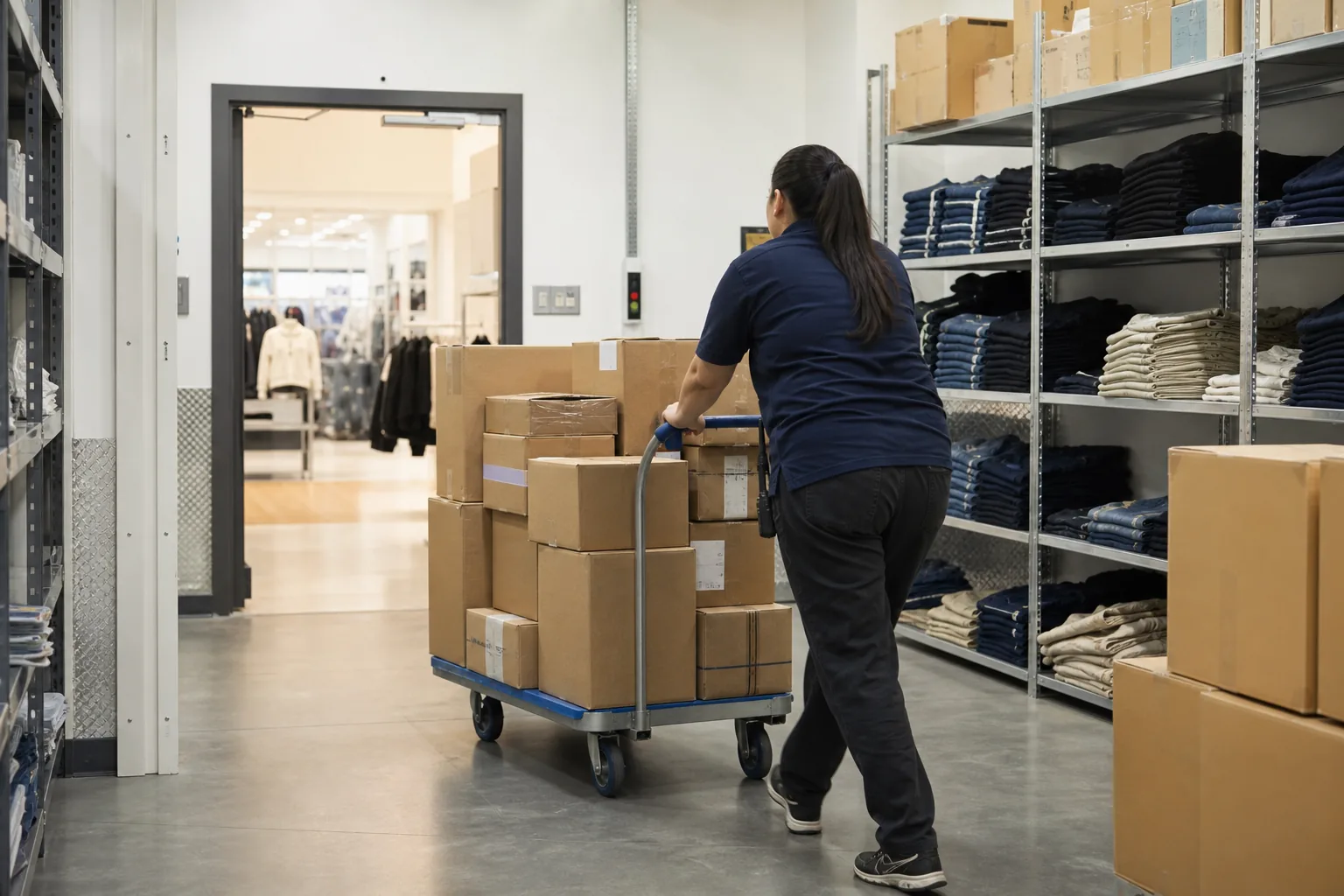
A returns sorting process in a warehouse usually follows a few simple rules:
- Sort by disposition, not by product so restock, repair, supplier return, recycle, and discard each get their own lane.
- Give each lane real storage using adjustable wire shelving or bins so items are not stacked on the floor.
- Keep fast movers close so sellable product reaches restock quickly, sometimes through carton flow rack that feeds picking without extra handling.
- Plan for volume swings so lanes can grow or shrink with the season, which is where high-density mobile shelving helps.
The goal of returns sorting is to remove the second guess. When a worker already knows which lane an item belongs to, the return keeps moving and the floor stays clear.
Designing an Efficient Returns Processing Area
The biggest gains in returns usually come from physical design. Data from Infor shows that 40 to 60% of returned inventory loses significant value while waiting in triage or inspection queues. That is a layout problem as much as a policy problem. Flexible, modular return zones recapture value faster because they reduce dwell time where products are stalled.
Third party logistics operations feel this pressure most, because returns stack up across several client accounts at the same time. For a wider look at separating and storing multi-client inventory, see our guide to 3PL warehouse storage solutions.
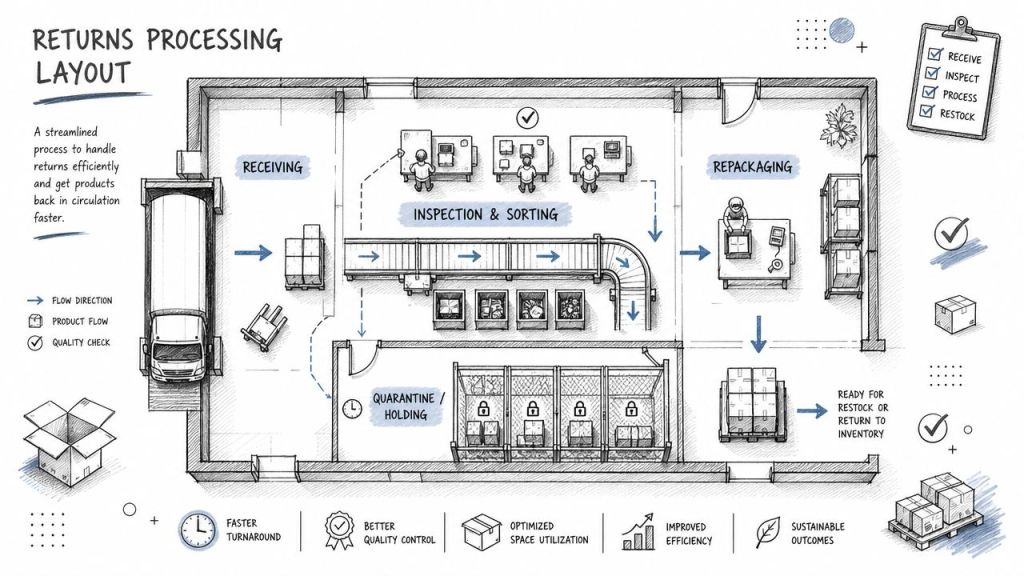
The zones that matter most
A returns area should be divided into clear working zones, not one open patch of floor.
-
Receiving zone
The receiving zone is the initial point for incoming returns. Keep it close to the dock and give staff room to stage inbound product by carrier, condition, or product family. -
Quarantine zone
Use this for questionable, damaged, or regulated items that need review before they mix with other inventory. -
Inspection zone
This needs benches, lighting, labeling supplies, documentation tools, and enough elbow room to open cartons without creating clutter. -
Disposition zone
Once inspection is done, products should flow immediately into restock, repair, supplier return, recycle, or discard lanes. -
Packing and relabeling zone
Some items are ready for resale once they are cleaned, bagged, repacked, or relabeled.
Why modular equipment wins
Fixed layouts can work in stable operations. Returns usually aren't stable. SKU mix shifts. Holiday volume hits differently than the rest of the year. Product categories need different handling. That is why modular benches, mobile shelving, wire shelving, carts, and reconfigurable rack bays usually perform better than a rigid layout.
Here is what works in practice:
| Need | What usually works | What usually fails |
|---|---|---|
| Fast triage | Mobile carts and clearly marked sort lanes | Mixed piles on pallets |
| Variable SKU sizes | Adjustable shelving and modular benches | Fixed slots sized for one product type |
| Limited floor space | Vertical storage and high-density shelving | Wide stagnant holding areas |
| Repack work | Dedicated stations with supplies at reach | Packing on random tables |
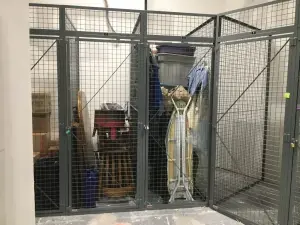
| Security or compliance | Caged or controlled access areas | Open staging with unclear ownership |
For specialized streams, outside resources may also matter. If your operation handles electronics or retired hardware, guidance around logistics for IT equipment disposal can help shape compliant handling paths without forcing those goods into your standard retail return flow.
Layout should reduce walking, waiting, and rehandling
A return shouldn't cross the building three times. Put receiving near inspection. Put inspection near sorting. Put repack near final staging. Then size each zone for the actual work, not for what happened to fit in the corner last year.
If you're reworking the footprint, a planned approach to warehouse design and layout solutions helps identify where shelving, workstations, racking, cages, and traffic paths will remove friction before equipment is ordered.
The fastest return is not the one processed by the best policy. It's the one that never has to wait for a location, a person, or a bench.
Reverse Logistics and Asset Disposition
Returned goods are part of reverse logistics from the moment they leave the customer until they reach their final home, whether that is resale, repair, a supplier, a recycler, or disposal. Asset disposition is the decision at the end of that path. It answers one question for every returned item: what is the best recovery route given its condition, value, and any compliance rules.
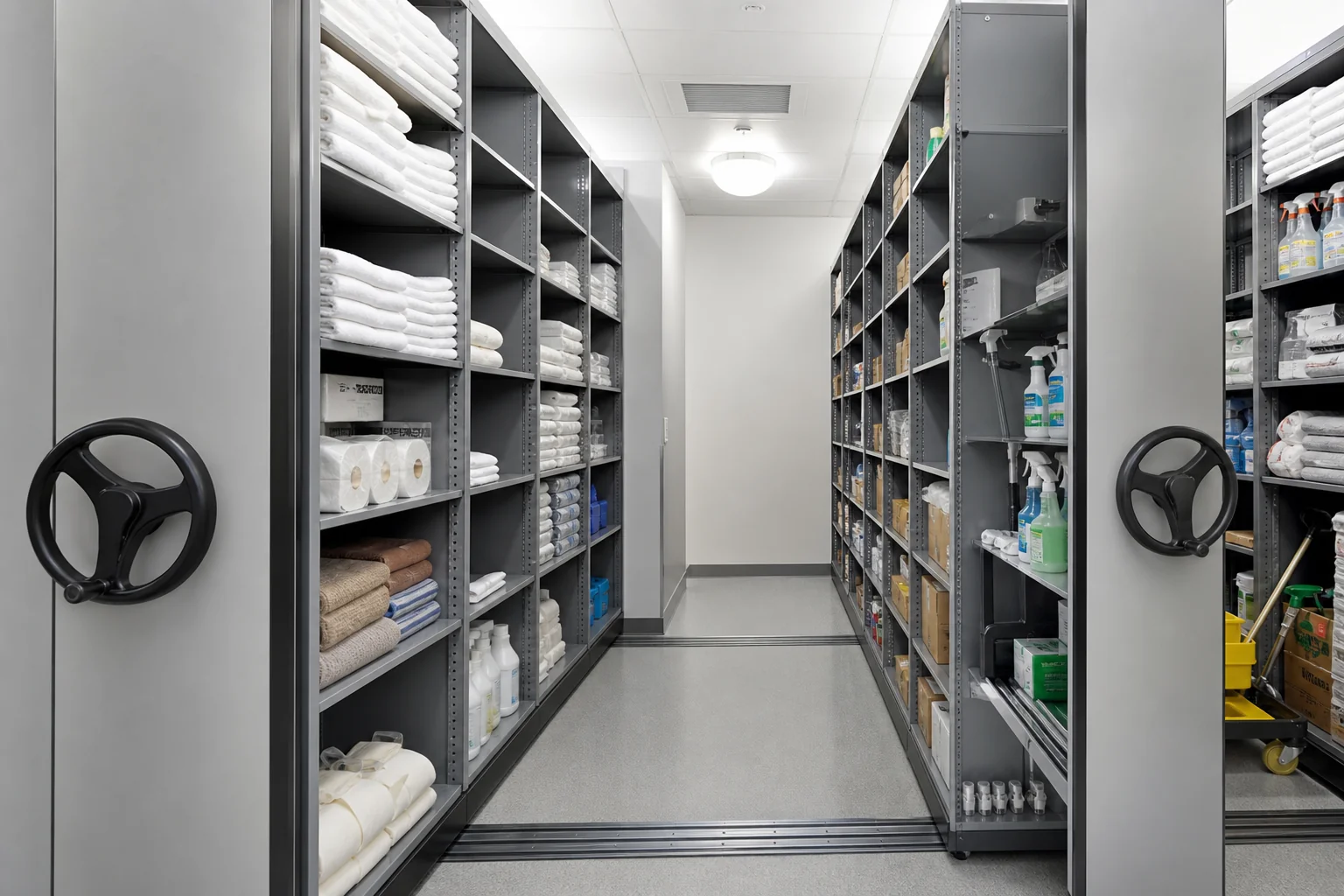
A clear disposition framework usually sorts returned assets into a few recovery routes:
- Restock for sellable product that passes inspection and can go straight back to inventory.
- Refurbish or repair for items that need light work before resale.
- Return to supplier or liquidate for product you cannot resell through normal channels.
- Recycle or dispose for items past recovery, handled under the right documentation.
Value drains while an asset waits for that decision, so the storage behind each route matters. Graded stock that is awaiting disposition needs organized holding, not a corner of the dock. Adjustable industrial shelving and structured storage planned with our pallet rack configurator keep awaiting-disposition inventory visible and easy to move when the call is made.
Warehousing Returned IT Equipment
Returned IT equipment and electronics need a tighter path than standard retail returns. Laptops, servers, network gear, and similar assets often carry data, warranty terms, and disposal rules that ordinary product does not. The main options for warehousing returned IT equipment are:
- Secure quarantine holding in a locked area until data handling and grading are complete.
- Controlled shelving for refurbish or redeploy so tested units are separated from untested ones.
- Documented disposal or recycling lanes for end-of-life hardware that must leave with a paper trail.
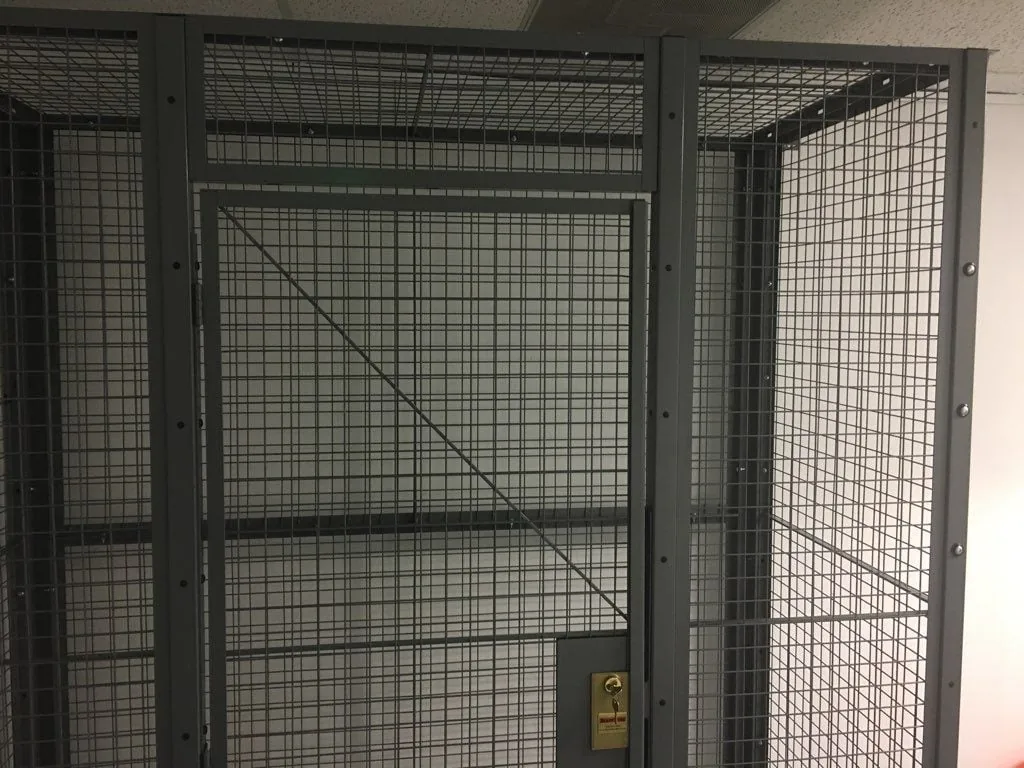
Because these assets are high value and sometimes regulated, controlled access matters. A security cage configurator lets you lay out a locked, access-limited home so returned electronics are tracked from intake to final disposition.
Operational Best Practices and Key Performance Indicators
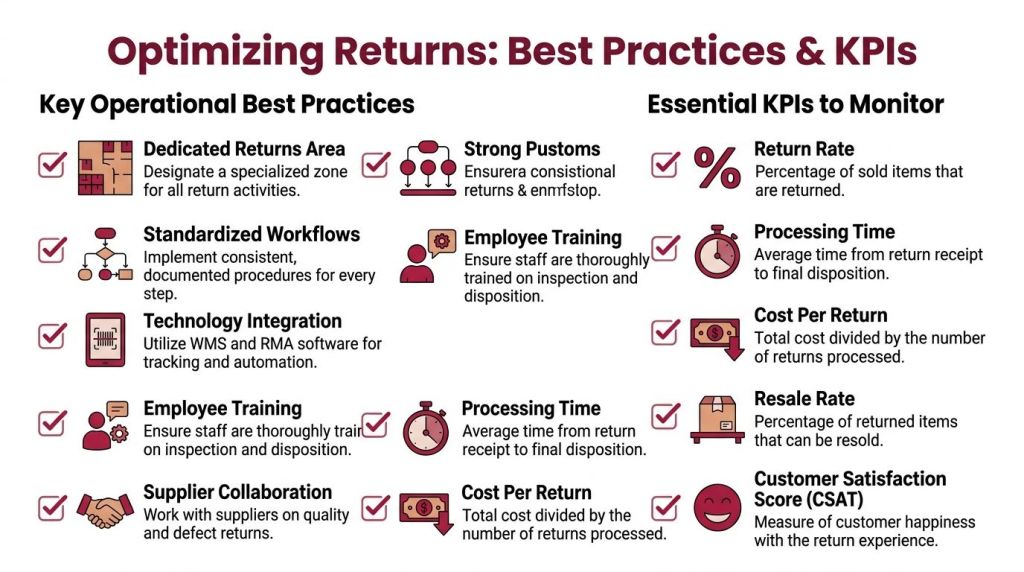
Once the floor is set up, execution comes down to discipline. Teams need standard work, clean handoffs, and a short list of metrics that reflect what is really happening. One of the most effective practices is dynamic dispositioning. Tompkins notes that it enables real-time decisions on whether to restock, refurbish, or liquidate items based on condition notes and reason codes captured at intake, which reduces the time products spend in limbo (Tompkins reverse logistics article).
Best practices that hold up under pressure
- Use reason codes at intake so the inspector starts with context instead of guessing
- Separate sellable from questionable product early to protect fast restock opportunities
- Standardize inspection steps by product family so outcomes are consistent across shifts
- Store supplies at the station because shared tools create waiting
- Create escalation rules for hazmat concerns, warranty questions, or missing components
Some teams also improve decision quality by tightening upstream item data. Work on streamlining product data flow can help align return reasons, SKU details, and condition data so the warehouse is not cleaning up preventable information gaps.
The KPIs worth tracking
You don't need a giant dashboard. You need metrics that expose delay and waste.
| KPI | How to use it | What it reveals |
|---|---|---|
| Processing time | Measure from receipt to final disposition | Whether goods are sitting too long in queues |
| Cost per return | Divide total handling cost by number of returns | How labor and touches are trending |
| Inventory accuracy | Compare physical status to system status | Whether returns are getting lost or misrouted |
| Space utilization | Review how effectively return zones are filled | Whether the layout supports volume swings |
| Labor efficiency | Track work output against staffing | Whether stations and flow are balanced |
Material handling teams often start by measuring baseline conditions before changing the layout. In many facilities, better slotting, denser storage, and stronger work flow produce 30 to 50% better space utilization while also improving retrieval time, based on project tracking used by Material Handling USA. That kind of improvement matters because return areas often get pushed into expensive floor space.
Leveraging Technology for a Smarter Returns Process
Technology should support floor flow, not replace it. But without digital visibility, a return can disappear into a black hole of status changes, handwritten notes, and delayed updates. That is why software investment is climbing. The global returns management software market is projected to reach $1.6 billion by 2030, reflecting the industry shift toward automation and the 17% post-holiday surge in return volumes that retailers experience annually, according to WiFiTalents returns industry statistics.
The systems that matter on the floor
A modern returns setup usually depends on three tools working together:
- WMS integration so location, status, and inventory availability update correctly
- Barcode scanning so products are identified quickly and consistently
- Return management tools so authorization, reason codes, and status stay connected to the physical item
For teams comparing software stacks, this guide on choosing automated data processing tools is useful because it frames automation around workflow fit, not just features.
RFID and conveyor support
RFID adds another layer of control. Peak Technologies explains that RFID provides real-time visibility of returned goods through smart tags, updates inventory levels in the WMS upon return, and helps prevent misrouting and loss in reverse shipments through RFID in reverse logistics. That matters most in high-volume returns or in operations where items move through several internal handoffs before final disposition.
Physical movement still matters. If products queue up between inspection and sort lanes, software won't fix the backup. In those cases, planned flow using warehouse conveyor systems can reduce manual carrying, shorten travel paths, and create steadier movement between stations.
Sustainable and Compliant Reverse Logistics Strategies
Sustainability and compliance both start with control. If the warehouse doesn't know what came back, what condition it is in, and where it went next, then recycling claims, packaging recovery, and audit trails all become weak points.
That gap is showing up in packaging recovery. According to PLA Solutions, 70% of retailers claim sustainability goals, but less than 15% have implemented closed-loop pallet and packaging recovery systems because ROI models are unclear. In practice, that means many operators talk about circularity but still manage pallets, totes, dunnage, and corrugated as waste streams instead of assets.
Practical ways to build a cleaner return flow
A sustainable reverse logistics plan doesn't have to start with a major program. It can start with a few disciplined choices:
- Route reusable packaging into its own lane so it isn't mixed with damaged waste
- Inspect for refurbishment before disposal when product category and condition allow it
- Document final disposition paths for regulated goods, electronics, or controlled inventory
- Use dedicated containment for evidence, medical, or high-security items that need traceability
Compliance depends on documented movement
Facilities that handle electronics, medical supplies, lab materials, or secure inventory need more than speed. They need traceable movement, controlled access, and repeatable handling steps. In those environments, reverse logistics isn't just about value recovery. It's about proving the process held up when someone reviews it later.
A compliant returns process is usually a well-organized process. The same controls that support an audit also reduce lost inventory and unnecessary handling.
Frequently Asked Questions About Reverse Logistics
Which area in a returns station usually creates the worst bottleneck
Inspection and triage usually slow first. That is where decisions happen, cartons are opened, condition is verified, and exceptions show up. If benches are undersized or staging is unclear, products pile up there fast. The fix is usually more station capacity, better sort lanes, and shorter travel from receiving to inspection.
What are the best first steps if the budget is limited
Start with floor logic before automation. Mark clear zones, separate restock from problem items, standardize intake labels, and add basic shelving or carts so product is not sitting on pallets in mixed condition. Small physical changes often remove more delay than a bigger software project.
How do I know whether to restock, repair, return to supplier, or discard
Use written decision rules by product family. The rule should consider condition, completeness, packaging status, safety, and resale path. If teams decide differently on each shift, recovery rates will drift and inventory accuracy will suffer.
Is a dedicated returns area really necessary
Yes, in most busy facilities. Shared space sounds efficient, but it often creates conflict with outbound work. A dedicated area keeps returns from spilling into picking, packing, and shipping zones and makes training easier because the process stays consistent.
What metrics should I review first
Start with processing time, inventory accuracy, space utilization, and labor efficiency. Those measures tell you whether the process is moving, whether system status matches physical status, whether the area is sized well, and whether staff are spending too much time handling the same item.
How should customer policy connect to warehouse execution
The warehouse needs clean, readable return instructions and reason codes that match actual handling paths. If policy says one thing and the floor must improvise another, cycle time and exceptions both rise. For policy details tied to customer-facing returns, review the refund and returns information and align internal handling rules with what customers are told.
When should I add automation
Add automation after the process is stable enough to automate. If the floor path is messy, automation usually makes the mess move faster. Start with standard work, then add scanning, routing logic, and movement equipment where those tools remove repeated manual steps.
What is returns sorting and why does it matter
Returns sorting is the step where each inspected item is routed to a single disposition lane such as restock, repair, supplier return, recycle, or discard. It matters because unsorted returns pile up and lose value fast. Clear lanes with real shelving keep product moving from inspection to its next destination without a second decision.
What are the options for warehousing returned IT equipment
Returned IT equipment usually needs secure quarantine holding until data is handled, controlled shelving that keeps tested units apart from untested ones, and documented disposal or recycling lanes for end-of-life hardware. A locked security cage or controlled-access area keeps these high-value, sometimes regulated assets traceable from intake to final disposition.
Conclusion Your Next Step to a Better Returns Process
Returns are no longer a side issue for most facilities. They affect dock flow, labor planning, floor space, inventory accuracy, and how much value you can recover from incoming product. A strong warehouse return processing and reverse logistics plan depends on two things working together. First, a clear workflow with fast disposition decisions. Second, a physical layout with the right shelving, workstations, storage zones, and movement paths to keep product from stalling.
Teams that plan earlier usually get better layouts, smoother installs, and fewer compromises on space. They also avoid the common mistake of forcing returns into leftover square footage and then paying for that decision in labor and delay.
If you're reviewing equipment, planning a rework of your returns area, or trying to prevent the next seasonal backlog, this is a good time to tighten the process before demand puts more pressure on the floor.
Material Handling USA can help you plan a better returns operation with competitive pricing, fast shipping and delivery, quality products, free layouts and designs with no obligation, and free quotes. To discuss shelving, workstations, rack, conveyors, cages, or a full facility layout, Contact Us or Request a Quote. If you'd rather talk through the project now, Call (800) 326-4403 or email Sales@MH-USA.com.