
Outdoor Yard Cantilever Rack on Concrete Footings: Big Yeti Builders, Ogden, UT
How an Ogden builder set double-sided cantilever rack on poured concrete footings in its yard, paired it with selective pallet rack and wire decks, and had both systems installed in a single order.
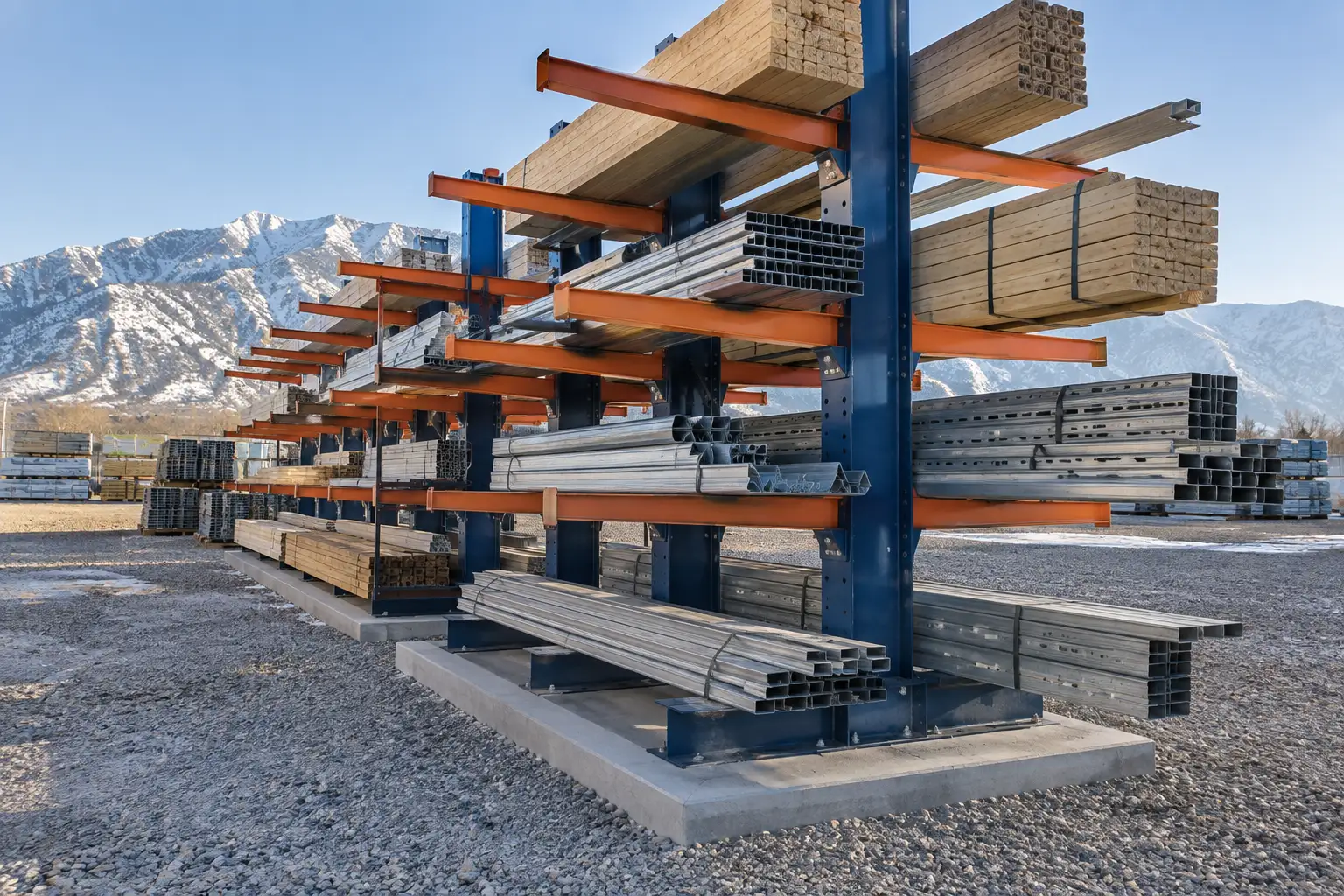
Ogden, UT
Project location
2024
Ordered
Double-sided
Yard cantilever rows
3,200 lb
Rating per 4-ft arm
Shop Outdoor Cantilever Rack by Category
Outdoor yard rows use the same uprights, arms and brace sets as indoor rack, with galvanized finishes available for weather exposure. Each card opens a shop category. Prices are current online prices; freight is quoted by destination and some common sizes in stock at select manufacturers, subject to confirmation. For a full layout, longer arms or freight-rated orders, request a free quote or plan it in the Cantilever Rack Configurator.
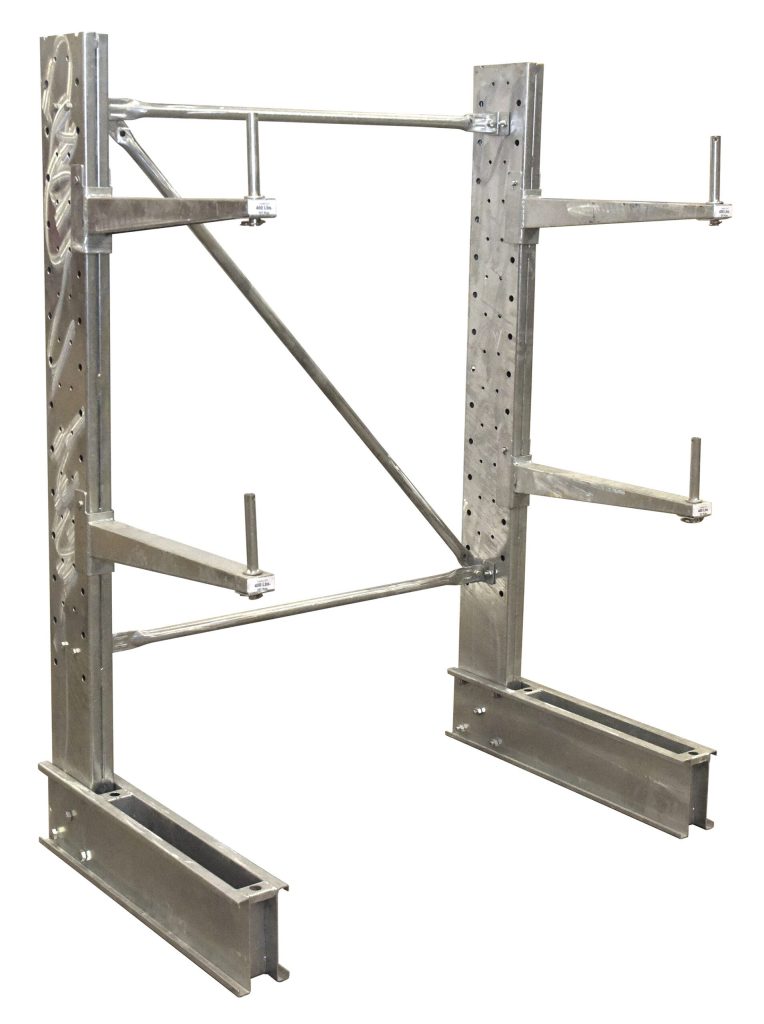
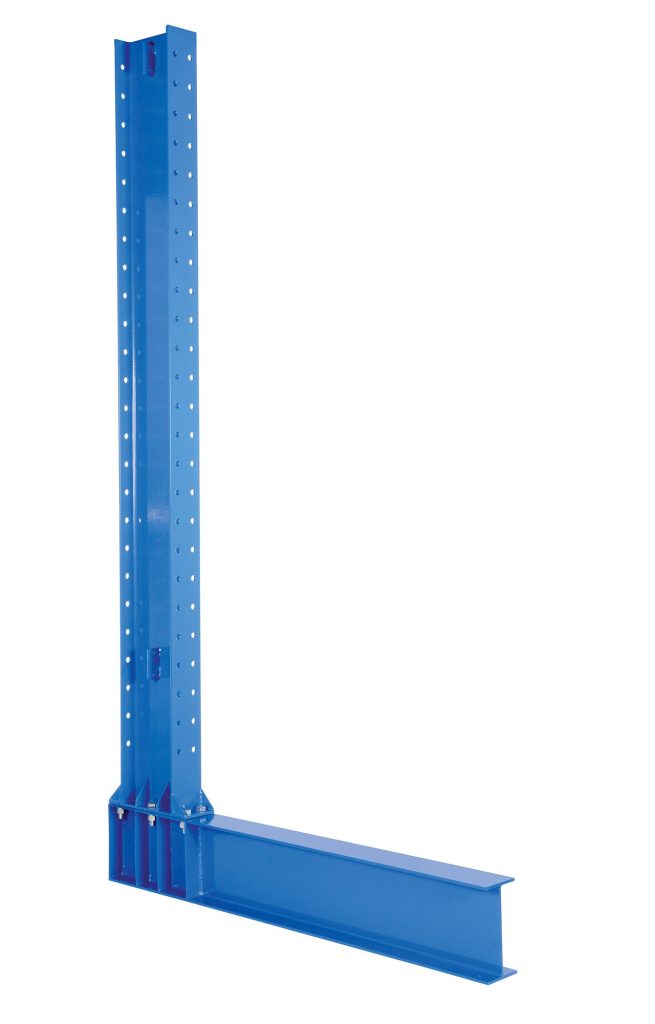
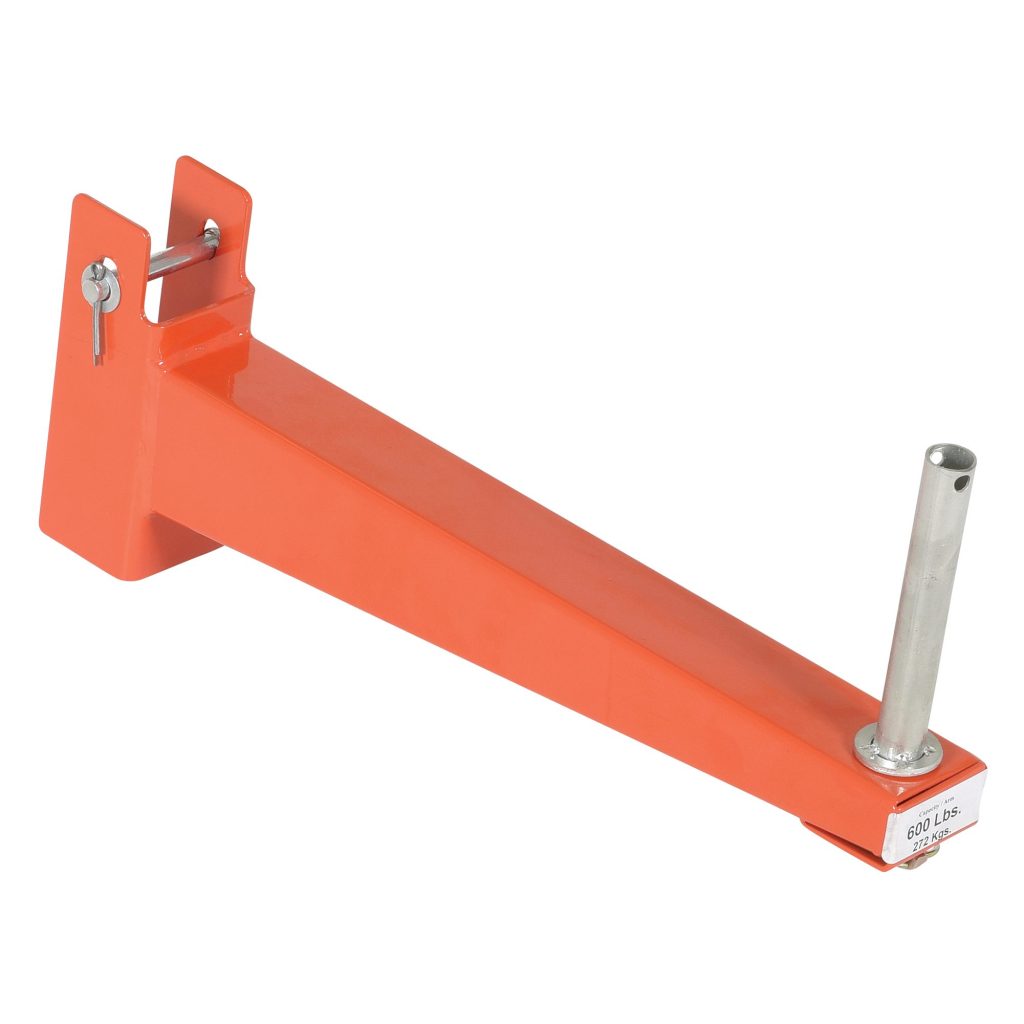
The Project: A Builder’s Yard That Needed Real Storage
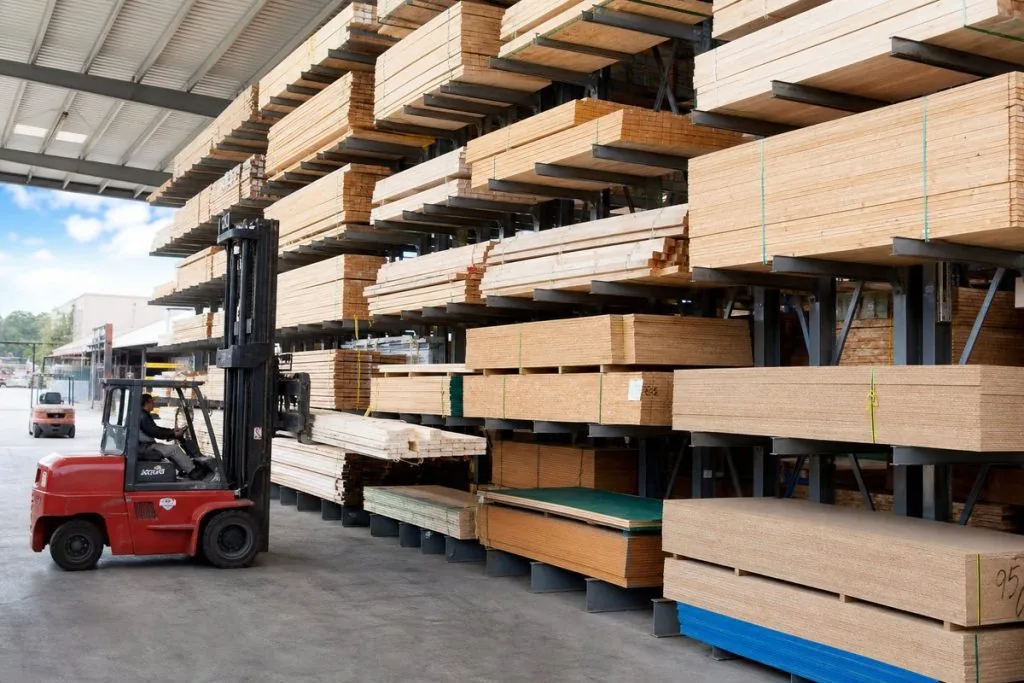
Big Yeti Builders is a construction company based in Ogden, Utah. Like most builders, it keeps two very different kinds of inventory: long material that lives outside in the yard, and boxed or palletized material that needs a shelf. The long material is the harder problem. Lumber, studs, trim and other lengths do not fit on a pallet rack shelf, and when they are stacked on the ground the piece you need is always underneath the piece you do not.
Chris Rodgers first quoted pallet rack and cantilever rack with installation in April 2023. The project came back in January 2024, when Chris sent a revised quote with updated rack and installation pricing. Within four days the order was signed, and the rack was scheduled to ship the following week. The customer’s questions in between are what make this project useful to anyone planning a yard: whether decking was included for the pallet rack, whether installation was included, how big the concrete footings under the cantilever should be, and whether the weight limits worked for their material.
This page walks through each of those decisions. If you are comparing options for a yard along the Wasatch Front, our Salt Lake City and Utah cantilever rack page covers local supply, delivery and installation.
| Project detail | As ordered |
|---|---|
| Client | Big Yeti Builders (Ogden, UT) |
| Industry | Construction / builder |
| Cantilever rack | Nine 12-ft columns, fifteen 4-ft base sections, thirty-three 4-ft arms rated 3,200 lb each |
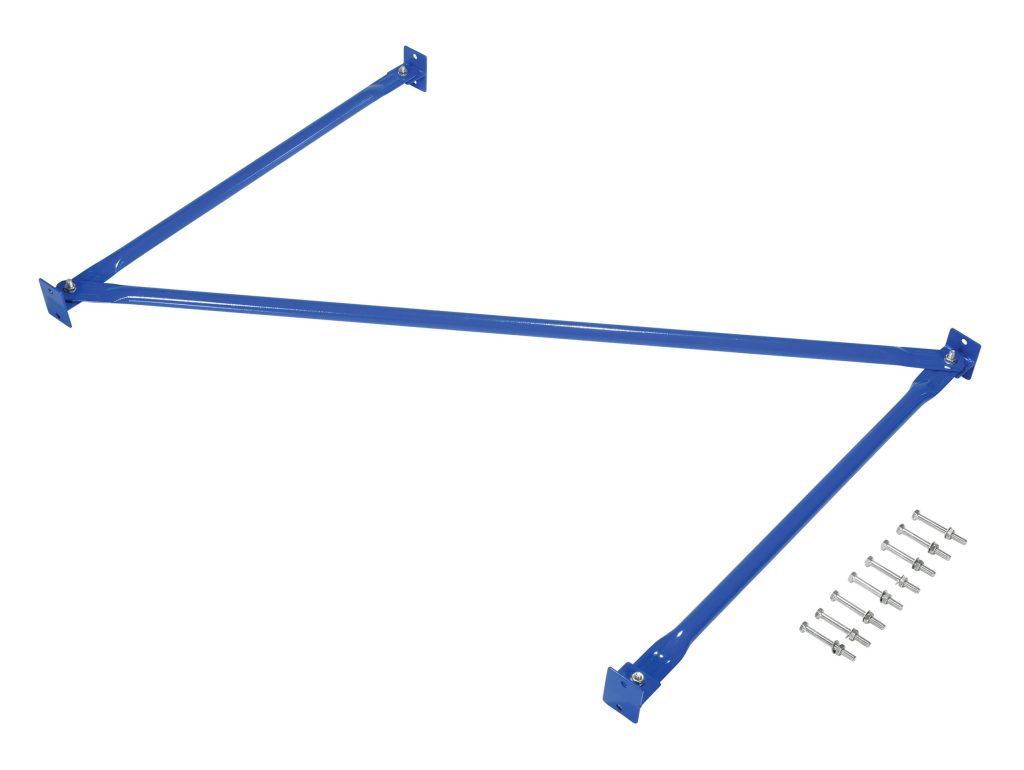
| Cantilever bracing | Six 6-ft brace sets (X-braces with horizontal braces) |
| Cantilever location | Double-sided rows in the outdoor yard, on customer-poured concrete footings |
| Pallet rack | Five 42-in x 120-in uprights, twenty-four 96-in step beams (4,570 lb per pair), 24 wire decks |
| Scope | Material, freight and installation by Material Handling USA |
Two Systems, One Order: Why Cantilever and Pallet Rack Went Together
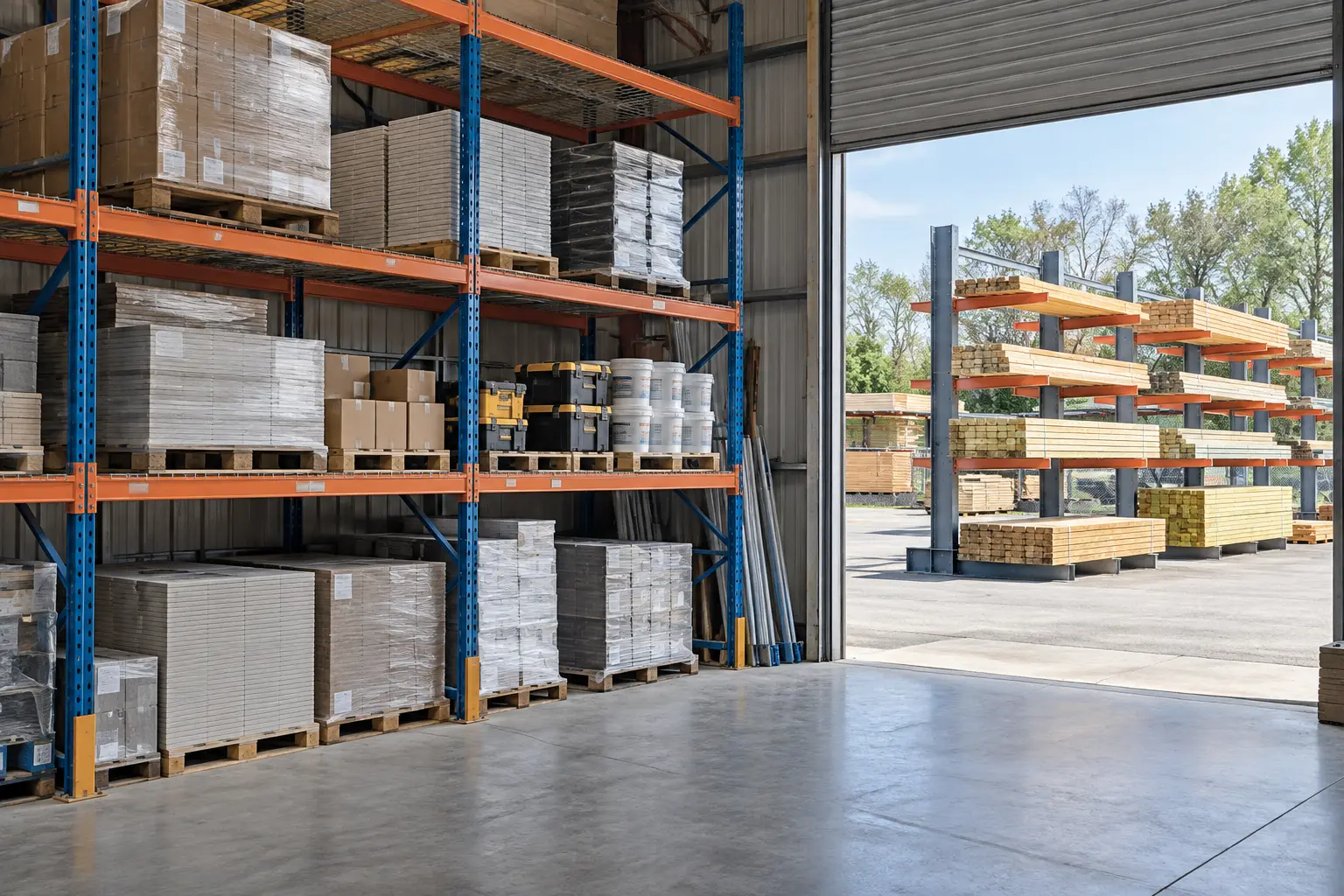
A builder’s inventory splits cleanly by shape. Anything that comes on a pallet or in a box, such as fasteners, tile, adhesives, tools and fixtures, belongs on selective pallet rack. Anything long belongs on cantilever arms, where there is no front upright to thread it past. Trying to force one system to do both jobs is where most contractor storage goes wrong: long stock laid across pallet rack beams overhangs the aisle, and small items on cantilever arms fall through the gaps.
This order handled both at once. The pallet rack side used 10-ft uprights and 8-ft step beams rated 4,570 lb per pair. When the first revised quote arrived, the customer asked whether it included the mesh for the pallet racks. It did not, so Chris added 24 wire decks, one per beam level. Wire decking gives boxed and loose items a continuous surface, stops small cartons from dropping between beams, and lets sprinkler water and light pass through.
Buying the two systems together also meant one delivery, one installation crew and one schedule, which matters on a working site where the yard has to be prepared in advance.
Sizing Concrete Footings for Outdoor Cantilever Rack
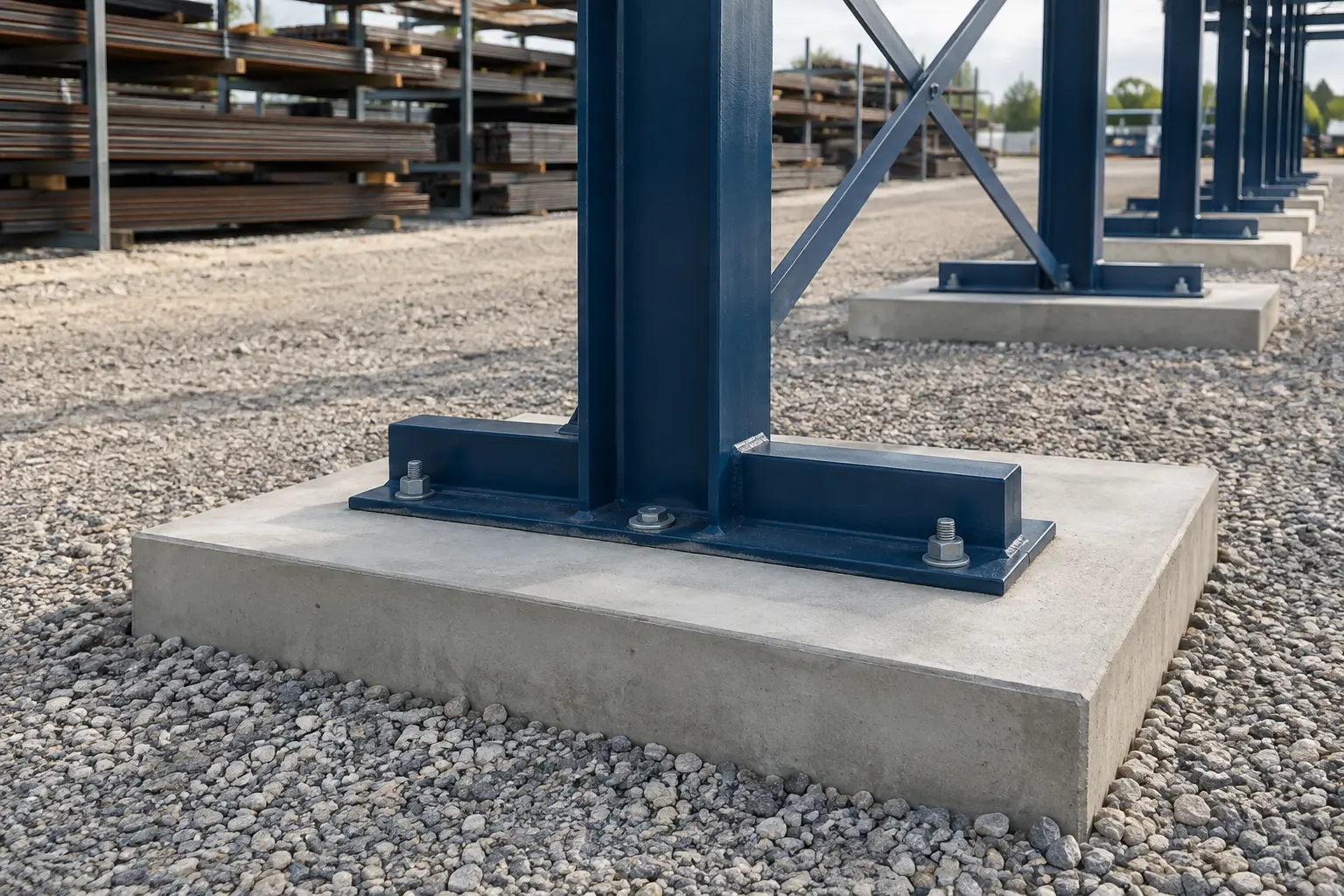
The most practical question in the whole project came from the customer: they were putting the double-sided cantilever racks in the yard and would be pouring footings, so how big should the footings be? A yard surface of gravel or compacted fill cannot hold an anchor, and asphalt is a poor anchoring surface as well, so the concrete under each base is effectively part of the rack.
Chris’s answer started from the rack, not the yard. A footing is sized from the base it carries. On this system a double-sided base measures 8 ft 10 in end to end, so he recommended carrying the concrete 12 inches past each end, for 10 ft 10 in of length. A single-sided base measures 4 ft 10 in, so that footing would run 6 ft 10 in. The bases are 4 inches wide, so each footing should be at least 2 ft 4 in wide. Because the arms and braces were ordered at 6 ft on center, the footings are centered 6 ft apart so each one lands exactly under a column.
Two more rules finished the answer: every footing at least 6 inches deep and perfectly level, and set slightly above the surrounding ground, by a couple of inches, rather than flush with it.
| Footing rule | Figure used on this project | Why it matters |
|---|---|---|
| Length | Base length plus 12 in at each end (10 ft 10 in double-sided, 6 ft 10 in single-sided) | Anchors need concrete beyond the last bolt, and the base must never overhang the edge |
| Width | At least 2 ft 4 in for a 4-in-wide base | Room for anchor edge distance on both sides of the base |
| Spacing | Centered 6 ft apart, matching the 6-ft arm and brace spacing | Brace sets are a fixed length, so footings that drift will not line up with the columns |
| Depth | At least 6 in | A minimum for anchoring; soils, frost and code can require more |
| Level | Perfectly level | A base that is out of level puts the whole column out of plumb |
| Height | A couple of inches above grade | Keeps base plates out of standing water and snowmelt |
These figures were a rule of thumb for this specific rack. Outdoor foundations are also governed by the local building department, soil conditions, frost depth and wind exposure. In many Utah jurisdictions an outdoor rack or its foundation needs a permit and engineered drawings, so check before you pour. If you need help with layout or engineering, our rack design services team can start from your material list.
Why Double-Sided Cantilever Suits an Open Yard

Inside a building, cantilever often runs single-sided against a wall, because the wall is the only place a row can go. Our single-sided building materials yard project in Boise is a good example of a perimeter run. An open yard is different. A row standing on its own footings can be loaded from both aisles, which roughly doubles the storage along the same run of columns and footings.
Double-sided rows also load more evenly. When both faces carry material, the overturning forces on each side of the column partly offset each other, and the long base spreads the load across the footing. That balance is only real when the loading is reasonably even, so the practical rule is to fill both faces level by level rather than filling one side to the top first.
The trade-off is space. A double-sided row needs an aisle on each side wide enough for a forklift to turn a long load, and each footing is roughly twice as long as a single-sided one. On a yard with room to work around the row, that is usually a good trade.
| Single-sided row | Double-sided row | |
|---|---|---|
| Typical location | Against a wall or fence line | Free-standing in the yard |
| Access | One aisle | Two aisles |
| Base and footing | About half the length | Longer base, longer footing |
| Loading discipline | One face | Load both faces evenly, level by level |
| Best fit | Tight sites, perimeter storage | Open yards with room for two aisles |
Checking the Weight Before Ordering
Before signing, the customer told Chris they needed to do some math to make sure the weight limits were right. The next afternoon they confirmed they were good on the weight and asked to place the order. That step is worth copying, because it is the one most often skipped.
The arms on this project are 4 ft long and rated 3,200 lb each. That rating belongs to one arm at that length with the load spread across it. It is not a rating for a level, and it is not a rating for a longer arm of the same family. The practical check is simple: weigh a typical bundle, work out how many arms that bundle actually rests on, and divide. A lift of lumber resting on three arms puts roughly a third of its weight on each, provided it sits across the arms rather than near the tips.
The columns and bases have their own limit, which must carry every loaded arm above them. Asking for the column capacity for your exact height and arm count, and comparing it with the heaviest realistic full load, completes the check.
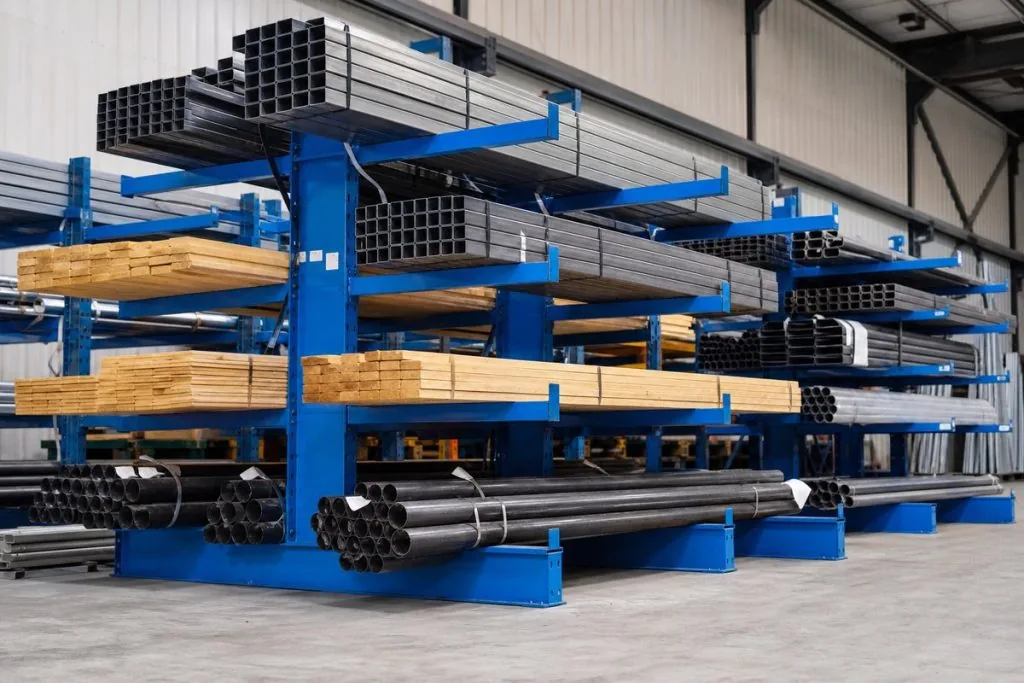
Weigh the heaviest bundle
Use the heaviest lift you actually receive, not an average one.
Count the arms it rests on
Bundle length and column spacing decide how many arms share the load.
Compare with the arm rating
Weight per arm must stay under the rating for that arm length.
Check the column
Add every loaded arm on the column and compare with its published capacity.
Design, testing and use of industrial steel cantilever racks is covered by ANSI MH16.3. Post the rated capacities at the rack where operators can see them.
Outdoor Yard Constraints Along the Wasatch Front

An outdoor cantilever row faces loads an indoor row never sees. Wind acts on the rack and on the material stored on it, and a row loaded with sheet goods or tall bundles presents a large face. Snow adds weight to every loaded arm, and Northern Utah winters can leave a real snow load sitting on top of stored material. Freeze and thaw cycles work on footings that were poured without regard to frost depth or drainage.
Finish matters too. Standard painted rack can be used outdoors, but base plates, bolts and the lower portions of columns take the most moisture, so galvanized components are worth pricing for a rack that will stand in the open for years. Raising footings slightly above grade, as Chris recommended here, helps keep water from pooling around the base plates in the first place.
If snow and weather are the bigger worry than footings, our guide to cantilever rack with a roof in Utah compares covered and open outdoor rows, snow on the top arms and galvanized finishes.
For a larger yard example with outdoor and covered storage, see our Utah lumber yard racking case study, and for application-specific guidance see cantilever racking for lumber storage and cantilever racking for metal and steel.
Delivery, Yard Prep and Installation
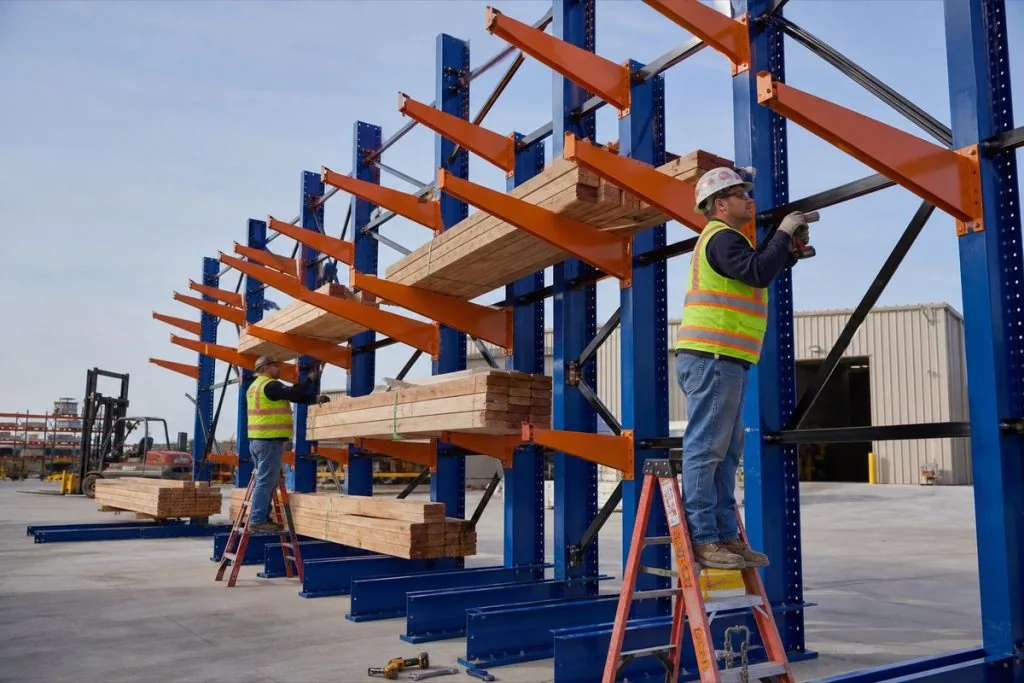
Installation was part of this order from the start. When the customer asked whether it was included, Chris confirmed it was, and the order was placed with installation by Material Handling USA’s crew for both the pallet rack and the cantilever rack. Once the rack was ready to ship, the customer’s first question was timing, because they wanted the yard prepared before the crew arrived. That is the right instinct: footings need time to cure before anchors are set and loads go on.
The delivery instructions are worth knowing if you are receiving any rack order. Someone needs to be available all day to receive the truck. Pallets have to come off by hand or forklift within a short unloading window, so plan equipment ahead or ask for a scheduled delivery. And every order should be inspected before the driver leaves, with any damage written on the delivery receipt so replacement parts can be sent.
| Step | Who | What to watch |
|---|---|---|
| Confirm configuration and footing plan | Customer and MH-USA | Base lengths and column spacing drive footing size |
| Pour and cure footings | Customer | Level, above grade, cured before anchoring |
| Receive and inspect delivery | Customer | Forklift or labor ready; note any damage on the receipt |
| Set, anchor and brace columns | Installation crew | Plumb columns, brace as the row grows |
| Hang arms and load evenly | Crew, then customer | Load both faces level by level, heaviest low |
| Inspect after the first winter | Customer | Anchors, base plates, bolts and any impact damage |
Workplace storage must be stable and secure against sliding or collapse under OSHA 29 CFR 1910.176. For the full sequence from engineering and city permits to anchoring, assembly order and post-install inspection, see our cantilever rack installation guide for Utah.
What This Project Shows
Most of the success of an outdoor cantilever row is decided before the rack arrives. The footings were sized from the base lengths and column spacing, poured level and slightly raised, and ready before installation. The weight limits were checked against real bundles before the order was signed. And the builder bought pallet rack with wire decks in the same order, so every kind of inventory got the storage that fits its shape.
If you run a construction company, supply yard or fabrication shop in Ogden, Salt Lake City, Provo or anywhere in Utah, the planning conversation is short: what you store, how long and heavy the heaviest bundles are, whether the rack will stand indoors or in the yard, and what surface it will stand on. You can also browse our full range of Utah pallet rack and cantilever rack systems.
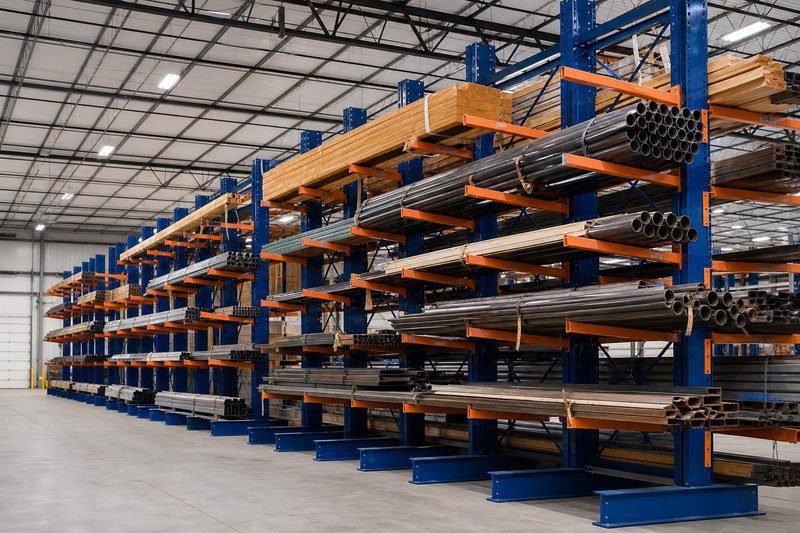 Cantilever Rack SystemsColumns, arms, bases and bracing for long material storage.
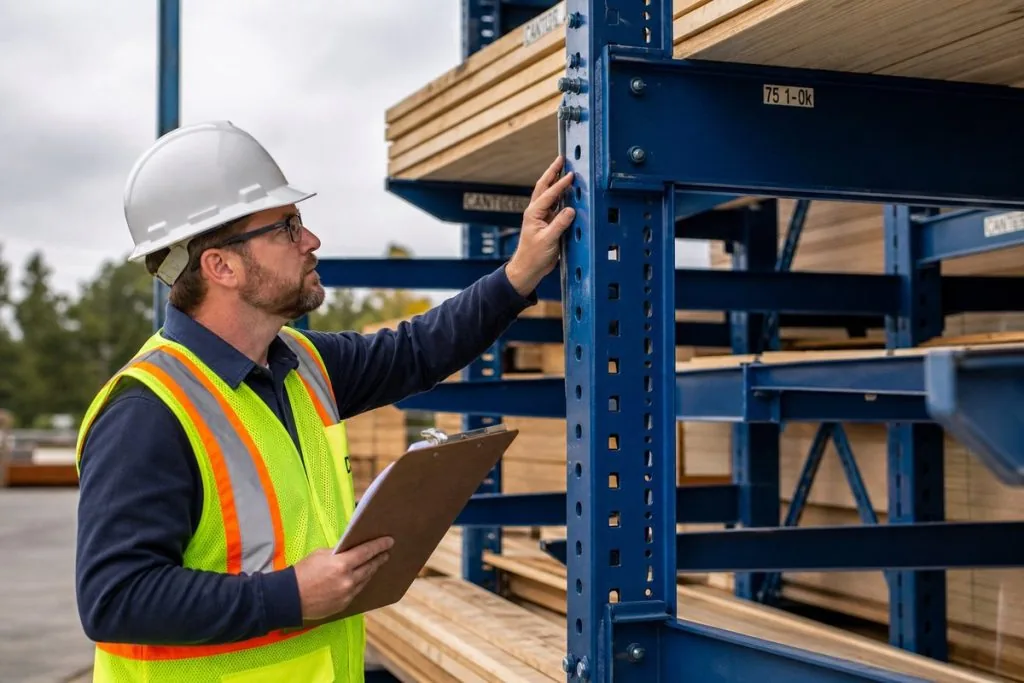 Cantilever Rack in Salt Lake CitySupply, delivery and installation along the Wasatch Front.
 Pallet Rack SystemsSelective pallet rack, beams and wire decking for palletized loads.
Outdoor Cantilever Rack FAQs
How big should concrete footings be for outdoor cantilever rack?
Can cantilever rack be anchored to gravel or asphalt?
Is double-sided or single-sided cantilever better for a yard?
What does a 3,200 lb arm rating mean?
Can we buy cantilever rack and pallet rack in the same order?
Does outdoor cantilever rack need a permit in Utah?
Does Material Handling USA install cantilever rack in Northern Utah?
Planning Cantilever Rack for Your Yard?
Tell us what you store, how heavy the biggest bundles are and what surface the rack will stand on. We will size columns, arms, bases, bracing and footings guidance, and quote supply and installation. Call 801-328-8788.