
Commercial Fleet Operation Security Cage: Flex Fleet Rental Case Study
How a commercial truck rental fleet controls keys, telematics units, upfit accessories, tires and consumables across a shop and a yard — where vehicles, drivers and contractors all come and go on somebody else’s schedule.

2019
Year Material Handling USA supplied security cage and wire mesh partition product
Salt Lake City
Where Flex Fleet Rental is headquartered
2013
Year the company was founded, renting commercial trucks and vans
Shop + yard
Two very different storage environments in one operation
The project
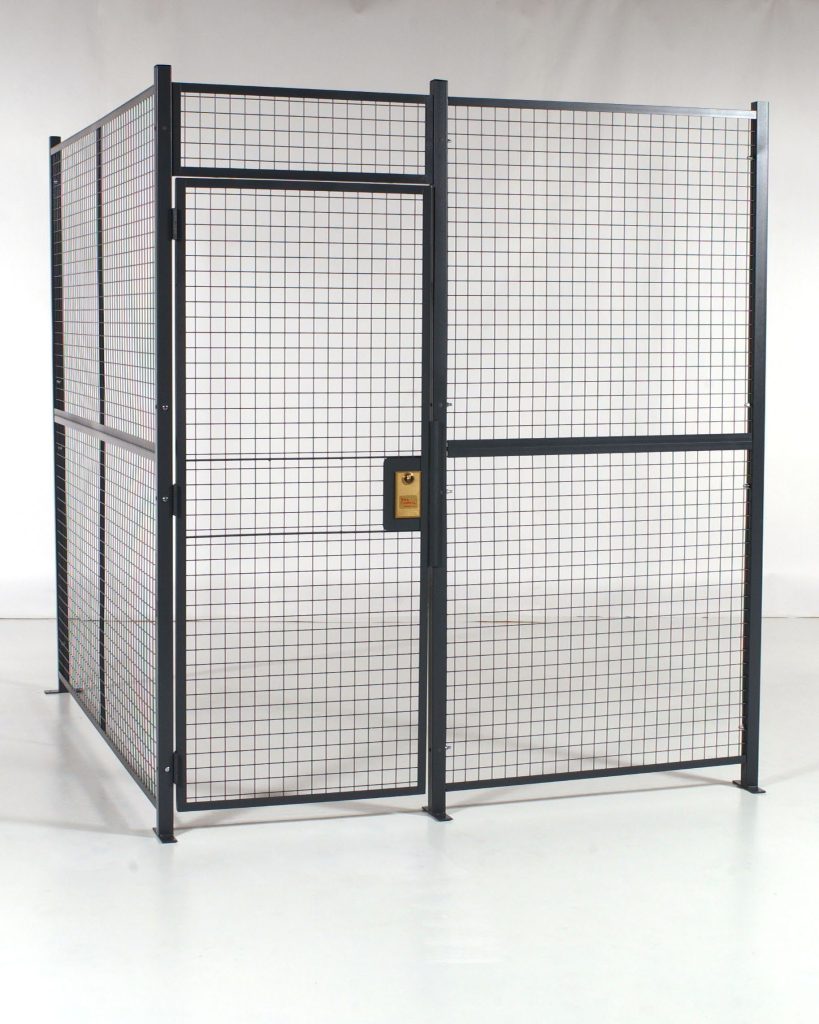
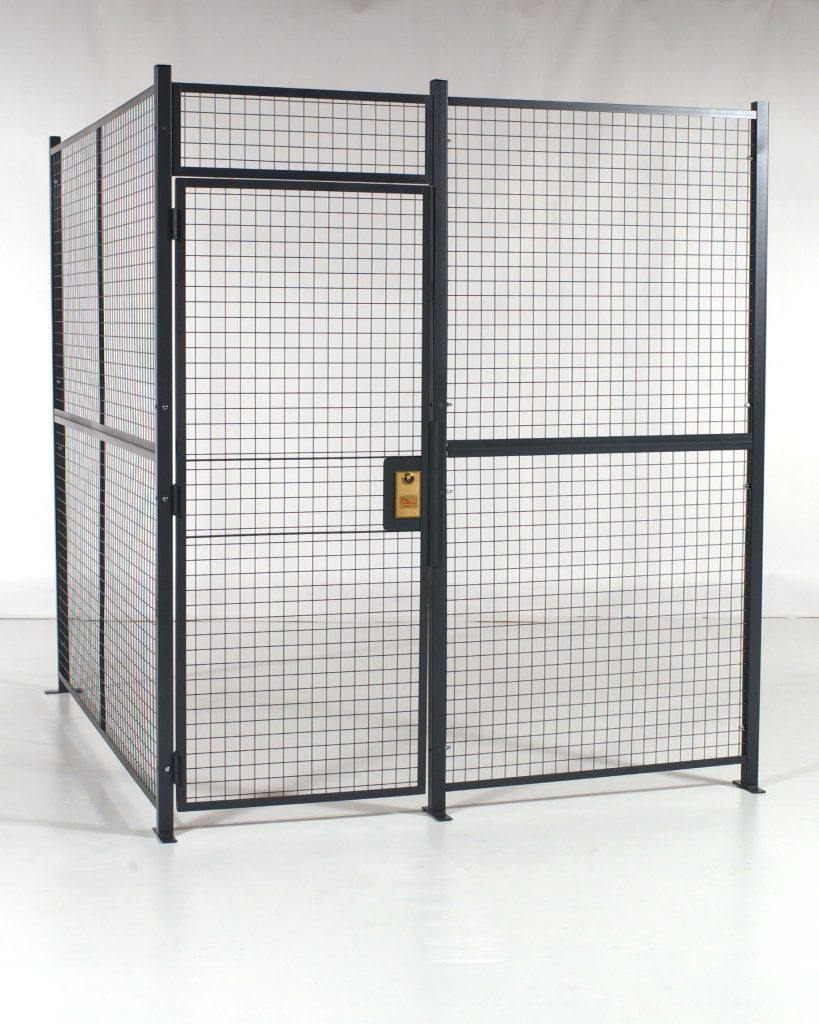
Flex Fleet Rental is a Salt Lake City based commercial vehicle rental company founded in 2013, renting pickups, flatbeds and vans to businesses on flexible month-to-month terms across the United States and Canada. Material Handling USA supplied welded wire security cage and partition product to the company in 2019.
This page sits under our security cage hub and describes the general storage control problem a commercial fleet operation faces, and how we approach it. It contains no facility layout, no dimensions, no inventory detail and no security specifics for this customer.
Fleet operations have a storage problem that most warehouses do not: the building is full of people who do not work there. Renters, drivers, mobile technicians, upfitters, transporters and detailers all pass through the shop and the yard, often outside office hours, and nearly all of them have a legitimate reason to be near the parts that go missing.
Why a fleet operation leaks
Everything valuable is small and generic. Telematics and GPS units, dash cameras, toolboxes, ladder racks, tie-downs, chargers, fuel cards, brake and filter stock: individually modest, collectively significant, and none of it identifiable once it leaves the property.
Keys are inventory. A rental fleet’s keys, spares and fobs are the most consequential small item on site. A missing key is not a parts cost; it is a vehicle that cannot be turned around and a programming callout.
The building is open by design. Turnaround work happens at all hours, contractors and vendors come and go, and a rental counter is meant to be accessible. Anything protected only by the building’s front door is not protected.
Vehicles are the biggest hole. Accessories move between units constantly during turnaround. When a vehicle is checked back in, whatever was removed from it is loose in the shop until someone puts it somewhere — and “somewhere” is the whole problem.
Losses show up as utilization, not as theft. The cost is rarely written off as shrinkage. It shows up as a unit that could not go out on time, which is far more expensive than the part that caused it.
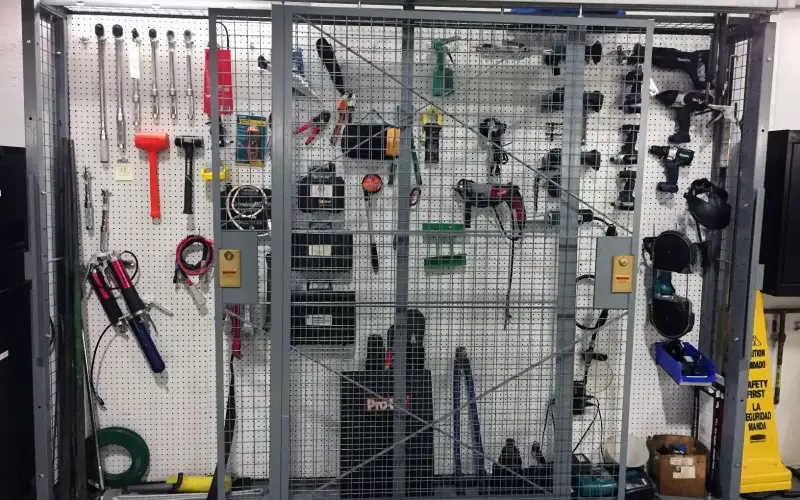
What a fleet operation puts behind mesh
Several small controlled areas with different access lists work far better than one locked parts room, because the people who need tires are not the people who need keys:
Contractor shops face a closely related version of this problem — our electrical contractor security cage case study covers the shop, warehouse and yard combination in a trade contractor setting.
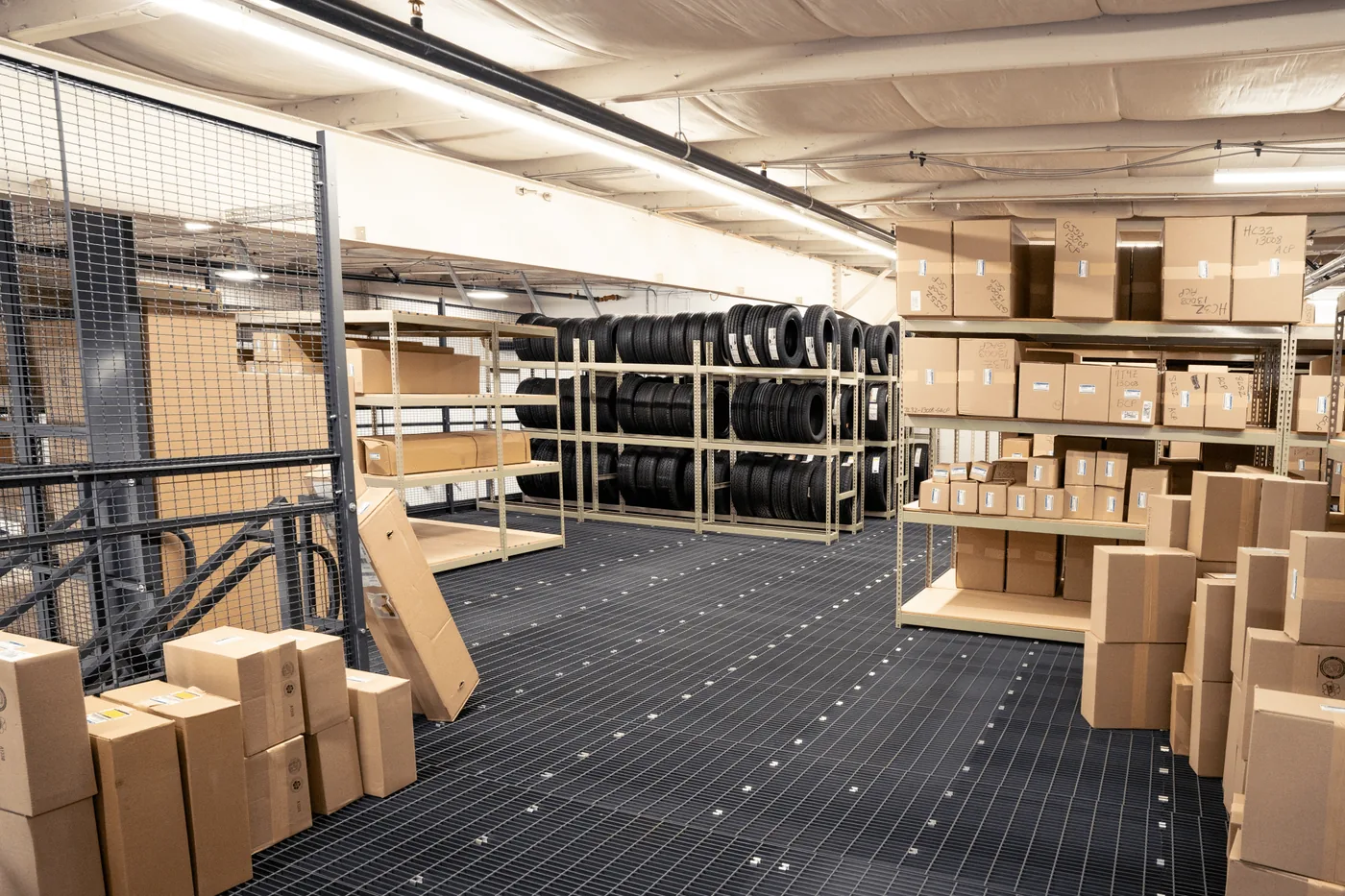
Designing around keys, electronics and turnaround work
The design question in a fleet shop is not how strong the barrier is. It is whether the control survives a busy Friday afternoon turnaround with three technicians and a customer waiting.
- Tier the access lists. Consumables that every technician needs hourly belong in an enclosure with a wide list. Keys, electronics and customer property belong behind a separate door with a short one. One lock over everything guarantees the door stays propped.
- Issue through a window. A service window or dutch door lets a parts person hand out material without opening the enclosure. It is the single most effective feature in a shop where people are always in a hurry.
- Put the scan or log station at the opening. If the record is made where people already stop, it gets made. If it requires walking to an office, it does not.
- Give removed accessories a defined home. Most fleet shrinkage is not theft; it is accessories that never got put anywhere. A labeled caged area for parts off vehicles solves more losses than any lock.
- Plan for after-hours work. Night and weekend turnaround is normal. Decide in advance what an unaccompanied technician can reach, and stock that area deliberately.
- Use rack-integrated enclosures for bulk. Tires and bulky stock are better handled by caging rack bays than by partitioning floor area — see pallet rack security enclosures.
The yard is a different problem
Half of a fleet operation lives outside. An enclosure in a yard has to survive weather, sun and vehicle traffic, and it has to be secured against a completely different pattern of risk from an indoor cage.
- Specify the finish for the climate. Galvanized or heavy powder-coated finishes, weather-appropriate hardware and drainage-aware base details. Our outdoor cages and equipment protection page covers the material choices.
- Assume vehicle contact. Anything within reach of a truck being reversed needs protection — bollards or guard rail in front of the panels, not the panels acting as the guard.
- Light it, and keep sightlines open. Mesh has an advantage outdoors that solid fencing does not: a patrol, a camera or a passing driver can see whether the enclosure is intact.
- Anchor into something that will hold. Asphalt behaves differently from a concrete slab, and freeze-thaw cycles are unforgiving. Anchor detail is a survey item, not a catalog item.
- Do not store fuels or chemicals in mesh. Bulk fluids, waste oil and fuel have their own storage, containment and reporting requirements — the U.S. EPA’s underground storage tank program and state rules govern that side, and a wire enclosure is not a containment structure.
- Keep the yard aisles clear. The general storage and passageway requirements at 29 CFR 1910.176 apply on the shop floor, and good yard practice follows the same logic.

Specification and access
A fleet shop specification is driven by traffic, weather and turnover of people — not by the highest security rating available.
Requirements by sector are summarized on our cage regulations and compliance by industry page.
Installation and turnover
A rental shop cannot stop taking vehicles back while an enclosure goes in. The work is sequenced around the bays.
Survey the shop and the yard together
Clearances, vehicle swing paths, lift and hoist positions, sprinkler layout, floor and paving condition, and where power and lighting already run. Indoor and outdoor enclosures are specified differently and should be surveyed in the same visit.
Decide the access tiers before ordering
Which areas a technician can reach unaccompanied at 9 p.m., who holds keys, where customer property lives. This drives how many enclosures there are, which drives the panel count.
Install bay by bay
One area completed and returned to service before the next is opened up, with anchoring scheduled away from peak turnaround hours.
Hand over the process, then re-walk it
Key list, issue point, where accessories off vehicles go. Latches, hinges and fixings get checked periodically using our cage maintenance and inspection guide.
Installation detail is on the security cage installation page. Material Handling USA designs, supplies and installs shop and yard enclosures nationwide and across the Mountain West — see security cages in Utah, or start at the security cages hub.
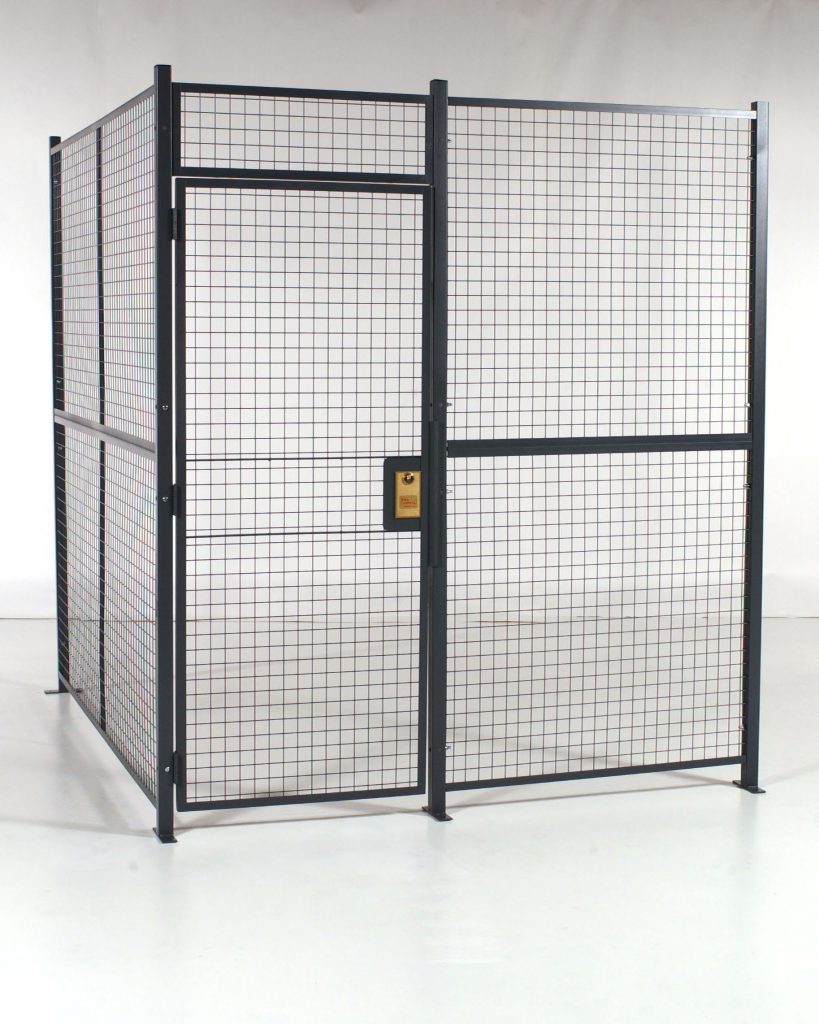
Shop Pre-Configured Wire Mesh Cage Kits Online
Standard-size welded wire cage kits, priced online, for smaller storage needs. Every kit still needs to be anchored to sound concrete — for tall, braced or engineered enclosures, request a quote with your building location and floor details.
Frequently asked questions
What should a fleet shop cage first?
Can a security cage be installed in a vehicle shop with lifts?
Do outdoor cages need a different specification?
Can fuel, oil or waste fluids be stored in a wire mesh cage?
How do you keep after-hours technicians productive without opening everything?
Is a cage better than a locked parts room?
How do you handle tire and bulk stock?
What stops a controlled area from being propped open all day?
Looking for a project like yours? Browse more contractor and fleet security cage case studies, see all security cage case studies.
Stop losing turnaround time to missing parts
Material Handling USA designs, supplies and installs welded wire security cages, tool cribs and outdoor enclosures for fleet, service and transportation operations nationwide.