Home » Security Cages » Maintenance Guide
Security Cage Maintenance: Inspection, Repair & Longevity Guide
Proper maintenance keeps your security cages compliant and functioning for 20+ years.
Why Security Cage Maintenance Matters
A well-maintained Security Cages system lasts 20–30 years. A neglected one becomes a liability — failed inspections, compromised security, and expensive emergency repairs. The good news: Wire Mesh Partitions systems require minimal maintenance compared to electronic security systems.

This guide covers everything you need to keep your cages in peak condition, from daily visual checks to annual compliance audits.

Maintenance Schedule Overview
| Frequency | Task | Time Required |
|---|---|---|
| Daily | Visual check: door latches, locks, obvious damage | 2 minutes |
| Monthly | Lubricate hinges, check panel connections, inspect floor anchors | 15–30 minutes |
| Quarterly | Full inspection: all panels, posts, doors, locks, ceiling panels | 1–2 hours |
| Annually | Compliance audit, lock replacement assessment, touch-up painting | 2–4 hours |
| As needed | Forklift damage repair, panel replacement, lock rekeying | Varies |
Monthly Maintenance Tasks
1. Door and Hinge Lubrication
Security Cage Doors are the highest-wear component. Apply lithium grease or silicone lubricant to all hinge points monthly. Sliding doors need track lubrication — clean debris from the track and apply dry silicone spray. A sticking door is the #1 reason workers prop doors open, defeating the entire purpose of the cage.
2. Lock Inspection
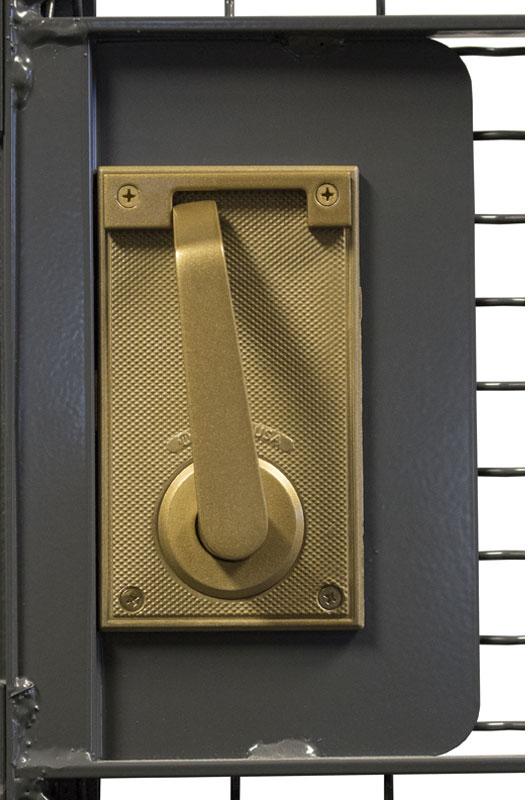
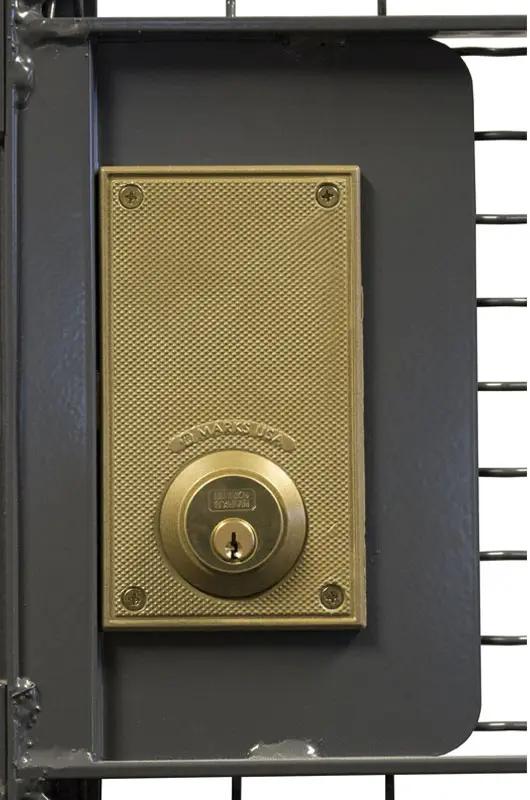
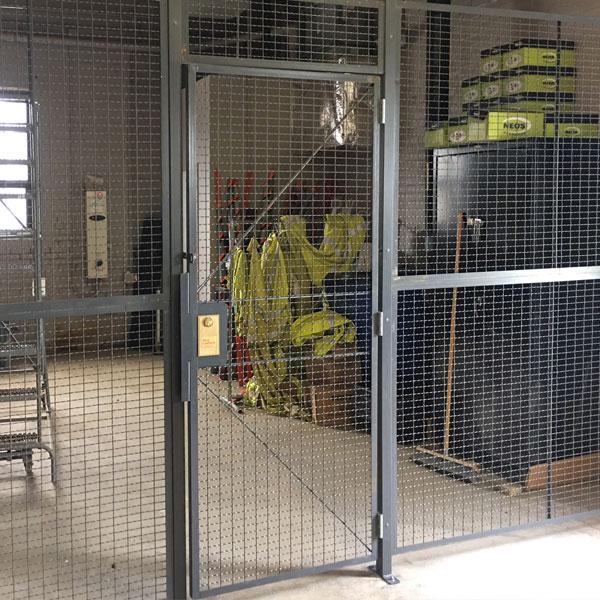
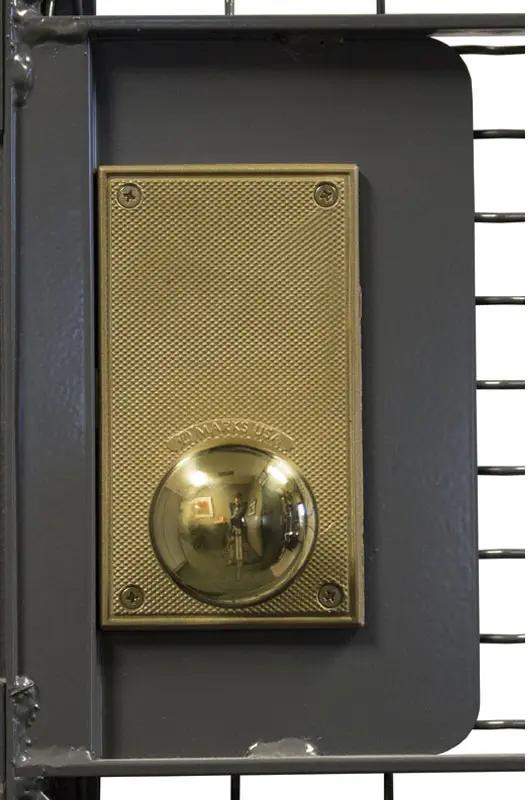
Test all Security Cage Locks monthly. Keys should turn smoothly without forcing. Electronic locks should accept cards/codes on first attempt. Check for signs of tampering — scratch marks around keyholes, bent latch plates, or loose mounting screws. Apply graphite lubricant (never WD-40) to cylinder locks.
3. Panel Connection Check
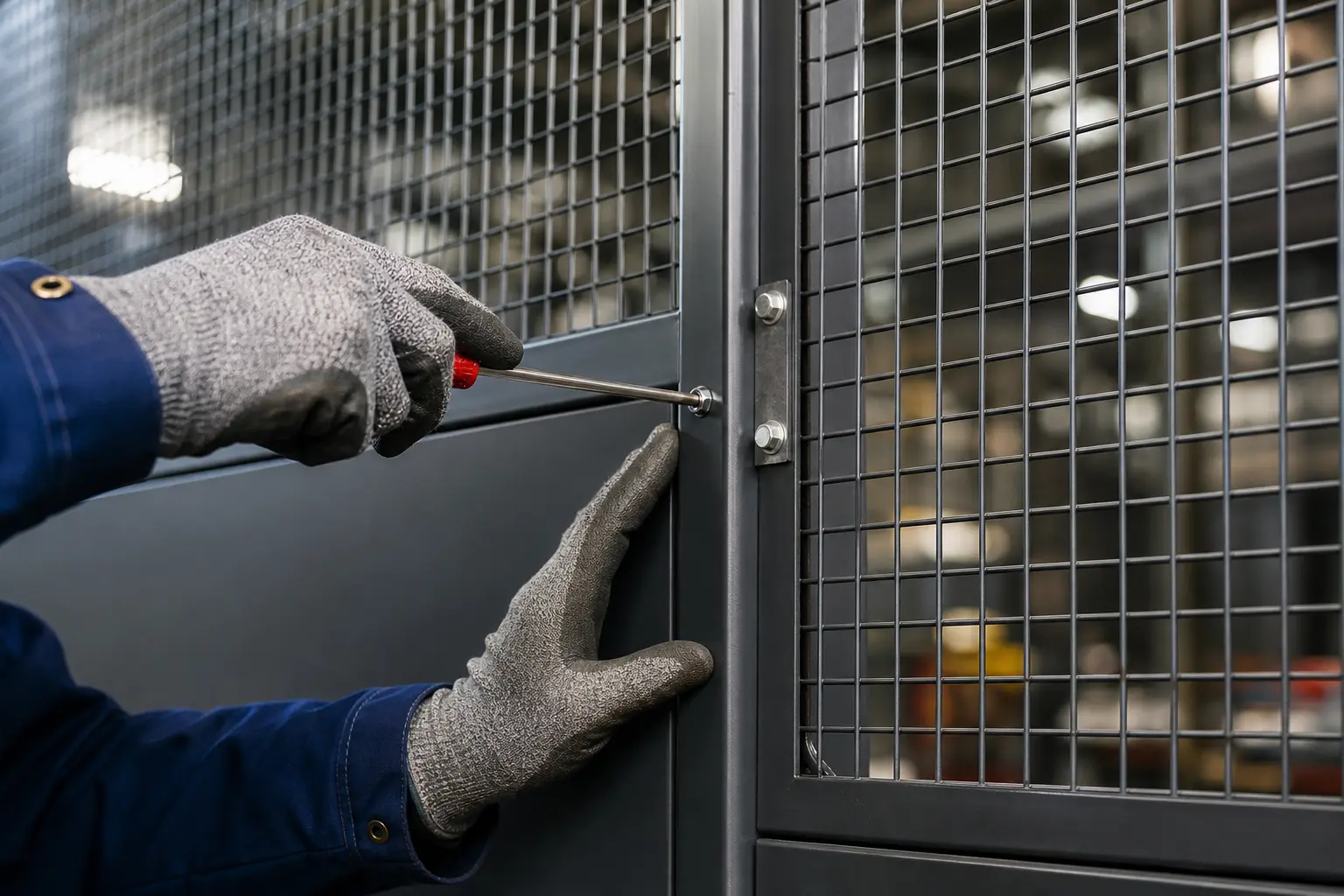
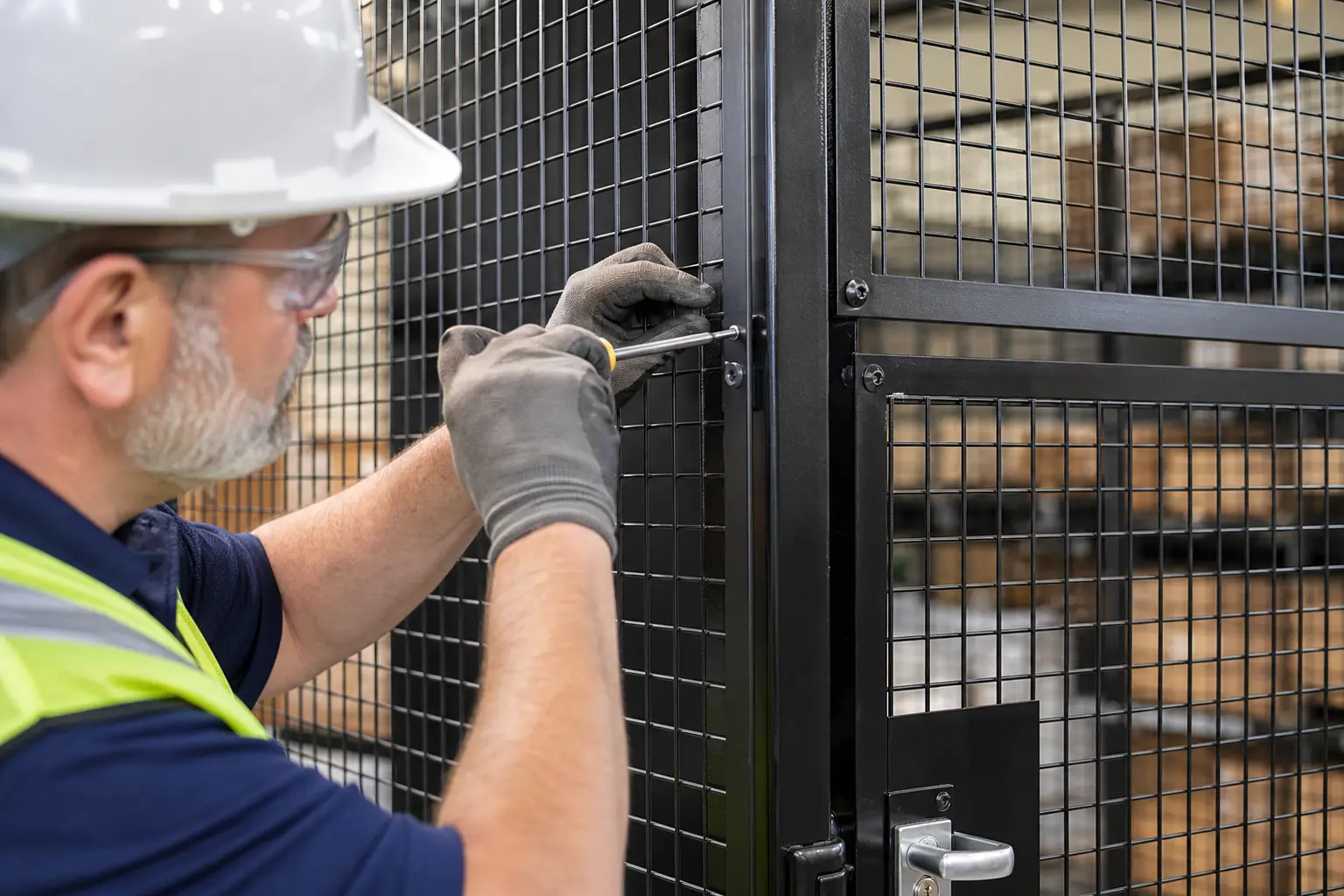
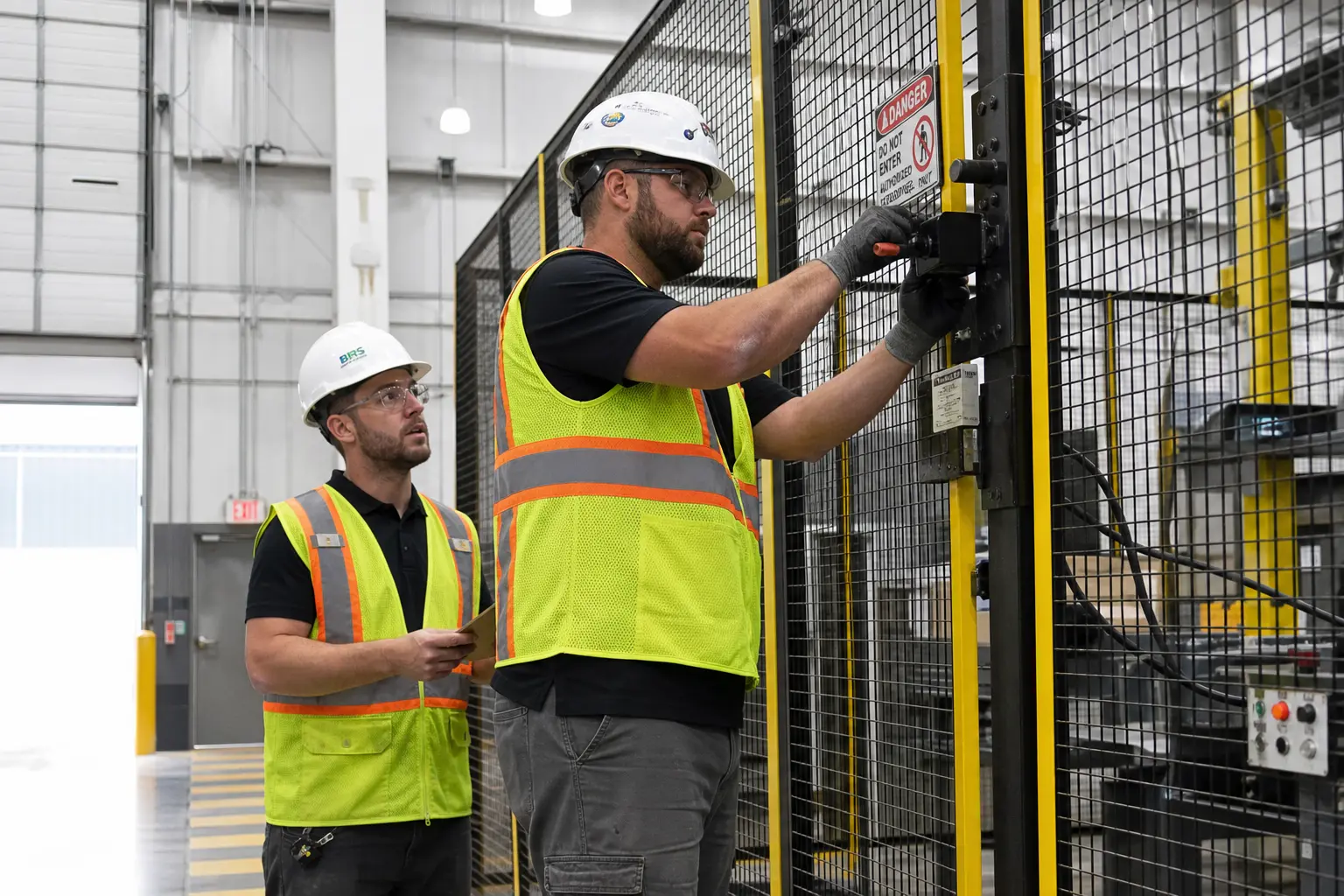
Walk the perimeter and check every panel-to-post connection. The universal clamp or U-channel attachment hardware can loosen over time, especially in facilities with vibration from heavy equipment. Tighten any loose bolts to factory specifications.
4. Floor Anchor Inspection
Check floor anchors for looseness by gently pushing each post at the top. Any movement indicates an anchor issue. Loose anchors in concrete can often be fixed with epoxy anchor adhesive. For raised floors, verify the support brackets haven’t shifted. Before re-setting an anchor, read our guide to security cage anchoring and seismic bracing, which explains when an anchor that has lost its hold should be replaced at a new location rather than repaired.
Quarterly Full Inspection
Quarterly Inspection Checklist:
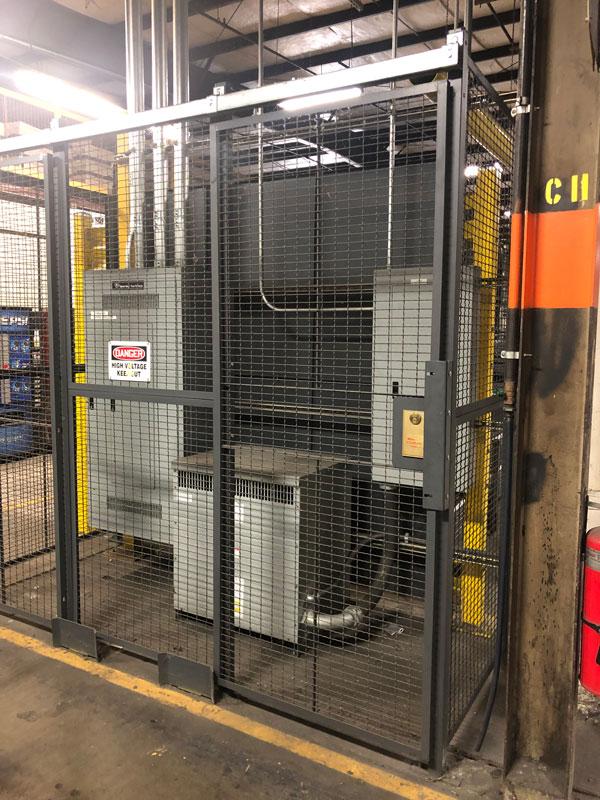
- ☐ All Wire Mesh Panel Options are undamaged — no bends, cuts, or broken welds
- ☐ Panel-to-post clamps are tight (hand-check each one)
- ☐ All floor anchors are secure (no post movement)
- ☐ Security Cage Ceilings panels are secure and haven’t shifted
- ☐ Door hinges operate smoothly without sagging
- ☐ Door latch engages fully and securely
- ☐ All locks function correctly with designated keys/codes
- ☐ Security Cage Service Windows operate smoothly and latch securely
- ☐ No gaps larger than spec at floor, ceiling, or panel joints
- ☐ Powder coat finish is intact — no rust spots or paint chips
- ☐ Warning signs and labels are present and legible
- ☐ Interlock switches function correctly (for Machine Guarding)
- ☐ Electronic access control logs are being recorded
Common Damage and Repairs
Forklift Impact
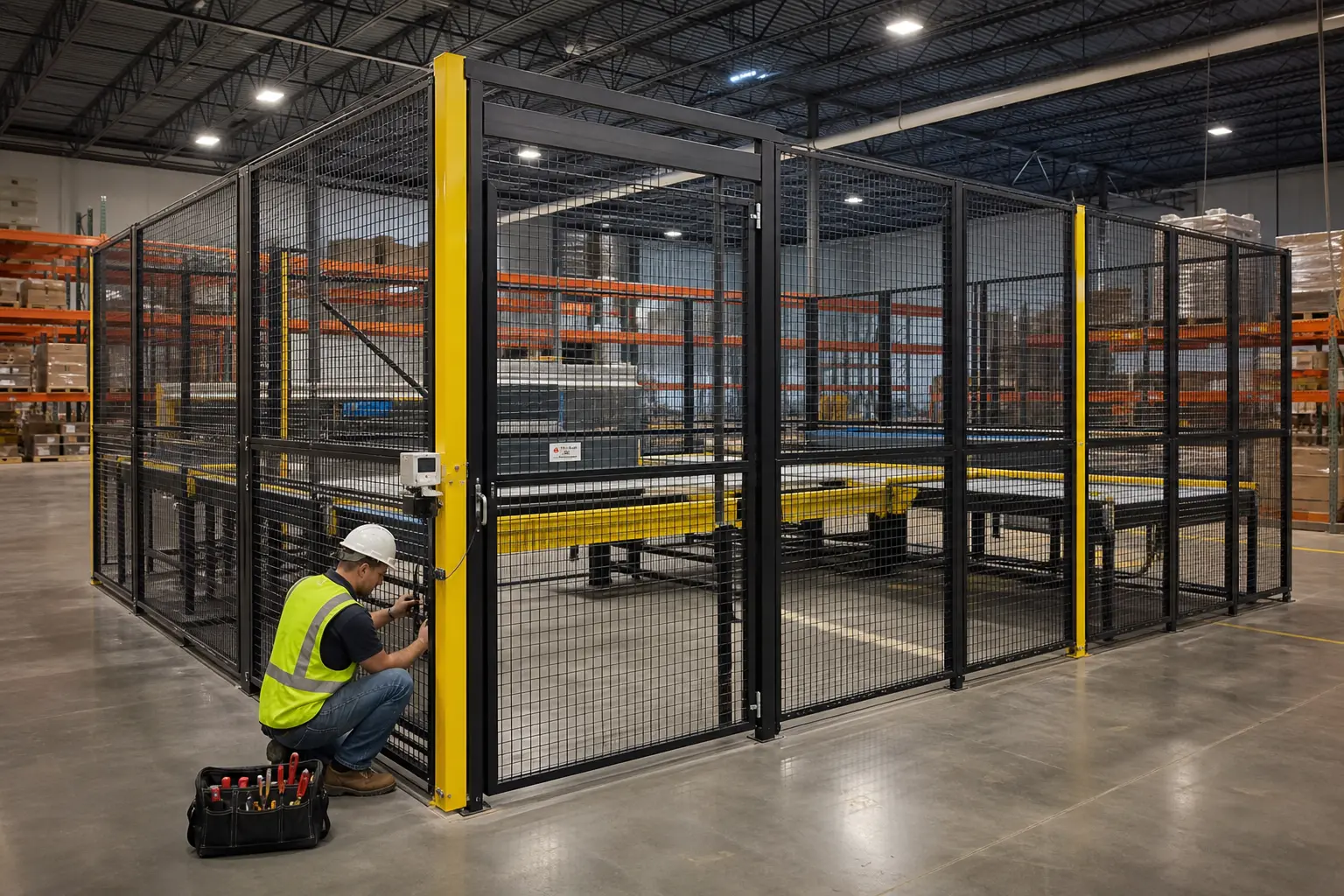
The most common damage to Warehouse Security Enclosures cages. Minor dents in panels often don’t affect security — the mesh maintains its integrity even when bent. However, impacts that break welds or create openings larger than the original mesh size require panel replacement. Installing bollards or corner guards at high-traffic areas prevents future damage.

Rust and Corrosion
Surface rust on powder-coated steel panels is usually cosmetic. Sand the affected area, apply rust converter, and touch up with matching spray paint. Deep rust that has weakened the wire requires panel replacement. Prevent rust by promptly repairing paint chips and controlling humidity.

Door Sagging
Heavy-use doors eventually sag as hinge pins wear. First, try tightening the hinge mounting bolts. If the hinge pin is worn, replace the hinge (not just the pin). For Security Cage Doors that see 50+ open/close cycles daily, specify heavy-duty or continuous hinges at installation.
Lock Failure
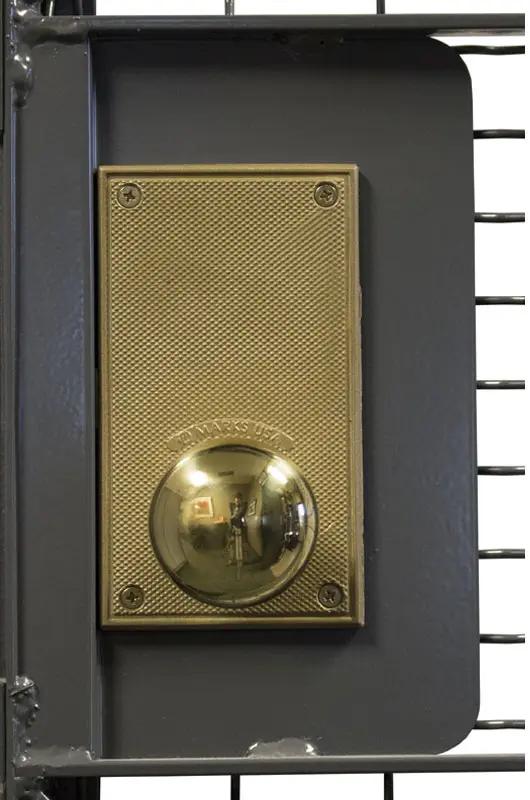
Most lock failures result from contamination (dust, debris) rather than mechanical wear. Regular graphite lubrication prevents most failures. When a Security Cage Locks mechanism does fail, replace the entire lock — partial repairs to security hardware are unreliable.
Compliance Maintenance
For regulated applications, maintenance isn’t optional — it’s part of your compliance obligation:

- DEA facilities (DEA Drug Storage Cages): Document every maintenance event. DEA inspectors want to see a maintenance log proving ongoing cage integrity.
- Evidence rooms (Law Enforcement Evidence Storage): CALEA and IAPE audits check for cage condition. Any damage must be repaired within 24 hours or the area must be secured by alternative means.
- OSHA machine guarding (Machine Guarding): Guards must be inspected as part of your regular safety audit. Document findings and corrective actions.
- Data centers (Server & Data Center Cages): SOC 2 auditors review physical security maintenance logs. Keep records of all inspections and repairs.
When to Replace vs Repair
| Issue | Repair | Replace |
|---|---|---|
| Minor dent | ✅ If mesh integrity intact | — |
| Broken welds | — | ⚠️ Replace panel |
| Surface rust | ✅ Sand and repaint | — |
| Deep rust | — | ⚠️ Replace panel |
| Loose hinge | ✅ Tighten or re-anchor | — |
| Worn hinge | — | ⚠️ Replace hinge |
| Failed lock | — | ⚠️ Replace lock |
Need Cage Maintenance or Repairs?
From panel replacements to full maintenance contracts — we keep your security cages in compliance and peak condition.
Security Cage Maintenance & Longevity
Preventive Maintenance Schedule
A structured maintenance program extends cage life to 25+ years while maintaining security integrity and compliance documentation. The schedule below covers all cage components and frequencies.
Monthly tasks: Inspect door operation (open, close, latch, lock). Lubricate door hinges with silicone-based lubricant (never petroleum-based — it attracts dust). Verify self-closing door mechanisms function properly. Check electronic access control operation (if equipped). Verify all lock cylinders turn smoothly and engage fully.
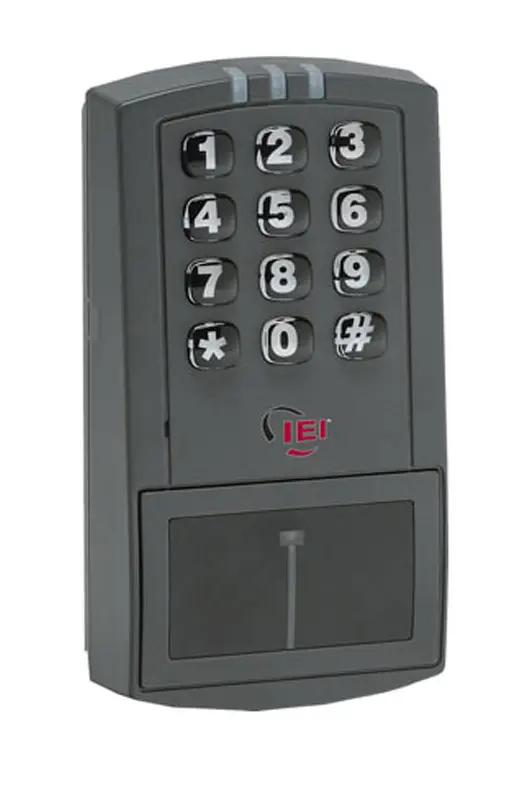
Quarterly tasks: Inspect all panels for damage (dents, cuts, bent wires, corrosion). Check panel-to-post connections for tightness (hand-check, don’t over-torque). Verify floor anchor integrity (visual check for cracks in concrete around anchors). Test panic hardware operation (if equipped). Clean access control card readers and keypads. Review access control logs for anomalies.
Annual tasks: Comprehensive inspection of all components with written report. Torque-check all panel connections using calibrated tools. Verify door hinge pin condition (replace if worn). Test all electronic components including backup battery systems. Verify ceiling panel security (if equipped). Touch up any powder coat damage with manufacturer-matched paint. Document inspection findings for compliance records.
Common Damage & Repair Methods
Impact damage from forklifts is the most common cage damage in warehouse environments. Minor dents in wire mesh panels are cosmetic and don’t compromise security. Significant deformation (wires spread or bent more than 1/2″) should be repaired or the panel replaced. Individual panels can be replaced without disassembling the entire cage — unbolt the damaged panel, install the replacement, and re-secure.
Corrosion damage appears first at the bottom of panels near the floor, where moisture collects. Early-stage surface rust can be treated with wire brush cleaning and touch-up paint. Advanced corrosion that has weakened the wire requires panel replacement. Prevent corrosion by addressing water intrusion, maintaining drainage around cage perimeters, and promptly repairing powder coat damage.
Lock Maintenance & Rekeying
Mechanical locks require periodic lubrication with graphite-based lubricant (never WD-40 or oil in lock cylinders — they attract dust and gum up the mechanism). Rekey locks when employees with key access leave the organization. Master key systems should be rekeyed entirely when a master key is lost or unaccounted for. Electronic locks require firmware updates per manufacturer recommendations and periodic credential audits to remove departed employees.
Compliance Documentation
For DEA, evidence room, data center, and other compliance-driven installations, maintain a written maintenance log documenting every inspection, repair, and modification. This log becomes part of your compliance documentation and demonstrates due diligence during audits and inspections. Include dates, inspector names, findings, corrective actions, and photos of any damage or repairs.
When to Replace vs. Repair
Replace panels when wire gauge has been compromised by corrosion (more than 30% section loss), when wires have been cut or spread beyond repair, or when damage exceeds 25% of the panel area. Replace doors when frame distortion prevents proper latching, when hinges are worn beyond adjustment, or when lock hardware cannot maintain security. Replace posts when floor anchor integrity is compromised or when post damage affects panel connection security.
Why Choose Material Handling USA for Security Cage Maintenance: Inspection, Repair & Longevity Guide
{
}
Material Handling USA brings over 30 years of experience to every security cage project. Our team has designed and installed thousands of security enclosures across warehouses, distribution centers, manufacturing plants, healthcare facilities, law enforcement agencies, and data centers throughout the Intermountain West and nationwide.
Our Process
Every project begins with a thorough understanding of your requirements. We conduct on-site assessments (or virtual consultations for initial planning), capture detailed measurements, and discuss your security objectives, workflow needs, and budget parameters. Our engineering team creates custom CAD layouts showing exactly how your cage system will look and function — you review and approve the design before we proceed.
{
}
We source panels, doors, locks, and accessories from leading American manufacturers Products — the industry’s most trusted manufacturers. Both offer comprehensive product lines with rapid availability and proven quality. Our bulk purchasing relationships deliver competitive pricing that individual buyers can’t achieve on their own.
Professional Installation & Support
Our trained installation crews handle every aspect of cage assembly — from floor anchoring to door hanging to access control integration. We work around your schedule to minimize operational disruption. Every installation concludes with a formal inspection and documentation package. Post-installation, we remain available for adjustments, expansion, and ongoing maintenance support.
{
}
Serving the Intermountain West & Beyond
Headquartered in Salt Lake City, Utah, Material Handling USA provides direct service throughout Utah, Idaho, Colorado, Nevada, Arizona, Wyoming, and Montana. Nationwide projects are supported through our network of installation partners and direct-ship capabilities. Wherever your facility is located, we deliver the same quality, attention to detail, and customer service that has built our reputation over three decades.
{
}
Request Your Free Quote
Ready to secure your facility? Contact Material Handling USA for a free, no-obligation consultation and quote. Our team responds within one business day with a preliminary assessment and next steps.
- Phone: (800) 326-4403 or (801) 328-8788
- Email: sales@mh-usa.com
- Online: Request a Quote
We look forward to helping you design the right security cage solution for your facility.
Frequently Asked Questions
How long do security cages last?
With proper maintenance, carbon steel Wire Mesh Partitions cages last 20–30 years in indoor environments. Aluminum and stainless steel can last 30+ years. The most common reason for replacement is facility layout changes, not material failure.

Can damaged panels be replaced individually?
Yes — this is a major advantage of modular panel systems. Individual panels can be removed and replaced without disassembling the entire cage. Our Security Cage Installation team stocks common panel sizes for quick replacement.
What’s the most important maintenance task?
Door and lock maintenance. A cage with a malfunctioning door or lock is functionally useless — it’s either propped open (no security) or locked shut (no access). Keep doors smooth and locks lubricated.
Do you offer maintenance contracts?
Yes — MH-USA offers annual maintenance contracts including quarterly inspections, preventive maintenance, and priority repair service. Contact us for a maintenance agreement tailored to your facility. This is especially valuable for DEA Drug Storage Cages and Law Enforcement Evidence Storage facilities where documented maintenance is a compliance requirement.
What is the installation timeline?
Most security cage projects follow a 2–3 week timeline from initial contact to completed installation. Week 1 covers site assessment and design. Week 2 handles order processing and material preparation. Week 3 is delivery and professional installation. Expedited timelines are available for urgent security needs — some projects can be completed in as little as 5 business days from initial contact.
Do you provide free site assessments?
Yes. Material Handling USA provides complimentary on-site measurements and CAD layout design for all security cage projects. Our assessment includes detailed measurements, obstacle identification, workflow analysis, and a complete proposal with pricing. For projects outside the Wasatch Front, we can conduct virtual assessments using photos and measurements you provide.
Can security cages be customized?
Absolutely. While standard panel sizes handle most configurations, our custom security cage capabilities include non-standard dimensions, angled walls, multiple door types, height transitions, and integration with existing structures. Custom powder coat colors, galvanized finishes, and specialized hardware are also available. Our engineering team designs custom solutions that meet your exact specifications.
What warranty do security cages carry?
All security cages from Material Handling USA include manufacturer warranties covering defects in materials and workmanship. our manufacturing partners both stand behind their products with comprehensive warranty programs. Our installation workmanship is warranted for one year, including a 90-day adjustment period where we return to tighten hardware and verify door alignment at no charge.
Do you serve locations outside Utah?
Yes. While headquartered in Salt Lake City, Material Handling USA serves the entire Intermountain West including Utah, Idaho, Colorado, Nevada, Arizona, Wyoming, and Montana with direct installation crews. Nationwide projects are supported through our installation partner network and direct-ship capabilities. Contact us to discuss your project location.
Explore More Security Cage Solutions
Online Store
Shop at MaterialHandling-USA.com
Need barriers, access control, or secure storage? Shop online:
Lockers
Warehouse Equipment & Supplies
Browse security & access control products →