
Adaptive Sports Equipment Storage: National Ability Center
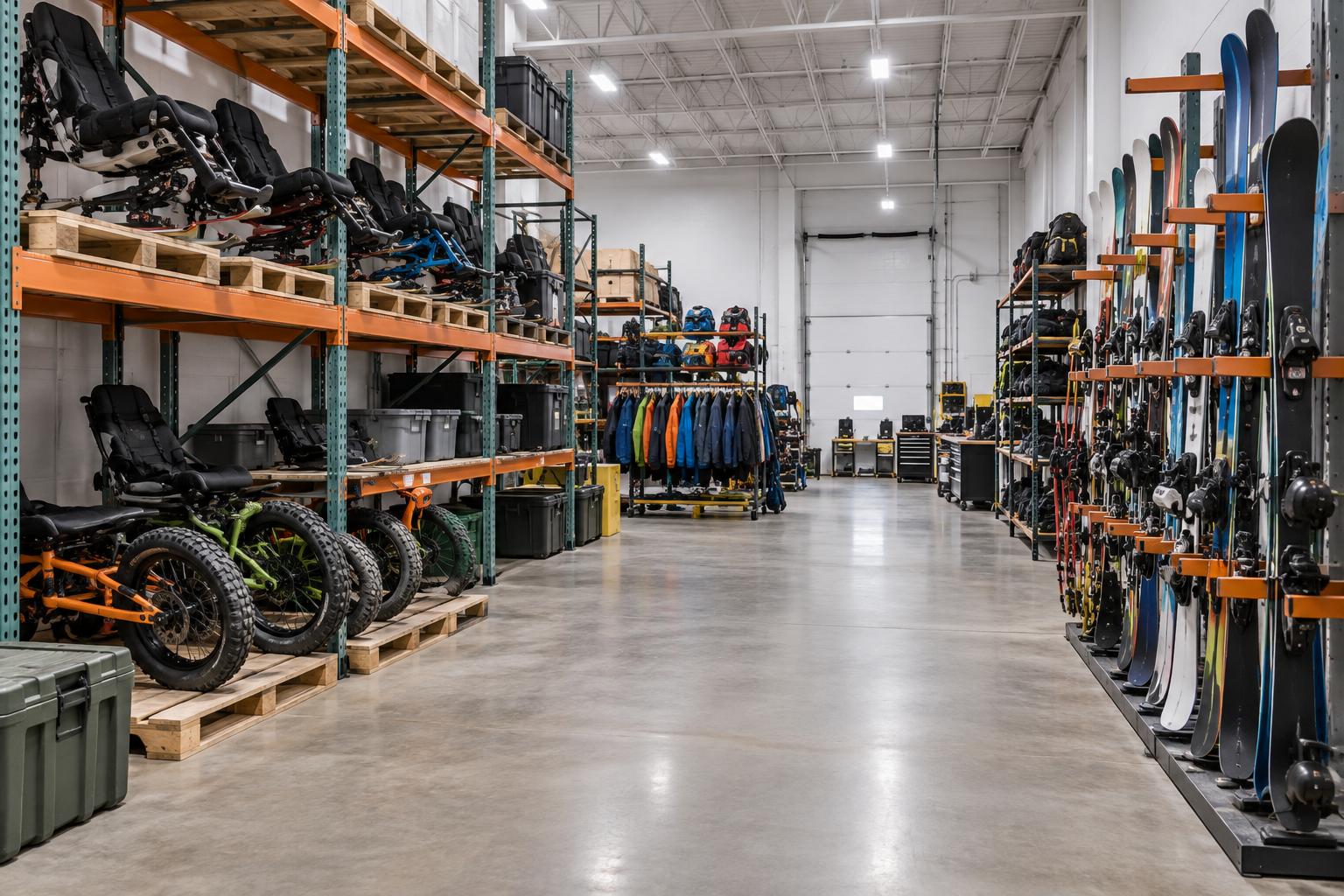
A nonprofit adaptive recreation program stores a large, varied fleet of specialized gear that goes out and comes back with every season and every participant.
Nonprofit & adaptive recreation
Client sector
Pallet rack & boltless shelving
Product category supplied
Park City, Utah
Client location
Adaptive sports equipment fleet
Application
Plan your layout before you buy
Configure upright height, beam width, bay count, and load levels in our free 3D Pallet Rack Designer, then get an instant bill of materials and request a quote.
The project
The National Ability Center is a nonprofit adaptive recreation organization based near Park City, Utah, providing adaptive skiing, cycling and other outdoor recreation programs for participants with disabilities. Material Handling USA supplied pallet rack and boltless shelving for equipment storage supporting the organization’s gear fleet.
This is our first case study for a nonprofit adaptive-recreation program, and it’s a genuinely different storage problem than a retail sporting-goods operation. Our specialty board sports retailer case study covers a for-profit retail warehouse selling and shipping boards and apparel. An adaptive recreation gear room instead outfits participants directly, with equipment sized and fitted to individual needs, moving in and out on a program and lesson schedule rather than a sales order.

Why an adaptive equipment fleet is different
Equipment varies widely in shape and size. Sit-skis, adaptive bikes, outriggers and other specialized adaptive gear don’t share a standard footprint the way boxed retail inventory does, so storage has to accommodate genuinely different shapes on the same rack system.
Gear turns over daily during the season. Equipment goes out with participants and comes back the same day, which calls for storage that supports fast staging and retrieval rather than long-term bulk storage.
Small safety and fitting hardware needs its own system. Harnesses, straps, helmets and fitting components are numerous and safety-relevant, and are easy to misplace if stored loosely near the larger equipment they belong with.
Programs run seasonally. A winter adaptive-ski fleet and a summer adaptive-cycling fleet may both need storage in the same facility at different times of year, and a layout has to work for both.
What an adaptive recreation gear room stores
Based on the verified project scope, an adaptive recreation program typically stores several distinct equipment categories, each suited to a different rack or shelving type:
| Equipment | Storage need |
|---|---|
| Sit-skis, adaptive bikes & larger mobility equipment | Bulky, irregularly shaped gear needing open rack positions sized to the equipment, not a flat pallet. |
| Outriggers, poles & smaller adaptive aids | Mid-size equipment staged for quick daily checkout and return. |
| Harnesses, helmets & fitting hardware | Small, safety-relevant items sorted into labeled bins on shelving. |
| Off-season equipment | Longer-term storage positions for gear not in active seasonal use. |
- Bulky adaptive equipment like sit-skis and adaptive bikes stores on pallet rack or cantilever rack depending on shape, with open positions sized to the equipment.
- Off-season and less-frequently used gear stores on selective pallet rack for stable, organized bulk positions.
- Harnesses, helmets and fitting hardware fit boltless shelving with labeled bin storage, keeping safety-relevant small items sorted and countable for daily checkout.
Planning for seasonal programs
A nonprofit running both winter and summer adaptive programs has planning considerations a single-season retail operation doesn’t:
Zone storage by season, not just by equipment type. Keeping winter and summer equipment in distinct rack zones makes the seasonal changeover faster and reduces the chance of in-season gear getting buried behind off-season equipment.
Size for peak program days, not average volume. Equipment checkout volume peaks on the busiest program days; open rack positions sized for that peak avoid overflow gear staged outside the rack system when demand is highest.
Keep daily-turnover equipment near the checkout point. Gear that moves in and out every day benefits from a location near where participants check equipment out, while longer-term off-season storage can sit deeper in the facility.
Leave room for the equipment fleet to grow. Nonprofit adaptive programs often add new equipment types as programs expand; open rack and shelving positions sized with some flexibility avoid a disruptive re-layout the first time a new equipment category is added.
Plan a receiving and inspection zone for donated equipment. Nonprofit adaptive recreation programs commonly receive donated gear alongside purchased equipment; a dedicated staging area near receiving lets staff inspect, clean and fit-check donated items before they’re moved into active rack positions, rather than mixing unverified equipment straight into the checkout fleet.
Keep a maintenance hold zone separate from ready-to-use gear. Adaptive equipment sees hard daily use and needs regular repair and safety checks; a clearly marked hold area for equipment awaiting service keeps a damaged item from accidentally going out with a participant.
Installation and safety
An adaptive recreation facility’s racking follows the same structural design standard as any other pallet rack or cantilever rack project, sized to the actual loads and equipment involved.
- Size rack capacity to the real equipment weights involved — see pallet rack weight capacity guidance.
- Protect rack uprights with column protectors and end guards in areas with foot traffic and equipment handling.
- Inspect racking on a defined cycle — see rack inspection and repair.
- Anchor and install to the ANSI/RMI MH16.1 standard — see our rack installation guidance.
ANSI/RMI MH16.1 is published by the Rack Manufacturers Institute. Utah’s Wasatch Front sits in a moderate-to-high seismic zone, so rack anchoring and bracing for a Park City facility get designed for seismic load combinations under the applicable building code, the same as any other pallet rack or cantilever rack installation in the region. We design, supply and install pallet rack, cantilever rack and boltless shelving for nonprofit and recreation organizations across the Wasatch Front — see Utah pallet rack for more of our local project work.
Serving Utah nonprofits and recreation organizations
Material Handling USA has been an industry leader in storage and material handling since 1997, working from Salt Lake City with nonprofit and recreation organizations across the Wasatch Front. See our related work for a specialty board sports retailer. For Utah projects call 801-328-8788, or see our Utah pallet rack page.
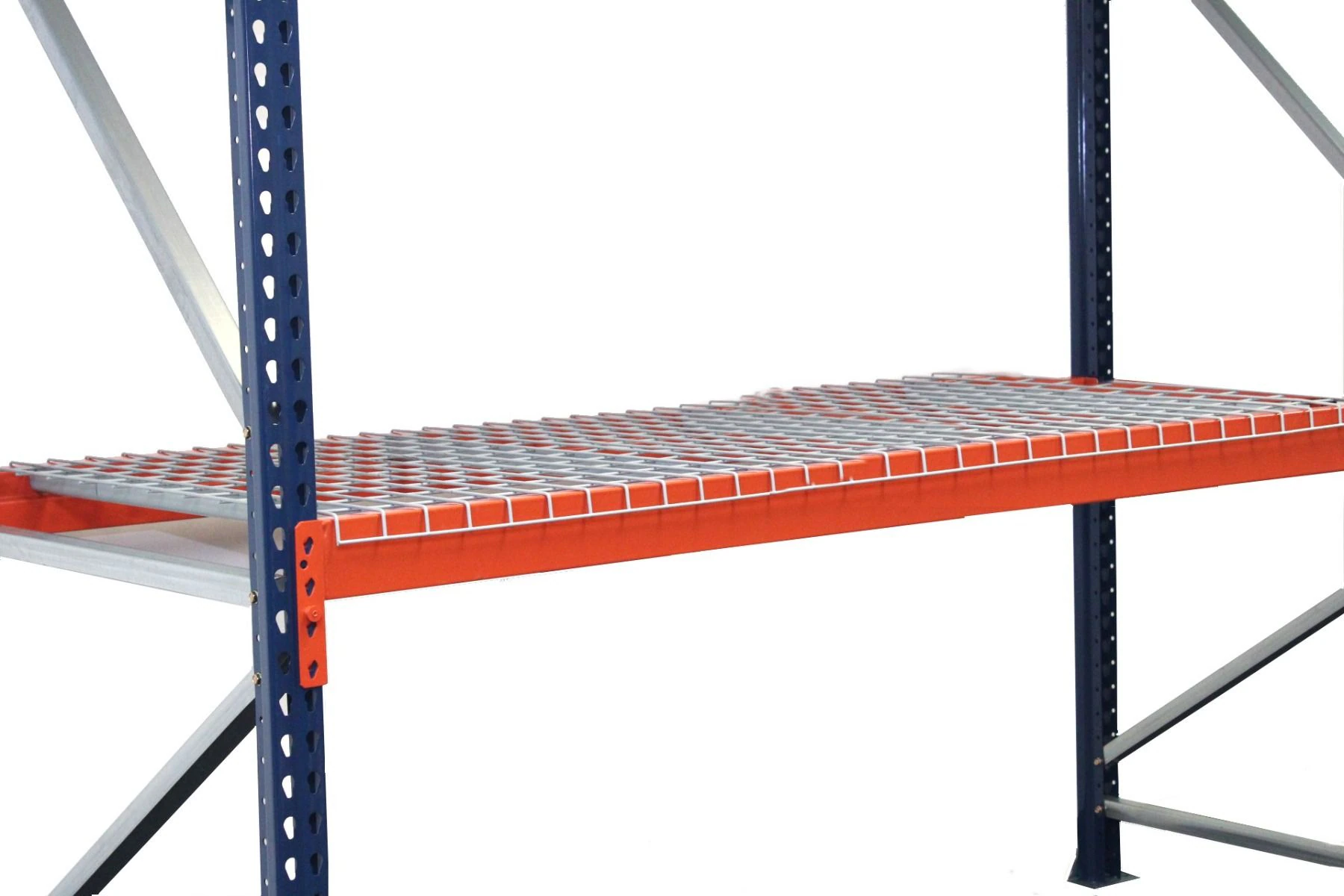
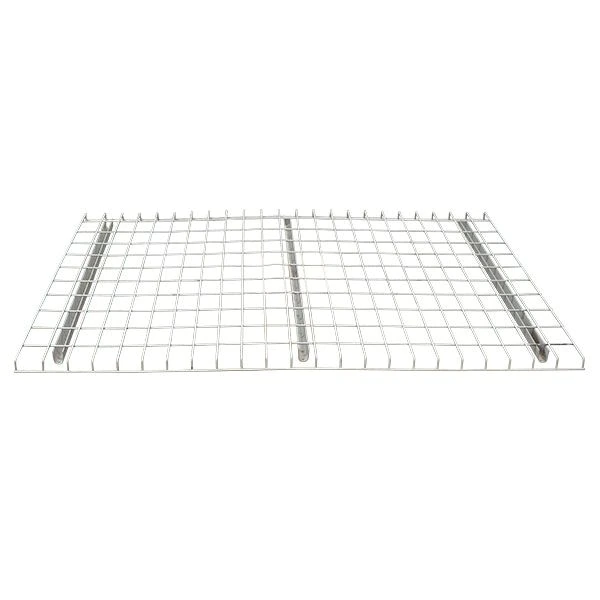
Shop Pallet Rack Accessories Online
Buy select items directly from our online store, or request a quote for volume, custom sizes and freight-rated orders.

Frequently asked questions
What storage suits an adaptive sports equipment fleet?
Why does adaptive equipment need different storage than retail sporting goods?
How should safety-relevant hardware like harnesses be stored?
Should a seasonal program’s storage be zoned by season?
What’s the design standard for the rack itself?
Does seismic design matter for rack in Utah?
How should donated equipment be handled before it’s stored with active fleet gear?
Planning storage for a nonprofit or recreation organization?
We design pallet rack, cantilever rack and boltless shelving layouts for nonprofits, gear rooms and recreation programs. Free design consultation.