
Wholesale Parts Delivery and Route Staging Storage
A dealership wholesale business lives or dies on the staging area behind the loading door. How to plan storage, staging positions and route lanes so every delivery leaves complete, in route order, without eating the parts room.
Route order
The sequence a staging lane should be loaded in — last stop first
One lane per run
The minimum staging discipline for a multi-route wholesale operation
95%
Same-day pick-up fill rate published dealer parts guidance treats as a benchmark
Clear aisles
Federal rule: permanent aisles and passageways kept clear and unobstructed
Wholesale grows faster than the space it was given
Most dealership wholesale businesses start opportunistically. A few independent shops call, someone runs the parts out in a personal vehicle, and the volume is small enough that the orders sit on the end of a counter until the driver leaves. Then it works. Accounts multiply, routes get formal times, a second van appears, and the same end of the counter is now carrying six routes’ worth of product with no addresses, no separation and no way to tell a complete order from a partial one.
What follows is predictable: parts loaded on the wrong van, orders that go out short because a back-ordered line was never flagged, product picked twice because nobody could find the first pick, returns coming back into the same undefined space, and a parts room where the fast-moving pick face has quietly been colonized by staged freight.
The fix is not a bigger building. It is a designed staging area with addressed positions, route lanes and a loading sequence — the same discipline the rest of our dealership parts room storage planning applies to the pick face, moved to the outbound side of the department.

Five zones the outbound side needs
Every wholesale operation, from two routes to twenty, uses the same five functional zones. Sizing changes; the list does not. Blurring any two of them is what produces mixed loads and short deliveries.
| Zone | What happens there | Storage that suits it |
|---|---|---|
| Pick consolidation | Picked lines for one order are brought together and checked against the ticket before anything moves. | A bench or table with a work surface at working height, adjacent to the pick face, with light and a printer or terminal. |
| Route staging | Completed orders wait for their run, separated by route and by stop. | Shelving bays or floor positions dedicated to one route each, labeled by route name and stop sequence — never a shared pile. |
| Oversize and awkward staging | Bumpers, fascias, glass, exhaust, body panels and suspension parts that do not fit a shelf bay. | Cantilever arms or floor positions with defined footprints, adjacent to the same door, so the awkward items are not carried across the room at load time. |
| Hold and exception | Back orders, unpaid accounts, parts awaiting authorization, and lines that failed the check. | A small, clearly labeled, physically separate area — ideally enclosed. If exceptions share space with staging, they eventually ship. |
| Inbound returns | Product coming back from accounts, credits and cores. | Its own receiving position on the opposite side of the door from outbound staging, with a triage bench. |
Staging positions are inventory locations too
Every staging bay should carry a permanent location label, the same as a shelf opening in the pick face. A staged order that exists only in a driver’s memory cannot be audited, re-picked, or handed to a different driver on a sick day.
Stage in route order, load in reverse

The single change that removes most loading errors costs nothing: stage each route in stop sequence and load the van in reverse, so the first stop is nearest the door. Drivers stop digging, load times fall, and the delivery order becomes visible enough that a missing stop is obvious before the van leaves.
- One lane per route, labeled with the route name. Not “morning run” on a piece of tape. A permanent label survives staff changes and route rebalancing.
- Stop positions inside the lane. Shelf levels or floor markings numbered by stop. A partial order occupying two positions is instantly visible.
- A complete-order signal. Whether it is a paper ticket in a holder, a scanned confirmation or a colored tag, staging needs a visible way to say “this order is finished.” Without it, an incomplete order looks exactly like a complete one.
- Cut-off times enforced by space. When the lane is full, the run is closed. That is a far more reliable control than a policy nobody enforces at 10:55.
- Oversize staged adjacent, not across the room. Bumpers and fascias should be reachable from the same load point, otherwise they are the parts that get forgotten.
Where the same door also handles will-call and customer pick-up, keep those flows distinct — that is a different customer, a different wait and a different counter, covered in our parts counter and will-call storage guidance.
Sizing the staging area without guessing
Staging is sized by peak simultaneous orders, not by average daily volume. Four inputs give a defensible number, and all four already exist in your DMS.
Count peak orders in the air at one time
Take the busiest hour of the busiest day and count how many wholesale orders are picked but not yet loaded. That, not the daily total, is the number of positions the lane must hold.
Profile the order, not the part
Measure a representative sample of orders by cube: how many are a single small box, how many fill a tote, how many include an oversize item. Position sizes follow that distribution.
Add the exception rate
Back orders, credit holds and failed checks occupy space for longer than a normal order. Size the hold area for the exceptions your account mix actually produces, not for zero.
Separate the returns flow
Inbound returns arrive at the same door and compete for the same floor. Give them a position and a bench, or they will occupy the staging lane.
Reserve the load path
The strip of floor between the lanes and the door is working space, not storage. Mark it, keep it clear, and account for the hand truck or cart that crosses it.
Re-check after a route change
Adding accounts or a run changes the peak. Staging that was right at four routes is usually wrong at six, and the symptom shows up as freight in the pick aisle.
Storage systems that fit the outbound side
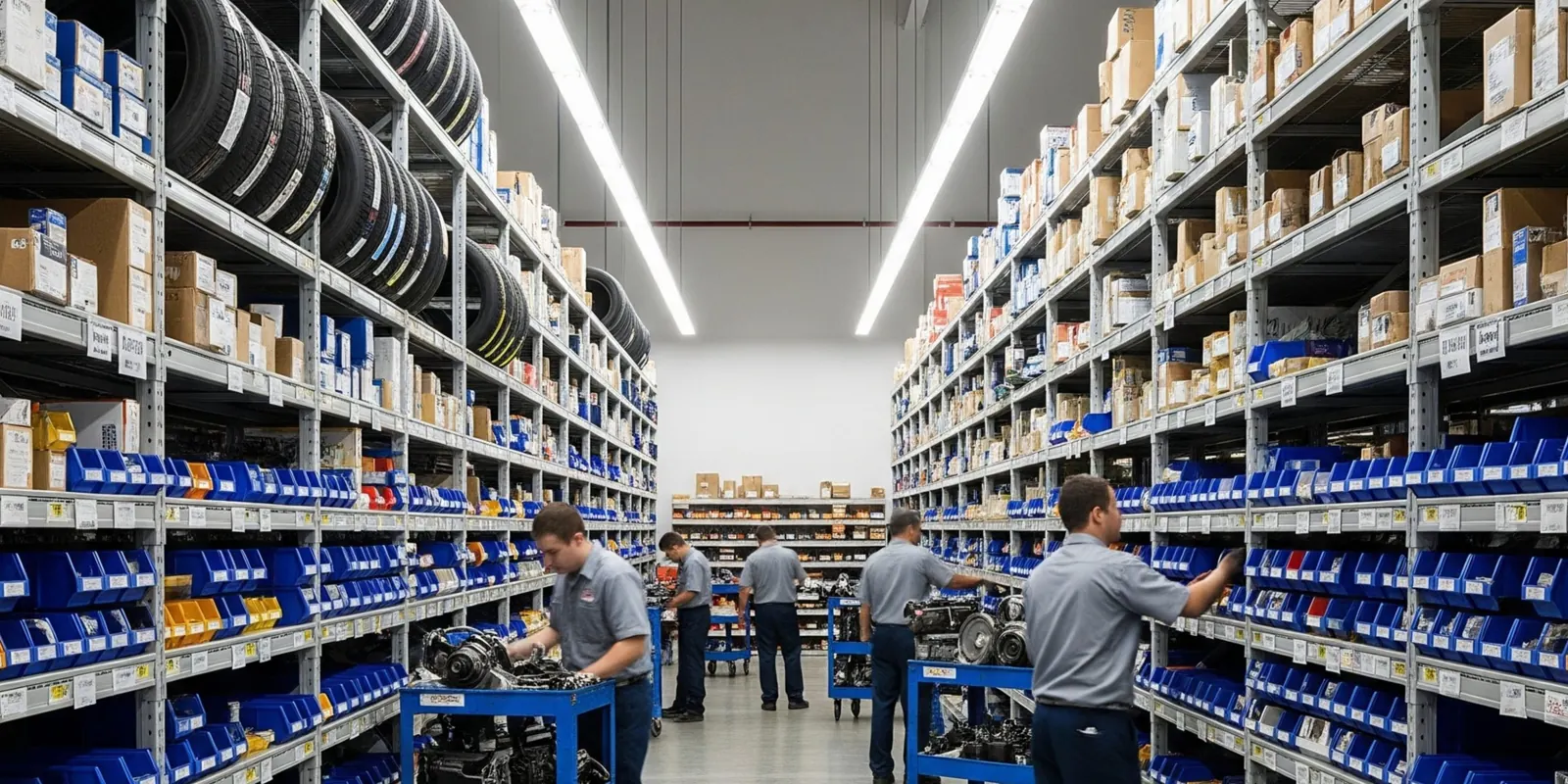
 Boltless shelving for route lanesWide-span boltless bays make good staging lanes because a bay is a natural route position, levels can be set to the order profile, and the whole run can be reconfigured when routes change without touching the building.
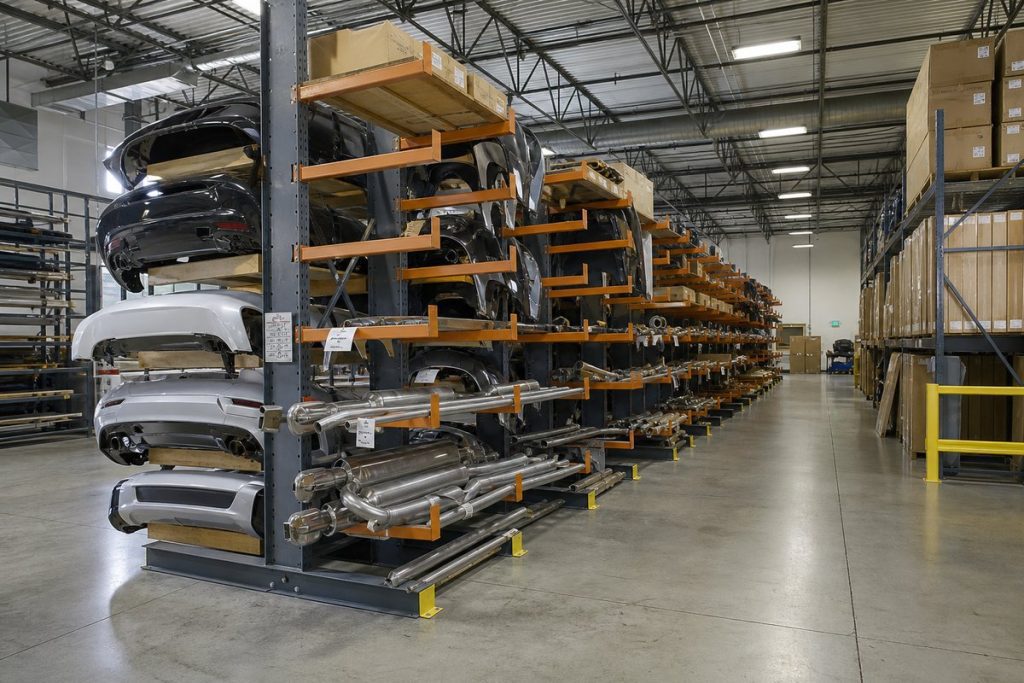 Cantilever for bumpers and oversizeFascias, bumpers, exhaust and long parts cannot be staged on shelf bays. Cantilever arms give them addressed positions near the door, which is exactly where they need to be at load time.
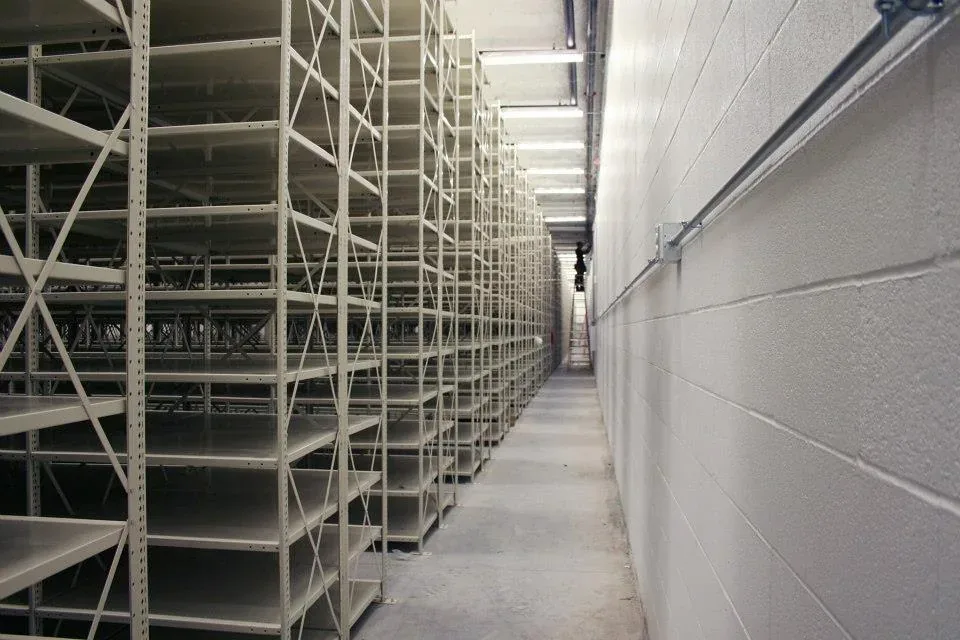 A checking bench beside the laneConsolidation and checking need a work surface, not the end of a shelf. Putting the bench next to the lane, with light and a terminal, is what makes the complete-order signal reliable.
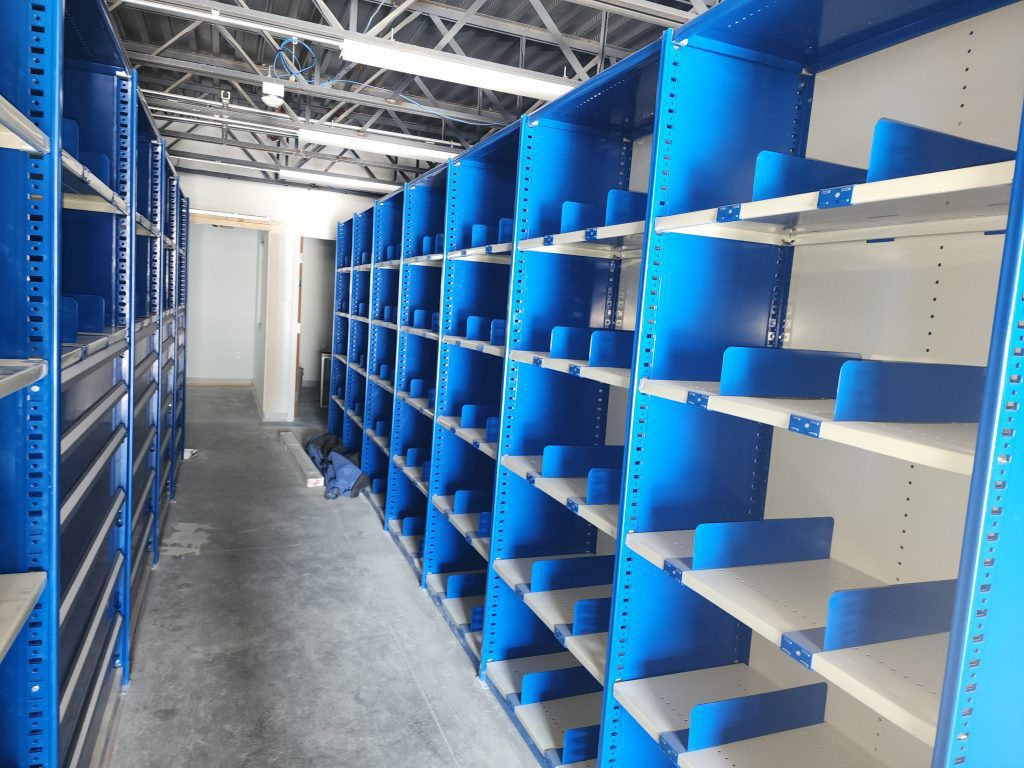 Protect the pick faceOnce staging has its own zone, the pick face can be re-slotted for picking speed instead of absorbing freight. That usually recovers more capacity than any single storage purchase.
Wholesale outgrown your staging area?
Send us a floor plan and your route count. We will lay out consolidation benches, route lanes, oversize staging, hold areas and the returns position against your door, and quote the whole change as one project.
Request a Staging Area Layout See all automotive storage solutions Call (800) 326-4403
What good staging does to the numbers you already track

Published dealer parts-management benchmarks give the wholesale side hard targets: a first-time off-the-shelf fill rate around 90 percent, a same-day pick-up fill rate around 95 percent, inventory turning roughly eight times a year, and an inventory profile in which the great majority of stock has moved in the last six months. Staging design does not set those numbers — stocking decisions do — but poor staging quietly undermines all of them.
Fill rate is measured at the customer, not the shelf. A line that was picked and then lost in staging is a fill-rate failure the account experiences exactly like an out-of-stock. Addressed positions and a complete-order signal are what stop that leak.
Double-picking inflates apparent demand. Parts picked twice because the first pick could not be found distort usage history, which distorts stocking. The cost of undisciplined staging therefore compounds into the inventory itself.
Returns handled at the door protect gross. Product coming back that sits unprocessed misses credit windows and eventually becomes obsolescence. A returns position with a bench is cheap compared with what it prevents — see our obsolete parts, returns and core storage guidance.
Reclaimed pick face is free capacity. Departments frequently look at a mezzanine or a lease expansion while several bays of prime shelving hold staged freight. Solve the staging first; if the room is still short afterwards, a parts room mezzanine becomes a justified investment rather than an expensive way to store outbound orders.
Housekeeping and safety in a staging area
Staging areas fail safety inspections more often than pick faces, because the product in them is transient and nobody owns the floor. A few federal requirements apply directly.
Shop Delivery and Storage Supplies Online
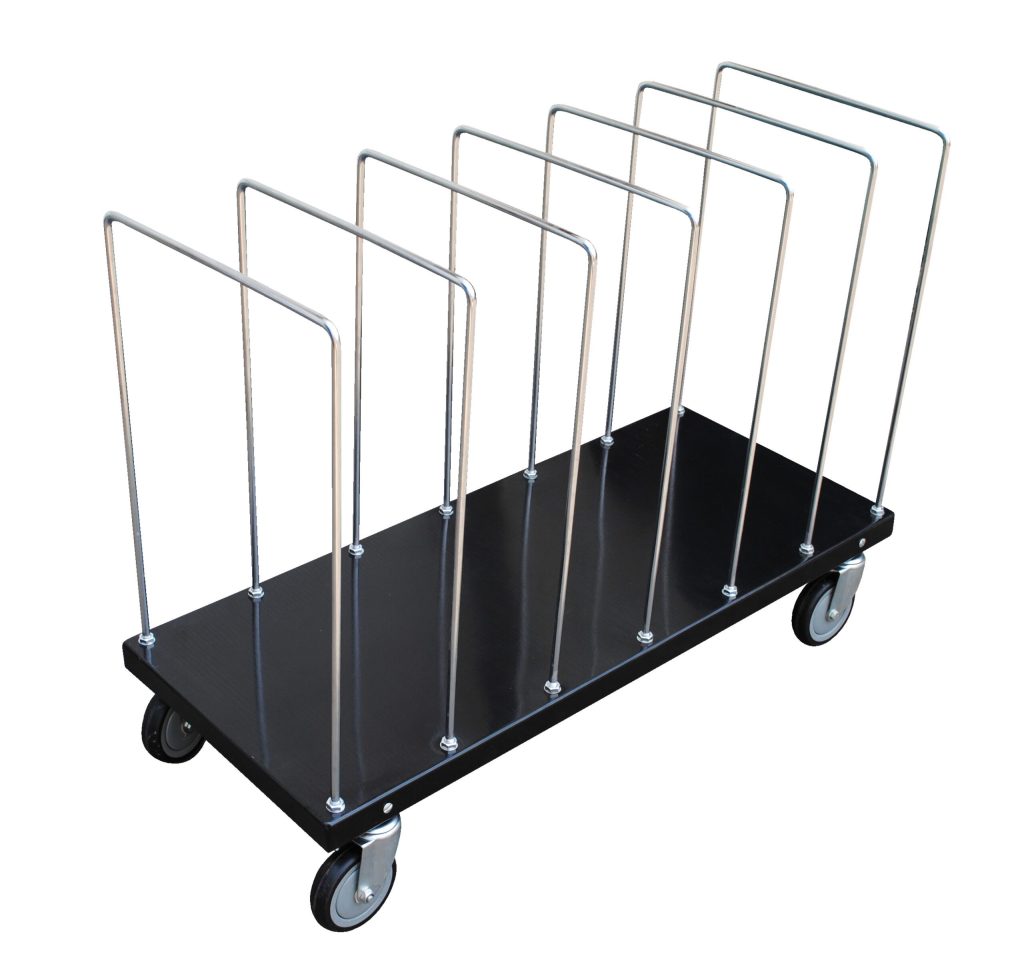
These are related shipping supplies and material-handling products—not automotive storage systems. Confirm product fit and current availability on the product page.


Wholesale delivery and staging storage FAQs
What is a parts delivery staging area?
How much space does wholesale staging need?
Should staging be shelving or floor positions?
How do we stop parts going out on the wrong route?
Where should back orders and credit holds go?
Can we use the same door for returns?
Does staging really affect fill rate?
Can you design and install this without shutting the department down?
Give every route its own addressed lane
Material Handling USA plans, supplies and installs shelving, cantilever rack, benches, enclosures and staging layouts for dealership parts departments, wholesale distribution operations and parts warehouses nationwide.