
Mobile Shelving for Medical Records
Even as health systems digitize, paper and hybrid records — originals, signed consent forms, imaging film, closed-chart archives — still need secure, space-efficient on-site storage. Track-mounted mobile shelving compresses records storage into roughly half the floor area of static shelving by eliminating fixed aisles.

~50%
Typical floor-area reduction vs. static shelving, since only one aisle opens at a time
45 CFR 164.310(a)
HIPAA Security Rule provision requiring facility access controls for locations that store PHI
1 cu ft
Standard records-center box volume used to plan shelf depth and capacity (NARA)
Locking
End panels and range-level locks are available to restrict access to closed or sealed records
Shop Records Storage Shelving Online
Buy select items directly from our online store, or request a quote for volume, custom sizes and freight-rated orders.
![Aurora Quik-Lok Shelving [ Adjustable, Easy-to-Assemble Office Shelving ] Starter Unit | 6 Openings | 64" Tall | 12" Letter Size](https://mh-usa.com/wp-content/uploads/2023/08/Aurora-Quik-Lok-Shelving-Adjustable-Easy-to-Assemble-Office-Shelving-Starter-Unit-6-Openings-64-Tall-12-Let-B07ND3X1D3.jpg)
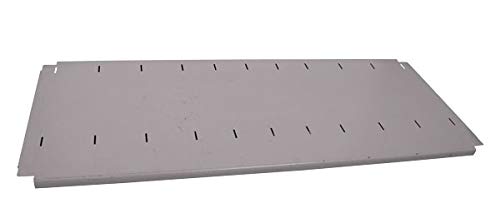
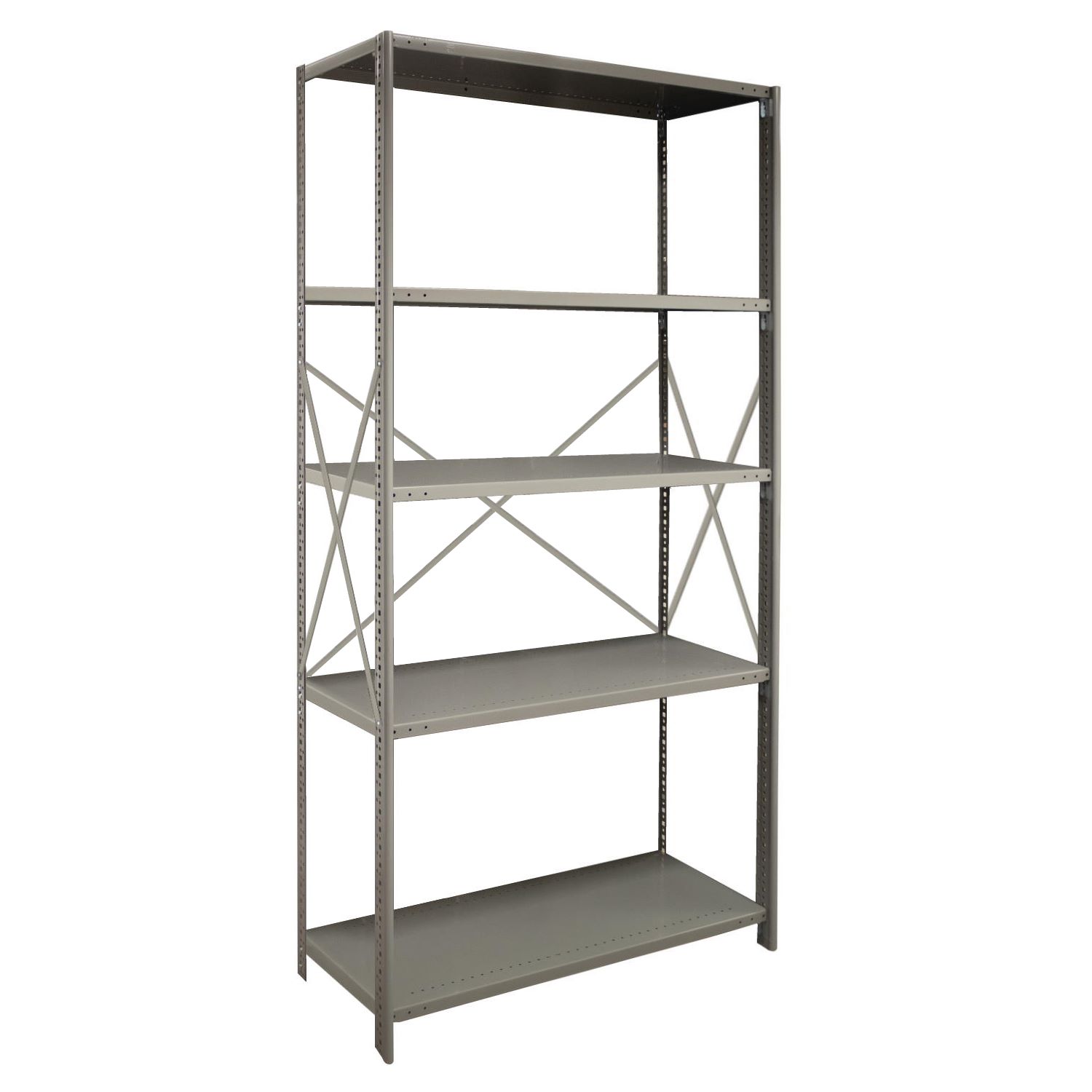
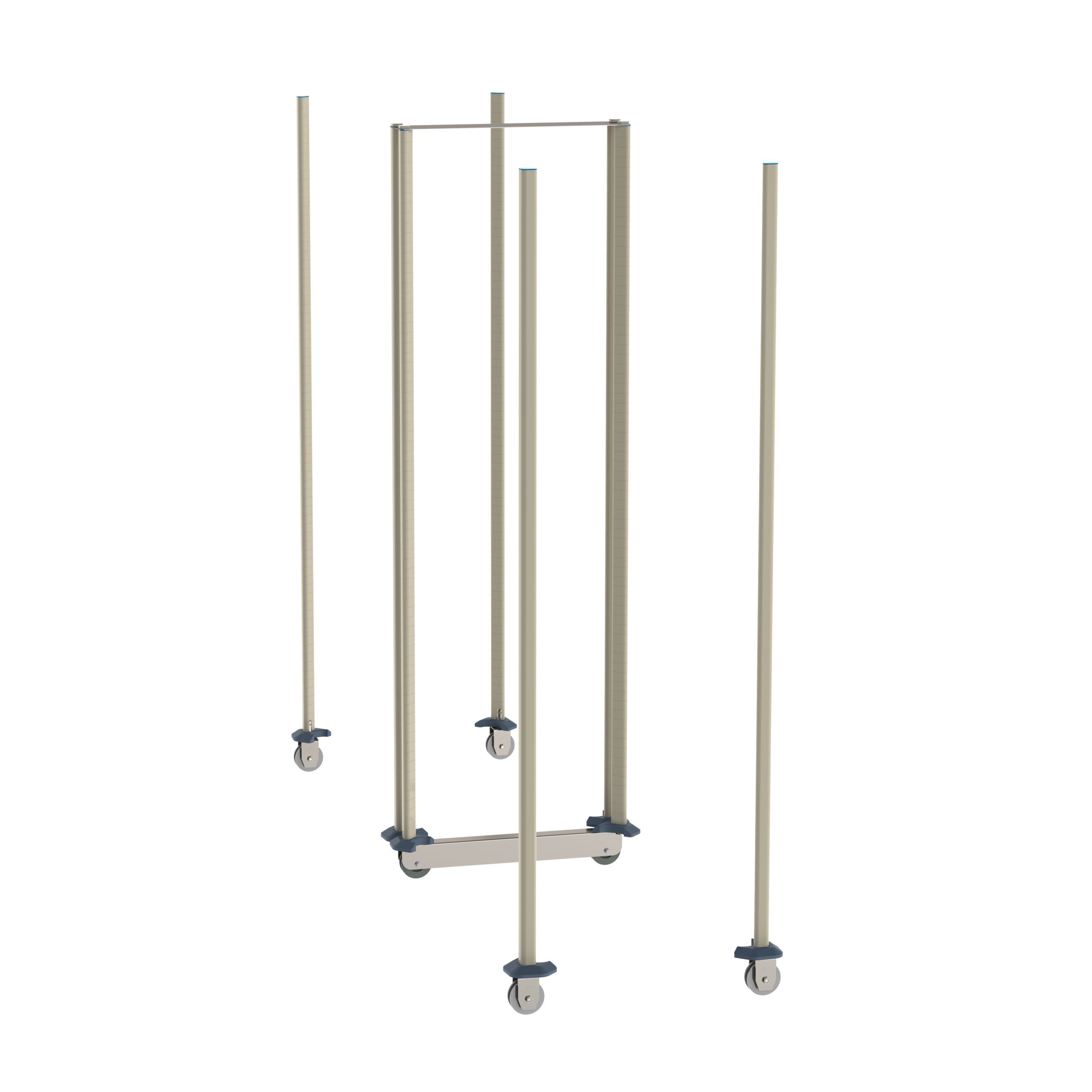
These are shelving units and track kits sold online. Full mobile shelving systems are designed and quoted per room; see mobile shelving systems.
Why medical records still need on-site shelving
Electronic health record systems handle active clinical workflows, but health information management (HIM) departments are still legally required to retain a large volume of paper and hybrid records: signed consent and authorization forms, radiology film predating digital PACS, closed patient charts during a retention hold, and records for patients without a full EHR history. Retrieving those documents from an off-site records center adds delay and a recurring storage bill. Track-mounted mobile shelving systems keep that archive on site by mounting storage units on rolling carriages that share a small number of moving aisles instead of a fixed aisle for every row, which is what makes the space reduction possible.
What mobile shelving solves for a records room
Medical Chart Storage on Mobile Shelving
Medical chart storage is where most HIM rooms run out of space first. Paper charts keep arriving from legacy departments, acquired practices and scanned-but-retained backfiles, and each chart type is pulled at a different rate. Mobile shelving lets one room hold active, inactive and legal-hold charts without giving every range its own permanent aisle.
The layout works best when chart storage is planned by retrieval frequency rather than by department. Charts pulled daily sit in a static range or near the entry. Inactive charts awaiting their retention date go deeper in the compact system, and charts under a legal hold or release-of-information request get their own lockable range.
Start by counting linear filing inches for each chart type, then add the growth you expect before the oldest charts can be destroyed. That count sets the number of carriages. The rest of this page covers retention, sizing and locking in more detail.
Planning around the retention rules that actually apply
HIM departments plan shelving around whichever retention schedule is longest for a given record type — state medical record retention statutes, Medicare/Medicaid conditions of participation, and any accreditation body requirements that apply to the facility. None of those rules specify a shelving brand or format; they specify how long a record must remain retrievable, which determines how many linear feet of shelving the room needs over time.
Facility access control language in the HIPAA Security Rule (45 CFR §164.310(a)) requires policies and procedures to limit physical access to systems and locations that hold protected health information, including physical records rooms. Lockable mobile shelving end panels and a controlled-access room are a common way HIM departments satisfy that requirement for paper PHI, alongside sign-in logs and access lists that IT and compliance already maintain for the room.


Sizing shelving to the actual boxes and binders in the room
Most HIM archives store a mix of the standard records-center box (about 15 × 12 × 10 in., roughly 1 cubic foot, per National Archives box specifications) and three-ring binders or hanging folders for active or recently closed charts. Shelf depth, clear opening height between shelves, and range length should be measured against the largest box or binder actually stored — not a generic shelving catalog size — or the room ends up with wasted vertical space or boxes that overhang the shelf edge. Our shelf depth and level spacing guide and specification and submittal checklist walk through that sizing math and the documents a HIM department needs before requesting quotes.
What HIM departments say after installation
Frequently Asked Questions
Does mobile shelving still make sense once records are scanned into an EHR?
Can a mobile shelving system be locked to protect patient records?
How do we size shelf depth for our specific boxes and binders?
Is mobile shelving safe to install on an older building’s floor?
What information does a HIM department need before requesting a quote?
Retrofitting an existing records room
Measure the room and the archive
Document ceiling height, column locations, existing floor flatness, and the actual box/binder count and sizes to be stored — not just the current shelving footprint. If the volume is a department’s working charts rather than an archive, a rotary chart storage cabinet is usually the better fit.
Confirm the floor can carry the load
A structural review checks the existing floor’s load rating against the system weight fully loaded with records; see our floor load requirements guide.
Choose the carriage type
Manual hand-wheel carriages suit most records rooms; mechanical-assist or powered carriages are worth evaluating for taller ranges or higher-traffic rooms — compare the options in our manual vs. mechanical-assist vs. powered guide. For a small facility example, see our project page on mobile shelving for a rural health clinic records room in South Dakota, where a mechanical assist drive and a low profile surface track were chosen so the clinic could stay open.
Specify locking and access control
Decide which ranges need lockable end panels before finalizing the order — see our security and access control guide.
Install and verify
Rails are leveled and anchored to the structural floor, carriages are set and aligned, and the installer verifies smooth travel and lock function before turning the room over.
Budgeting the switch from off-site storage
Most HIM departments compare a mobile shelving system against several years of off-site storage and retrieval invoices rather than against the purchase price alone, since eliminating recurring per-box storage and per-retrieval fees is usually the larger long-term saving. The comparison depends on the facility’s current off-site storage volume and retrieval frequency, so it is worth pulling those invoices before requesting a quote.
Ongoing costs after installation are limited to periodic maintenance — see our maintenance and service interval guide — and are minor compared with recurring storage fees. Our mobile shelving cost and budget guide breaks down what drives the purchase price itself.
Related planning resources: mobile filing systems.
Ready to Plan Your Records Room?
Talk with a specialist about sizing mobile shelving for your medical records archive.