
Pallet Rack Identification & Compatibility
Before you order a replacement beam, connector or accessory: send us clear photos and a few measurements of the rack you already have, and we’ll tell you honestly what we can confirm — and what still needs a closer look.

Why identification comes before a compatibility answer
“Will this fit my old rack?” is a common buyer question, and it deserves an honest answer — not
a guess based on a photo of a similar-looking beam online. Two racks can look nearly similar and still
use different connector shapes, hole spacing or a different approved parts combination. A matching paint
color or a teardrop-shaped punch in the column is not proof that a beam, connector or
accessory from a different manufacturer or era will seat correctly and belongs in that system.
Compatibility is also more than whether one part physically fits into another. Adding, replacing or
mixing components can change the load path and the system’s overall capacity, not just the connection
point — so a full compatibility answer usually means reviewing the configuration and capacity
question, not only a photo of one connector.
This page is a practical intake guide: what to photograph safely, what to measure, and what
information we need before we can tell you what we can confirm about a proposed replacement or addition
to the rack you already have. It is not a substitute for reviewing your specific components, and it does
not replace a site visit or engineering review when your project needs one.
Look for a label or capacity plaque
Look for a manufacturer name, model or part reference and any capacity plaque from a safe, accessible position. Placement varies. Photograph readable identification and keep the original layout, purchase records and installation documentation with it. A tag helps establish what you have, but a capacity plaque must also correspond to the current configuration. If markings are missing or painted over, send the available records and accessible component details; photos alone may not establish identity.
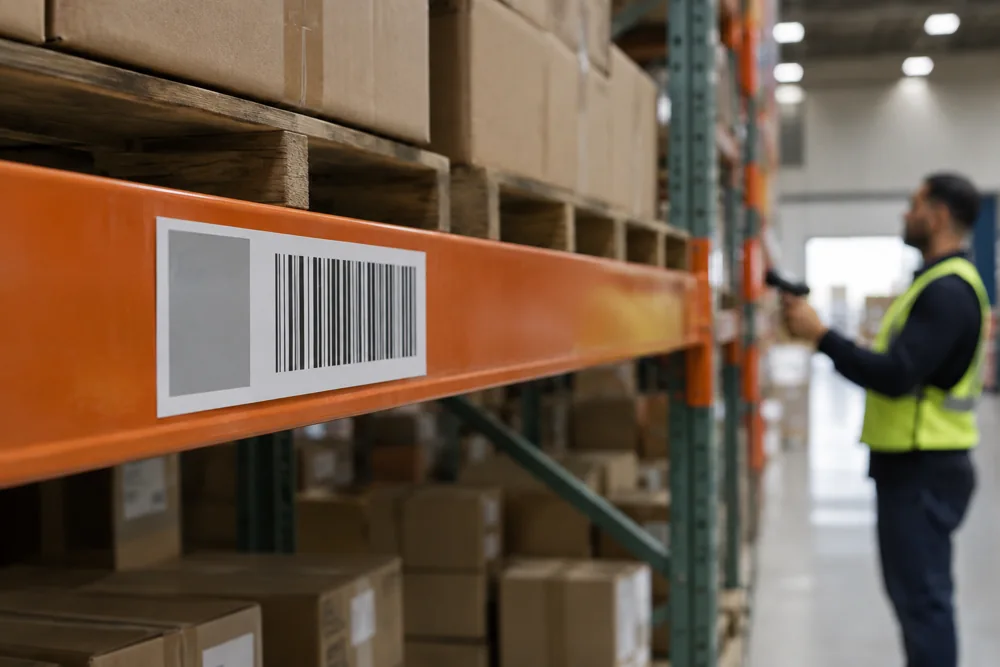
Separate warehouse location or bin labels (used for picking and inventory, not structural
identification) are a different thing entirely. A location label tells you where a SKU lives; it says
nothing about the rack’s manufacturer, capacity or connection type. Send us both if you have them, but
don’t assume a bin label answers a compatibility question.
Photograph the connector, column punch pattern and frame details — safely
The beam-end connector and column-hole pattern are useful starting points. Take photos only from a safe, normal standing position with site permission. Do not climb, disassemble anything, remove an installed connector or enter a restricted or affected area. Use accessible, unloaded components when available; do not unload or move rack just to obtain a photo. If a needed view is unsafe or inaccessible, say so. Useful details include:
- The shape of the connector tabs or hooks on the beam end
- The hole or slot pattern in the column face (teardrop, round, rectangular — shape and spacing)
- Whether the connector is welded, riveted or a separate clip
- Column face width and depth, only where safely accessible; otherwise use records or mark unknown.
- The upright’s bracing style, corner construction and base plate shape
A visually similar teardrop punch on two different racks does not guarantee the beam connectors are
interchangeable between them — hole spacing, tab thickness and locking geometry can differ between
manufacturers and even between product lines from the same manufacturer. Manufacturers publish reference
diagrams of these construction features, like the example at right (one manufacturer’s labeled upright)
— useful for understanding what to look for and photograph, not a claim that every rack shares this
exact construction.

“Beam” language: sold individually vs. counted as a pair
In a conventional two-beam selective rack bay, a level uses two parallel beams: one connects the left and right upright frames at the front, the other at the back. A quote may price one beam or a pair. Confirm the order unit, levels per bay and total individual-beam count before comparing quantities. Other configurations may differ, so use the actual drawing rather than assuming this arrangement applies to every system.
When you’re adding levels or replacing damaged beams on rack you already own, tell us the pair count
you need and send a photo of one full level so we can confirm connector type, length and profile match
before quoting.
What “compatible” actually means here
Compatibility is not a brand-wide guarantee or a single matching dimension. Review the approved component combination and the resulting rack configuration and load capacity. Manufacturer documents and a qualified review may be required. For damaged equipment, RMI’s repair-or-replace guidance describes the need for a rack design professional—not a DIY decision from a photograph.
In practice that means we ask for the manufacturer name or tag if available, clear connector and
column photos, the beam/column dimensions, and (when relevant) the original layout or purchase
documentation. If your rack shows damage, has been relocated, or its condition or capacity is in
question, that’s a job for our Repair & Inspection
review, not a same-day compatibility answer over email.
If you’re deciding whether to reuse existing rack at all versus buying new, see
Why Buy New Pallet Rack for the tradeoffs. If you’re planning a
full layout, quote or a preliminary drawing, start at
Pallet Rack Design Services, where the intake checklist
covers full project scope. This page exists for the narrower, upfront question: is the rack I already
have identified well enough to know what will and won’t attach to it.
How to send us your rack for a compatibility check
Send the following through our quote request or email sales@mh-usa.com. Measure only safely accessible items; label estimates as unverified:
- Photo of any manufacturer tag, model sticker or capacity plate on the column
- Close, straight-on photo of one beam-to-column connection
- Column face width/depth and beam length from records or safely accessible measurements; state units.
- How many beam pairs or levels you’re trying to add, replace or match
- Whether decking, if any, needs to match the beam profile you already have
We can help organize the available information and identify the manufacturer-reference or qualified-review steps needed. Tell us about missing records or uncertain measurements. A quote, photograph or catalog listing is not engineering approval for a changed configuration.
Shop Pallet Rack Components
Catalog examples are starting points, not confirmed replacements for your rack. Verify the exact configuration, load requirements, availability and complete quote before ordering.
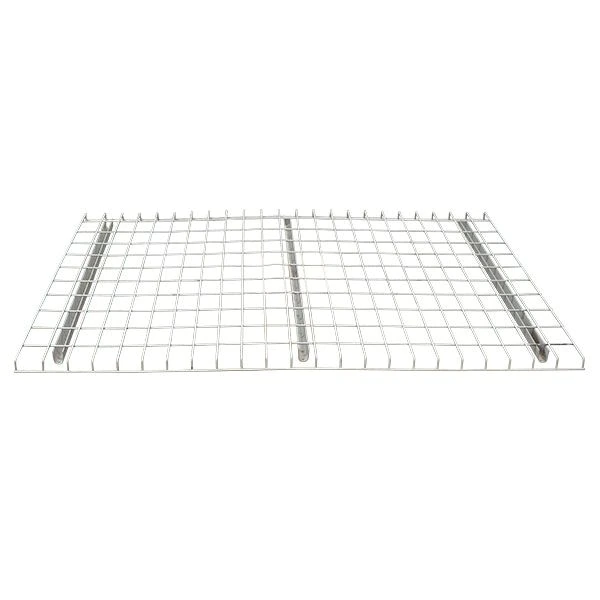 Interlake Wire Deck for Pallet RackFrom $95.38 per panel, depending on size/capacity configuration.
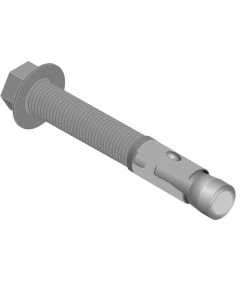 Interlake Pallet Rack Anchor Bolts$3.64 each — confirm the anchor type your engineering documentation specifies.
 Interlake Pallet Rack Column ProtectorFrom $69.68, depending on configuration.
Identification & Compatibility FAQ
Does a matching connector shape mean two beams are compatible?
What if my rack’s manufacturer tag is gone?
Can I mix beams from a different manufacturer with my existing uprights?
Is a rack location or bin label the same as an identification tag?
My rack has damage or looks bent — can you confirm compatibility from photos alone?
Do I need to know the beam pair count before I ask for a quote?
Send Us Photos of Your Existing Rack
We’ll tell you honestly what we can confirm from photos and measurements, and what still needs a closer look.