
Veterinary & Animal Health Products Distribution Warehouse Racking: Animal Health International
A national animal health distributor’s warehouse holds regulated veterinary pharmaceuticals and biologics next to bulkier supply and equipment lines — both moving to veterinarians, livestock producers and dealers on the same trucks.

Animal health distribution
Client sector
Pallet rack
Product category supplied
Wholesale
Industry
Vet, producer & dealer channels
Application
Plan your layout before you buy
Configure upright height, beam width, bay count, and load levels in our free 3D Pallet Rack Configurator, then get an instant bill of materials and request a quote.
The project
Animal Health International is a national all-species, all-channel distributor of animal health products, supplying veterinarians, livestock producers and dealers from distribution branches across the country. Material Handling USA supplied pallet rack systems for one of the company’s distribution branches.
What we publish: we identify the client and general application only. No branch address, facility layout, storage capacity or deal value is published here.
This is a different distribution model from our other health-and-medical case studies. Our medical supply distribution case study covers a distributor of human medical devices and supplies, and our home medical equipment case study covers DME rental and resupply — both single-channel, human-health distribution. Animal Health International instead serves multiple customer channels at once (veterinary clinics, livestock producers and equipment dealers) with a product mix that spans regulated veterinary pharmaceuticals and biologics alongside bulkier animal health supplies and equipment.
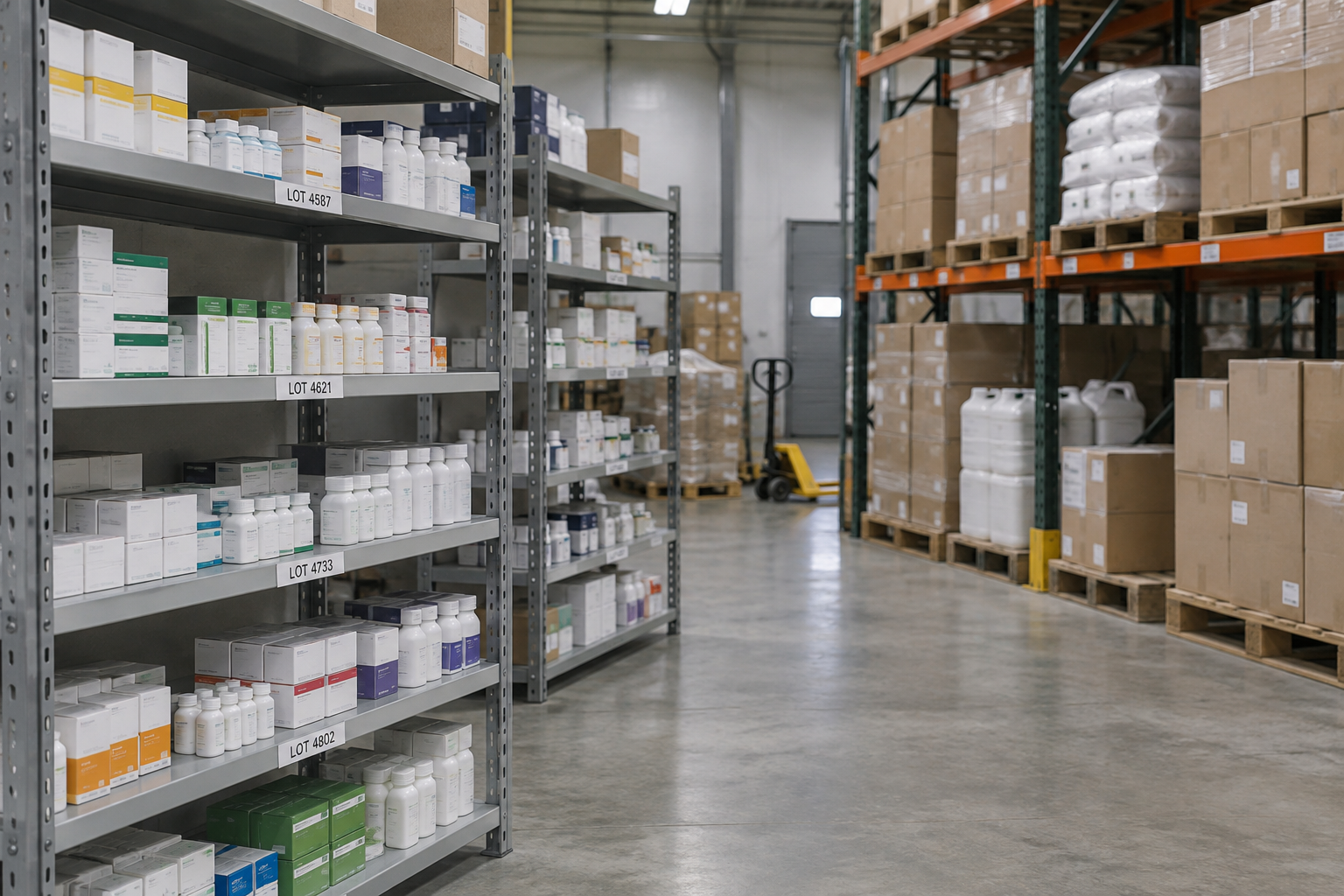
Why an animal health distributor’s warehouse is different
Two very different product families share one building. Small, high-value pharmaceutical and biologic cartons with expiration dates sit alongside bulkier animal health supplies, instruments and equipment — each with its own pick pattern and shelf life.
Multiple customer channels mean multiple order profiles. A veterinary clinic order, a livestock producer order and a dealer restock order don’t look the same — case-pick, split-case and full-pallet picking often coexist in the same warehouse.
Regulated veterinary products carry their own compliance requirements. Veterinary pharmaceuticals and biologics fall under FDA and USDA oversight, which is a different regulatory framework than the retail pesticide and chemical products covered in our pest-control distribution case study — each demands its own lot and expiration discipline rather than a shared standard.
Expiration-dated inventory needs a strict FIFO discipline. Pharmaceutical and biologic products have shelf lives, so slotting and pick sequencing have to enforce first-in, first-out by lot, not just by location.
What this warehouse stores
Splitting storage by product family and pick pattern, not just by SKU count, is what makes a multi-channel animal health distribution warehouse work.
| Group | Examples | Storage that suits it |
|---|---|---|
| Veterinary pharmaceuticals & biologics | Injectable and oral pharmaceuticals, vaccines, lot-dated cartons | Boltless shelving or carton flow near a dedicated pick area, slotted and labeled by lot for strict FIFO rotation |
| Bulk animal health supplies | Bagged and boxed supplements, wound care and husbandry supplies | Selective pallet rack with wire decking, palletized for standard case-pick and full-pallet orders |
| Veterinary instruments & equipment | Handling equipment, instruments, dealer hardware | Boltless shelving or bin shelving for a wide mix of SKUs at varied pick frequency |
| Producer/dealer bulk orders | Full-pallet loads for livestock producer and equipment dealer accounts | Selective pallet rack sized for standard pallet footprints, staged near the outbound dock |
Rack choices by product line
Matching rack type to product line and pick pattern keeps a mixed pharmaceutical-and-supply warehouse organized as SKU count grows.
- Boltless shelving for lot-dated pharmaceutical and biologic cartons. Open shelving near a dedicated pick counter keeps small, high-turn, lot-controlled product visible and easy to rotate by expiration date. See boltless shelving.
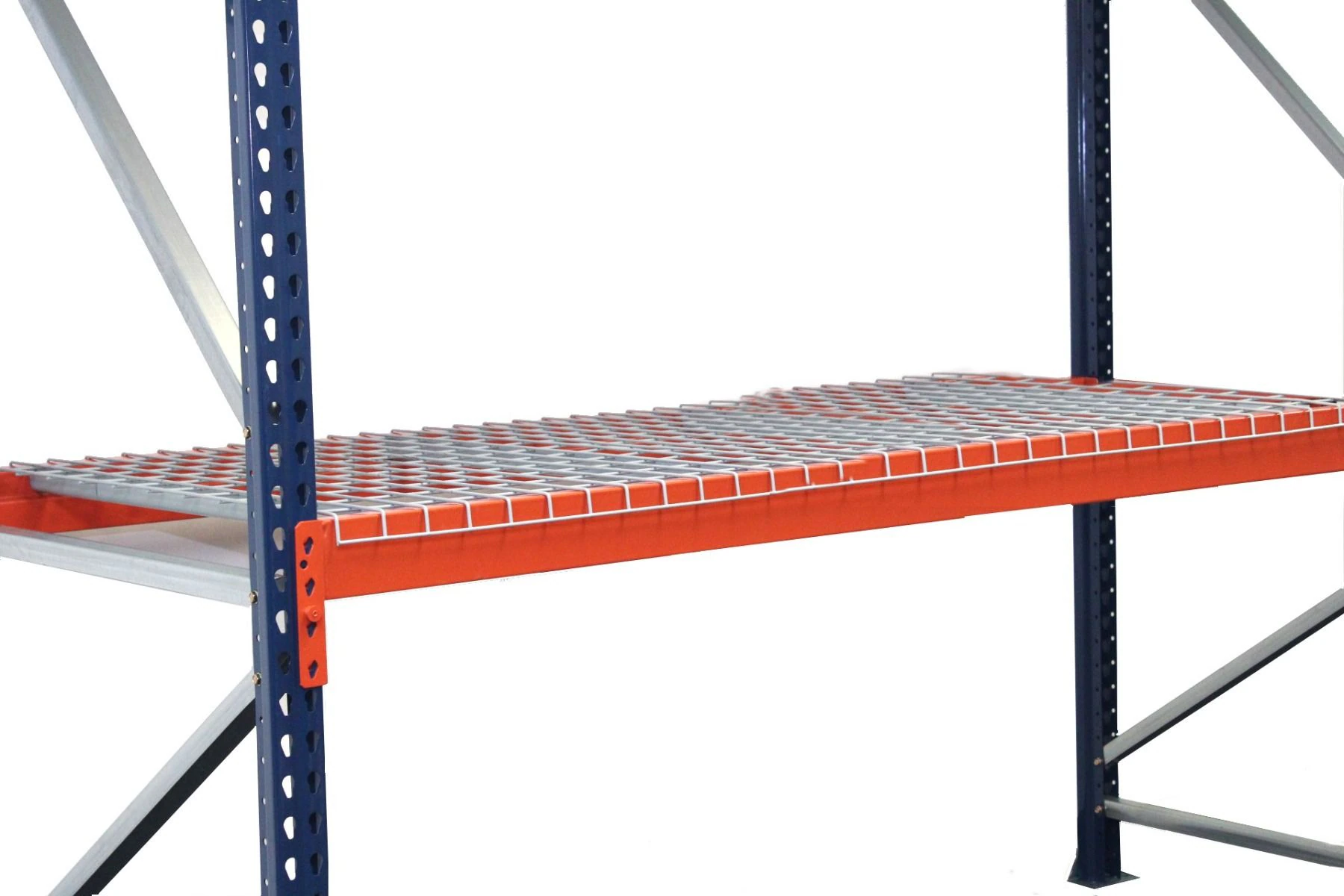
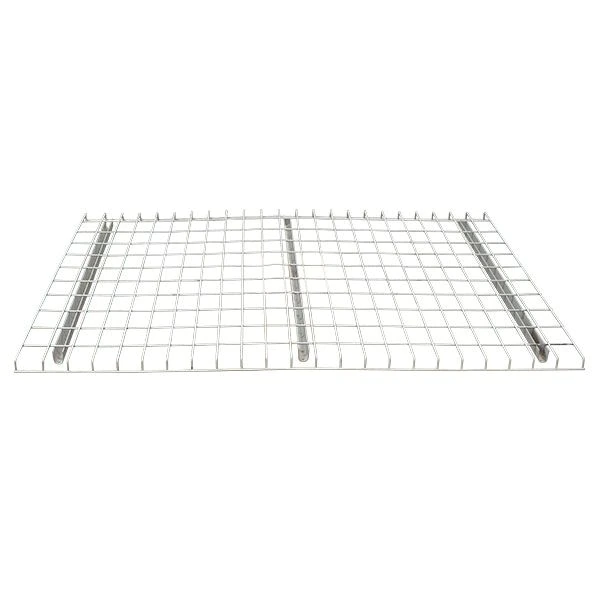
- Selective pallet rack with wire decking for bulk supplies. Bagged and boxed supply lines store efficiently on standard pallet positions, with wire decking keeping smaller boxes from falling through to the level below.
- Physical separation between pharmaceutical and general supply zones. Keeping lot-controlled product in its own aisle or zone, rather than mixed into general supply racking, makes cycle counts and recalls far easier to execute cleanly.
- Case-flow picking where order volume supports it. High-velocity, frequently reordered SKUs benefit from a gravity-flow or carton-flow pick face ahead of bulk reserve storage, once volume justifies the added rack cost.
Model your own rack mix and bay layout in our 3D pallet rack configurator before ordering.
As SKU count and channel mix grow, the biggest layout risk is letting pharmaceutical, supply and equipment lines blur together in the same aisle. Planning distinct zones from the start — even if a zone starts out under-filled — makes it far easier to add SKUs later without a disruptive re-slot of the whole warehouse.
Lot tracking and regulated products
Veterinary pharmaceuticals and biologics are regulated products, and the storage layout should support — not fight — the recordkeeping and rotation discipline that regulation requires.
- Slot by lot, not just by SKU. When a single SKU can have multiple active lots on the shelf at once, location logic needs to make the oldest lot the easiest one to pick.
- Keep lot-controlled zones visually distinct. Clear zone labeling and physical separation from general supply racking reduces the chance of picking or shipping the wrong lot.
- Design for fast, complete pulls. If a recall or a manufacturer lot hold ever requires pulling specific inventory, a well-organized lot zone lets staff locate and remove it quickly and completely.
- Coordinate storage practices with your own quality and regulatory procedures. Racking supports the physical organization; the lot-control and recordkeeping requirements themselves come from FDA and USDA veterinary product regulations and each distributor’s own quality program.
The FDA Center for Veterinary Medicine and the USDA Animal and Plant Health Inspection Service oversee veterinary pharmaceutical and biologic products; consult your own regulatory and quality team for the specific recordkeeping requirements that apply to your operation.
Installation and safety
A multi-channel animal health distribution warehouse gets the same structural design standard as any other rack installation, and the same seismic and site-specific requirements apply as they would for any other distribution facility — a qualified installer designs anchoring and bracing to the applicable building code for the site’s location, not a generic national default.
- Design rack capacity for actual load weights — see pallet rack weight capacity guidance rather than assuming a standard beam rating covers dense supply pallets.
- Protect rack uprights with column protectors and end guards in aisles that see frequent order-picker and forklift traffic.
- Inspect racking on a defined cycle, and immediately after any impact — see rack inspection and repair.
- Anchor and install to the ANSI/RMI MH16.1 standard — see our rack installation guidance.
ANSI/RMI MH16.1 is published by the Rack Manufacturers Institute. We design, supply and install pallet rack, boltless shelving and carton flow for animal health, medical and general distribution warehouses.
Shop Pallet Rack Products Online
Buy select items directly from our online store, or request a quote for volume, custom sizes and freight-rated orders.
Frequently asked questions
What storage suits an animal health distribution warehouse?
Why does lot tracking matter for rack layout?
How is this different from a human medical supply distribution warehouse?
Does this involve refrigerated or cold storage?
What’s the design standard for the rack itself?
Planning storage for a multi-channel distribution warehouse?
We design pallet rack, boltless shelving and carton-flow layouts for regulated-product distributors serving multiple customer channels. Free design consultation.