
Access-Control Hardware Manufacturer Warehouse Racking: ProdataKey
A cloud-based access-control hardware manufacturer needs racking sized for high-count small electronic components and boxed finished goods — not bulk palletized freight.

Security technology manufacturing
Client sector
Pallet rack & boltless shelving
Product category supplied
Draper, Utah
Client HQ
Two Closed Won projects
Repeat customer
Plan your layout before you buy
Configure upright height, beam width, bay count, and load levels in our free 3D Pallet Rack Configurator, then get an instant bill of materials and request a quote.
The project
ProdataKey (PDK) is a cloud-based access-control hardware manufacturer headquartered in Draper, Utah, designing and producing wireless access-control readers, controller boards and related security hardware for installers nationwide. Material Handling USA has supplied pallet rack systems and boltless shelving across two separate projects for the company’s Utah facility. This project is part of our ongoing work across the Wasatch Front — see our Utah pallet rack projects for more local case studies.
An electronic hardware manufacturer is a new sector for our case-study series. Where our security-equipment warehouse for a systems integrator covers a company that installs and stocks finished security products for job sites, ProdataKey’s facility is the manufacturer’s own warehouse — it stores raw electronic components, in-process sub-assemblies and boxed finished readers awaiting shipment to dealers and installers, a different mix that calls for a different storage plan.

Why an electronic hardware manufacturer stores differently
Component count is high, unit size is small. Controller boards, readers, credentials and mounting hardware come in many SKUs with high piece counts per SKU — a layout built around bin and tote positions on shelving, not open pallet floor space, keeps that inventory findable.
Static-sensitive electronics need a controlled storage zone. Circuit boards and electronic sub-assemblies are typically kept in their own labeled totes or ESD-safe packaging on shelving rather than mixed loose with mechanical hardware.
Finished goods still move on pallets. Boxed, packaged readers and hardware kits staged for outbound shipment are palletized like any other finished product, so the facility needs both small-parts shelving and standard pallet rack in the same building.
Accuracy matters more than density. A hardware kit shipped to an installer with a missing component is a costly service problem, so pick accuracy and clear labeling matter as much as storage density.
What an access-control hardware warehouse stores
Based on the verified project scope, an electronic security-hardware manufacturer typically stores several distinct material categories, each suited to a different rack or shelving type:
| Material | Storage need |
|---|---|
| Controller boards & circuit sub-assemblies | Labeled bins/totes on shelving, kept separate from mechanical hardware. |
| Readers, credentials & small mounting hardware | High SKU-count bin storage sorted for fast, accurate picking. |
| Raw enclosure & mechanical components | Boxed or bulk stock on pallet rack or boltless shelving depending on volume. |
| Boxed finished goods awaiting shipment | Palletized positions on selective pallet rack sized for outbound freight. |
- High-count small electronic components and finished hardware kits store on boltless shelving with bin storage, keeping SKUs sorted and countable for accurate picking.
- Boxed finished goods and bulk raw material store on selective pallet rack for standard palletized positions and easy inventory rotation.
- A mixed layout that puts small-parts shelving near packing stations and pallet rack near shipping reduces travel time during order fulfillment.
Kitting and shipment accuracy
A hardware manufacturer that ships multi-component kits to installers has a storage and workflow problem that a bulk-goods warehouse doesn’t face in the same way:
Group components by kit, not just by part number. Positioning the components that make up a common kit near each other — even across different shelving bays — cuts picking travel time and reduces missed items.
Clear bin labeling reduces costly shipping errors. A missing controller board or reader in an installer’s shipment is a service and reputation cost far larger than the part itself, so legible, consistent bin labeling is worth the investment.
Separate raw, work-in-process and finished, tested inventory. Keeping untested components in a distinct shelving zone from finished, quality-checked hardware reduces the chance of an unverified unit shipping out.
Aisle protection matters near packing stations. Column protectors and rack guards reduce the chance of a cart or handling-equipment strike damaging rack near busy kitting and packing areas.
Planning for product line growth
Electronics manufacturers often add new hardware models as their product line expands, so a few planning considerations help a layout hold up over time:
Leave open bin positions for new SKUs. A new reader or controller model adds SKUs without warning; unused shelving positions absorb that growth without a disruptive re-layout.
Size pallet rack bays for real outbound volume, not just current shipment counts, so growing order volume doesn’t outgrow the pallet positions on day one.
Keep a returns/RMA zone separate from active inventory. Hardware manufacturers typically process warranty returns and repairs; a dedicated shelving zone keeps that inventory from being confused with sellable stock.
Plan floor space for both storage and workstations. Kitting, testing and packing stations need floor space alongside rack and shelving; a layout that accounts for both from the start avoids overflow material blocking aisles later.
Installation and safety
An access-control hardware manufacturer’s racking follows the same structural design standard as any other pallet rack or boltless shelving project, sized to the actual loads and traffic involved rather than a generic assumption.
- Size rack and shelving capacity to the real material weights involved — see pallet rack weight capacity guidance.
- Protect rack uprights with column protectors and end guards in aisles that see cart or forklift traffic near packing stations.
- Inspect racking on a defined cycle — see rack inspection and repair.
- Anchor and install to the ANSI/RMI MH16.1 standard — see our rack installation guidance.
ANSI/RMI MH16.1 is published by the Rack Manufacturers Institute. Utah’s Wasatch Front sits in a moderate-to-high seismic zone, so rack anchoring and bracing for an electronics manufacturer get designed for seismic load combinations under the applicable building code, the same as any other pallet rack or boltless shelving installation in the region. We design, supply and install pallet rack, boltless shelving and cantilever rack for manufacturers across the Wasatch Front — see Utah pallet rack for more of our local project work.
Serving Utah security-technology manufacturers
Material Handling USA has been an industry leader in storage and material handling since 1997, working from Salt Lake City with manufacturers across the Wasatch Front. See our related work for a security-equipment warehouse for a systems integrator. For Utah projects call 801-328-8788, or see our Utah pallet rack page.
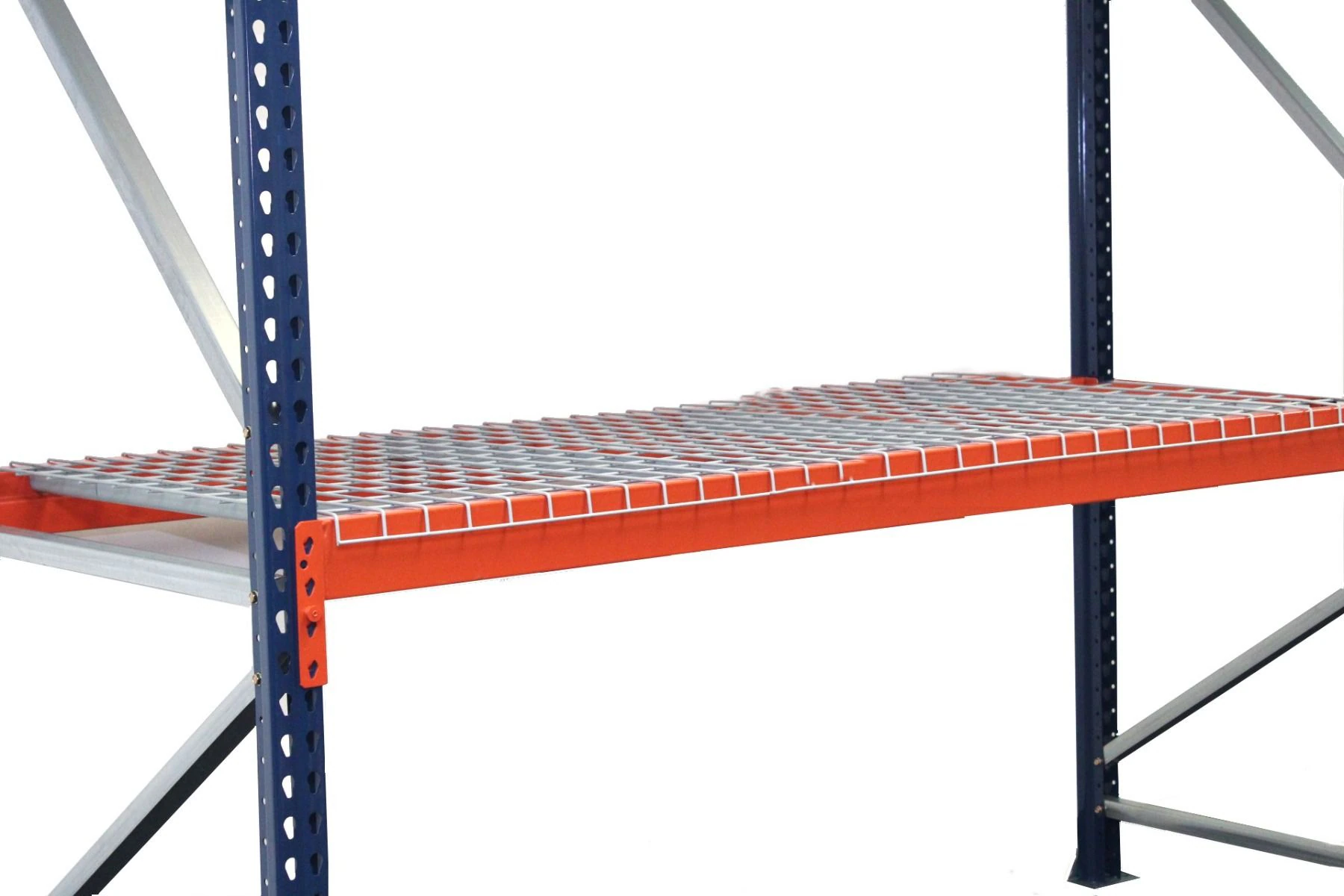
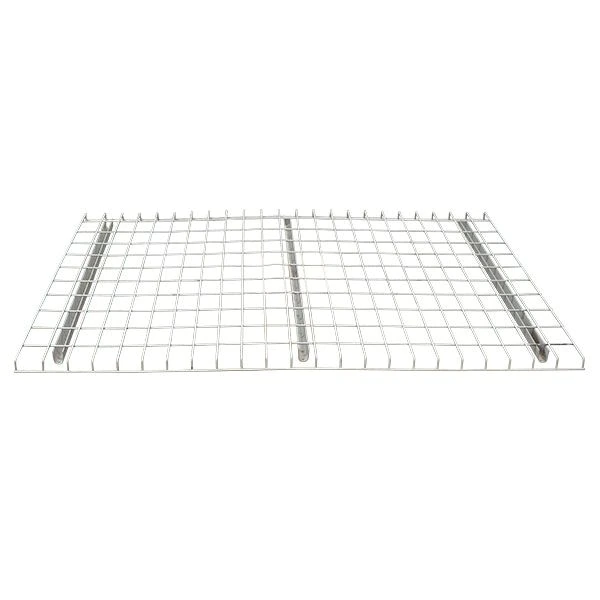
Shop Pallet Rack Accessories Online
Buy select items directly from our online store, or request a quote for volume, custom sizes and freight-rated orders.

Frequently asked questions
What storage suits an access-control hardware manufacturer?
How is a hardware manufacturer’s warehouse different from a security integrator’s warehouse?
Why does kit accuracy matter so much for this type of warehouse?
Should raw and finished electronic inventory be stored separately?
Should a hardware manufacturer’s rack layout leave room to grow?
Does seismic design matter for rack in Utah?
Planning storage for an electronics or hardware manufacturing facility?
We design pallet rack, boltless shelving and cantilever rack layouts for manufacturers with high-SKU, high-accuracy storage needs. Free design consultation.
Based near the Wasatch Front? See our pallet racking Salt Lake City page for local delivery and install details.