
County Road & Bridge Department Warehouse Racking: Tooele County
A rural county’s road and bridge department runs on one mission — keep the roads open — and its warehouse has to store highway-scale materials and a seasonal snow-fighting arsenal that a general public works store doesn’t carry in the same volume. Not every road-maintenance storage problem is county-level — a statewide agency running many maintenance sheds needs a standardized approach across locations; see our state highway maintenance shed racking case study. Elsewhere in Tooele County, salt is the product rather than a seasonal supply: see how a Grantsville solar salt plant racks bagged salt and maintenance spares in our salt plant pallet racking case study.
2025
Year we worked with Tooele County
Utah county government
Client sector
Pallet rack
Product category supplied
Road & bridge maintenance
Application
Plan your layout before you buy
Configure upright height, beam width, bay count, and load levels in our free 3D Pallet Rack Configurator, then get an instant bill of materials and request a quote.
The project
Tooele County is a Utah county whose Roads Department maintains curb and gutter, asphalt pavement, sidewalks, street signs, storm and drain culverts, bridges, shoulders, gravel roads and cattle guards across the county. Material Handling USA supplied pallet rack systems for the department’s maintenance warehouse in 2025. The client, that year and the product category supplied are the only project details we publish — for public-sector clients we do not publish facility layouts, room dimensions, stock levels or contract values.
A county road and bridge department is not the same storage problem as a city’s general public works building, which we cover in our municipal public works warehouse racking case study — that page is about a multi-division city store handling streets, water, parks and facilities together. A rural county road department instead concentrates almost entirely on one mission: keeping roads and bridges open, in every season, across a much larger and less densely served geography. That changes what the warehouse holds and how it’s organized.
Why a county road department warehouse is different
The inventory is highway-scale, not office- or facility-scale. Culvert pipe, guardrail sections and full sheets of sign blanks are long, heavy and awkward — a completely different handling problem from the office supplies, parks equipment and small parts a city’s general public works store also has to hold.
One mission, concentrated demand. Where a city public works building splits capacity across streets, water, parks and fleet, a county road and bridge department’s warehouse is built almost entirely around a single function — which means the layout can be optimized for road-maintenance materials specifically, instead of dividing the building by department.
The seasonal swing is severe. Snow removal season concentrates an entire winter’s worth of deicer, plow parts and traffic-control material into a few months of peak use, then leaves it largely idle the rest of the year — a bigger swing than the department’s transit or facilities counterparts usually plan for.
Geography multiplies the logistics. A rural county road department typically covers far more centerline miles per warehouse than a city crew does, so material has to be staged for fast loadout to trucks headed to distant job sites, not just organized for on-site convenience.
What a road and bridge department stores
Sorting inventory by material shape and season, not by department, is what makes a county road and bridge warehouse layout work.
| Group | Examples | Storage that suits it |
|---|---|---|
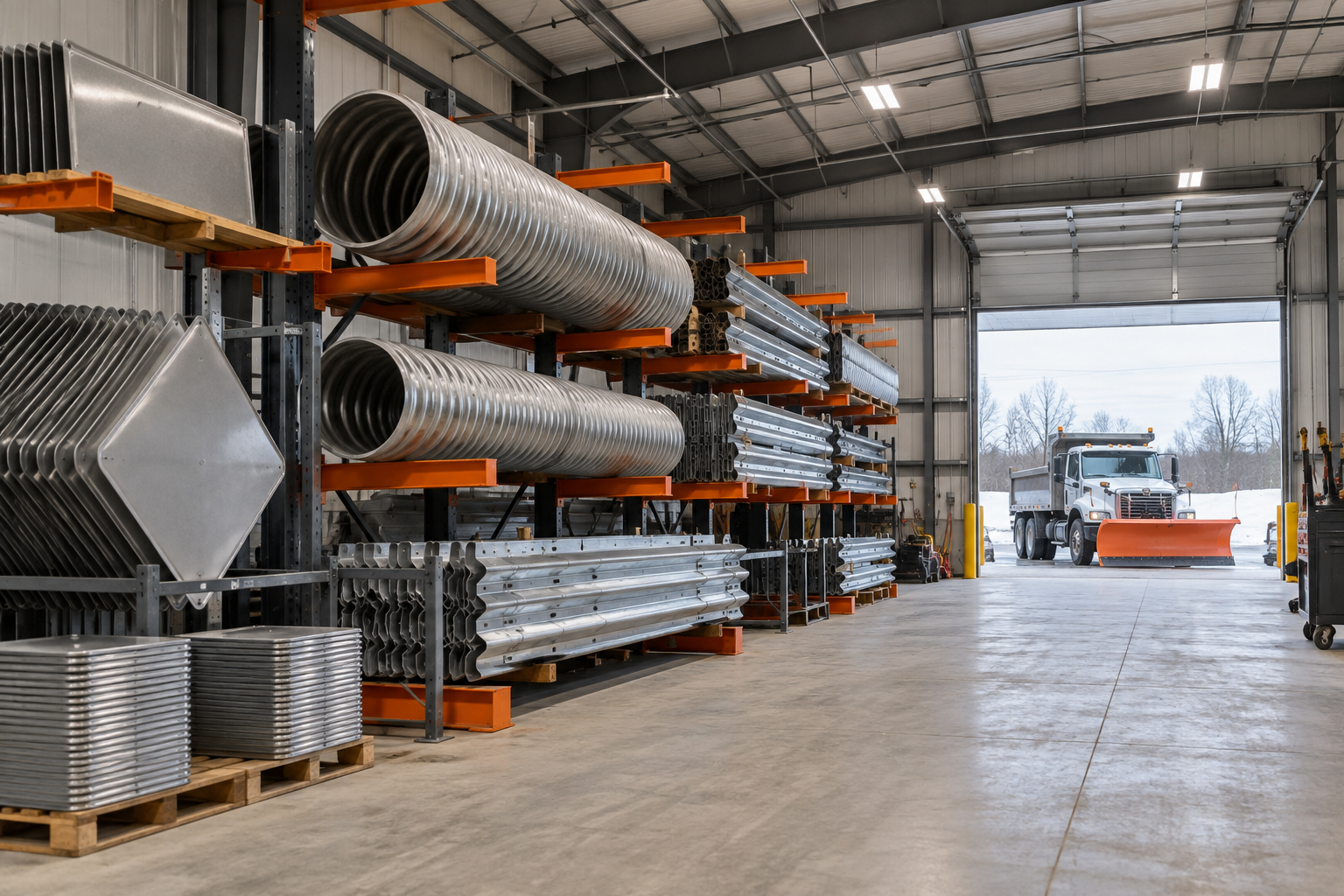
| Culvert and drainage pipe | Corrugated metal and HDPE culvert sections in varying lengths | Cantilever rack sized to the longest pipe run, keeping stock off the floor and out of loadout aisles |
| Guardrail and bridge hardware | Guardrail sections, posts, bridge deck hardware | Cantilever rack, separated from culvert pipe by length and weight |
| Road signs and sign blanks | Stop, warning and regulatory sign blanks, posts, mounting hardware | Vertical sign racks or boltless shelving sized to standard sign-blank dimensions |
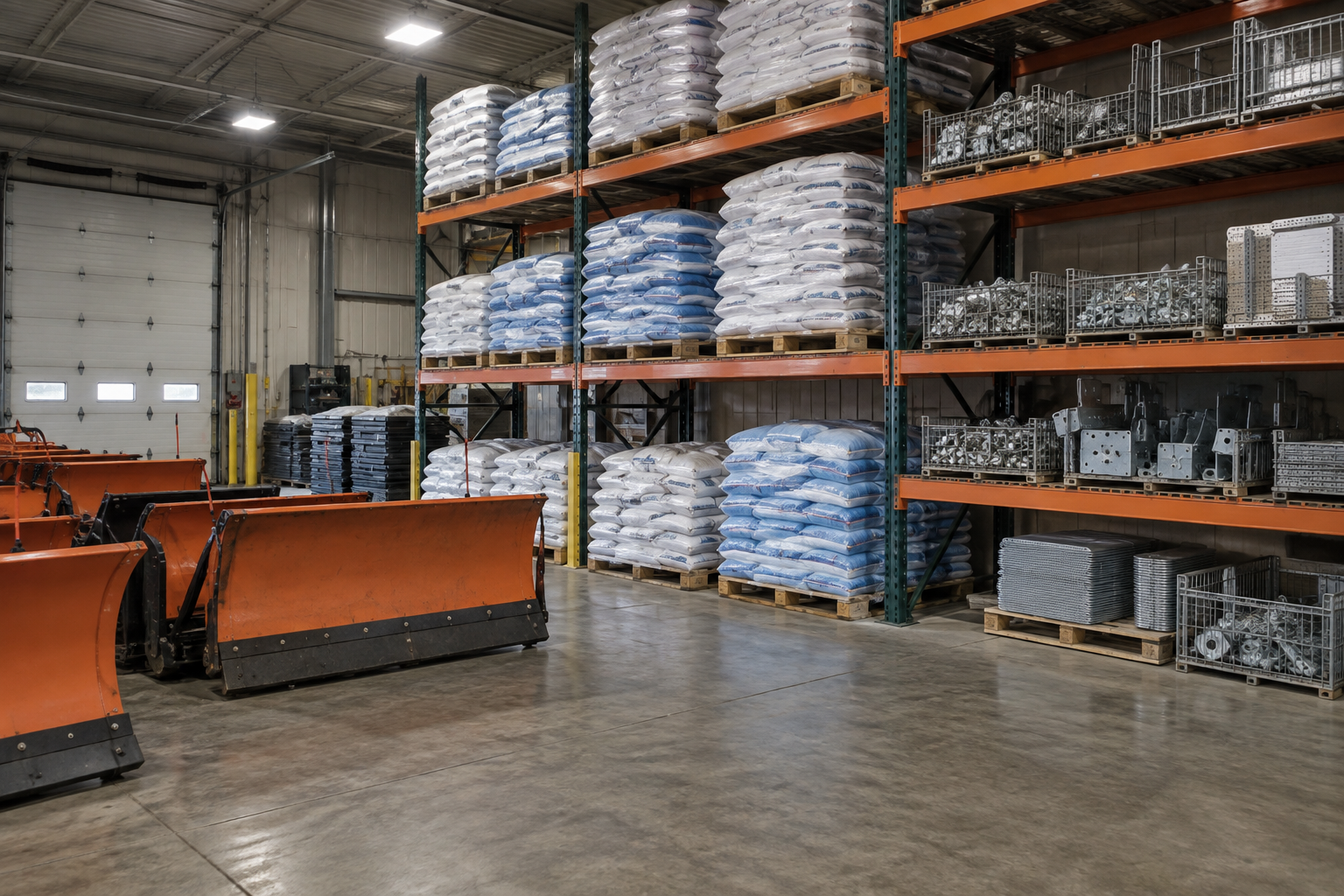
| Bagged deicer and road salt | Bagged and bulk-bagged deicing material staged for winter | Selective pallet rack with wire decking, planned for a large seasonal volume swing |
| Traffic control and striping supplies | Cones, barricades, paint and striping materials | Boltless shelving near the loadout area for fast crew pickup |
| Snow plow parts and wing attachments | Plow blades, cutting edges, wing packages, mounting hardware | A dedicated floor-level and low-rack staging area near the equipment yard, sized for pre-season readiness checks |
Rack choices for highway-scale materials
The right rack mix for a road and bridge department separates by load shape first, the same principle we use for any oversized-goods storage problem, then plans for the seasonal swing.
- Cantilever rack for culvert pipe, guardrail and other long stock. Open arms support long, awkward material along its length instead of forcing it into a boxed pallet position, and let a forklift or boom truck load and unload without extra handling.
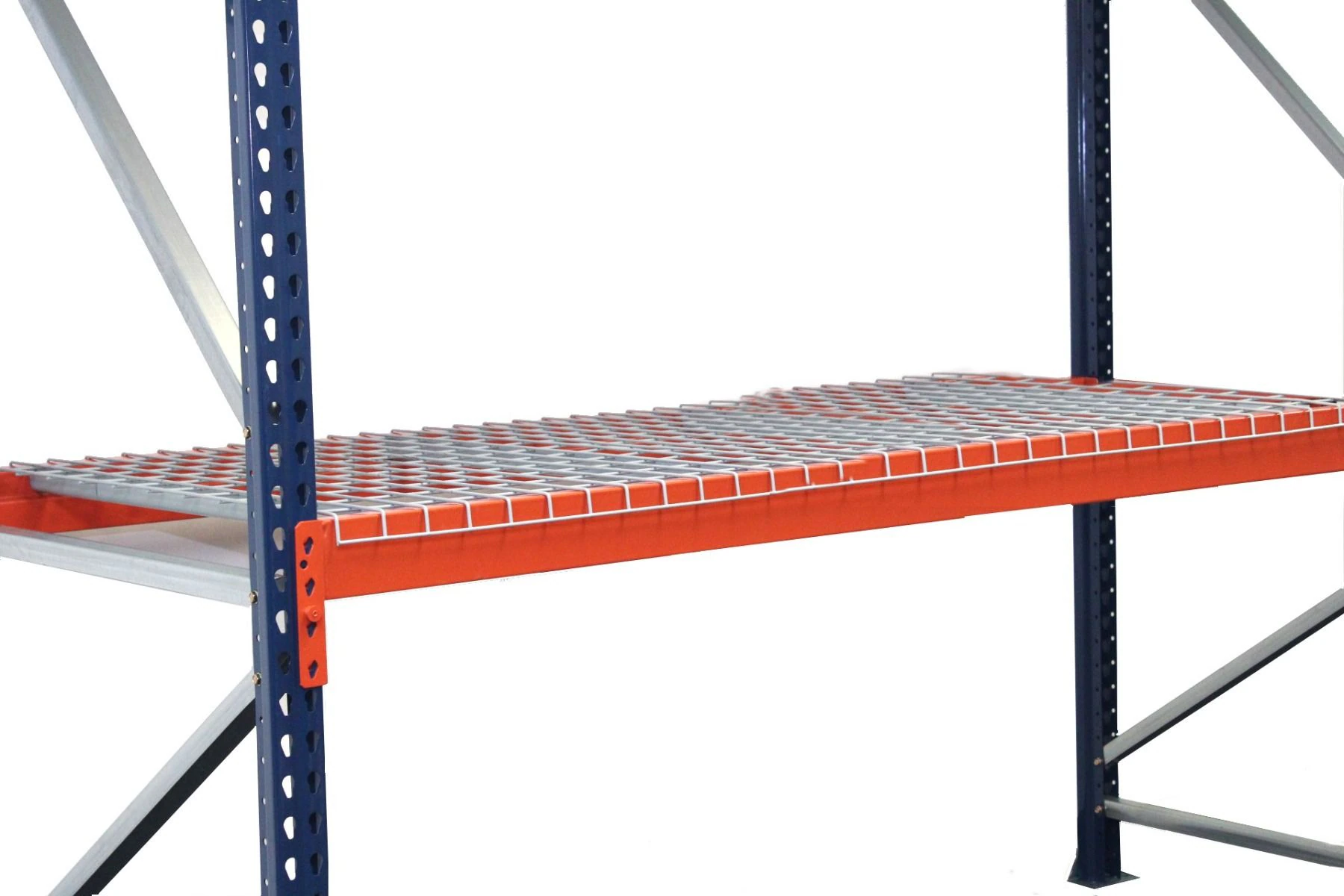
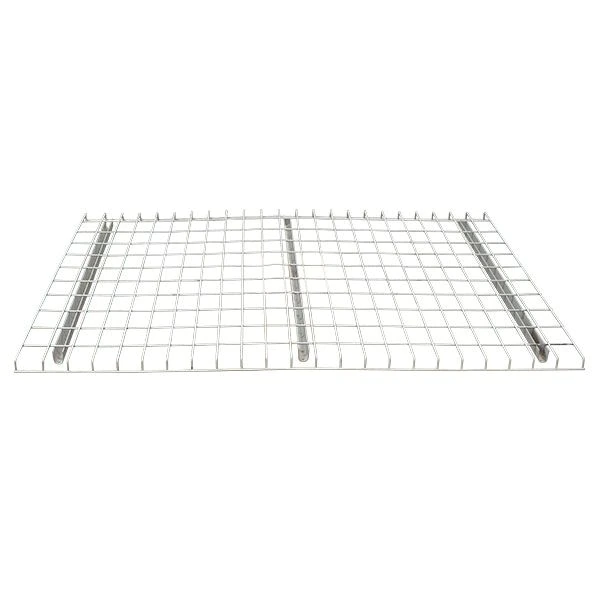
- Selective pallet rack with wire decking for bagged deicer and palletized supplies. Standard palletized road-maintenance materials store efficiently on selective rack, sized for the winter volume swing rather than the annual average.
- Boltless shelving for sign hardware and traffic control supplies. Frequent, small-quantity picks of hardware and striping supplies move faster off open shelving near the loadout area than off a full pallet position.
- Dedicated low-rack or floor staging for plow attachments. Seasonal equipment that gets checked and mounted right before winter needs open, accessible floor-level space near the equipment yard, not a top-of-rack position.
Model bay counts, cantilever arm lengths and seasonal overflow capacity against your actual material mix in our 3D pallet rack configurator before ordering.
Seasonal snow-fighting swing
Winter road maintenance is the sharpest seasonal swing a county road department’s warehouse has to absorb, and it hits every category of stored material at once.
- Size deicer and salt capacity for peak season, not the annual average. A single storm cycle can move more bagged deicer than the department uses the rest of the year combined; a layout sized for average demand creates a bottleneck exactly when it can’t afford one.
- Stage plow parts and wing attachments before the season starts. Pre-season readiness checks go faster when cutting edges, wing packages and mounting hardware are already slotted and labeled, not searched for once the first storm is forecast.
- Keep culvert, guardrail and sign stock accessible year-round. Bridge and drainage repairs don’t stop in the off-season, so long-stock cantilever positions need to stay reachable even when winter materials are stacked nearby.
- Use the off-season for rack inspection and reconfiguration. The lower-traffic months between snow seasons are the practical window to inspect racking, repair any impact damage, and adjust slotting before the next winter’s volume arrives.
Installation and safety
A county road department’s racking gets the same structural design standard as any other pallet rack installation, sized for the heavier equipment traffic a maintenance yard sees.
- Design cantilever arm and beam capacity for actual load weight and length — see pallet rack weight capacity guidance rather than assuming a standard arm rating covers oversized culvert or guardrail stock.
- Protect end-of-aisle uprights with column protectors and end guards where loaders, boom trucks or plow trucks move through active aisles.
- Inspect racking on a defined cycle, and immediately after any impact — see rack inspection and repair, with extra attention after the winter season when equipment traffic is heaviest.
- Anchor and install to the ANSI/RMI MH16.1 standard — see our rack installation guidance for any new or reconfigured maintenance-yard rack.
ANSI/RMI MH16.1 is published by the Rack Manufacturers Institute. We design, supply and install pallet rack and cantilever rack for county and municipal road departments across the region — see Utah pallet rack, our related municipal public works warehouse racking case study, and our transit agency fleet parts warehouse racking case study for a related public-sector storage problem.
Utah pallet rack project: This case study supports our Utah pallet rack design and installation guide and, at the top level, our main pallet rack systems hub.
Shop Pallet Rack Products Online
Buy select items directly from our online store, or request a quote for volume, custom sizes and freight-rated orders.
Frequently asked questions
What storage suits a county road and bridge department’s warehouse?
How is a county road department warehouse different from a city public works building?
How should a county plan storage for the winter snow-fighting season?
Why does culvert pipe and guardrail need cantilever rack instead of standard pallet rack?
What information do you publish about a public-sector project like this one?
Planning storage for a county or municipal road maintenance warehouse?
We design pallet rack and cantilever rack for county and municipal road and bridge departments, including seasonal snow-fighting capacity. Free design consultation.