
Transit Agency Fleet Parts Warehouse Racking: Utah Transit Authority
A public transit agency’s parts warehouse has to keep buses and trains running on a published schedule — there is no such thing as a part that can wait until next week.
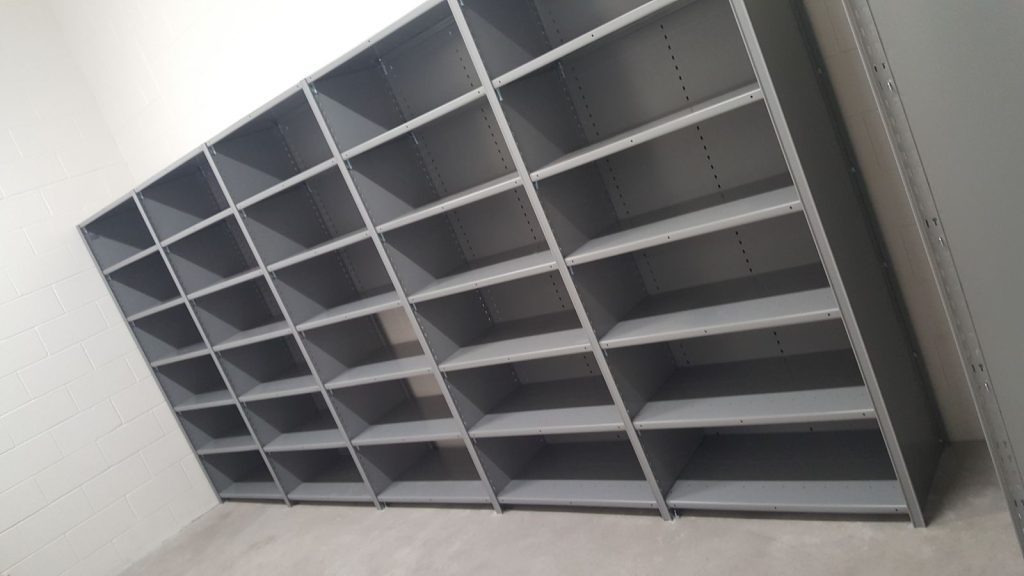
2025
Year we worked with Utah Transit Authority
Public transit agency
Client sector
Pallet rack
Product category supplied
Fleet parts & MRO storage
Application
Plan your layout before you buy
Configure upright height, beam width, bay count, and load levels in our free 3D Pallet Rack Designer, then get an instant bill of materials and request a quote.
The project
Utah Transit Authority (UTA) is a public transit agency operating bus and rail service in Utah. Material Handling USA supplied pallet rack for the agency across two projects in 2025. The client, that year and the product category supplied are the only project details we publish.
Public transit fleets run to a published schedule, and a bus or railcar pulled out of service for a missing part is a service disruption the public notices. That makes the parts warehouse behind a transit agency’s maintenance facility function less like general storage and more like a supply chain with a hard deadline every single day. Bulk stock — drivetrain components, tires, fluids and bulk consumables — needs engineered pallet rack systems, while smaller, higher-turn parts need shelving sized to the part, not the pallet.
Our public works warehouse racking case study covers a similar multi-division public sector building; a transit agency’s difference is a fleet-maintenance parts operation running against a daily service schedule rather than a general municipal stores function. See also our general transit authority shelving product page for the wider shelving lineup we supply to transit agencies.
What we publish about this project
We name public sector clients and the product category supplied, because that is a matter of public record in most transit agency procurements. We never publish facility layouts, room or building dimensions, security arrangements, stock quantities or contract values — on this page or anywhere else on this site.

Why fleet-maintenance storage is different
Downtime has a public face. A bus or railcar out of service because a part wasn’t on the shelf shows up as a missed run, not just an internal metric.
Inventory is weight-dense and mechanically specific. Transmissions, differentials, axle components and brake assemblies are heavy, bulky, and often specific to a small number of vehicle models the agency actually runs.
Preventive maintenance drives predictable demand, breakdowns don’t. A fleet maintenance schedule creates a known baseline of parts usage, but unplanned repairs still require rapid access to less-common components.
Everything is subject to public accountability. Public agencies operate under audit and procurement rules that make an accurate, defensible inventory count a requirement, not a convenience.
Facilities are often built for the long haul. Transit maintenance buildings are capital projects meant to serve a fleet for decades, so the racking has to accommodate fleet changes over that horizon.
What a transit agency stores
Sorting fleet parts by physical behaviour, not by vehicle system, is what makes the storage layout work.
| Group | Examples | Storage that suits it |
|---|---|---|
| Heavy drivetrain components | Transmissions, differentials, axle assemblies, engines | Wide-span or pallet rack levels engineered for concentrated point loads, not spread loads |
| Tires and wheel assemblies | Bus and support-vehicle tires, mounted wheel assemblies | Dedicated tire racking or cantilever, kept off the general pallet rack footprint |
| Brake and suspension parts | Brake assemblies, rotors, suspension components | Selective pallet rack or wide-span shelving, sorted by vehicle platform |
| Fluids and bulk consumables | Oil, coolant, cleaning chemicals in bulk containers | Rack positions rated for the container weight, with spill containment as appropriate |
| Small high-turn parts | Filters, belts, hoses, electrical components, fasteners | Boltless or bin shelving with fixed, labeled locations near the maintenance bay |
| Facility and station maintenance supplies | Signage, lighting, cleaning equipment, general facility stock | Standard bulk pallet positions, separate from vehicle-specific parts |
Rack and shelving choices for fleet parts
The engineering question is less about aisle width and more about point-load capacity: a transmission on a rack level is a very different load profile than a pallet of boxed filters.
- Selective pallet rack for bulk consumables and boxed parts. Anything arriving as a unit load on a normal restocking cycle.
- Wide-span shelving for heavy, irregular drivetrain components. Transmissions and differentials need decking and beam capacity engineered for concentrated point loads, not just a weight rating averaged across a level.
- Cantilever rack for long items. Driveshafts, structural stock and other long components belong on open arms rather than squeezed onto beam levels.
- Boltless shelving for the high-turn parts tail. Filters, belts and small electrical components are picked constantly and need fixed, labeled locations.
- Decked levels for round stock. Tires and reels need a level with a stop or rail so nothing rolls off the bay — see wire decking.
To test bay counts and shelving runs against a real fleet-parts inventory before ordering, try our 3D pallet rack designer.
Keeping a fleet parts count audit-ready
Public agencies answer to procurement and audit rules most private warehouses don’t, which changes how the storage system itself should be organized.
- Fixed, labeled locations beat open bulk storage. A defensible inventory count starts with every part having one expected location, not a general area it’s usually kept in.
- Separate vehicle-platform parts clearly. Agencies that run more than one bus or railcar platform benefit from a layout that keeps platform-specific parts from being mixed or misidentified.
- Plan for fleet changes over the building’s life. A maintenance facility is a decades-long asset; racking that can be reconfigured protects that investment as the fleet mix changes.
- Separate core-return and warranty parts from active stock. Rebuildable cores and warranty-claim components need a clearly separate, labeled area so they don’t get mistaken for usable inventory.
- Design in cycle-count access, not just storage. Aisle widths and rack heights that allow routine physical counts without special equipment keep audits from becoming a special project.

Installation and inspection
Public capital projects bring their own procurement and inspection requirements, on top of the usual structural engineering.
Design to real point loads. See pallet rack weight capacity and have wide-span and pallet rack levels engineered for the actual component weights the agency handles, not generic averages.
Protect columns from forklift and cart traffic. Busy maintenance-adjacent storage areas see more daily traffic than typical bulk storage — column protectors and end guards earn their keep.
Inspect on a defined cycle and after any impact. Bent beams and deformed columns reduce capacity immediately — see rack inspection and repair.
Use an installer who works to the standard. The design standard is ANSI/RMI MH16.1 — practical guidance is on our rack installation page.
ANSI/RMI MH16.1 is published by the Rack Manufacturers Institute. We design, supply and install racking and shelving for public transit and other government agencies across the region — see Utah pallet rack.
Shop Pallet Rack Accessories Online
Protect and finish your pallet rack installation with these in-stock accessories, or request a quote for custom-sized rack, freight and volume pricing.

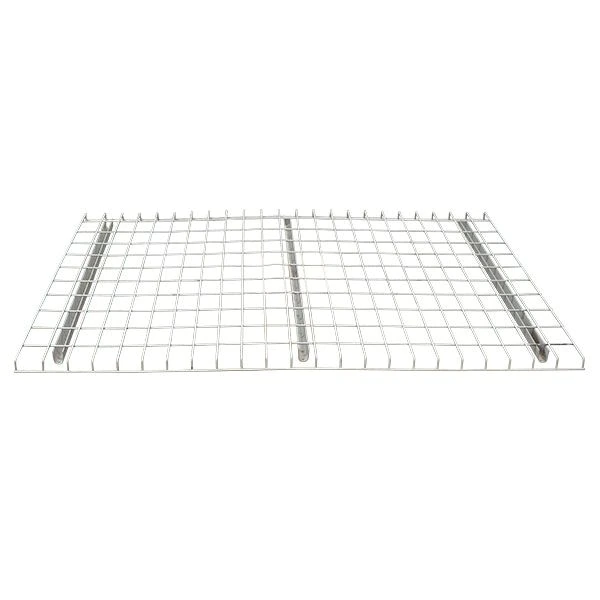
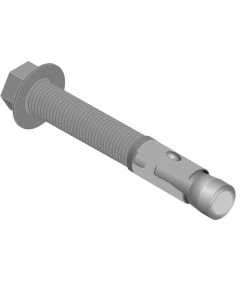
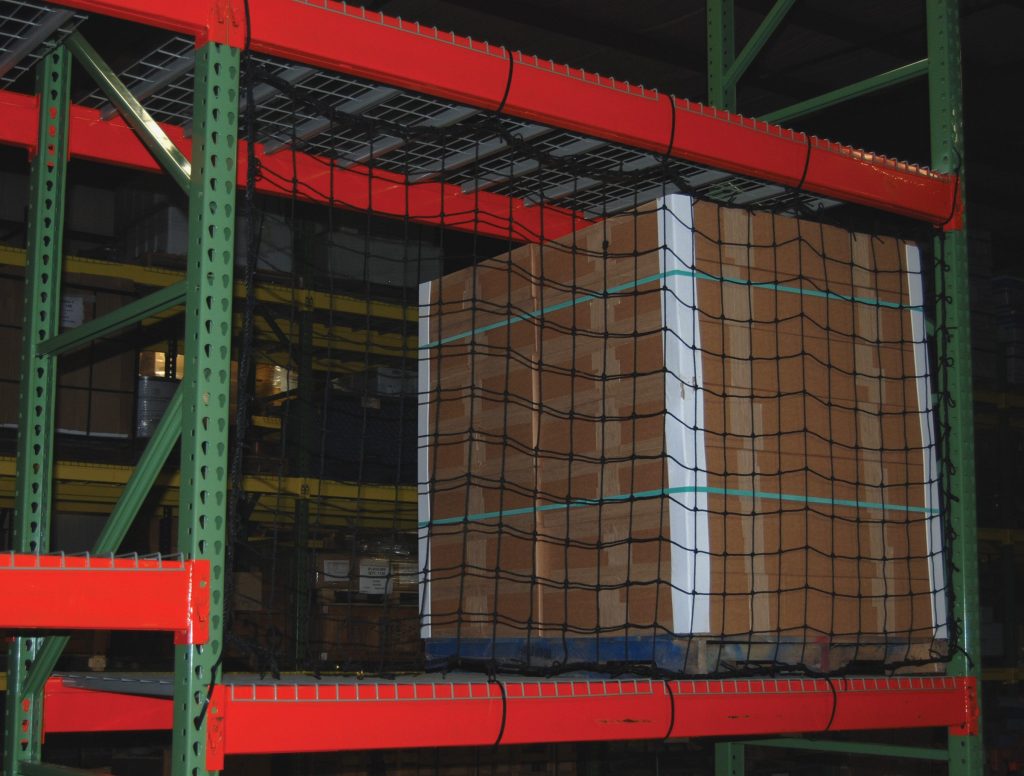
Utah pallet rack project: This case study supports our Utah pallet rack design and installation guide and, at the top level, our main pallet rack systems hub.
Frequently asked questions
What storage suits a transit agency’s fleet parts warehouse?
Why can’t heavy drivetrain parts just go on standard pallet rack?
How is this different from a general municipal public works warehouse?
Why do public agencies need such precise inventory locations?
What information about this project is kept private?
What’s the design standard for the racking itself?
Planning storage for a fleet maintenance facility?
We design pallet rack, wide-span and shelving layouts for transit agencies and other government fleet operations, engineered to real component weights. Free design consultation.