
Modular Building Maintenance Guide: Inspections, Care and Repairs
A simple schedule for modular offices, booths and exterior buildings: HVAC filters, doors, panel joints, ceilings, roofs and floors, plus common repairs and when to replace a damaged wall panel.
Call (800) 326-4403 or email Sales@MH-USA.com
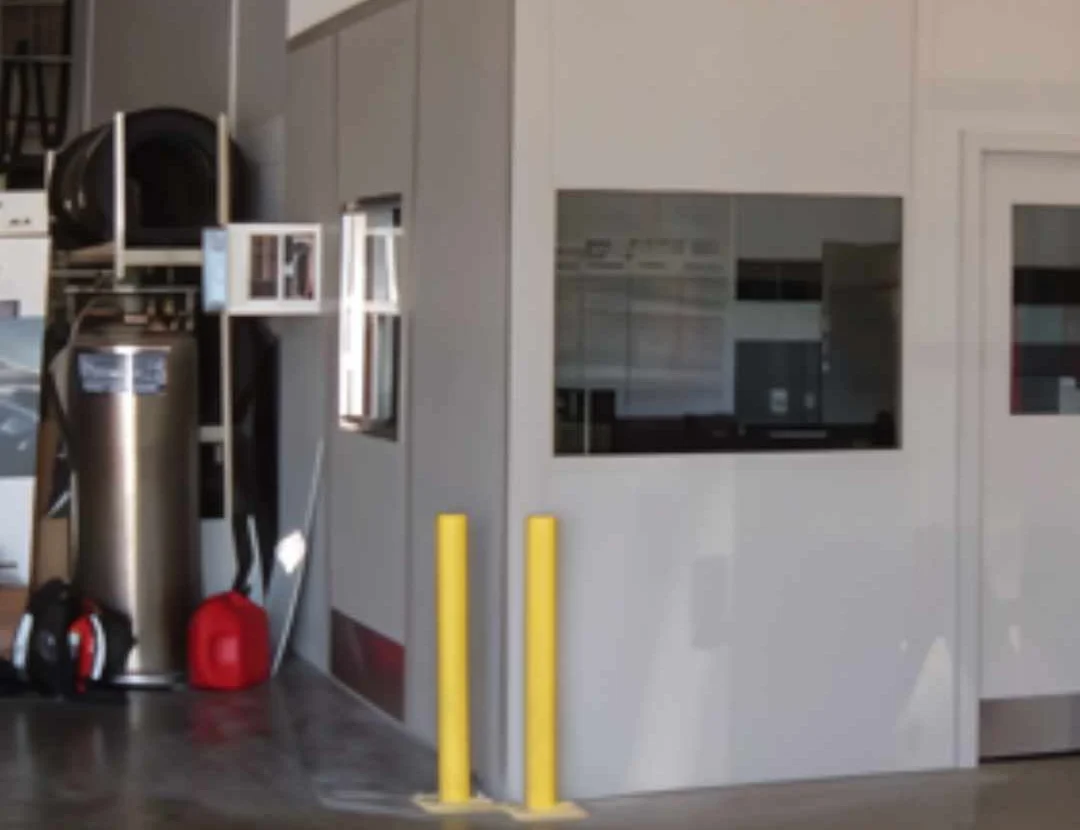
Monthly
Filters and Quick Checks
Quarterly
Doors, Joints, Ceilings
Annually
HVAC Service and Roof
Replaceable
Individual Wall Panels
Why modular buildings are easy to maintain
A modular building is made of factory-finished parts: wall panels, posts, frames, a ceiling or deck, and a self-contained HVAC unit. There are no taped drywall seams to crack and no field-built framing hidden behind the finish, so most upkeep is visible, simple and done by your own maintenance team.
The tasks that matter most are keeping the HVAC clean, keeping doors adjusted, catching damaged panels or seals early and protecting the building from forklift hits. This guide gives you a schedule, a checklist for each component and guidance on repairs.
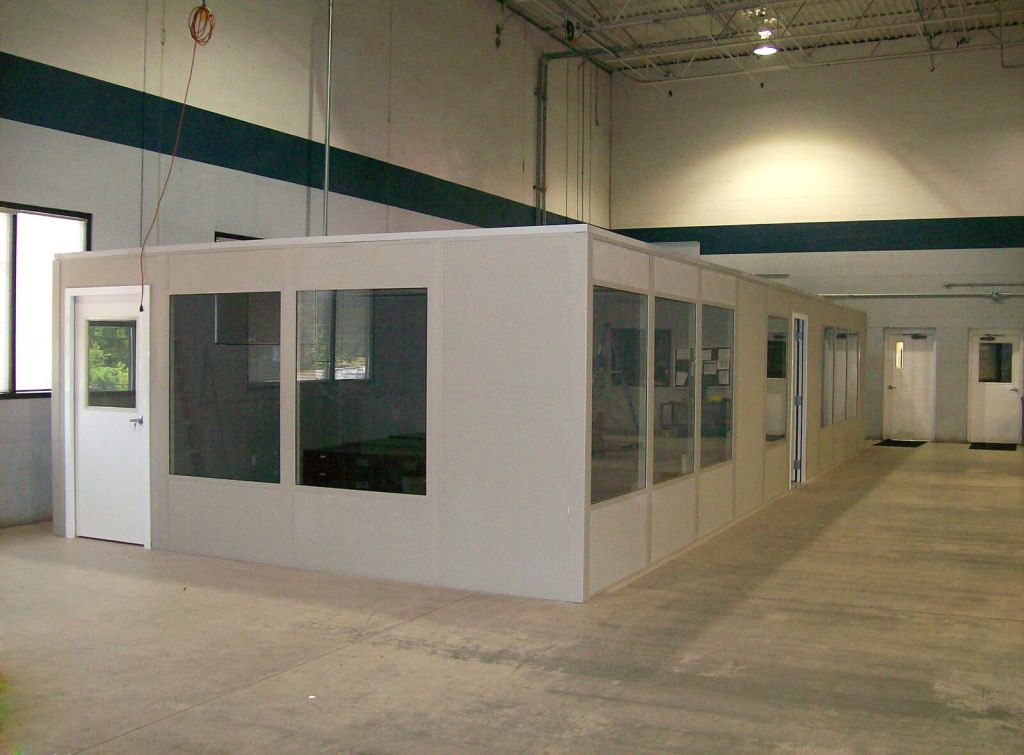
It applies to in-plant offices, break rooms, enclosures, two-story offices, exterior buildings and guard booths. Back to the in-plant buildings hub.
Modular building maintenance schedule
Adjust the frequency to your environment: dusty, hot, wet or high-traffic plants need shorter intervals than a clean warehouse.
| Interval | Task | Who |
|---|---|---|
| Monthly | Check HVAC filters (replace in dusty plants), test GFCI outlets, walk the exterior for forklift damage | Facility staff |
| Quarterly | Adjust door closers and hinges, check panel joints and trim, look for ceiling stains, clean windows and transaction windows | Facility staff |
| Twice a year | Spring: clean HVAC coils and condensate drain. Fall: test heating, check weatherstripping and roof drainage | Facility staff or HVAC tech |
| Annually | HVAC service by a licensed technician, electrical panel inspection, roof and sealant inspection on exterior buildings | Licensed trades |
| After any impact | Inspect the panel, post and floor track; check door frames for racking; check guardrail and bollards | Facility staff, then us if needed |
| Before a move or expansion | Review the drawings and panel schedule; plan anchors, power and permits at the new location | MH-USA and your team |
Component by component
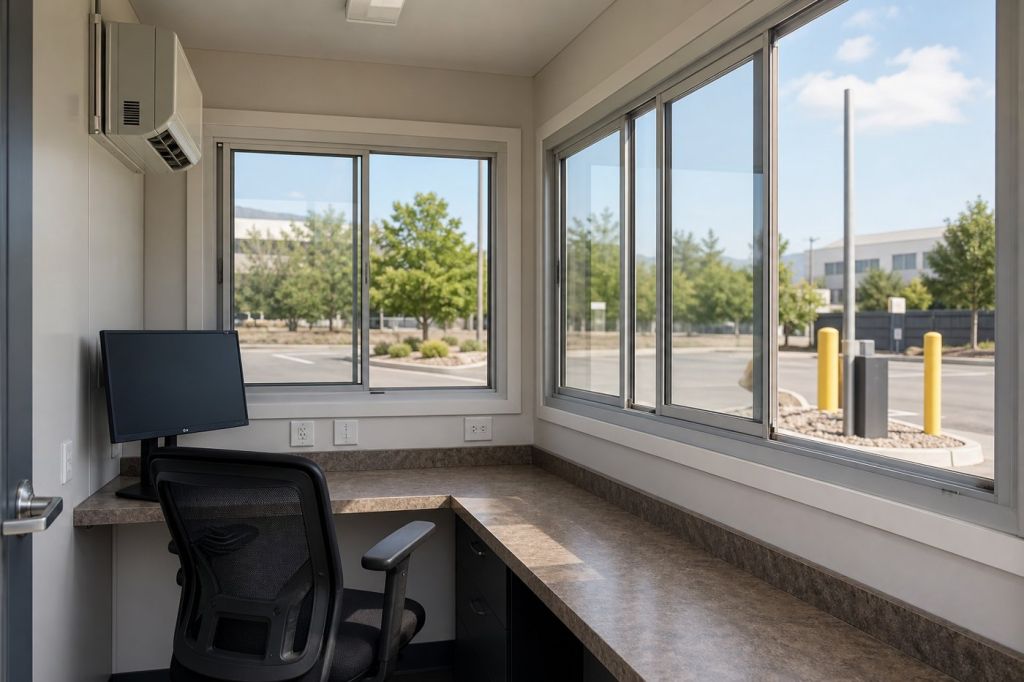
HVAC
Filters are the most important routine item. In clean spaces check them every few months; in dusty production areas check monthly and replace as needed. Keep the condensate drain clear, keep the outdoor or exhaust side free of stored material, and have a licensed technician service the unit once a year. Units and options are covered in our HVAC guide.
Doors, hardware and windows
In-plant office doors see heavy traffic. Tighten hinge screws, adjust closer speed so the door latches without slamming, lubricate the latch and check the threshold and seals. Clean window glass and tracks, and check that sliding and transaction windows lock. A door that drags usually means a loose hinge or an impact to the frame. See doors and windows.
Roofs, storage decks and exterior buildings
Storage roofs and second levels
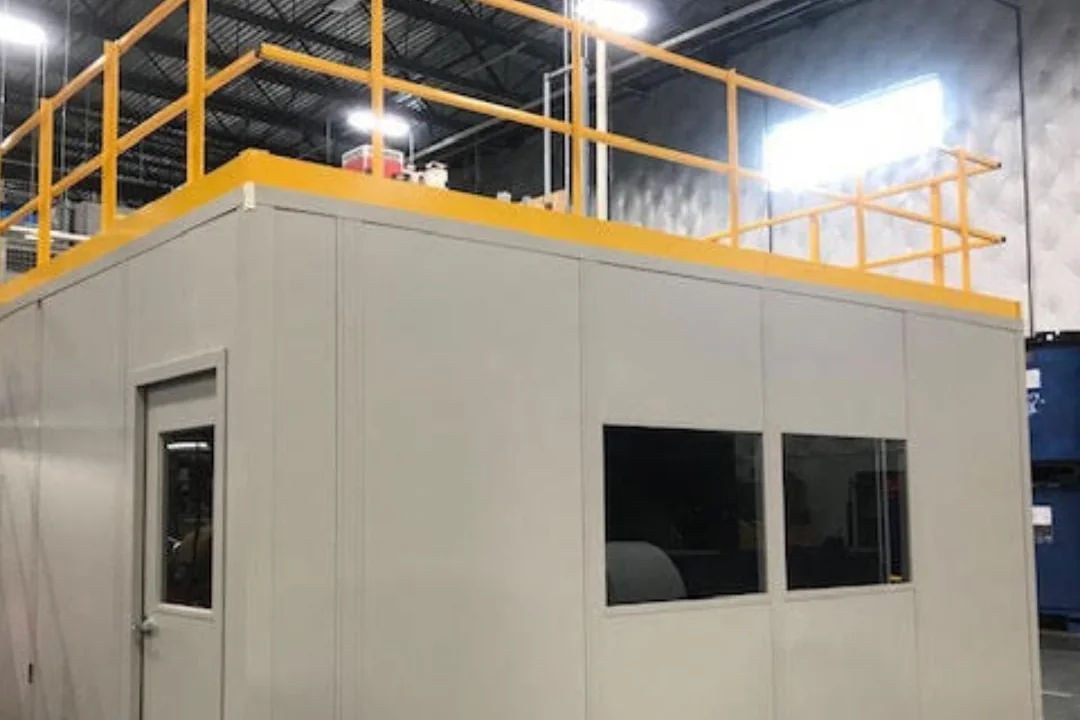
If the office has a load-bearing storage roof, keep stored weight within the posted load rating, keep material away from the guardrail and the ladder or stair, and check that gates close. Do not store on a standard lay-in ceiling, which is not designed for loads.
Roof and deck types are explained in roofing and weather protection.
Exterior buildings and booths
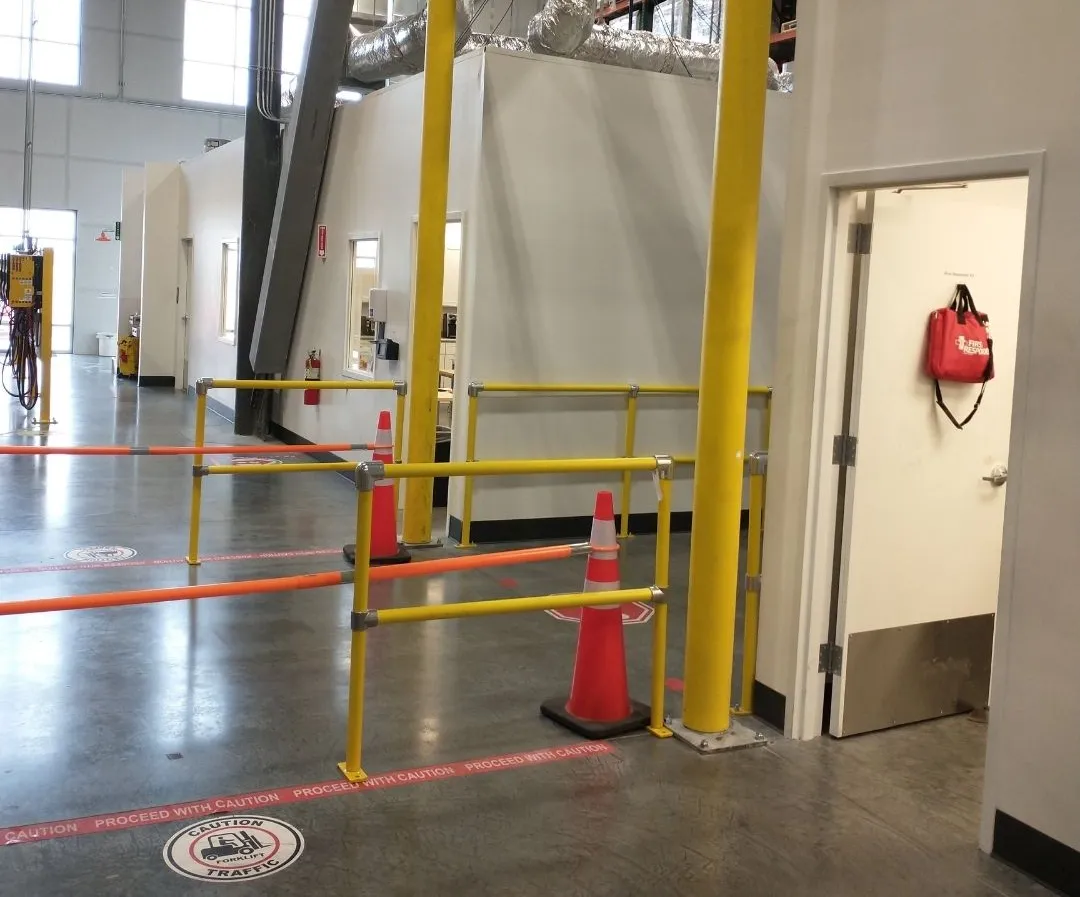
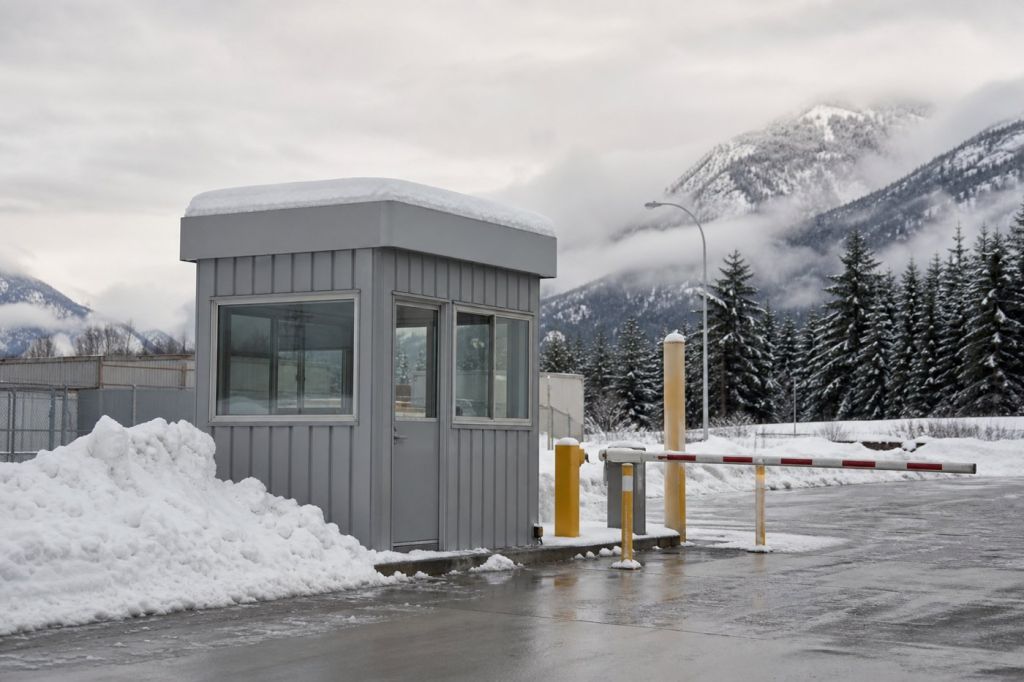
Once a year, inspect the roof surface, flashings and sealant at windows, doors and joints, and clear gutters and drains before winter. In snow country, clear heavy drifts from small booth roofs and keep the HVAC intake free of snow. Check that the base and anchors are sound and that water drains away from the foundation. Foundation types are covered in foundation options.
Common repairs and when to replace a part
| Problem | Likely cause | Typical fix |
|---|---|---|
| Creased or punctured wall panel | Forklift or cart impact | Replace the single panel with a matching one |
| Door will not latch | Loose hinge, closer out of adjustment, racked frame | Adjust hinge and closer; realign or replace the frame if hit |
| Stained ceiling tile | Roof leak or blocked condensate drain | Fix the source, replace the tile |
| Room too warm or cold | Dirty filter or coil, blocked airflow, undersized unit for a new heat load | Clean and service; review capacity if use changed |
| Drafts or dust at joints | Loose trim or worn seal | Reseat trim, reseal joint |
| Water at an exterior wall | Failed sealant or flashing | Clean and reseal; check drainage |

A badly creased, punctured or delaminated panel is usually replaced rather than patched, because a new panel restores the finish, the insulation and the fire and sound performance. Panels are identified from the original drawings and panel schedule, so a matching part can be ordered and swapped without disturbing the rest of the room. Our wall panel replacement project walks through the repair-or-replace decision.
Seasonal checklist
- Spring: clean HVAC coils, clear the condensate drain, test cooling, recaulk any failed exterior sealant, wash windows.
- Summer: check sun-exposed booths for adequate cooling and window film or shades; keep intakes clear of stored material.
- Fall: test heating, replace filters, check weatherstripping, clear roof drains and gutters before snow.
- Winter: watch for snow load on small booth roofs and ice at doors; keep the HVAC exterior clear.
- Any time: report forklift hits right away so a racked frame or bent track is fixed before it spreads.
Plans changing? Panels can be reconfigured or the whole building moved. Read the installation process and buyer’s guide, or see forklift protection for in-plant offices to prevent the most common damage.
Prevent Damage: Bollards and Guardrail
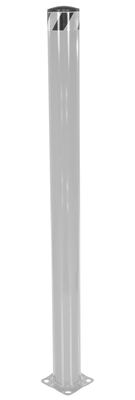
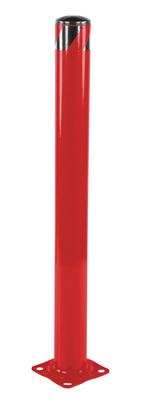
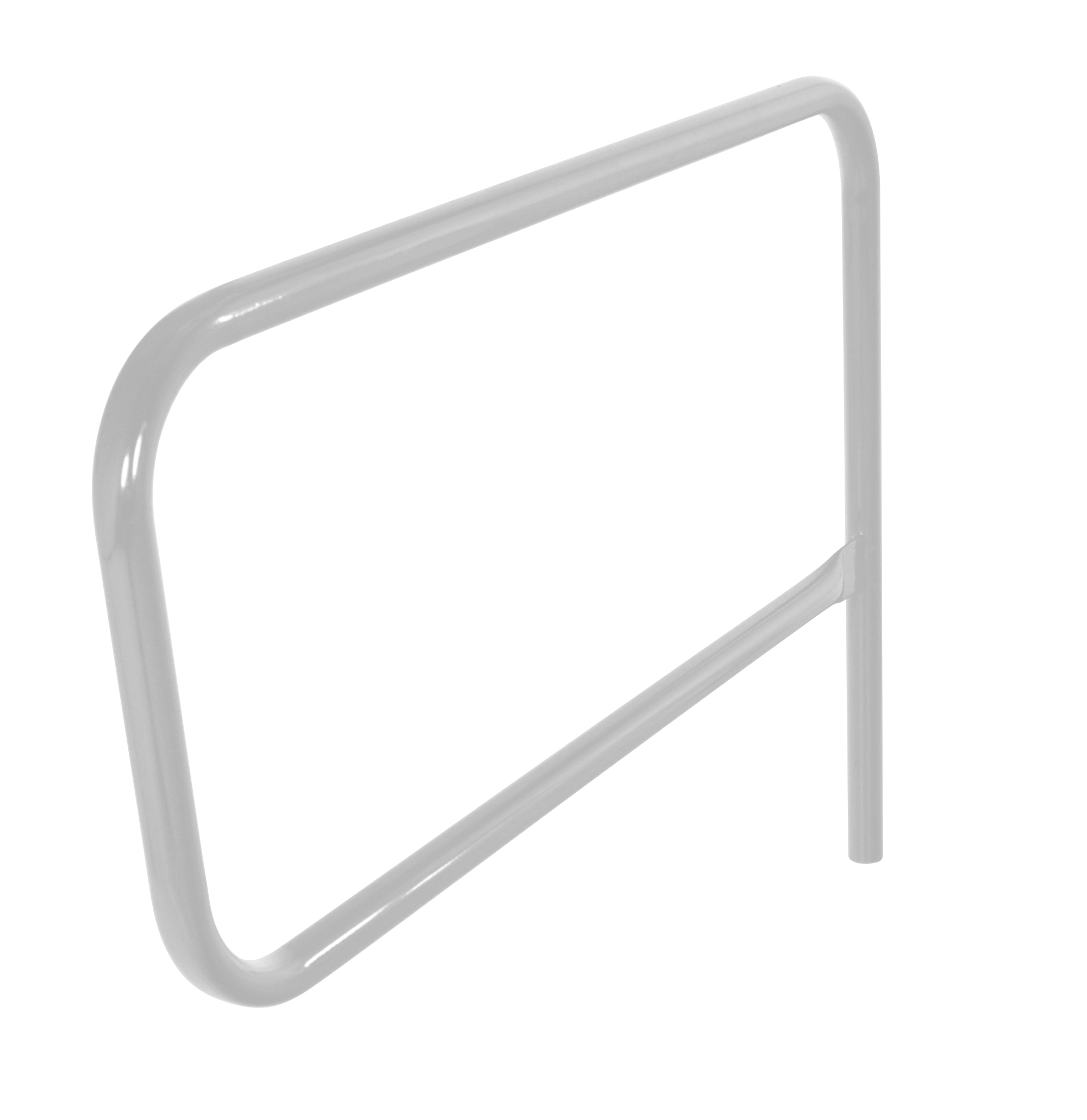
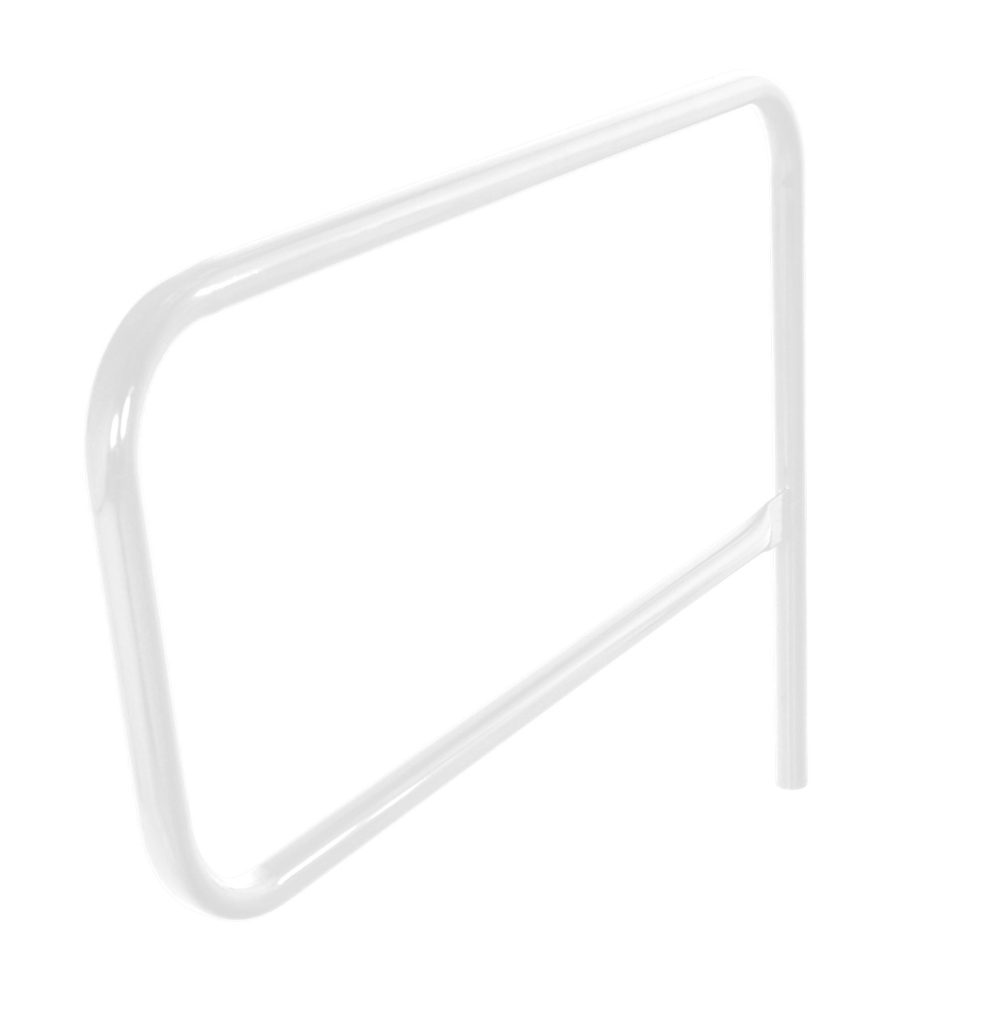
Most modular building repairs start with a forklift hit. Steel pipe bollards and safety railing gates that protect office corners, walls and doorways can be ordered online.
Frequently asked questions
How often should HVAC filters be changed in a modular office?
What is the most important maintenance task?
Can our own maintenance staff do the work?
Can a single damaged wall panel be replaced?
How do we prevent forklift damage?
Can a modular building be moved or reconfigured later?
Need a repair, replacement panel or reconfiguration?
Send photos and the location of your building. We will identify the parts and quote the work.