
Mine Site Warehouse and MRO Racking: Kennecott Exploration
On a mine site, storage is uptime. A part that cannot be found is the same as a part that was never ordered — except it has already been paid for.
2015
Year Kennecott Exploration worked with us
Pallet rack
Product category we supplied
Mining & exploration
Application
Downtime
What mine-site storage is really about
Plan your layout before you buy
Configure upright height, beam width, bay count, and load levels in our free 3D Pallet Rack Designer, then get an instant bill of materials and request a quote.
The project
Kennecott Exploration is the mineral exploration arm of a long-established Utah mining operation. Material Handling USA supplied pallet rack for the company in 2015. The client, the year and the product category are the only project details we publish. We do not publish facility layouts, dimensions, security arrangements or contract values for any customer, and on industrial and resource sites we are deliberately conservative about it.
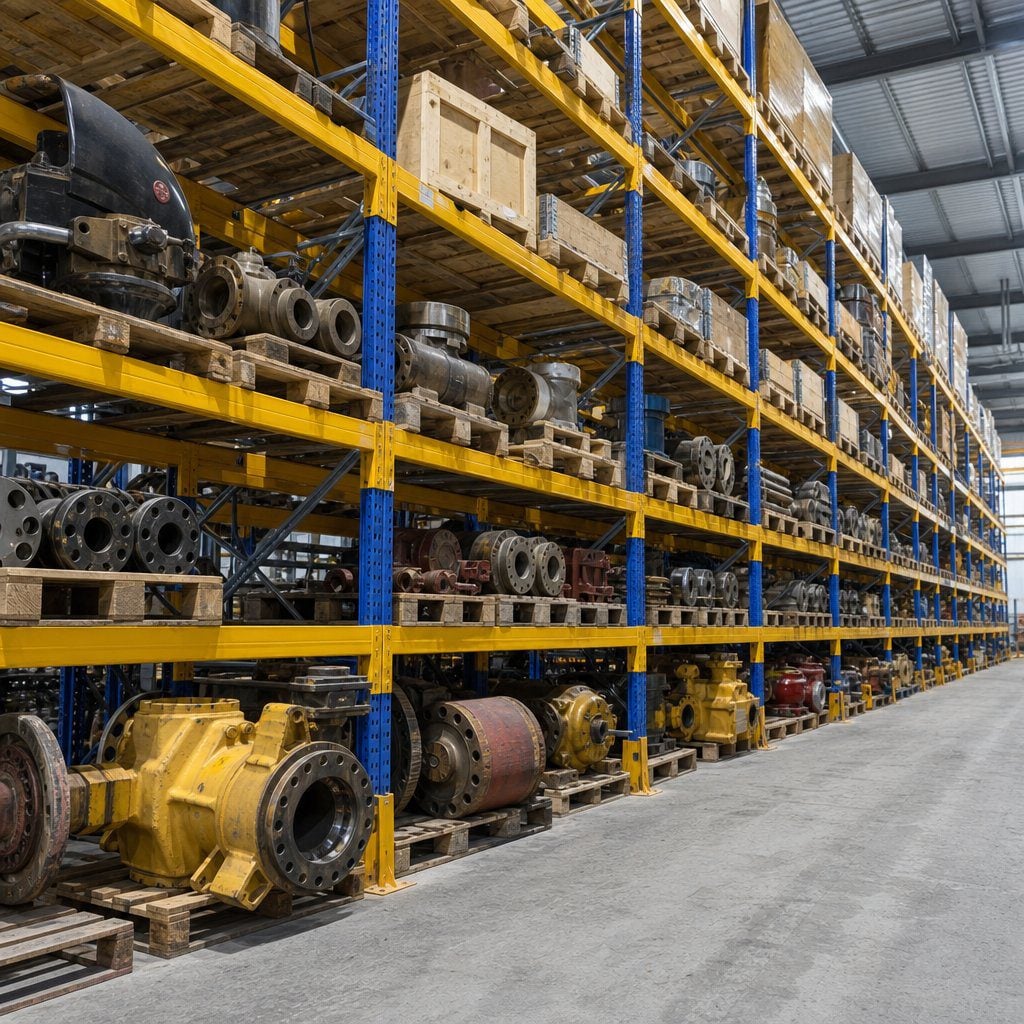
Mining and exploration warehouses are worth writing about because they combine problems that usually arrive one at a time: extremely heavy components, awkward long stock, a huge spare-parts tail, a hostile environment and an operating cost of downtime that dwarfs the storage budget. Below is how we think about pallet rack systems for that setting.

Why a mine-site warehouse is not a distribution warehouse
Inventory exists to prevent downtime, not to be sold. A distribution centre optimises throughput. A mine store optimises availability: the critical spare that keeps a mill or a haul fleet running has to be findable in minutes, at any hour, by someone who did not put it away.
The weight range is extreme. The same building holds gaskets and o-rings alongside pump housings, gearboxes, liners, drill components and lengths of steel. No single storage method serves that range.
Turns are low and value is high. Much of a mine store turns slowly. That makes housekeeping and location control harder, not easier: slow stock is exactly what quietly migrates, gets damaged, or is bought twice because nobody could find the first one.
The environment is hard on everything. Dust, temperature swings, moisture and vibration attack both the product and the steel holding it.
Remoteness raises the cost of every mistake. Re-ordering a mis-stored part is not a next-day problem when the site is hours from anywhere.
Zoning the warehouse before choosing steel
Every good mine store we have worked on is really four or five stores sharing a building. Deciding the zones first is what stops the rack from being wrong later.
| Zone | What it holds | Storage that suits it |
|---|---|---|
| Critical spares | The parts that stop production if unavailable — usually a short, well-known list | Dedicated, labelled, protected positions close to the door; never buried behind other stock |
| General MRO and consumables | Filters, fasteners, seals, lubricants, PPE, electrical | Small-parts shelving and bins rather than pallet positions |
| Heavy rotables and components | Pumps, motors, gearboxes, liners, wear parts | Structural pallet rack at low levels, or dedicated floor positions |
| Long stock | Pipe, steel, drill rod, conveyor structure, timber | Cantilever racking, indoors or in a covered yard |
| Yard and bulk | Weather-tolerant bulk items, drums, crated equipment | Outdoor-rated rack or laydown areas with a defined layout, not a free-for-all |
Getting the split right is what prevents the classic mine-store failure: an expensive racking system holding light consumables in pallet bays, while the heavy components sit on the floor in an aisle because nothing was designed for them. Our spare parts and MRO storage and parts room shelving pages cover the small-parts side of the same problem.
Heavy components and long stock
Heavy goes low, always. There is no operational benefit to lifting a several-tonne component to a high beam level, and every reason not to. Heavy rotables belong at floor and first-beam level where they can be handled by the equipment that lifts them.
Structural rack earns its cost here. Structural pallet rack is bolted hot-rolled steel: more capacity, and far more tolerance of the impacts that happen when large components are handled in a busy store.
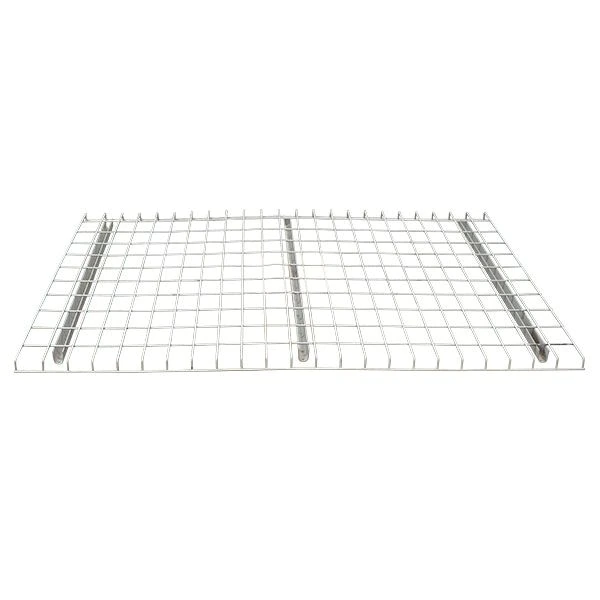
Odd shapes need decking or dunnage. Castings, liners and housings rarely sit neatly on beams. Wire decking, timber dunnage or purpose-made cradles turn an awkward, point-loaded item into a supported one — and give the load path the rating assumes.
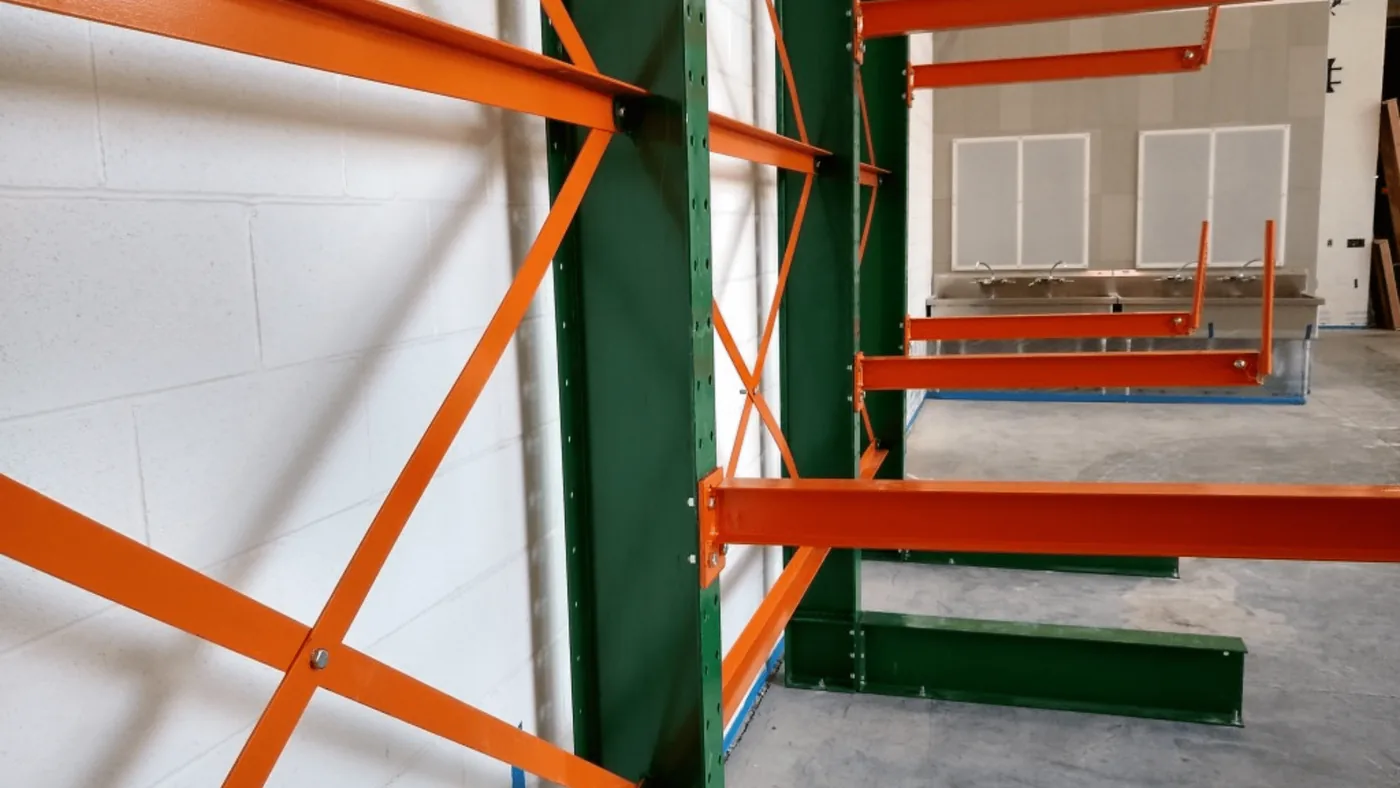
Long stock belongs on cantilever. Pipe, steel, drill rod and conveyor components are miserable on pallet rack and straightforward on cantilever racking, where arms are sized from the load per arm and the required reach.
Know the crane and the truck first. If a component is handled by overhead crane, the rack layout has to respect the crane’s coverage and hook height. That constraint decides bay positions before any capacity calculation does.
Dust, weather and corrosion
Mine-site conditions are the reason a specification that works in a clean distribution centre fails here.

Finding things: location control and labelling
The best racking in the world does not help if the store cannot tell you where something is. On mine sites, this is usually where the recovered value comes from.
Every position gets an address. Aisle, bay, level, position — labelled on the steel and matched to whatever system the site runs. Slow-moving stock without a fixed home is stock you will buy again.
Critical spares get visible, protected homes. If a part stops production when it is missing, its location should be obvious to anyone on shift, protected from being blocked in, and checked as a matter of routine.
Kits beat individual picks for planned shutdowns. Shutdown work is planned weeks out. Staging kitted material in dedicated bays ahead of the window turns a frantic search into a scheduled move — the same logic we apply on maintenance-heavy public works stores, described in our municipal public works racking case study.
Write down the load rules. In a store with this weight range, load signage per bay is what keeps a good design safe after the people who designed it have moved on. See pallet racking weight capacity.
Safety, seismic and inspection
- Seismic design follows the stored mass. A heavy store in a seismically active region — which includes much of Utah and the Intermountain West — needs a rack design engineered for the actual load pattern, the site class and the seismic design category, and stamped for that building.
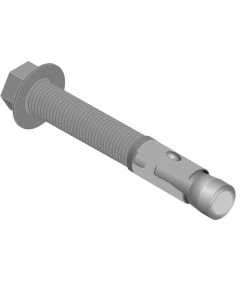
- Anchor and build to the drawing. Capacity assumes plumb, anchored, correctly assembled rack. Our installation teams build to the engineered layout.
- Inspect on a schedule and after every impact. On a site with heavy mobile equipment, impacts are a question of when. A damaged upright derates its whole bay until it is repaired — rack repair and inspection.
- Keep loads within the rating as the mix changes. Mine inventories drift over the years as equipment changes. A bay designed for one component family will not automatically suit the next one.
- Do not free-stack heavy components. OSHA requires stored material to be stacked and secured against sliding or collapse. Heavy items stacked because there was nowhere else to put them is a design failure, not an operating one.
- Design the aisles for the real equipment. If the store is served by a large forklift or a loader, the aisle and the protection have to suit that machine — not the one in the original plan.
The design references are ANSI MH16.1 for industrial steel storage racks, the seismic provisions of the adopted building code, and OSHA 1910.176 on materials handling and storage. For a wider look at organising a site, see our guide to mining site storage and equipment organization, and our Utah pallet rack page for local projects.
Shop Pallet Rack Accessories Online
Protect and finish your pallet rack installation with these in-stock accessories, or request a quote for custom-sized rack, freight and volume pricing.

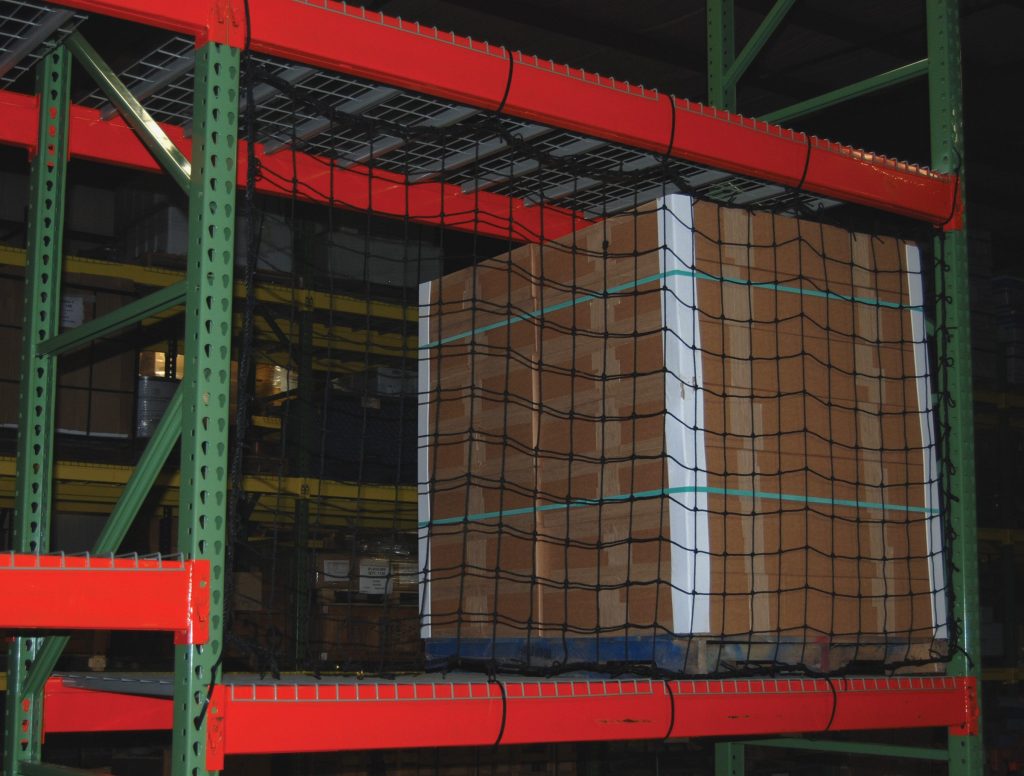
Mine-site warehouse racking FAQs
What racking suits a mine-site warehouse?
How should heavy components like pumps and gearboxes be stored?
Does racking work outdoors on a mine site?
How do we stop buying parts we already own?
Is seismic design really a factor for a warehouse rack?
How often should mine-site racking be inspected?
Utah pallet rack project: This case study supports our Utah pallet rack design and installation guide and, at the top level, our main pallet rack systems hub.
Storage Designed Around Uptime
Tell us what your store has to hold and what stops if it cannot be found, and we will design the zones and the steel around it.