
Outdoor Pallet Racking in Utah: Snow Load, Roof Canopies, Galvanized Rack and Permits
How to plan pallet rack that lives outside a Utah building — the loads it has to carry beyond the pallets, when a roof makes sense, which finish survives freeze-thaw winters, and what the permit office will ask for.

Wind + snow + seismic
Loads outdoor rack must be designed for
5′-9″
Salt Lake City rack permit threshold
20 ft
Typical max height for open outside storage
Hot-dip galvanized
Finish RMI points to for outdoor rack
Plan your layout before you buy
Configure upright height, beam width, bay count, and load levels in our free 3D Pallet Rack Configurator, then get an instant bill of materials and request a quote.
When outdoor pallet racking makes sense
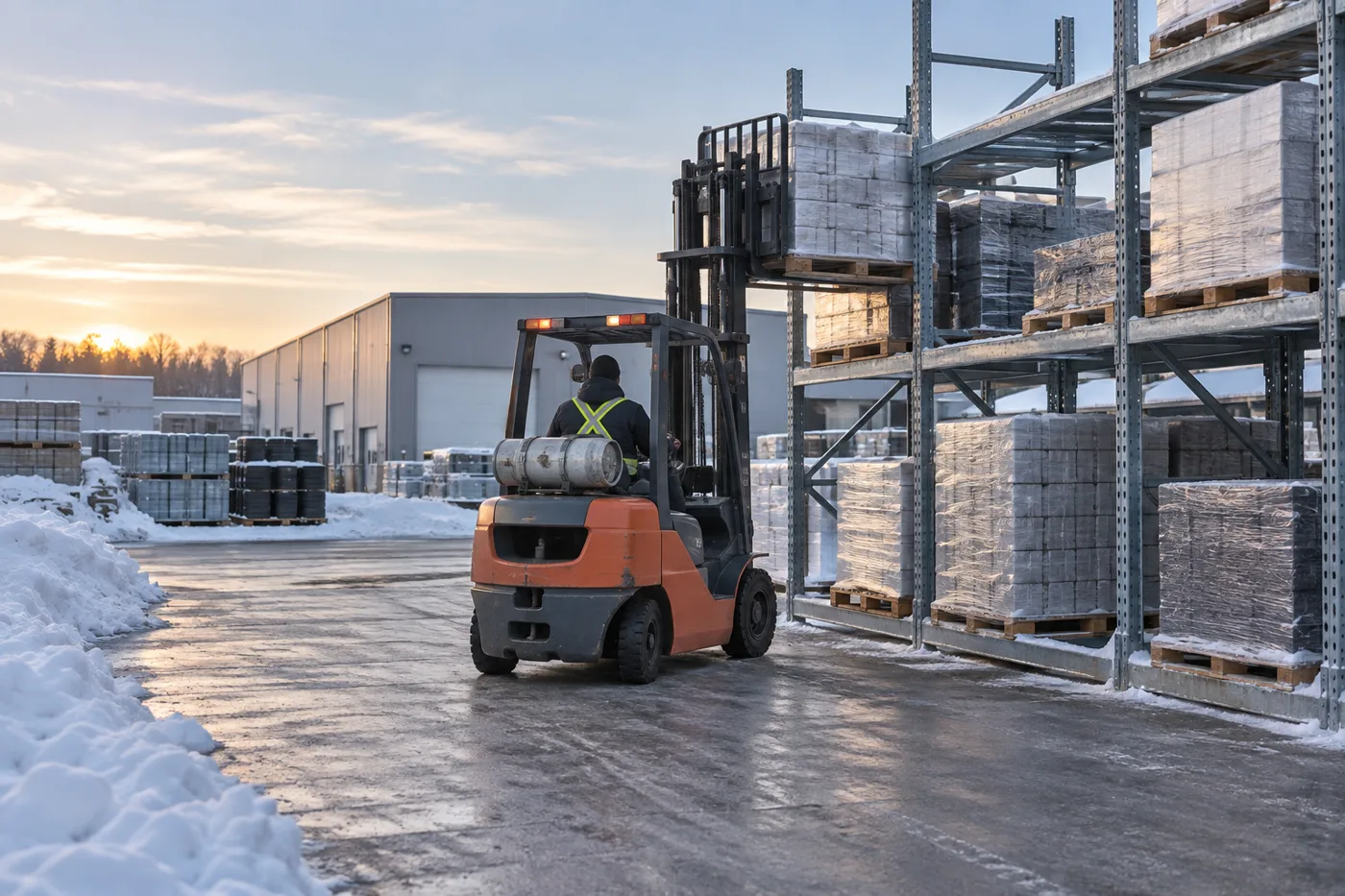
Most pallet rack systems are designed for a dry building with a rated slab. But a lot of Utah businesses run out of room inside long before they run out of yard: landscape and nursery suppliers, masonry and concrete dealers, irrigation and pipe distributors, contractors, equipment dealers and plants with a fenced lot behind the dock. Putting pallets on engineered rack outside instead of floor-stacking them in the yard gets product off the ground, makes it countable and lets a forklift reach any pallet without moving three others.
This guide is part of our Utah pallet rack program, which covers design, supply, permitting support and installation for projects along the Wasatch Front and across the state. Outdoor rack follows the same basic engineering as indoor selective pallet racking, but the site adds loads and conditions an indoor rack never sees. Getting those right at the design stage is much cheaper than finding out after the first big storm.
The short version: outdoor pallet racking works well when the product tolerates weather (or you add cover), the rack is designed for the site’s wind, snow and seismic loads, the finish is chosen for exterior exposure, and it stands on concrete that can carry it. The rest of this page explains each of those decisions and the Utah-specific details behind them.
What changes when pallet rack goes outside
The Rack Manufacturers Institute (RMI) sums it up plainly: rack outside a building is subjected to site-specific wind forces and snow loads, in addition to the product load and possibly seismic forces, and all of them have to be accounted for in the design. Indoors, the building takes the wind and snow. Outside, the rack takes them itself.
Wind pushes on the rack and, more importantly, on the wrapped pallets sitting in it. A fully loaded row presents a large, solid face to the wind.
Snow collects on top-level loads and on any roof or canopy attached to the rack.
Water runs down uprights, pools at base plates and freezes overnight.
The ground is often asphalt or gravel, not the rated concrete slab rack is designed for.
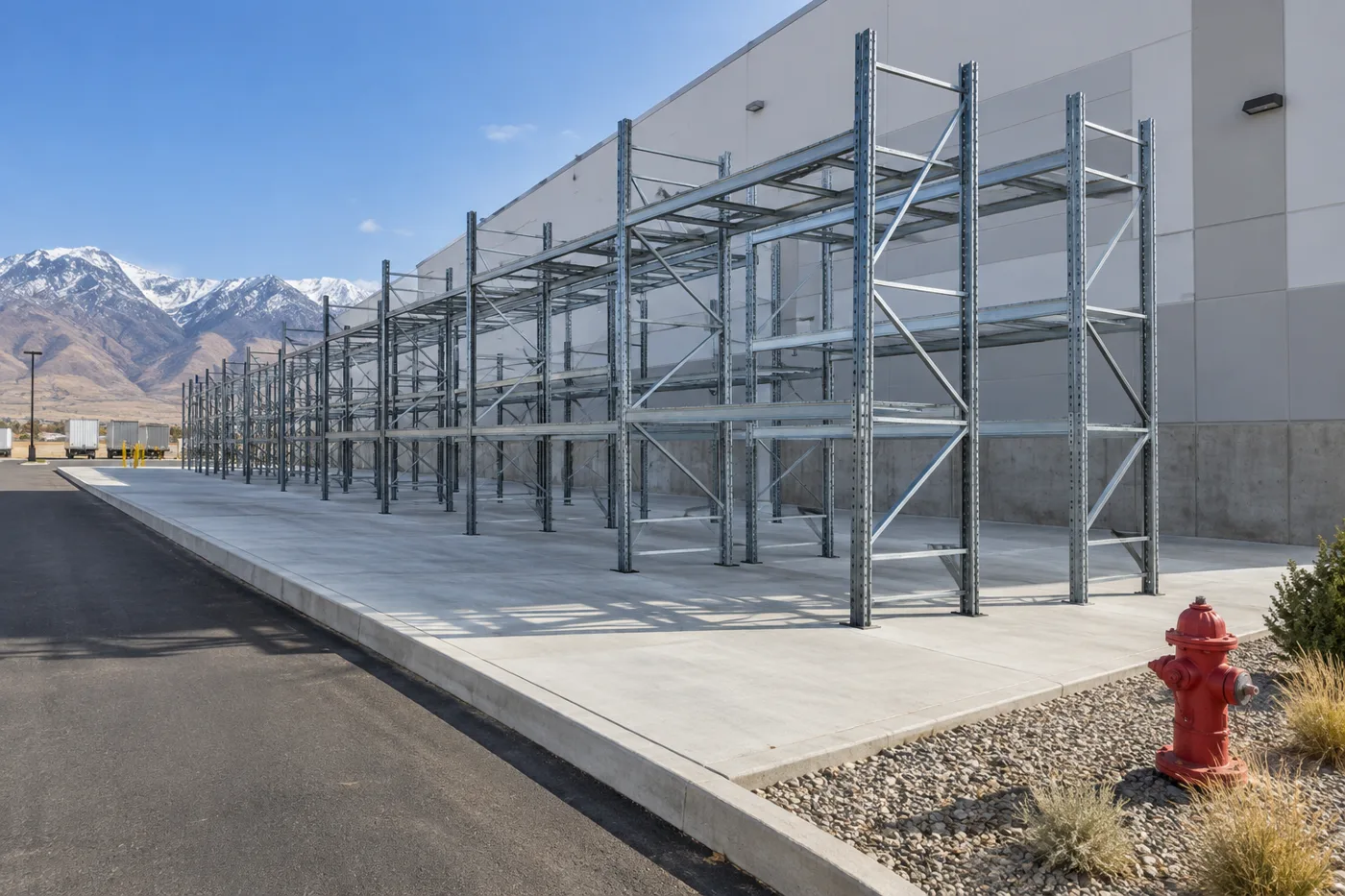
Utah snow, wind and seismic loads for outdoor rack
Three site loads drive the engineering of outdoor pallet rack in Utah, and all three vary with location, so a design that works in one yard is not automatically right for another.
| Load | Where the number comes from | What it means for the rack |
|---|---|---|
| Snow | Utah ground snow loads are mapped by elevation. Utah State University publishes the state’s ground snow load map, with a 21 psf minimum and values rising steeply with altitude. | Matters most for rack with a roof or canopy, and for loads on the top level. A yard in a higher-elevation town can see a very different design snow load than one on the valley floor. |
| Wind | Basic design wind speed and exposure category for the site, per the adopted building code and ASCE 7. | Loaded pallets act like a sail. Open yards with no windbreak are more exposed than a rack tucked against a building. |
| Seismic | Seismic design category and site class for the location. Salt Lake City’s own permit guidance has noted the entire city falls in seismic design category D or E. | Drives frame bracing, base plates and anchors, and applies whether the rack is inside or out. |
Utah also changed codes this year. The 2026 Legislature’s HB 65 moved the State Construction Code to the 2024 International Building Code and updated the ASCE 7 reference to the 2022 edition, with most provisions effective July 1, 2026. Salt Lake City’s current racking guidance already calls for seismic design of storage racks to ASCE 7-22. If a rack design or quote you are holding was engineered under the older codes, ask whether it needs to be rechecked before permitting. For the seismic side in more depth, see our pallet rack seismic compliance guide, and look up your site on the Utah ground snow load map.
Why the numbers matter
Outdoor rack is not a warehouse rack moved outside. The same beams and frames may be fine, or the design may need heavier frames, more anchors or a different layout once wind and snow are added. Only a site-specific engineering check can tell you which.
Open rack vs. outdoor pallet racking with a roof
The most common question we hear about outdoor rack is whether to put a roof on it. A roof keeps rain, snow and sun off the product, but it also changes the structure.
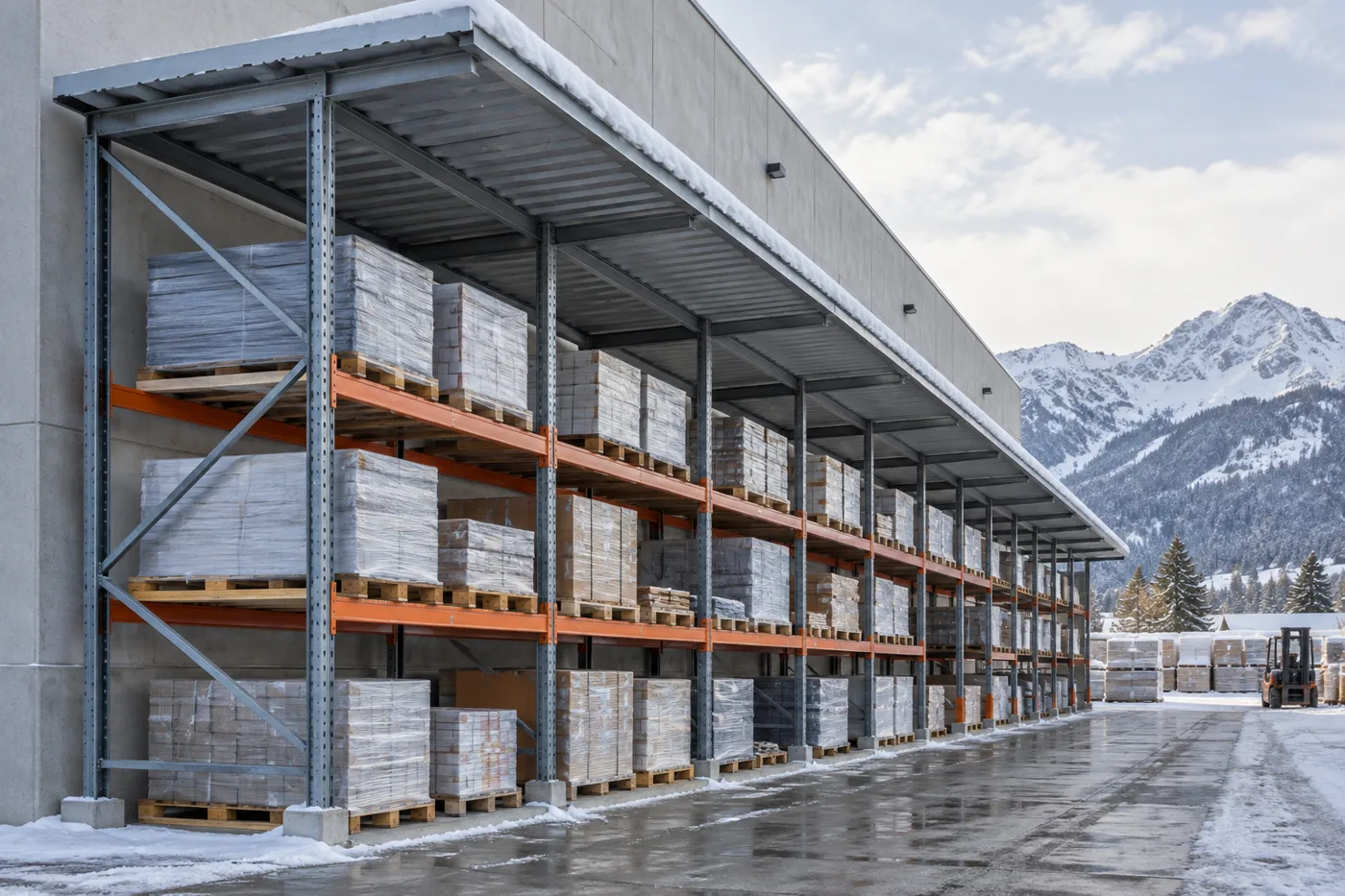
What a roof does to the design
A roof or canopy carried by the rack puts all of its snow load and wind uplift into the rack frames and anchors. The industry design standard, ANSI MH16.1, is written to cover the rack portion of rack structures that support exterior walls and roof, so a roofed rack is engineered as a rack-supported structure, not a standard storage rack with a cover bolted on.
In practice that means heavier frames or extra bracing, more anchors, design for snow drifting and sliding off the roof, and gutters or overhangs so meltwater does not pour onto the aisle where it freezes. It also means the permit review looks more like a small building.
A roof is worth it when the product is weather-sensitive (bagged goods that cannot get wet, cartons, anything UV degrades) or when you need to pull pallets without clearing snow off the loads first.
| Option | Best for | Watch-outs |
|---|---|---|
| Open galvanized pallet rack | Weather-tolerant goods: pavers, block, brick, stone, pipe fittings, wrapped bagged goods rated for outdoor storage | Product sees weather; snow must be cleared from loads and aisles; wind on loaded pallets |
| Pallet rack with a rack-supported roof | Bagged or boxed goods that must stay dry; faster winter picking | Engineered as a structure for roof snow and uplift; drainage off the roof; more involved permit |
| Rack under a separate canopy or building | Large storage areas, mixed products, long-term sites | Higher cost; building clearances and fire protection come into play |
| Outdoor cantilever rack | Long loads: lumber, pipe, tube, bar, fencing | Different standard (ANSI MH16.3) and design; see below |
If most of what you store outside is long material, cantilever is usually the better fit. Our cantilever rack section and the outdoor yard cantilever rack project cover that side.
Finishes that survive outside: galvanized vs. powder coat
Standard pallet rack is painted or powder coated. That finish is excellent indoors, but outside it is only as good as its worst chip, and fork strikes and snow shovels make chips. Once bare steel is exposed to Utah’s freeze-thaw cycles and winter road salt tracked in by trucks, rust starts at the damage.
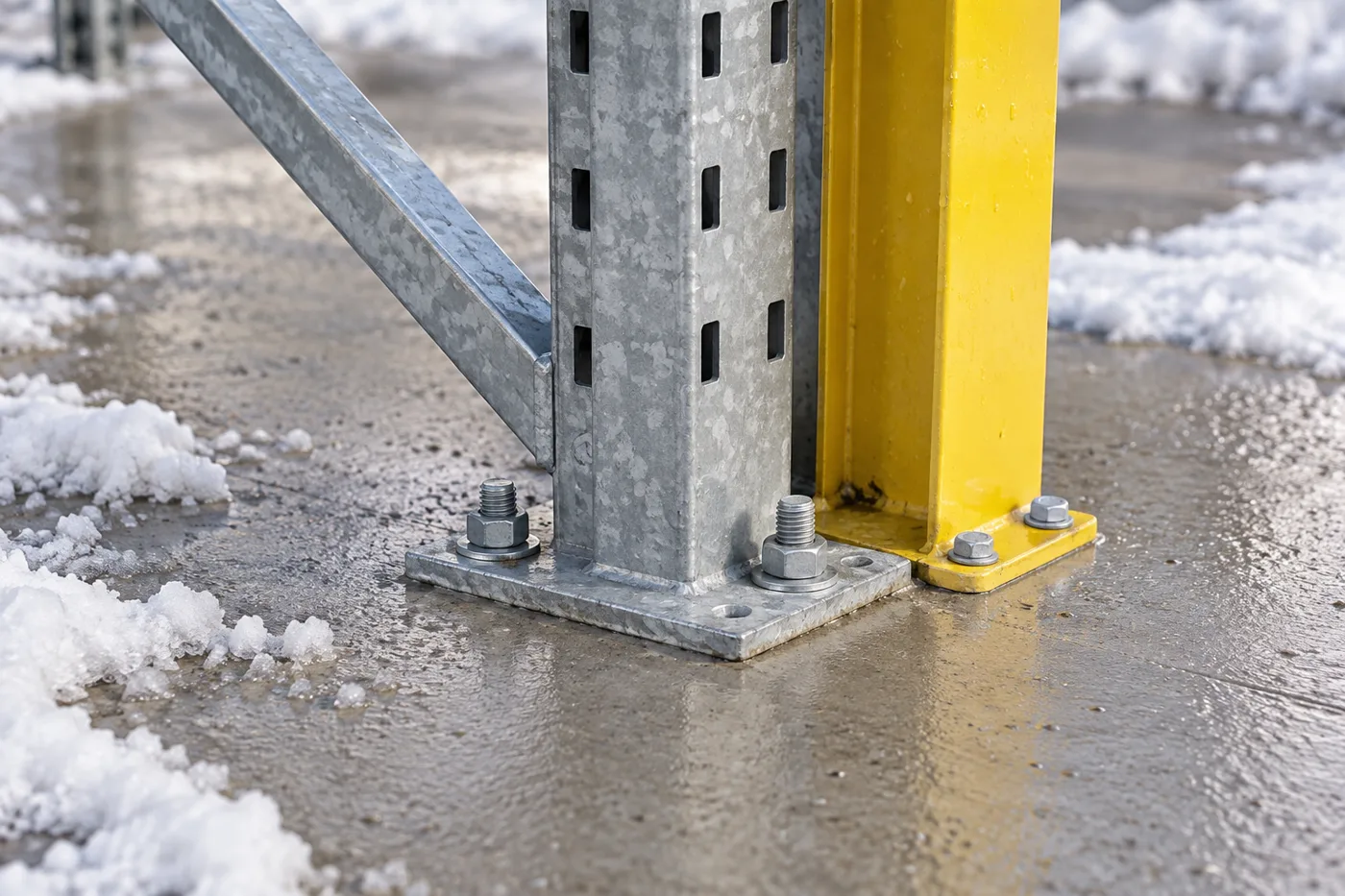
RMI’s guidance is to use a finish formulated for outdoor exposure, and it describes hot-dip galvanizing as the coating of choice for rack in harsh outdoor environments: the steel is dipped in molten zinc, the zinc bonds to the steel inside and out, and it keeps protecting the steel even where it is scratched through.
Some yards split the difference: galvanized frames and beams in fully exposed rows, standard finish for rack under a roof. Our metal finishing plant project shows how to zone finishes by exposure.
| Finish | Outdoors | Notes |
|---|---|---|
| Hot-dip galvanized | Best long-term choice for exposed rack | Higher upfront cost and longer lead time; lasts where paint would not |
| Outdoor-rated paint or powder coat | Acceptable if the manufacturer confirms it is formulated for exterior use | Needs touch-up of chips before rust starts |
| Standard indoor powder coat | Only under a roof and out of standing water | Base plates and the bottom of uprights corrode first |
| Zinc plated parts | Lighter-duty protection | Common on hardware and wire decks; not the same as hot-dip galvanizing |
The ground under the rack: concrete, drainage and frost
Rack is designed on the assumption that every frame is anchored into a concrete slab with a known capacity. Outdoors, that is often the part that is missing. RMI’s guidance is that installing rack on asphalt, gravel or other surfaces is generally not recommended unless special accommodations are made.
- Concrete, sized for the rack. The pad has to carry the concentrated base-plate loads and hold the anchors. An engineer may call for a thickened pad or footings under frame lines, especially for tall or roofed rack.
- Anchors for outdoor service. Every frame is anchored. Specify anchors suited to wet, freeze-thaw exposure and keep the anchor pattern the engineer designed. More on pallet rack anchor bolts.
- Drainage. Slope the pad so water runs away from base plates, and check the rack design for spots where water can pool on members. Standing water that freezes overnight is a corrosion and slip hazard.
- Joints and cracks. Keep base plates away from slab joints and cracked concrete where the design requires it, and repair spalled concrete before installing.
- Frost and settlement. A pad that heaves or settles throws frames out of plumb. Ask the engineer how the pad is detailed for your site’s frost conditions.
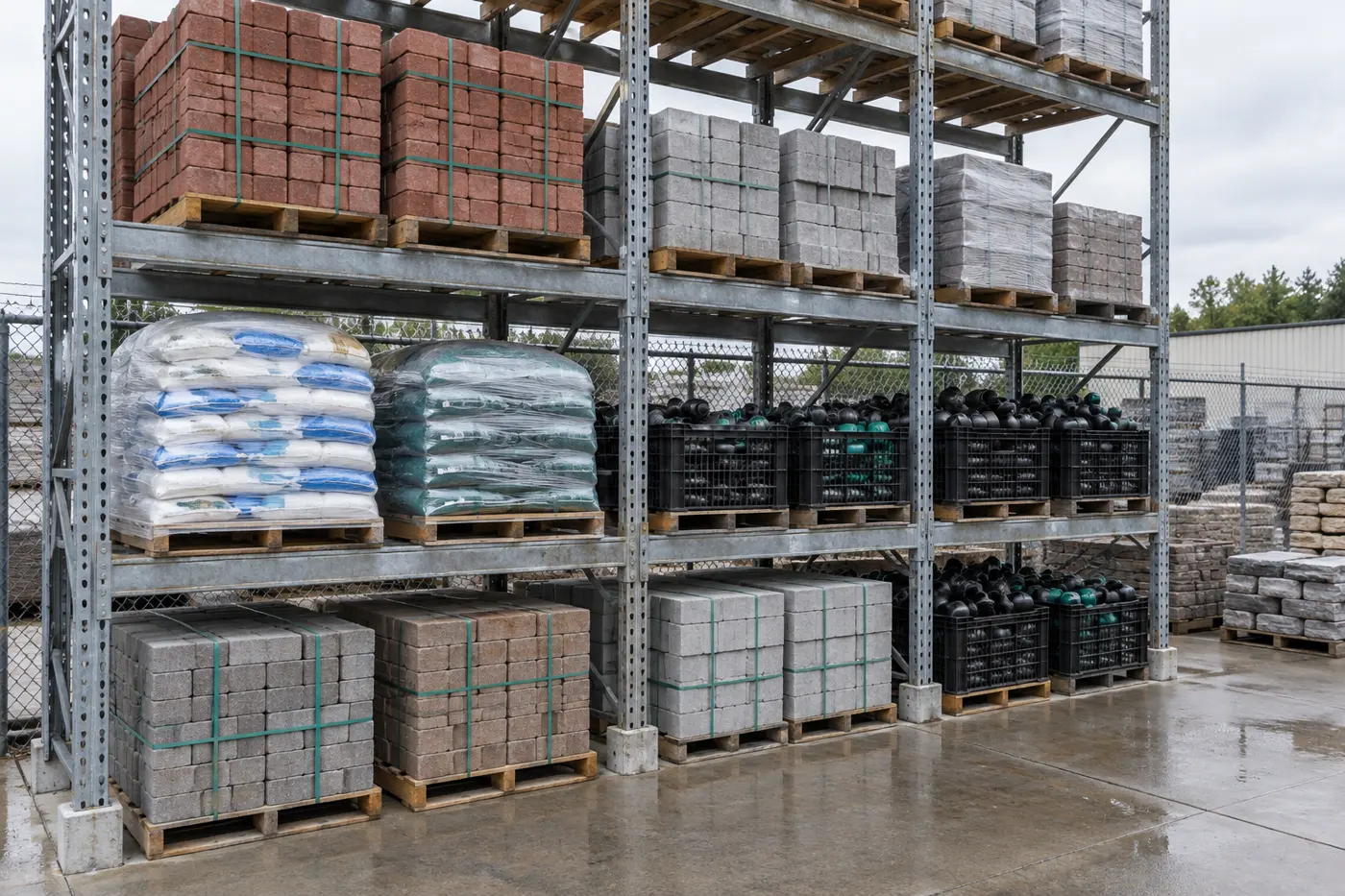
What to store on outdoor rack, and what to keep inside
Good candidates: masonry, pavers, block and stone; bagged goods rated for outdoor storage and wrapped; irrigation and pipe fittings in closed bins; equipment attachments and heavy parts that tolerate weather; empty pallets and returnable containers.
Keep inside or under cover: cartons, paper and anything that loses strength when wet; product that UV or freezing damages; hazardous materials, which carry their own storage rules; and high-value or theft-prone items unless the yard is secured.
Fire code limits still apply. The International Fire Code limits outside storage of combustible materials to 20 feet high and keeps it 10 feet from lot lines (3 feet when the storage is no more than 6 feet high), with the fire code official able to adjust. Salt Lake City’s racking handout likewise lists 20 feet as the maximum height for exterior rack storage. Wood pallets on the rack count as combustible storage. For indoor rack fire protection, see our warehouse fire safety page.
Two of our Utah yard projects show how this sorting works in practice: a construction supply yard that splits bagged goods, long stock and will-call, and a wholesale nursery that stores seasonal goods inside and out. If your yard is mostly lumber and building materials, our guide to outdoor pallet racking for Utah lumber and building supply yards walks through splitting long stock onto cantilever rack and palletized goods onto galvanized pallet rack.
Permits and engineering for outdoor rack in Utah
Outdoor rack goes through the same permit process as indoor rack, plus a few extra questions. Using Salt Lake City’s racking permit design guidance as the example (other Utah cities and counties run similar processes; always check with your own building department):
Confirm a permit is needed
Salt Lake City requires a building permit for racking over 5 ft 9 in tall. Nearly all pallet rack is taller than that.
Engineer the rack
For rack 8 ft or taller, plans and calculations stamped by a Utah-licensed structural engineer, with seismic design to ASCE 7-22. For outdoor rack, the calculations also cover wind and snow.
Show where it goes
Exterior racking is shown on a site plan, not just a floor plan, with separation from buildings, lot lines, fire lanes and hydrants.
Plan the inspections
Salt Lake City asks for a special inspection agreement for storage racks. Fire and zoning reviews can also apply.
A rack with a roof or wall cladding usually gets a closer look, because it behaves like a structure. Zoning can also have a say in outdoor storage, screening and setbacks. Our pallet rack permit and engineering case study walks through a Utah permit from engineering to install, and the installation page covers what happens on site.
Running outdoor pallet rack through a Utah winter
Plow and shovel with the rack in mind. A snow blade or loader bucket against an upright is an impact, and it happens out of sight in the dark. Mark frame lines, clear aisles with the blade angled away from the rack, and add column protectors and rack guards at row ends.
Clear snow off top loads and any roof before it builds up beyond what the design allows, and never let people climb the rack to do it.
Inspect after storms and on a schedule. RMI says outdoor rack should be routinely inspected for impact damage and for damage from the elements. Look at base plates, anchors and the bottom of uprights first. Our rack inspection and repair team can help.
Keep people clear in severe weather. RMI notes tall outdoor rack can conduct electricity if struck by lightning and could be affected by extreme winds. Stay away from it during thunderstorms and high-wind events.
Outdoor pallet racking planning checklist
Bring these answers to a quote and the design goes faster:
- Site address (for wind, snow and seismic values) and whether the rack is open or will have a roof
- What goes on the rack: pallet sizes, heaviest pallet weight and whether loads are wrapped
- Surface today (concrete, asphalt, gravel) and whether a new pad is planned
- Distance to buildings, property lines, fire lanes and hydrants
- Forklift type, lift height and how snow is removed from the yard
- Preferred finish (galvanized or outdoor-rated coating) and budget priorities
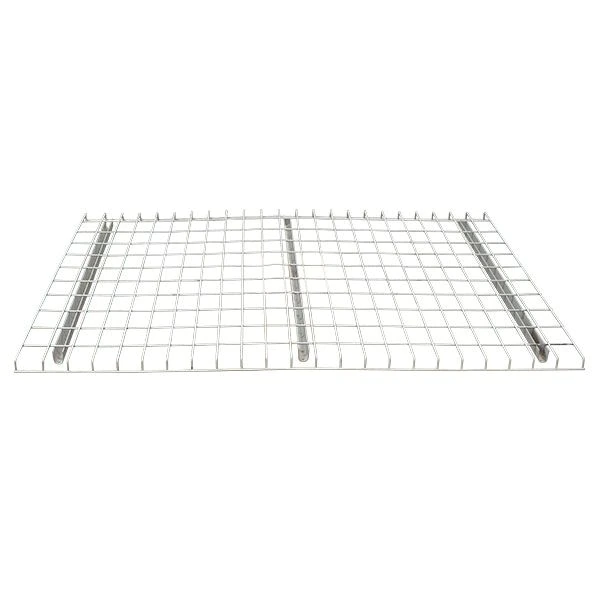
You can rough out bays, levels and heights in our free 3D Pallet Rack Configurator, and our pallet rack cost and pricing guide explains what moves the price. Engineering for the site loads is then added to the design before permitting. For capacity basics, see pallet racking weight capacity; for decking on outdoor levels, galvanized wire decking is the usual choice.
A note on code references
Code and permit details on this page summarize published guidance from RMI, the International Fire Code and Salt Lake City Building Services as of September 2026. Requirements vary by city and county and change with code adoptions. The engineer of record and your local building and fire officials have the final word.
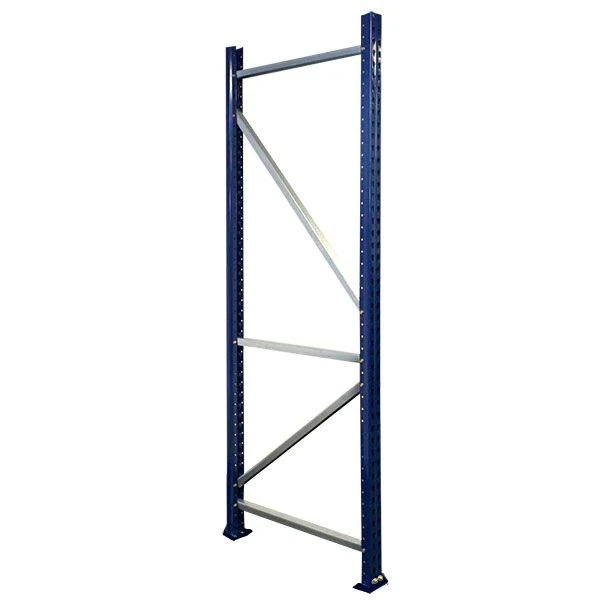
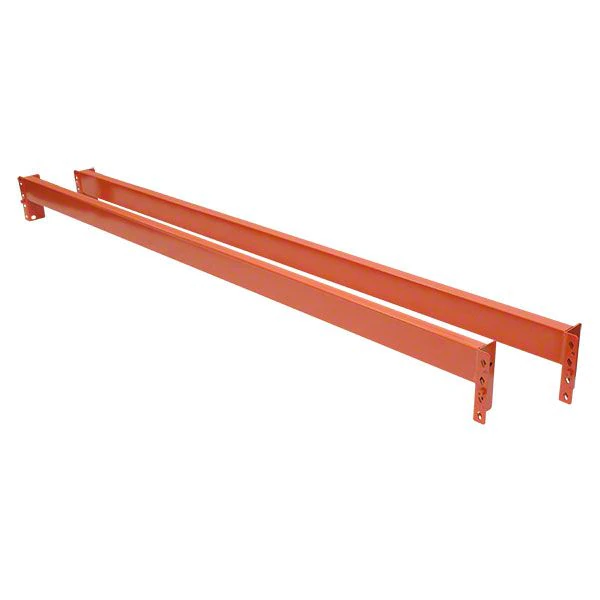
Shop Pallet Rack Uprights, Beams, Decks & Guards Online
Buy select items directly from our online store, or request a quote for volume, custom sizes and freight-rated orders.

Get a free quote
Tell us what you are storing, the room size and your timeline. A project specialist will follow up with layout options and pricing. Prefer to talk? Call (800) 326-4403.
Outdoor pallet racking FAQs
Can pallet rack be used outdoors?
Do I need a permit for outdoor pallet racking in Utah?
Can I put a roof on my outdoor pallet rack?
Is galvanized pallet rack worth it for outdoor use?
Can outdoor pallet rack sit on asphalt or gravel?
How tall can outdoor pallet rack be?
Does snow on pallets affect rack capacity?
Planning pallet rack for your yard?
We design, engineer and install outdoor pallet racking across Utah, sized for your site’s snow, wind and seismic loads, with permit-ready drawings. Free design consultation.
Based near the Wasatch Front? See our pallet racking Salt Lake City page for local delivery and install details.