
Electrical Contractor Warehouse Racking: Sturgeon Electric
Wire reels, conduit, fittings and jobsite kits share one building — and each one wants a completely different kind of storage. Solar contractors stage a similar mix of long goods, electronics and small parts — see our solar contractor warehouse racking case study. Security integrators staging job kits face a similar mix of reels, conduit and small parts — see our security equipment warehouse racking case study. Other trade service contractors face a similar mix of bulk stock and a job-based parts tail — see our HVAC contractor warehouse racking case study. Other specialty trade contractors face a similar job-kitting challenge with cable and equipment — see our telecom contractor warehouse racking case study. An electric utility’s own materials warehouse is a related but different storage problem from a contractor’s job-staging warehouse — see our electric utility materials warehouse racking case study.
2021 & 2024
Years Sturgeon Electric worked with us on rack
Electrical contracting
Utility and commercial construction
Pallet rack
Product category we supplied
Four storage problems
Reels, conduit, small material, jobsite kits
Plan your layout before you buy
Configure upright height, beam width, bay count, and load levels in our free 3D Pallet Rack Configurator, then get an instant bill of materials and request a quote.
The project
Sturgeon Electric is an electrical contractor working in utility and commercial construction. Material Handling USA supplied pallet rack in 2021 and again in 2024. The client, those years and the product category supplied are the only project details we publish.
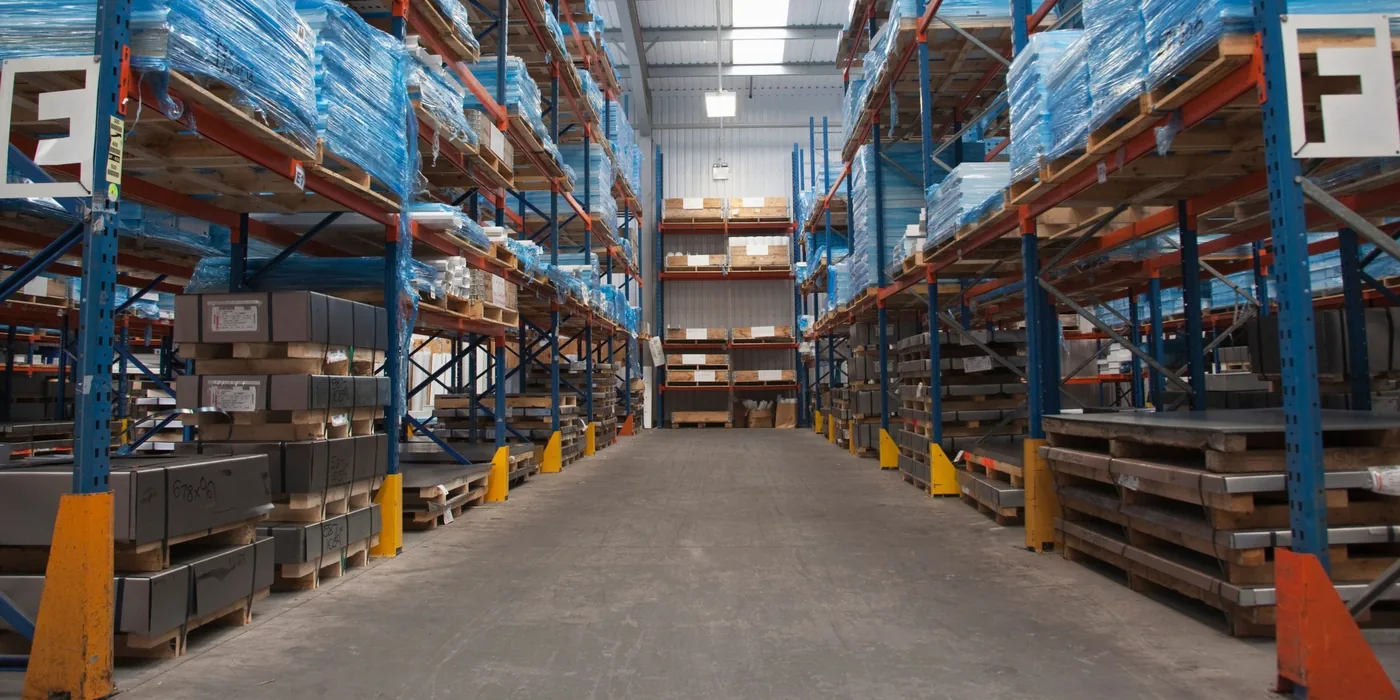
A contractor’s warehouse is not a distribution center. Nothing sits still for long, material leaves in job-shaped batches rather than customer orders, and a good half of what is stored does not fit on a pallet at all. This page sets out how we approach pallet rack systems and adjacent storage for an electrical contractor: what belongs on rack, what belongs on a reel rack or cantilever arm, and how to keep the building safe when the same forklift handles a 4,000-pound reel and a pallet of fittings in the same hour.
Four storage problems in one building
Electrical contractors tend to describe their warehouse as “a mess”, but the mess is almost always four distinct problems that have been forced to share one system.
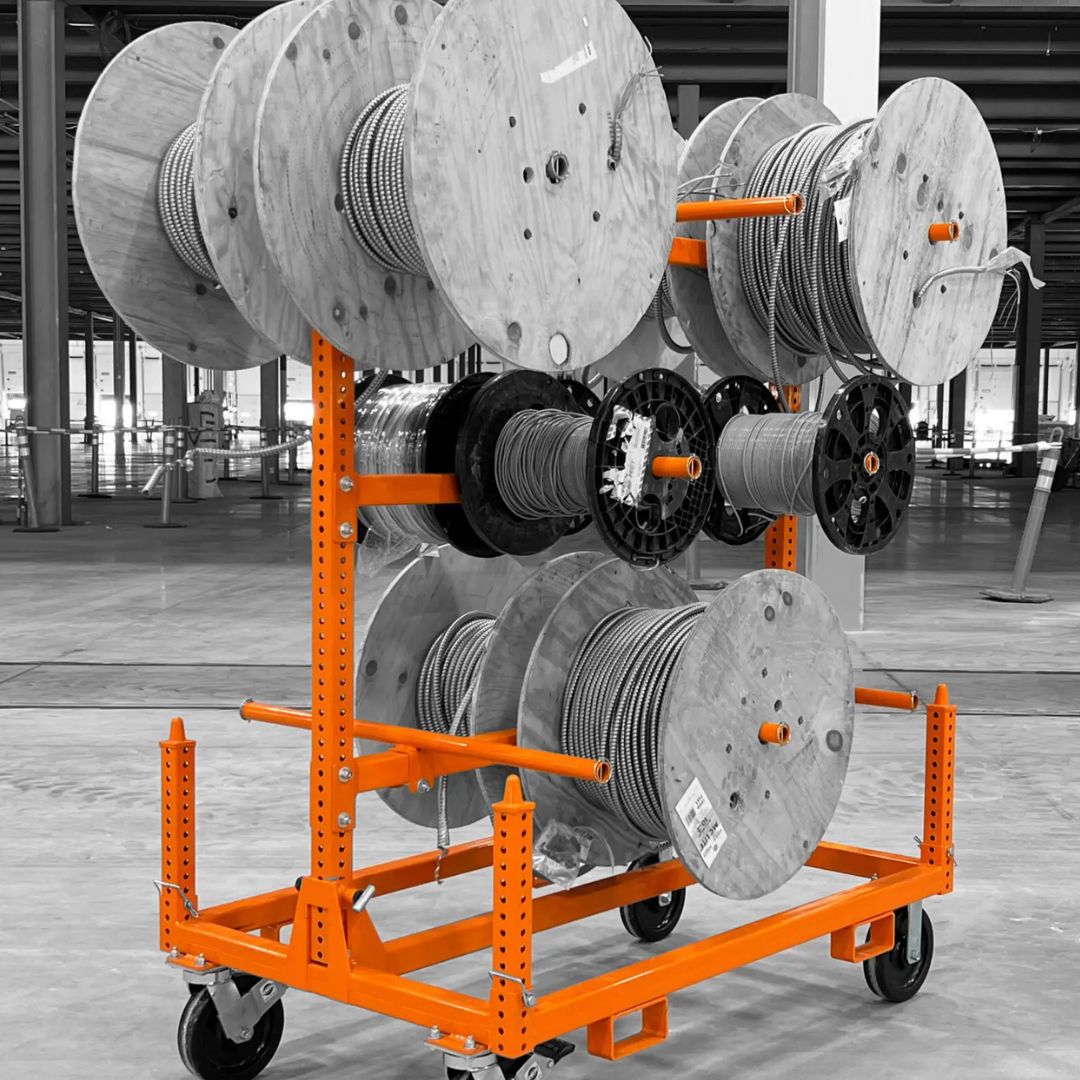
1. Reels and spools. Round, heavy, awkward to restrain, and useless unless you can pay wire off them. Storing a reel is easy; dispensing from it without dragging it to the floor is the actual requirement.
2. Long stock. Conduit, strut, ground rod, cable tray and lighting poles are ten to twenty feet long. Standard pallet bays are the wrong shape for them and stacking them on the floor buries the sizes you need.
3. Bulk and palletized material. Fixtures, gear, boxes of fittings, panels and returned surplus — this is the part conventional selective rack handles well.
4. Jobsite kits. Material staged by job and by phase, which needs floor or bay space that is deliberately kept empty most of the time.
Design each of the four for what it actually is. Trying to make one system serve all four is how warehouses end up with reels on the floor and conduit across the top of a rack run.
The most common failure we see
Long conduit laid loose across the top beam level of a pallet rack run. It is unrestrained, nothing about the rack was designed for a rolling point load along the beam, and no one can pull one length out without disturbing the rest. Long stock belongs on cantilever arms or in a purpose-built vertical rack, never on top of a bay.
Wire reel and spool storage that actually dispenses
Wire is usually the highest-value inventory in the building and the hardest to store well. The decision comes down to how you take wire off the reel.
| Method | How it works | Best when | Watch out for |
|---|---|---|---|
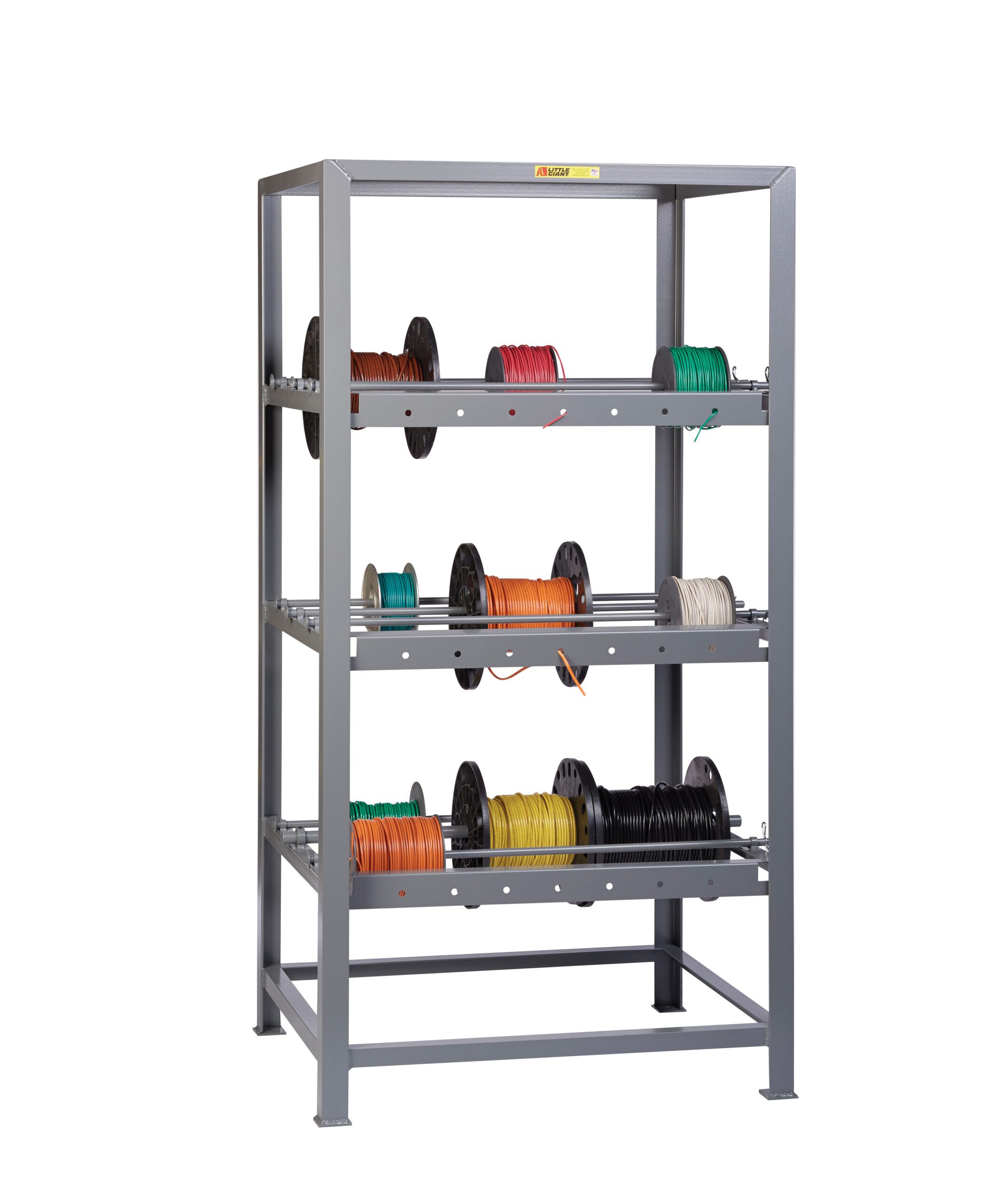
| Axle-style reel rack | Frames with adjustable axle brackets; reels hang on a bar and spin in place | Mixed reel diameters, frequent pulls of measured lengths | Bar and bracket capacity is per axle, not per bay — confirm the rating before loading a large reel |
| A-frame reel rack | Single or double sided A-frame with staggered axles, often free-standing | Light to medium reels in a small footprint, contractor shop or truck loading area | Stability depends on grouping sections together; a single section on its own is easy to upset |
| Reels on pallet rack beams | Reels palletized or cradled and stored like any other pallet | Reserve stock that will be moved whole, not paid off in the rack | Round loads roll — use cradles or a deck, never bare beams |
| Mobile reel carts | Wheeled frames that take reels to the truck or the cut station | Staging and loading, not long-term storage | Carts parked in aisles become the new mess; give them a marked home |
| Vertical spool carousel | Powered carousel that brings the wanted spool to an operator at waist height | High-volume counter operations with many small spools and limited floor space | A capital purchase; justified by pick rate and floor cost, not by storage alone |
Two rules matter more than the equipment choice. First, keep the reel axle horizontal and supported at both ends whenever wire is being pulled; unsupported reels wander and the wire jams. Second, put full and part-used reels in separate zones. Mixing them is the fastest way to open a new reel while three part reels of the same conductor sit ten feet away. Our guides to wire reel storage for an electrical supply warehouse and storing and dispensing wire reels cover the layout side in more depth, and wire spool carousels versus reel racks compares the automated option honestly.
Sizing a reel rack
Reel racks are specified by three numbers people routinely mix up: the largest reel diameter the frame can clear, the axle capacity (per bar, evenly loaded), and the overall frame capacity with every axle loaded. A frame that clears a 60-inch reel does not necessarily carry three of them at once.
Measure your real inventory before ordering: the largest reel you actually stock, the heaviest reel you actually stock, and how many of each you hold at peak. Contractors routinely specify around the reel they buy twice a year and then find the everyday sizes fit badly.

Conduit, strut and long stock
Long material is a cantilever problem, not a pallet rack problem. Cantilever racking has no front columns, so a length of conduit or strut can be loaded and pulled from the end or the side without fighting an upright.
Practical points for an electrical contractor’s long-stock area:
- Arm length drives everything. The arm must support the bundle without the load overhanging more than the manufacturer allows. Overhang is where cantilever failures start.
- Straight arms for bundles, inclined arms for loose lengths. Loose pipe on a level arm rolls off; a modest incline plus a lip keeps it in place.
- Sort by trade size, not by delivery. One column per size beats one column per purchase order every time.
- Leave a pull lane. A twenty-foot length needs somewhere to go when it comes out. Plan the aisle at the end of the run, not just between the runs.
Where floor space is tight, a vertical rack — a set of divided upright bays with pipe stood on end — can hold a lot of conduit in a small footprint, but only where ceiling height and safe handling allow it. It is a genuine option, not automatically the right one.
Pallet rack for the rest of the building
Everything that is neither round nor long belongs on conventional rack, and here the contractor’s version differs from a distributor’s in one important way: loads are irregular. A pallet of fittings, a crate of gear, a loose bundle of hangers and a returned reel of MC cable are all in the same run.
One layout note specific to contractors: reserve the bay ends nearest the overhead door for the fastest-moving material and the current job’s staging. In a distribution center that space would be wasted on slow movers; in a contractor warehouse it is the difference between a truck loading in fifteen minutes and forty.
Jobsite kitting and staging
The staging area is the part of the warehouse most often designed by accident. Material for a job gets picked, set down wherever there is room, and then blocks an aisle for a week.
Give staging a defined footprint
Mark it on the floor and treat it as storage capacity, not spare space. A staging area with no boundary expands until it meets the rack.
Stage by job and phase
One position per job phase, labelled with the job identifier, beats one big pile per job. It also makes short shipments visible before the truck leaves.
Use a bay, not the floor, where you can
A dedicated rack bay per active job keeps kits off the traffic route and lets a lift truck load the whole kit in one movement.
Close the loop on returns
Unused material coming back from a job needs a defined receiving position, or it becomes the next pile. Returns that are not put away are inventory you will buy twice.
Capacity, anchoring, protection and inspection
Two features of an electrical contractor’s building raise the safety stakes: extremely heavy point loads, and a lot of manual handling around the rack.
- Specify from the heaviest real load. Beam capacity is published for a uniformly distributed load. A single large reel set on a beam pair is not uniformly distributed. Ask for the manufacturer’s load table for the exact beam span and level spacing you are buying and keep the load application drawing on file — our guide to pallet racking weight capacity explains how beam, frame and deck ratings interact.
- Frame capacity changes when you move a beam. Adding a level or lowering the first beam alters the upright’s rating, often downward. See pallet rack uprights before re-configuring anything.
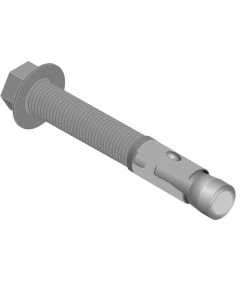
- Anchor every upright. Anchors are part of the engineered design, not an optional extra, and they are what the seismic calculation assumes is there.
- Protect the columns that get hit. Aisle-end frames and door-side runs take the damage; column protectors and rack guards are far cheaper than a frame replacement and the downtime around it.
- Inspect on a schedule and after every impact. A struck upright reduces the capacity of the whole bay until it is repaired — see rack repair and inspection.
- Have it installed properly. Plumb, square, anchored and to the drawing; our rack installation teams handle the permitting-relevant details as well as the steel.
Design standards worth knowing by name: ANSI MH16.1, the industry standard for the design, testing and utilization of industrial steel storage racks, and the International Building Code, which governs the seismic design of storage racks in Utah and the wider Mountain West. Both are worth citing to your engineer of record; neither is a substitute for a stamped drawing for your building and your loads.
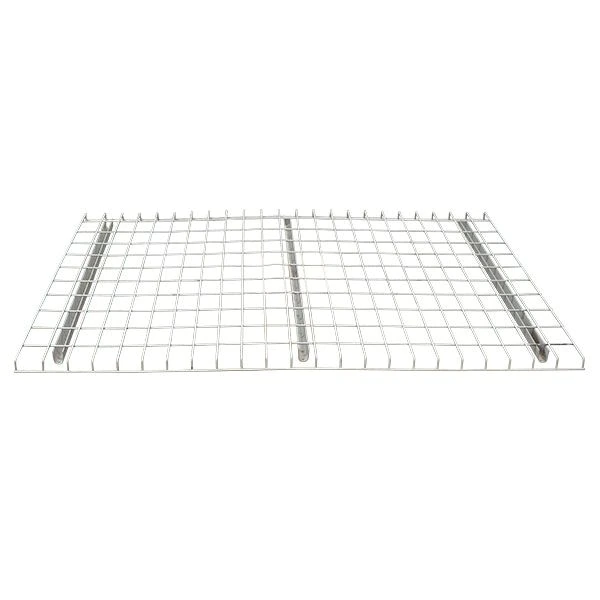
Shop Pallet Rack Accessories Online
Protect and finish your pallet rack installation with these in-stock accessories, or request a quote for custom-sized rack, freight and volume pricing.

Electrical contractor racking FAQs
What is the best rack for storing wire reels?
Can wire reels be stored on standard pallet rack beams?
How should an electrical contractor store conduit and strut?
Is a wire spool carousel worth it instead of a reel rack?
Do rack systems in a contractor warehouse need seismic anchoring?
How much aisle width do we need?
Utah pallet rack project: This case study supports our Utah pallet rack design and installation guide and, at the top level, our main pallet rack systems hub.
Storage Built Around Reels, Conduit and Jobsite Kits
Send us your reel sizes, conduit lengths and building dimensions and we will design a layout that handles all four storage problems properly.