
Home › Metal Shelving
Metal Shelving
Boltless, steel clip, wire, stainless, polymer and high-density mobile metal shelving for warehouses, stockrooms, kitchens, labs and plants — specified, quoted and shipped by MH-USA.
1997
Serving the Intermountain West
6
Metal shelving families
50
States shipped
SLC
Salt Lake City showroom
Commercial and Industrial Metal Shelving, Chosen for the Job
Metal shelving is the most over-bought and under-specified product in a facility. Every unit looks like a rectangle with four posts, so the cheapest line wins the order — then shelves bow under a load nobody measured, chrome rusts in a cooler, and the units get replaced in three years. That is a specification problem, not a shelving problem.
Six families are in daily use: boltless (rivet), open and closed steel clip, wire, stainless steel, polymer-overlay on steel posts, and high-density mobile shelving on tracks — plus shelving built on rack uprights for heavy hand-stack loads. Each solves a problem the others do not, and picking the right family costs nothing extra.
MH-USA has been sizing, quoting and installing steel shelving from Salt Lake City since 1997, representing multiple manufacturers — including Metro, Eagle, Aurora and Datum — so the recommendation follows the application instead of the catalog. This page is the buyer’s guide: how the families differ, how load ratings work, which finish belongs in which room, how to size a run and an aisle, and when the honest answer is pallet rack.
The Six Families of Metal Shelving and When Each Is Right
Nine out of ten shelving mistakes are family mistakes, not size mistakes.
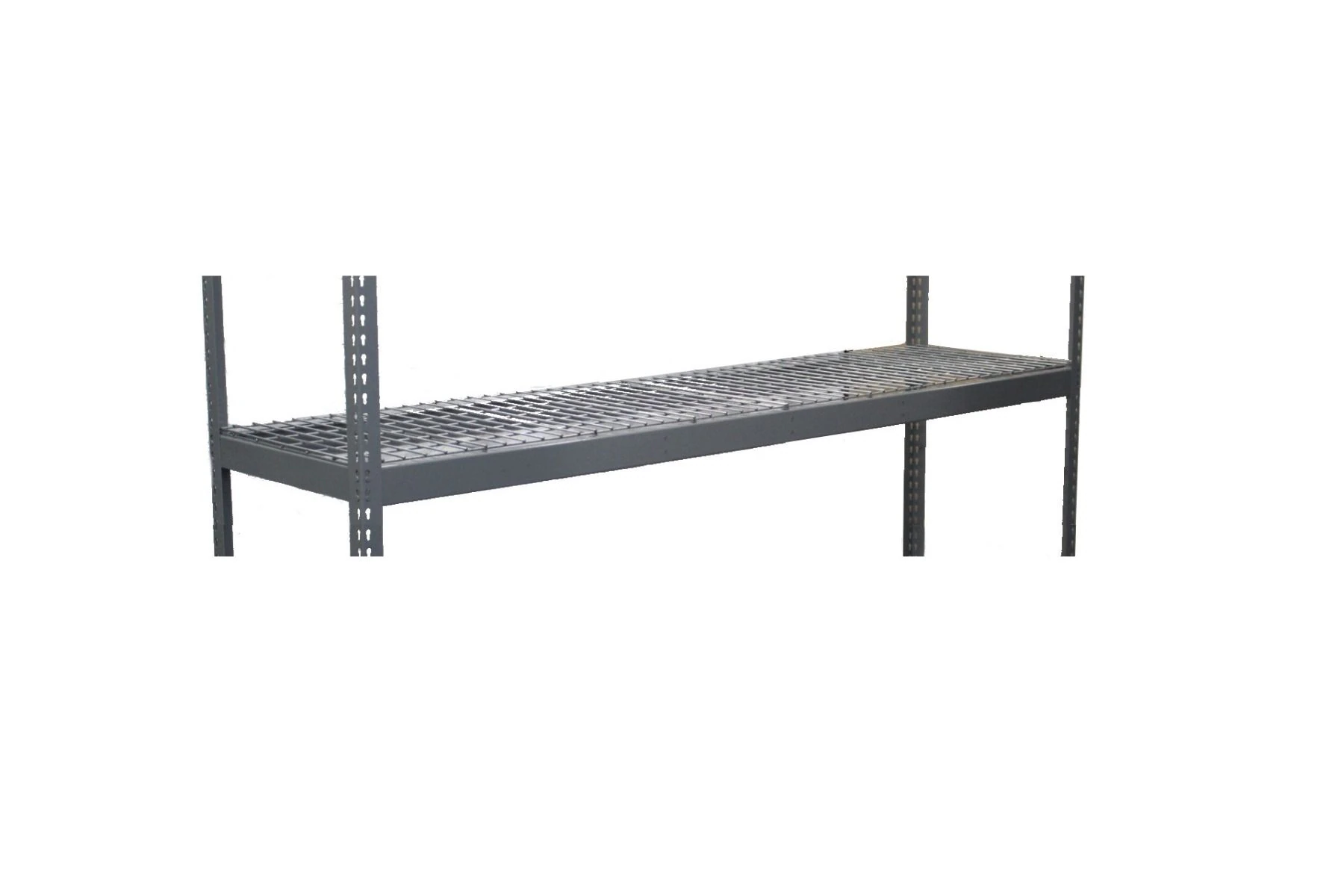
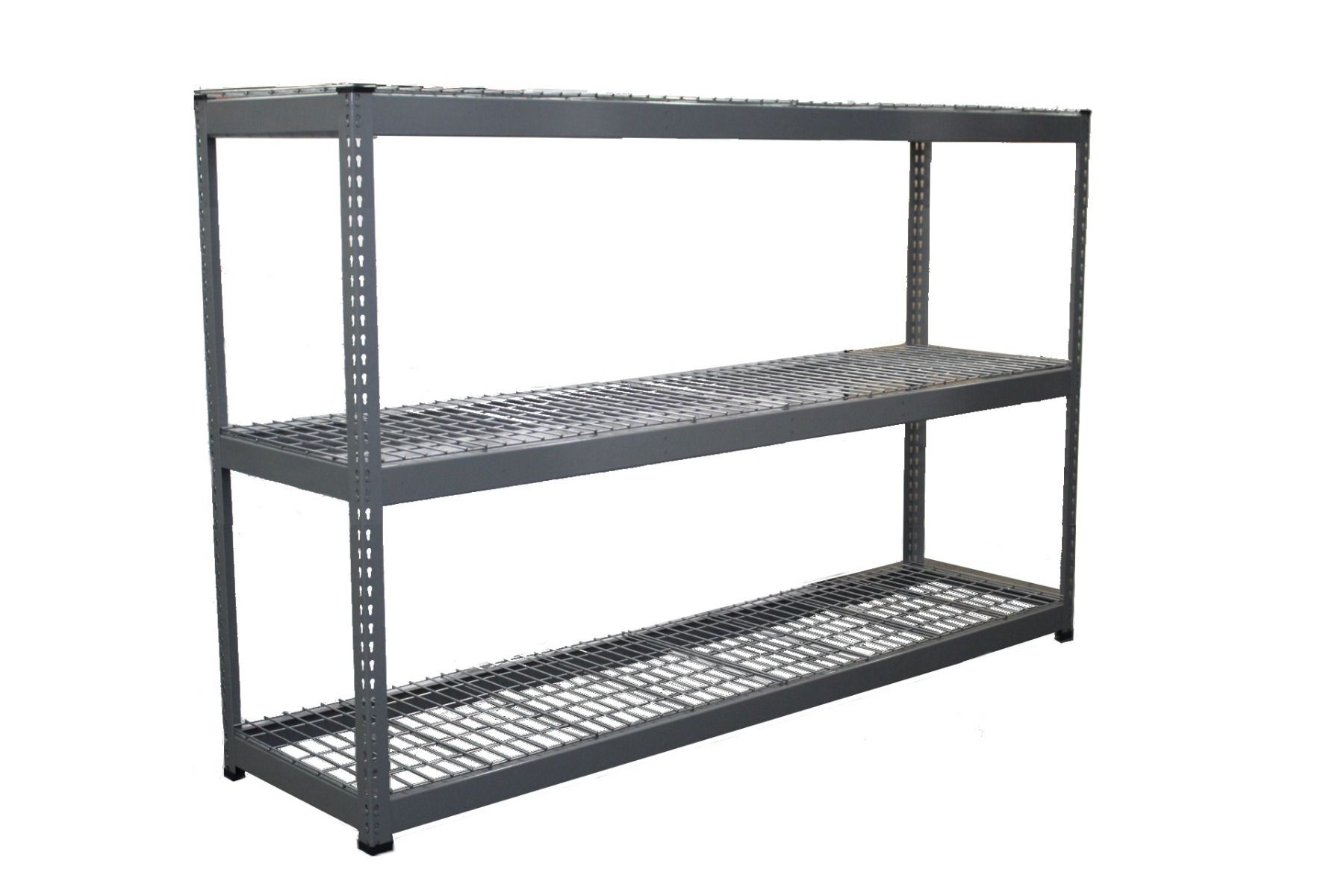
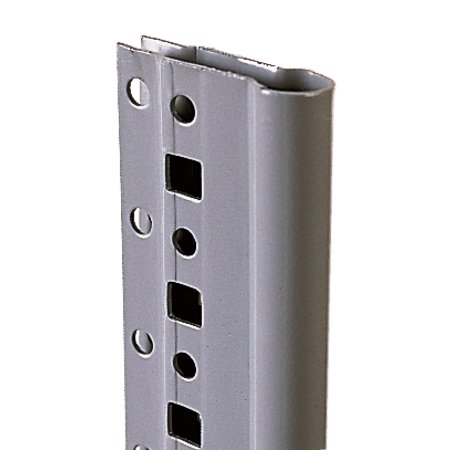
 Boltless / Rivet ShelvingRivet-ended beams drop into keyhole slots on angle or T posts, with steel, wire or board decking on top. Assembles with a mallet and carries the heaviest hand-stacked loads per dollar — the warehouse and stockroom default.
 Closed & Open Steel Clip ShelvingSlotted posts with clip-in steel shelves. Closed units add back and side panels for appearance, dust control and small-parts containment. Parts departments, tool cribs and customer-visible rooms.
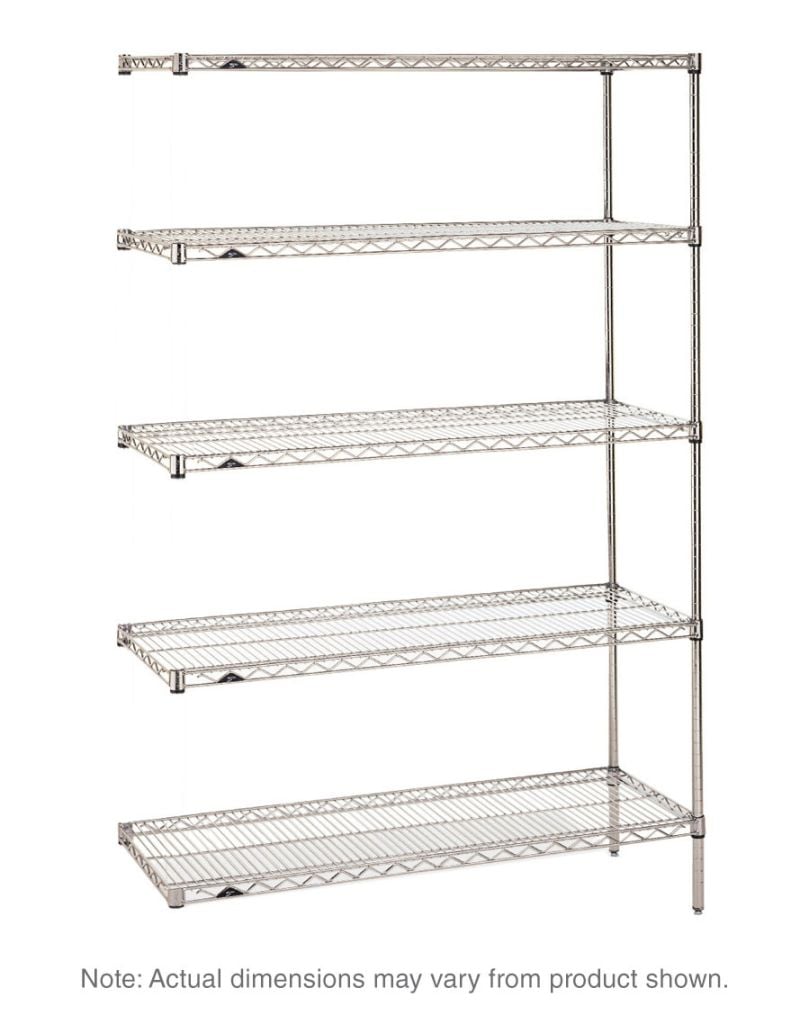
 Wire ShelvingWelded wire shelves on grooved posts. Air and light pass through, dust does not collect, and shelf heights change in one-inch increments. Kitchens, coolers, supply rooms and labs — see our wire shelving page.
 Stainless Steel ShelvingType 304 and 316 stainless for wash-down, chemical exposure and sanitation-driven rooms — the priciest family per shelf and the cheapest over fifteen years in a wet room. See stainless steel shelving.
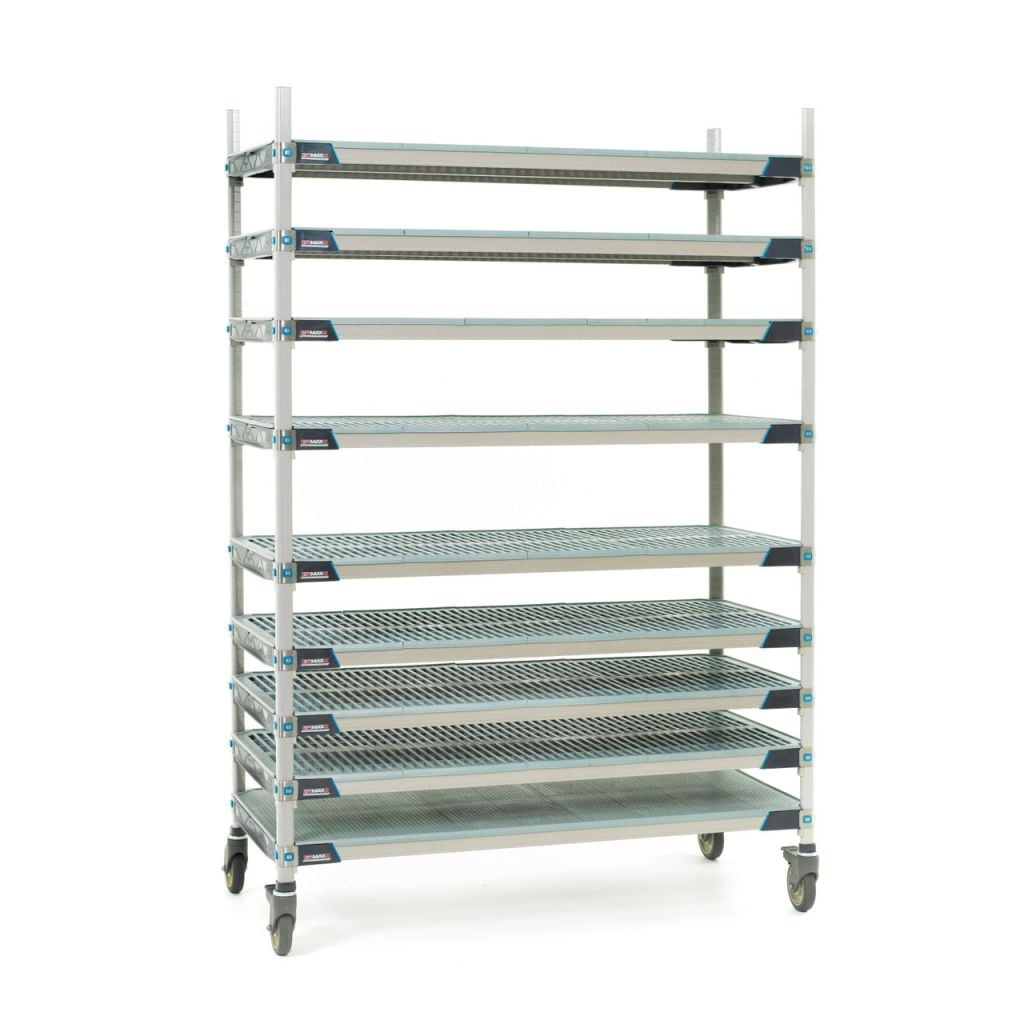 Polymer-Overlay ShelvingPolymer mats or open-grid polymer shelves on steel or composite posts. Handles standing water, frequent cleaning and cold rooms without corroding, and the mats come off for washing. See plastic shelving.
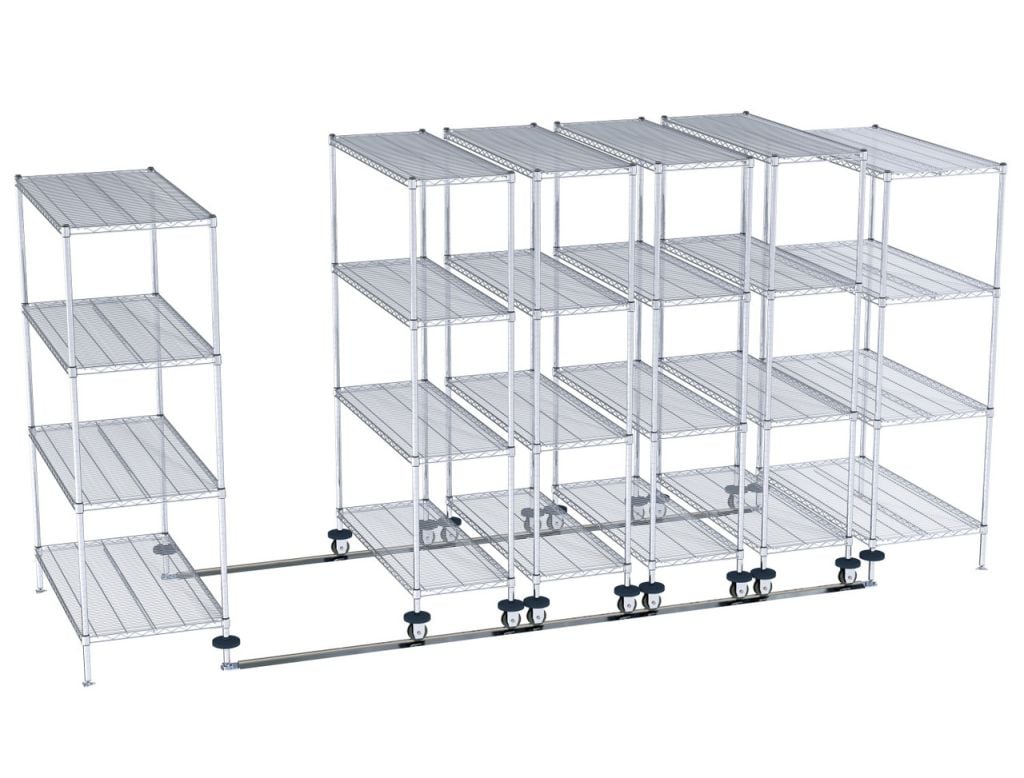
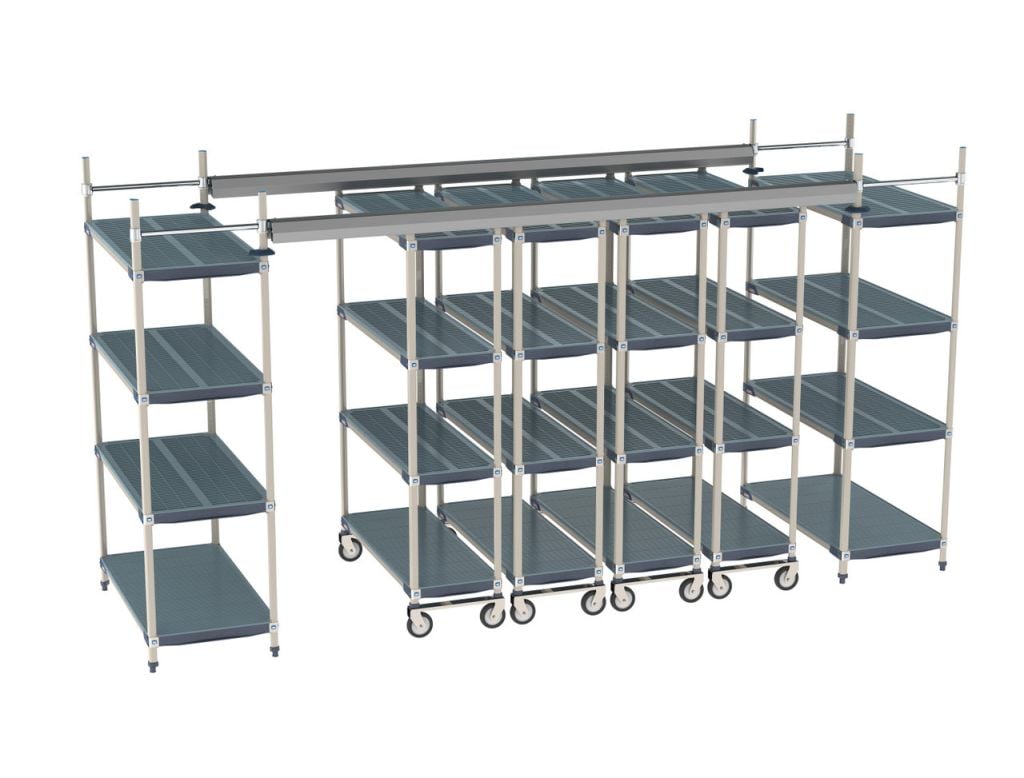
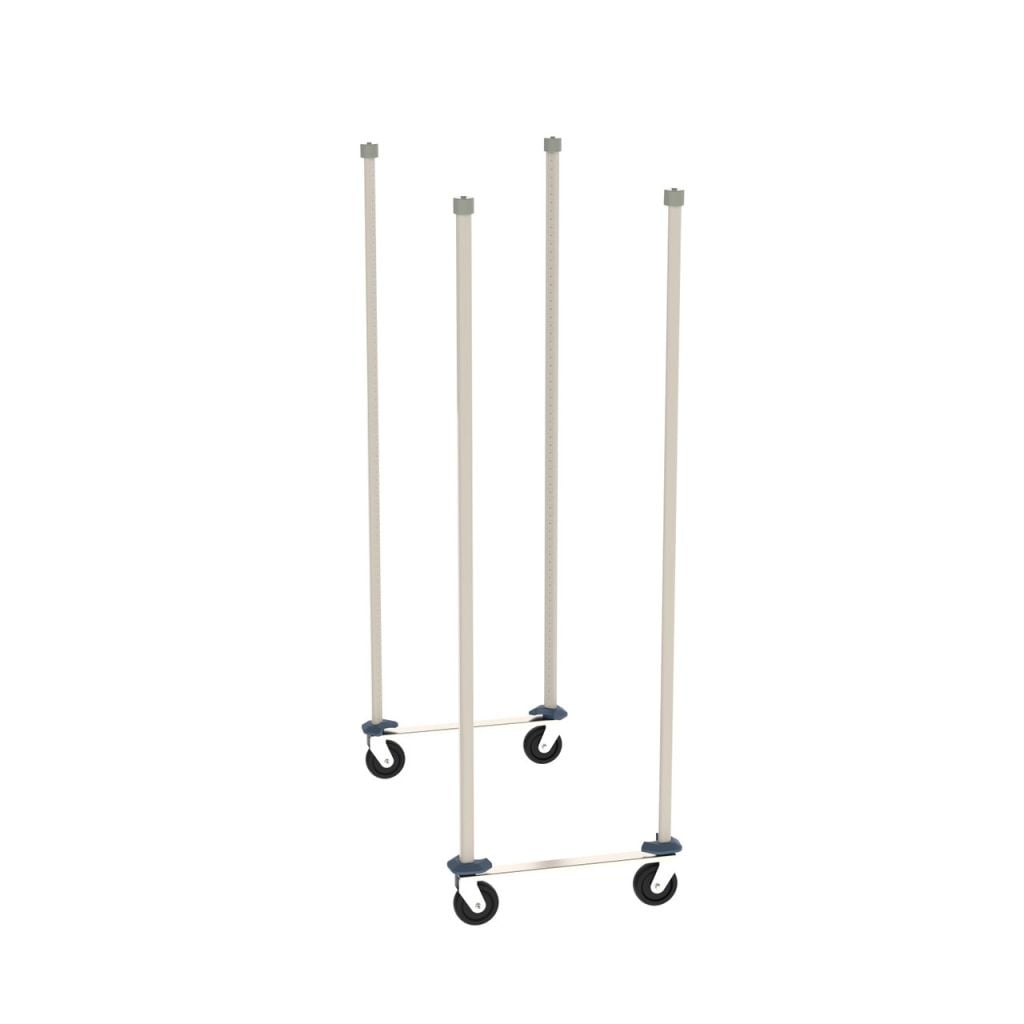 High-Density Mobile ShelvingRuns on floor track or overhead top-track slide together and share one aisle, roughly doubling storage in the same footprint. Records, evidence, cooler and lab storage. See mobile shelving.
A seventh option sits between shelving and rack: industrial shelving built on rack uprights, where rack frames carry steel or wire decking at hand-stack heights. It suits loads too heavy for a shelving post but too small for a forklift, and leaves the bay convertible to pallet storage later. See industrial shelving and shelving solutions.
Gauge, Shelf Capacity and Load Ratings, Explained Honestly
Capacity numbers are real, but only if you read them the way the engineer wrote them.
- Uniformly distributed load (UDL). Every published rating assumes weight spread evenly across the shelf. An 800 lb shelf will not take an 800 lb machine base in the middle; concentrated point loads can cut usable capacity by half or more.
- Unit capacity is not the sum of shelf capacities. A unit with five 800 lb shelves is rarely a 4,000 lb unit — check the published unit rating separately, especially on tall or mobile units.
- Deflection is the real limit. Steel bends visibly long before it fails, and shelves are designed to a deflection limit — commonly around 1/180th of the span. A shelf that looks like it is sagging may still be inside its rating. If a visible bow will bother you, size up.
- Gauge is a thickness, not a grade. Lower numbers mean thicker steel: light-duty shelves run 20–22 gauge, general-purpose 18–20, heavy-duty 14–16 with formed edges and under-shelf stiffeners. Two shelves in the same gauge can differ hugely depending on the edge form and stiffener count.
- Post and upright sizing sets the ceiling. Wire posts step up in diameter, boltless posts from light angle to heavy T-post, rack-supported shelving to full uprights. Past roughly 72–84 inches of height, post selection matters more than shelf selection.
| Duty class | Typical shelf UDL | Typical construction | Fits |
|---|---|---|---|
| Light duty | 300–800 lb per shelf | 20–22 gauge shelves or light wire, light posts | Retail stockroom, office supply, home-and-shop storage, light picking |
| Medium duty | 800–1,500 lb per shelf | 18–20 gauge with formed edges, medium posts or beams | Parts departments, general warehouse cases, tool cribs, back-of-house |
| Heavy duty | 1,500–3,000 lb per shelf | 14–16 gauge decking or wire decking on heavy rivet beams | Bulk cases, dies and fixtures, motors, hand-stacked heavy inventory |
| Rack-supported shelving | 3,000 lb+ per level | Roll-formed or structural rack uprights with steel or wire decking | Heavy hand-stack loads, mezzanine picking, convertible bays |
| Wire & polymer | 600–800 lb per shelf, commonly | Welded wire or polymer mats on grooved or composite posts | Kitchens, coolers, labs, healthcare supply, clean rooms |
Capacity is model-specific
These are planning numbers; published ratings differ by manufacturer, shelf size and post selection. Send the model or the load and we will confirm the current rating in writing before you order.
Finishes: Where Each One Belongs
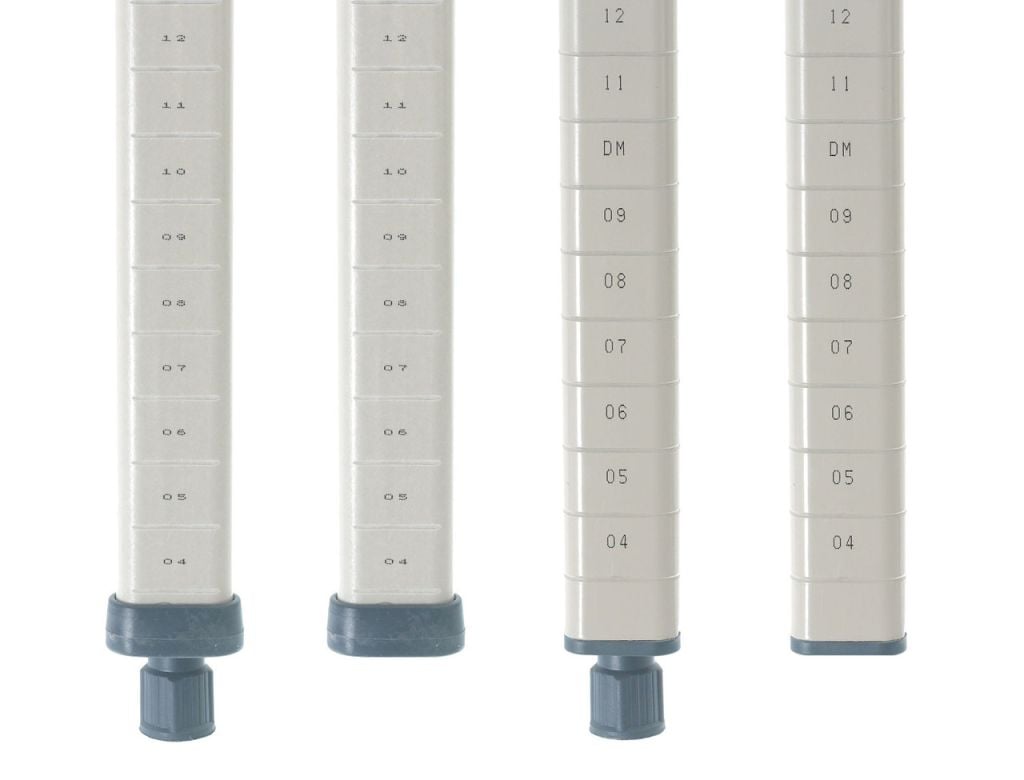
Finish is where the most money gets wasted in both directions. Chrome gets bought for a walk-in cooler and corrodes inside a year; stainless gets bought for a dry stockroom that would have been fine with painted steel. The variable is not how clean the room looks — it is moisture, temperature swing, chemical exposure and cleaning method.
Ask four questions: does liquid ever sit on the shelf or floor, does the room swing through the dew point as a cooler does at every door cycle, what chemicals touch the steel, and is it wiped, sprayed or hosed down?
Cold storage deserves a note: a freezer is dry air, but the steel cycles through condensation every defrost and door cycle — exactly what chrome tolerates worst. Epoxy, powder coat and polymer overlays are the usual answers. In a true wash-down area, stainless or polymer on composite posts is what survives long term.
| Finish | Best environment | Avoid | Notes |
|---|---|---|---|
| Chrome | Dry stockrooms, offices, retail, dry storage | Coolers, freezers, wash-down, coastal or salt exposure | Bright and easy to clean; corrodes where moisture sits |
| Epoxy / powder coat | Coolers, humid rooms, general industrial | Aggressive chemical wash-down, direct hose-down over time | Baked coating over steel; much better humidity tolerance than chrome |
| Galvanized | Unheated warehouses, plant floors, outdoor-adjacent | Food-contact and appearance-sensitive rooms | The industrial value default where looks do not matter |
| Stainless steel | Wash-down kitchens, labs, clean rooms, processing | Nothing, except a tight budget in a dry room | 304 for most rooms; 316 where chlorides or harsh chemistry are present |
| Polymer overlay on steel/composite posts | Wet areas, coolers, dish rooms, sterile supply | Very high heat and heavy point loads | Mats pull off for washing; posts resist corrosion |
Finish claims deserve care. Where a manufacturer offers product-protection additives on selected lines, that feature protects the product itself, not the food or people around it, and we send the manufacturer’s own documentation rather than paraphrase it. Sanitation listings are model-specific; see sanitation-rated shelving solutions and ask us to confirm listing status for your exact models.
Open Shelves vs Solid Shelves

Open shelves — wire, open-grid polymer or wire decking — let air, light and sprinkler water through and refuse to collect dust, which is why coolers, walk-ins and drying areas default to them.
Solid shelves — steel, stainless or solid polymer — hold small items that fall through wire, wipe clean in one pass and look finished in a customer-facing room. They also block airflow and hold spills: what you want under liquids, and what you do not want in a walk-in.
Most buildings want both on the same run: open shelves where product breathes, solid shelves where small parts, paperwork and liquids live. Ledges and dividers add containment, and drop-in mats convert wire to a solid surface without a second unit.
Seismic, Wall and Floor Anchoring Considerations
Shelving that is tall relative to its depth is inherently tippy, and worse as top levels load. A few habits are good practice whether or not seismic design governs the project.
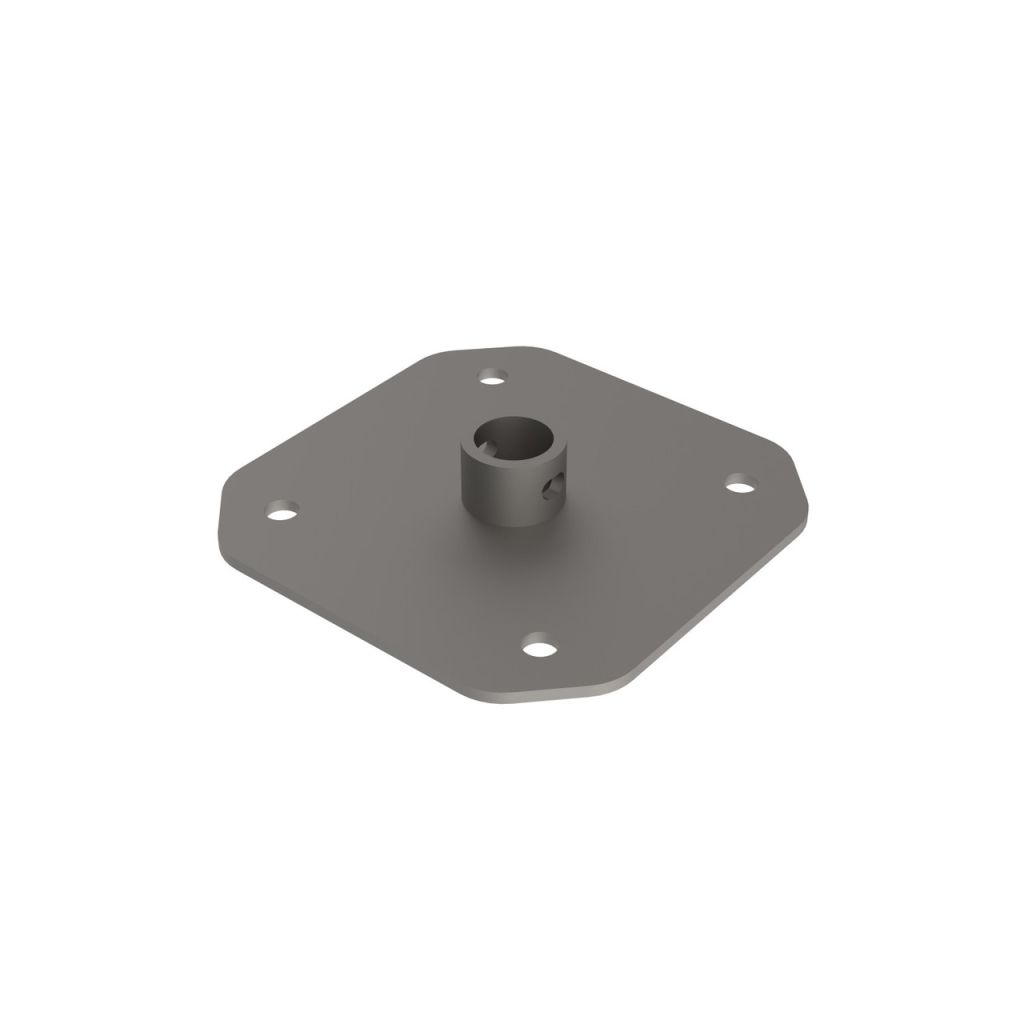
Load heavy at the bottom and light at the top; that single habit prevents more incidents than any hardware. Watch the height-to-depth ratio — as units pass roughly five times their depth in height, plan on securing them. Gang units into runs so they brace each other, and tie a standalone run back to a wall.
Hardware exists for all of it: wall ties and brackets, base plates, post clamps, foot plates and sway brace kits, and back-to-back runs can be braced as a system.
What we will not do is certify your installation. Seismic design categories, anchor embedment and inspection requirements are determined by your structural engineer and local building official. We supply hardware, published manufacturer data and coordinated installation; the determination belongs to the design professional of record.
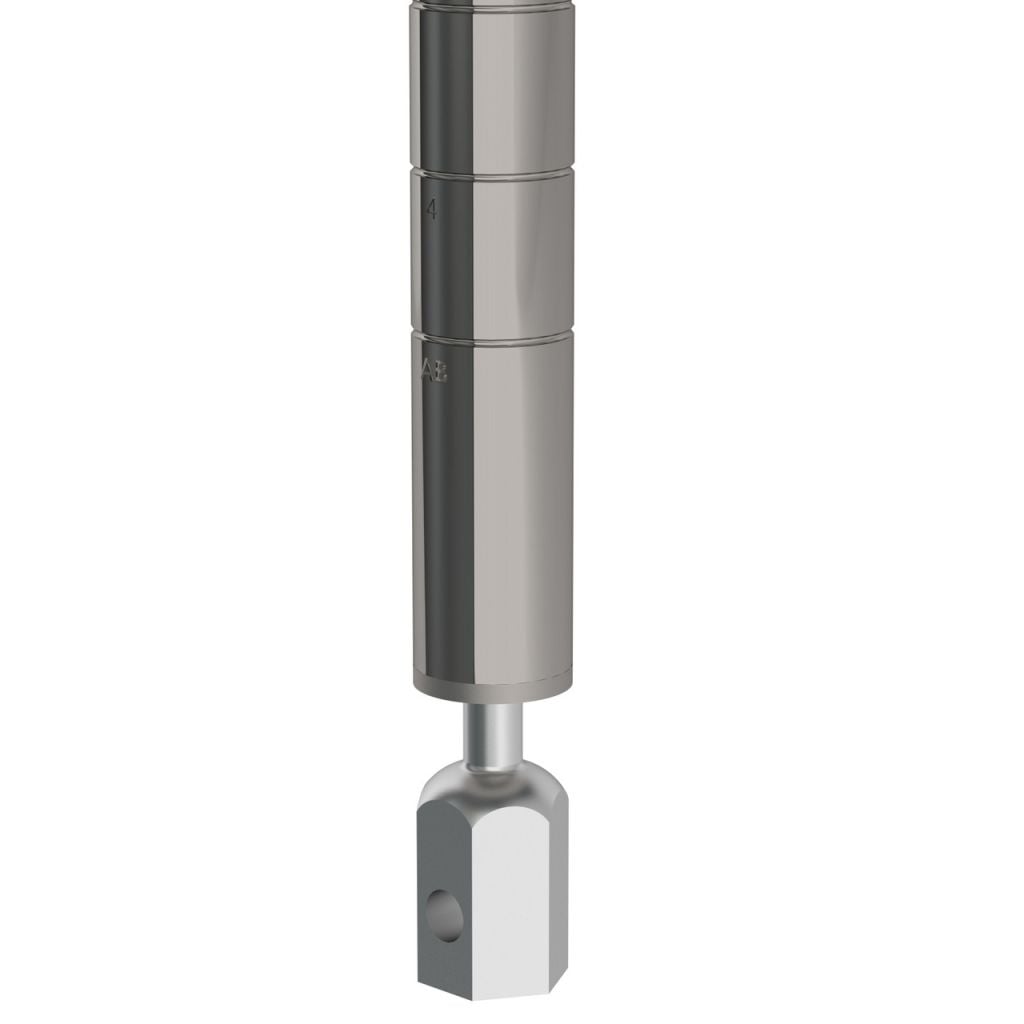
Adjustability, Accessories, Dividers, Bins and Labeling
The accessory package turns shelving into a storage system. It is also the first thing value-engineered out, which is why so many runs end up as piles of loose stock on flat steel.
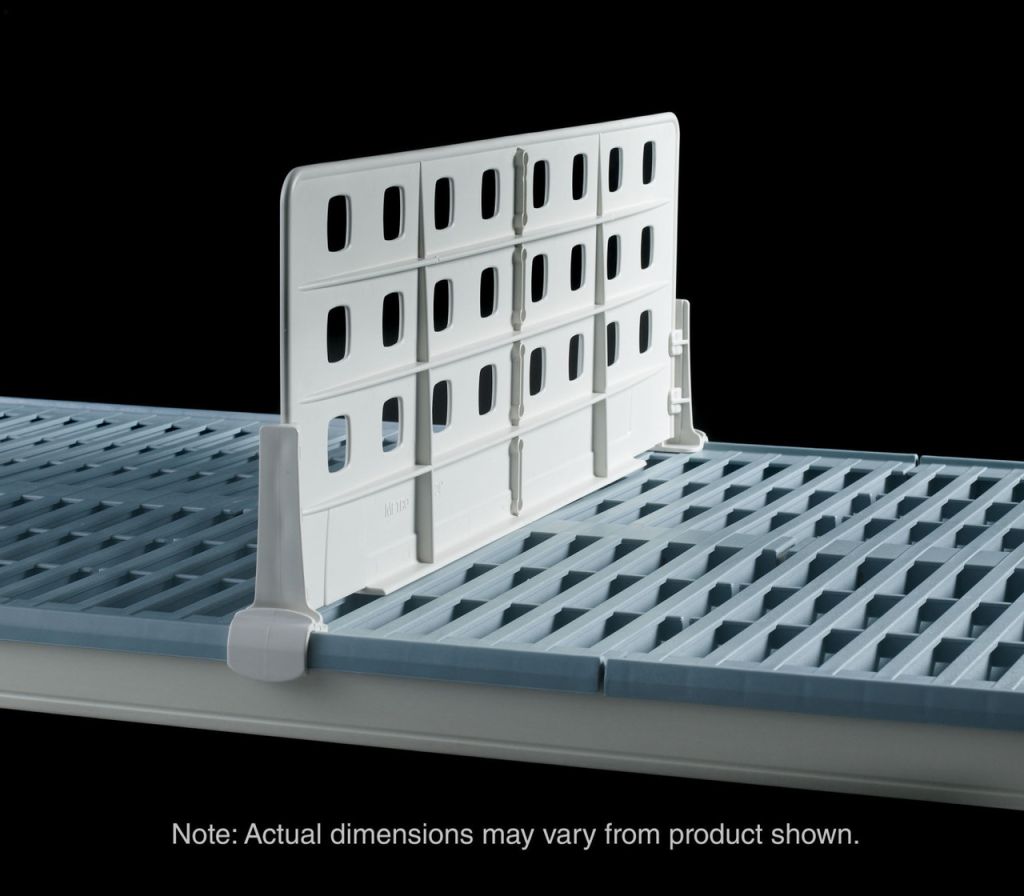 DividersSplit a level into bays so SKUs stay separated and stacks stop leaning — the fastest way to make a deep shelf pickable.
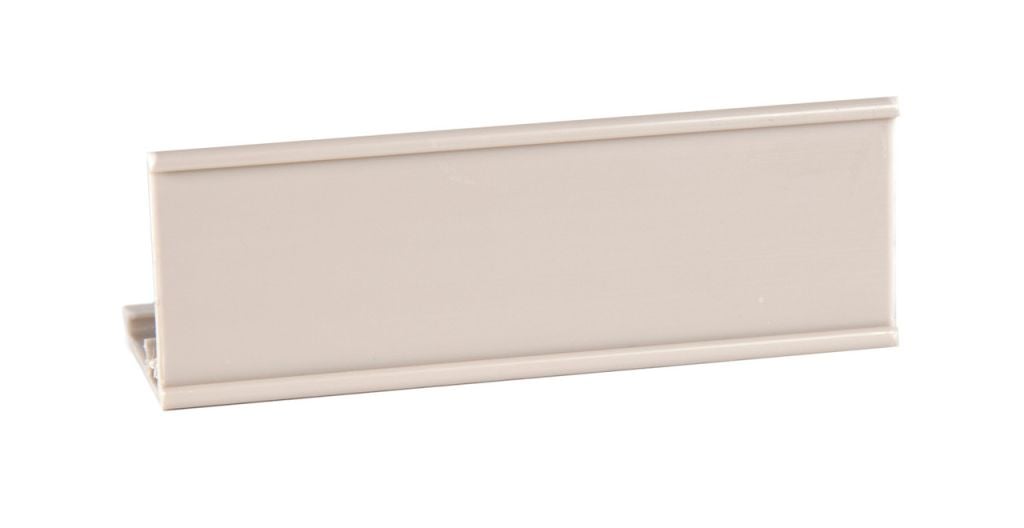 Label Holders & Location IDsShelf-edge label holders give every level a location ID. Without them a run cannot be cycle-counted or scanned reliably.
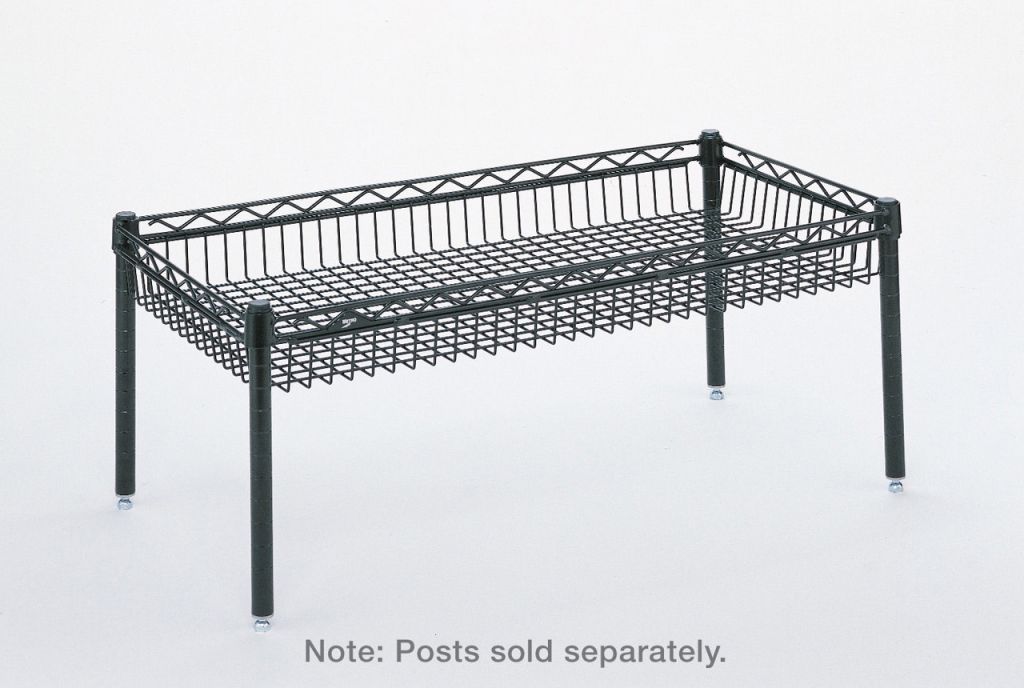
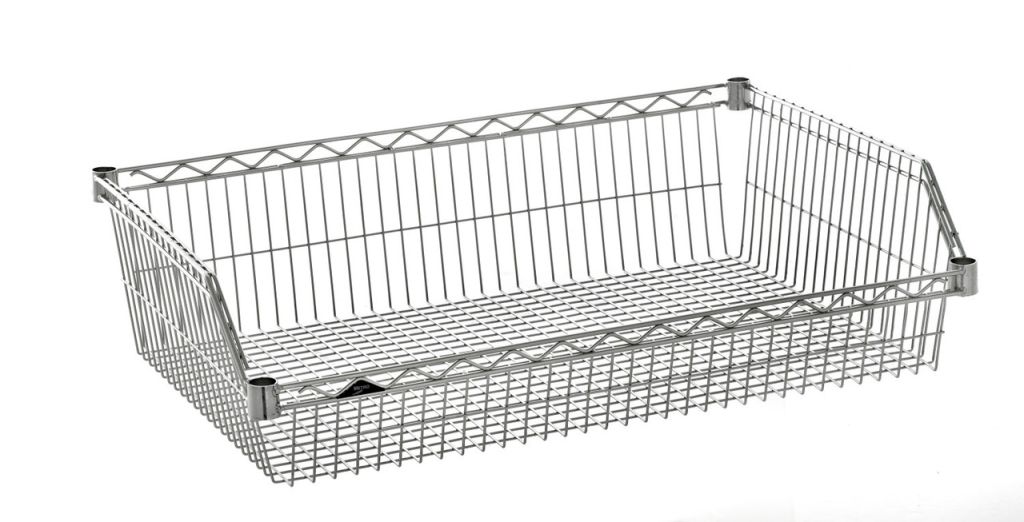
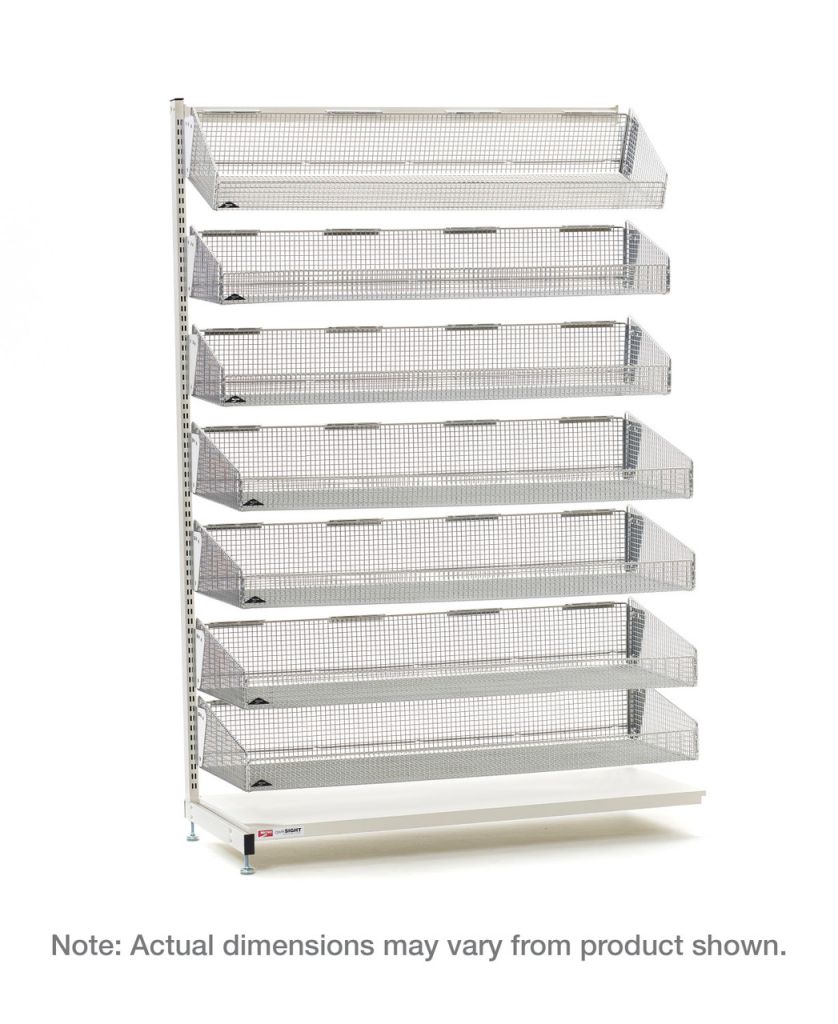 Basket Shelving & BinsBaskets and bin fronts hold loose or irregular items flat shelves handle badly, and show the stock level at a glance.
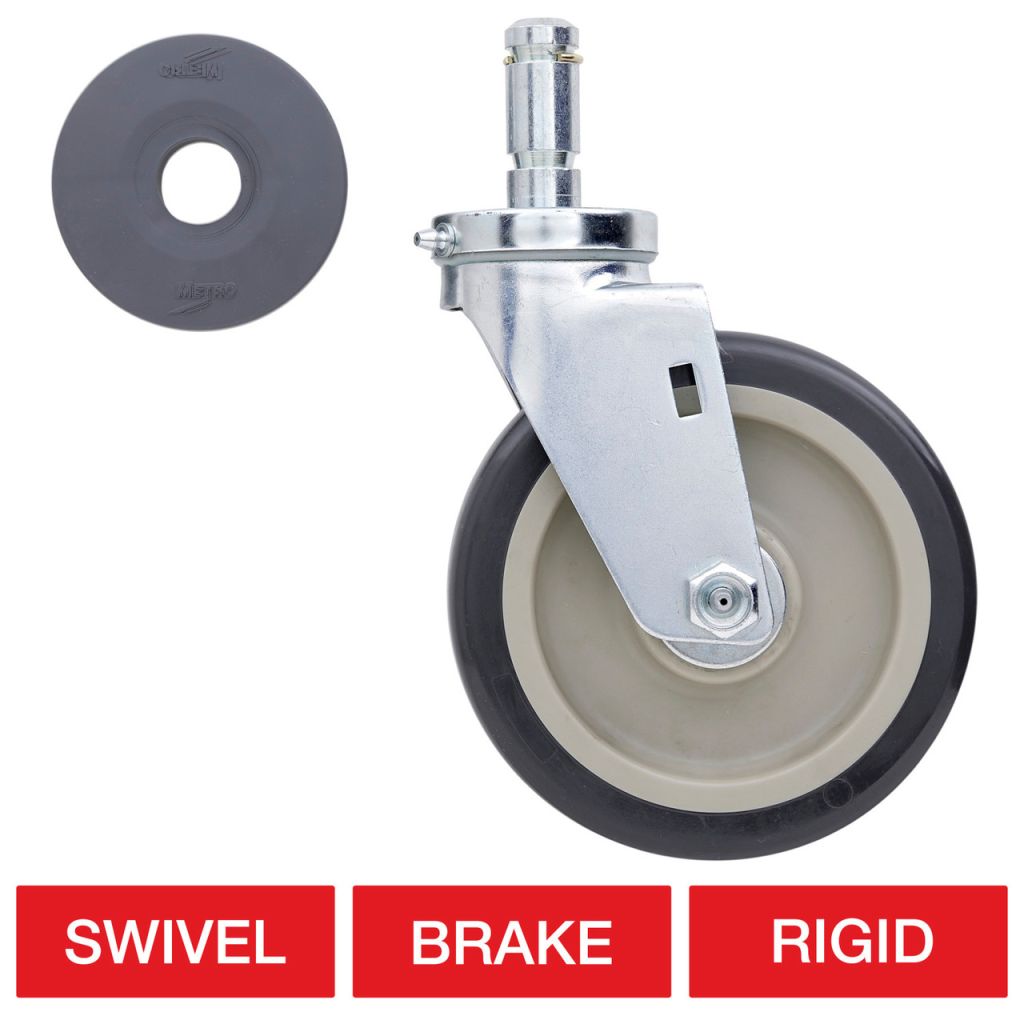 Casters & Mobile KitsMost stationary shelving accepts stem or plate casters. Casters lower working capacity, so verify the mobile rating first.
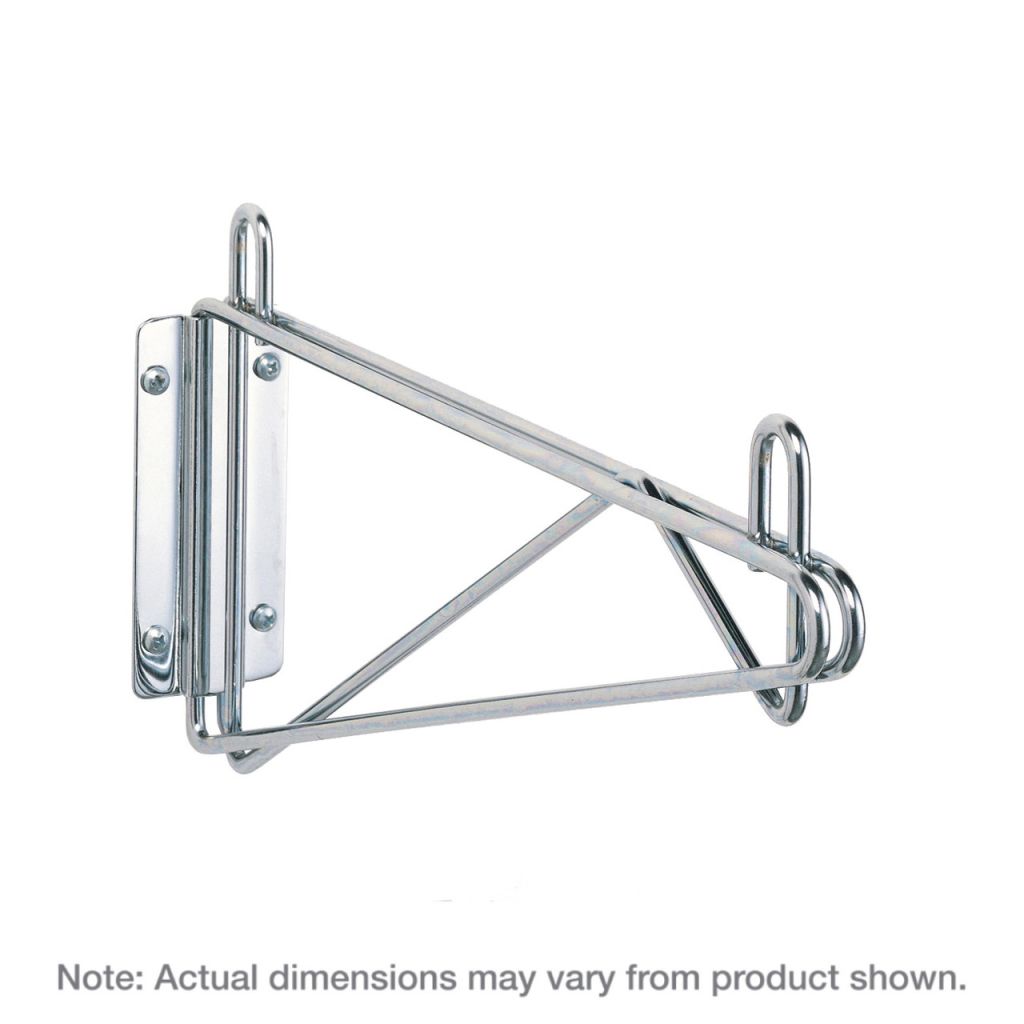 Wall Mounts & BracketsRecover space over benches, sinks and workstations where a floor unit will not fit.
 Cantilever ShelvesHang off a post or upright so the space beneath stays clear for carts, bins and equipment.
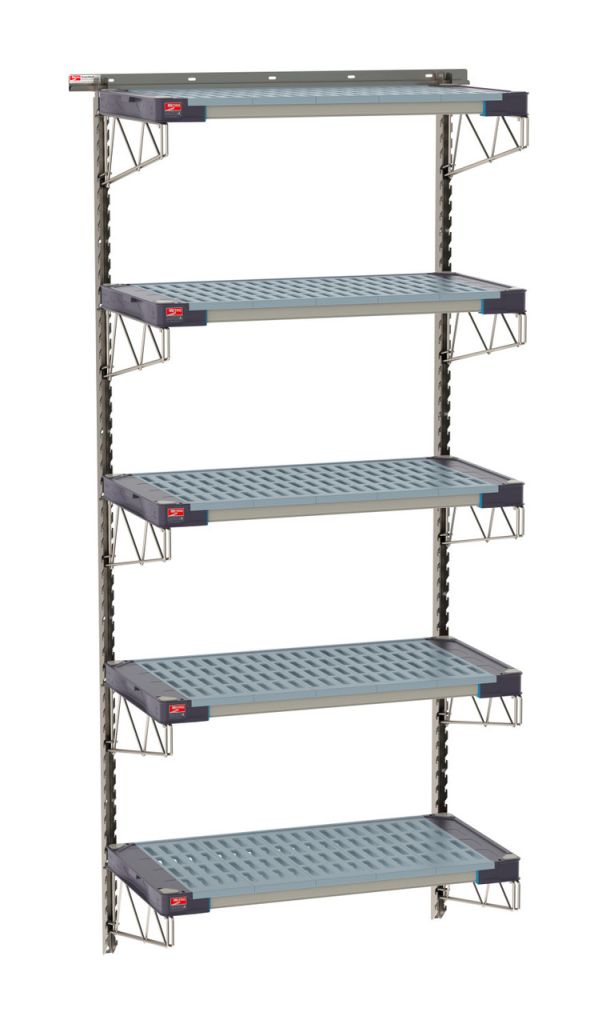 Wall Shelving SystemsShelves, hooks and holders on one rail, so a work wall reconfigures without new anchors.
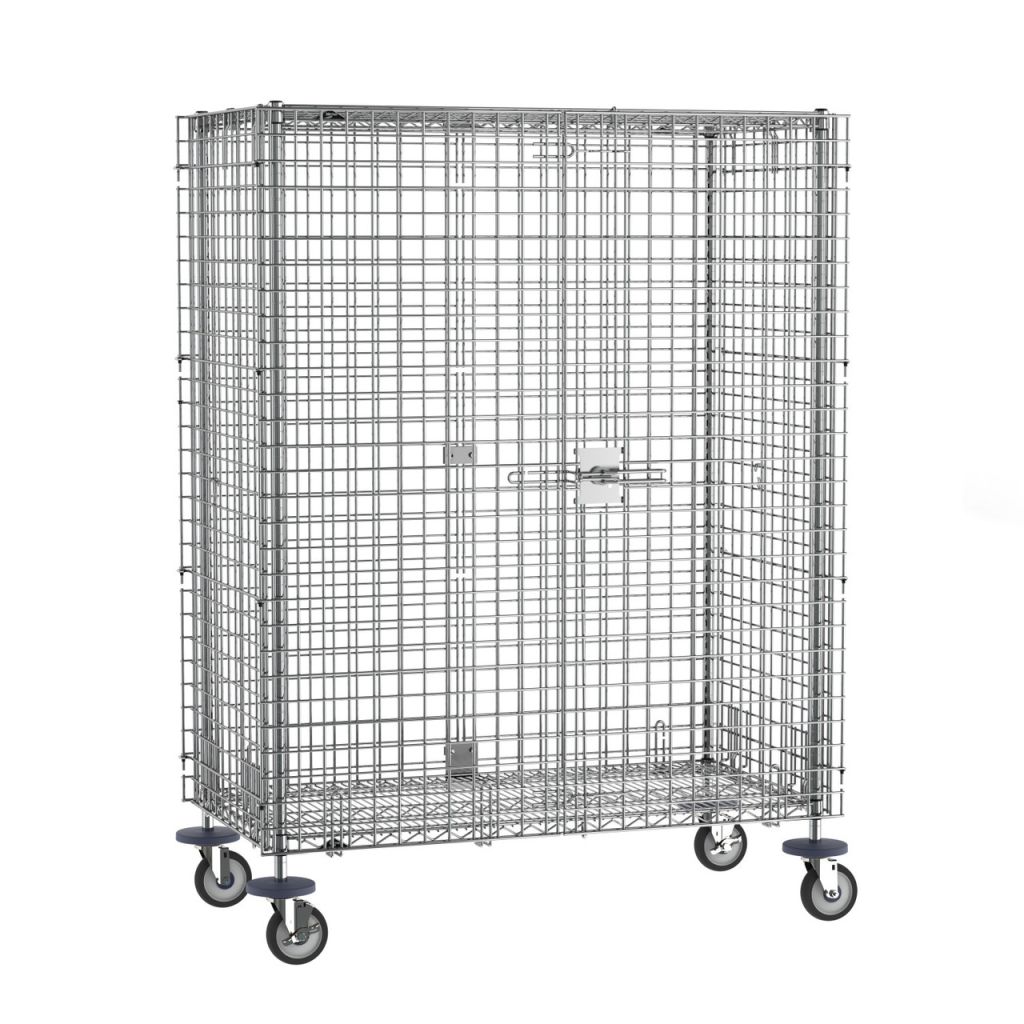
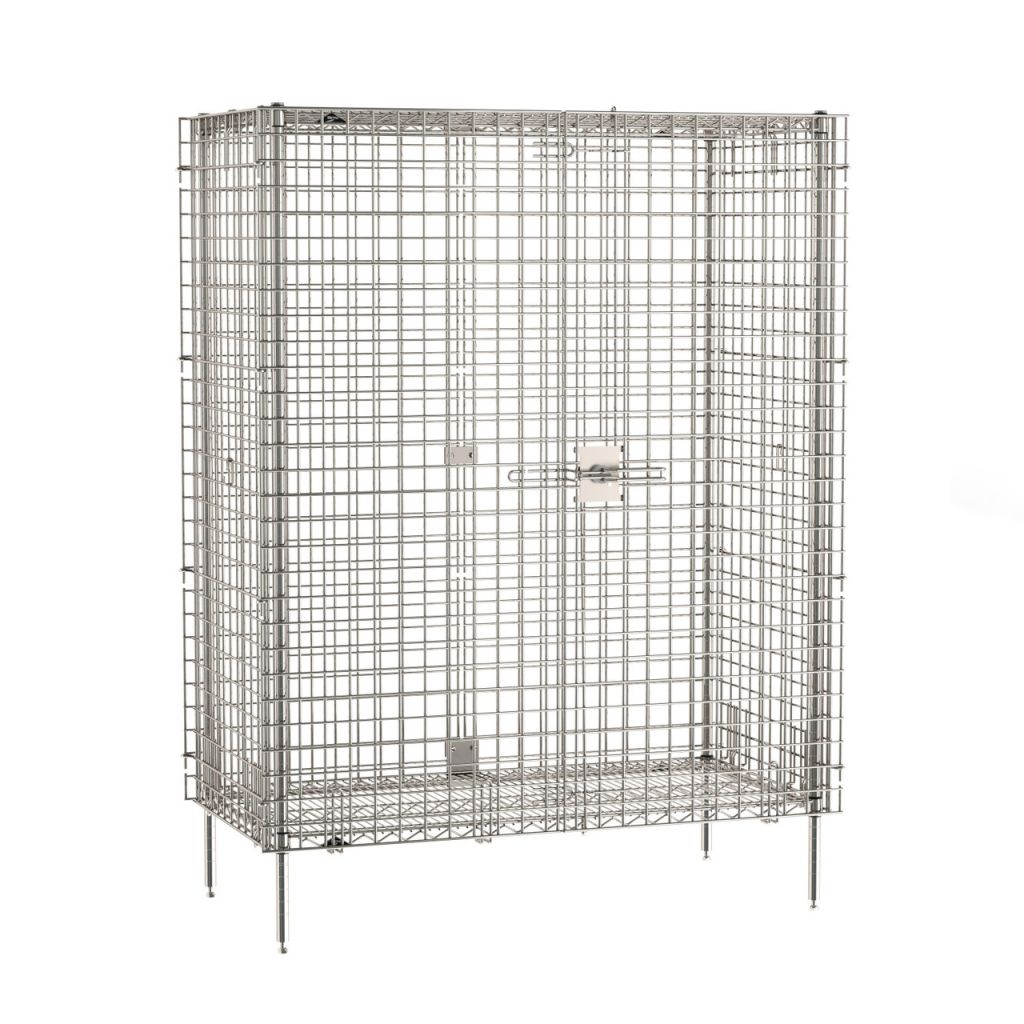 Security EnclosuresPanels and sliding doors turn an open unit into a lockable module for high-value stock.
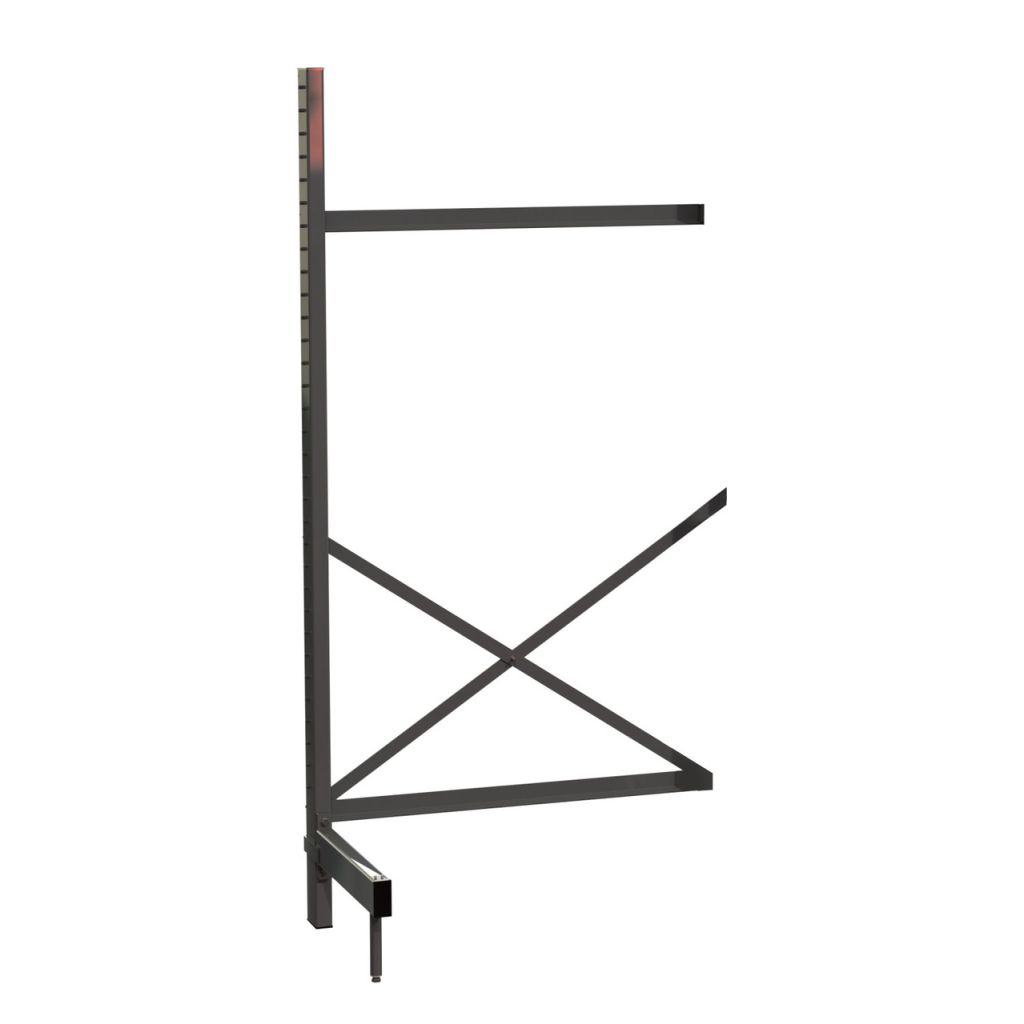 Cantilever WorkstationsAdjustable cantilever bases build a workstation whose shelf heights follow the task.
Adjustability is worth paying for. Wire adjusts in one-inch increments, boltless beams in one- to one-and-a-half-inch steps. A system that only adjusts every three inches wastes a full carton height per level.
Sizing a Run and Planning the Aisle
Shelving is sold by the unit but used by the run. Measure the tallest, deepest and heaviest item, add clearance, and only then pick shelf depth and level heights. Depth should match the product, not the wall — a 24-inch shelf holding 12-inch cartons is a dust collector.
Then plan the aisle: roughly 30–36 inches for foot picking, 42–48 for carts and pallet jacks. Standard heights run 72, 84 and 87 inches, and anything above about 72 inches means a step stool, so keep top-level storage light.
Where floor space is the binding constraint, high-density mobile shelving is the honest answer: carriages collapse the run so only the aisle in use is open, storing close to twice as much per square foot. It costs more up front and is floor-flatness sensitive, but it is usually cheaper than more building.
- Measure the tallest carton and the heaviest carton — rarely the same item.
- Set shelf depth from the product, not deeper than a comfortable reach.
- Leave adjustability spare; every stockroom’s mix changes within two years.
- Verify door, elevator and turning radius before delivery, not after.
- Check floor flatness before quoting mobile shelving; it is the top install surprise.
- Decide the label and location scheme before installation.
Send us your room, your loads and your product
Email a floor plan, a photo or a hand sketch with the dimensions and what you are storing. We will come back with a layout, exact models, published capacities, freight and lead time — and flag the aisle or clearance conflicts we find.
Metal Shelving vs Pallet Rack: How to Decide
The decision is about who touches the load — a person or a forklift — and how it arrives.
| Question | Points to shelving | Points to pallet rack |
|---|---|---|
| How is the load handled? | By hand, case by case or piece by piece | By forklift, a full pallet at a time |
| How does inventory arrive? | Broken down, mixed cases, loose parts | Palletized and stays palletized |
| SKU count vs volume | Many SKUs, small quantity of each | Few SKUs, high volume of each |
| Working height | Floor to about 84–87 in., reachable by hand | Floor to the building’s usable clear height |
| Aisle requirement | 30–48 in. for people and carts | 8–13 ft for a counterbalanced lift |
| Cost per pound stored | Higher — you pay for accessibility | Lower — you pay for density |
Most buildings need both, and the design work is at the seam: rack for reserve, shelving at the pick face, and a replenishment path that does not cross the picking aisle. Our pallet rack page covers the rack side.
Where Metal Shelving Goes to Work
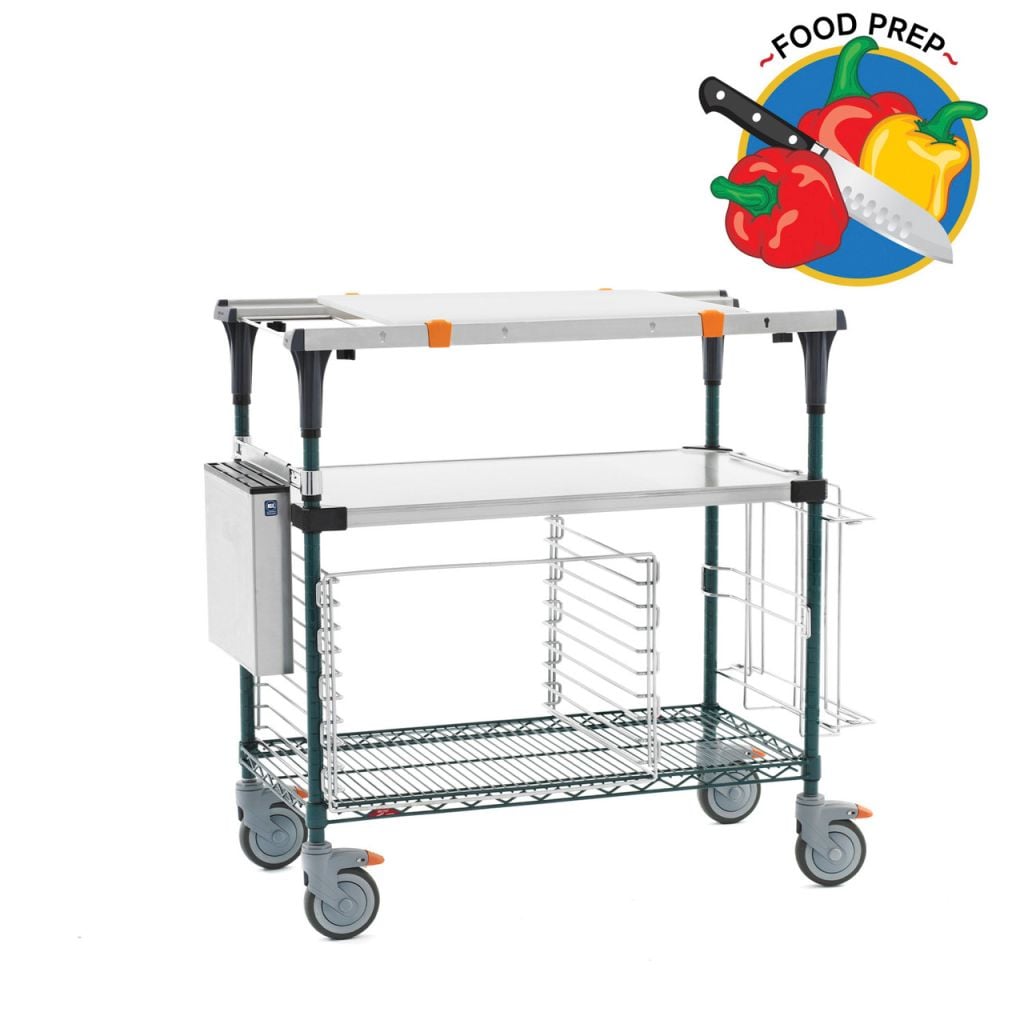 Foodservice & Commercial KitchensWire in walk-ins and dry storage, polymer in dish and prep areas, stainless where a hose is used — nothing on the floor, everything cleanable.
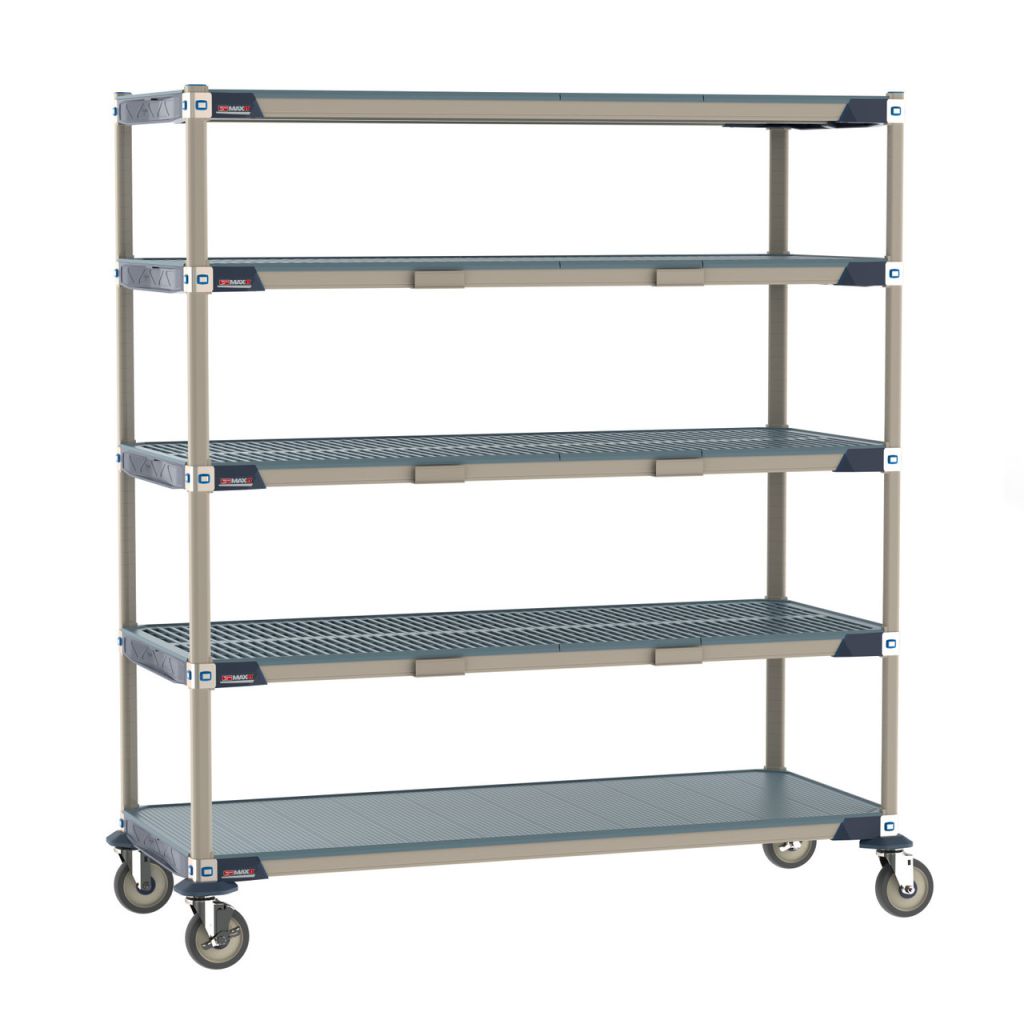 Healthcare & Sterile SupplyPar-level and exchange carts feeding supply rooms, closed shelving for controlled stock, and finishes that survive daily disinfectant wipe-down.
 Laboratory & Clean RoomChemical-resistant finishes and adjustable heights over benches. See laboratory shelving & storage and clean room solutions.
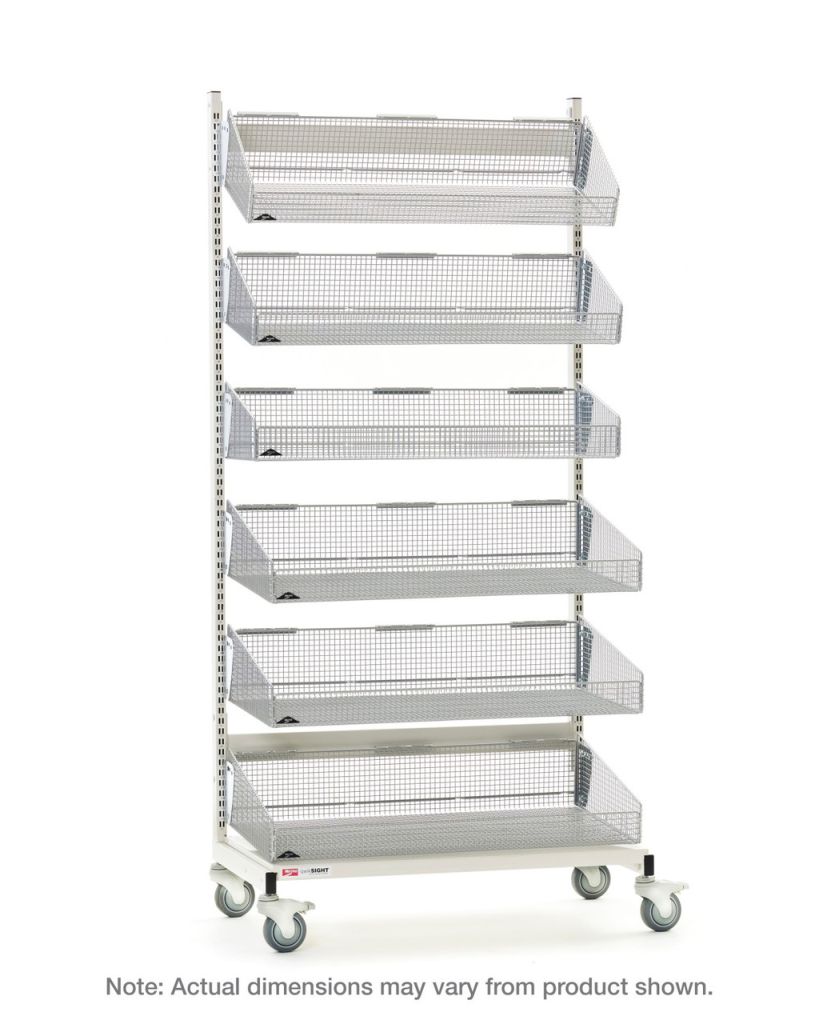 Retail StockroomsBoltless bulk shelving on the back wall, basket and bin shelving for loose stock, closed clip shelving where customers can see it.
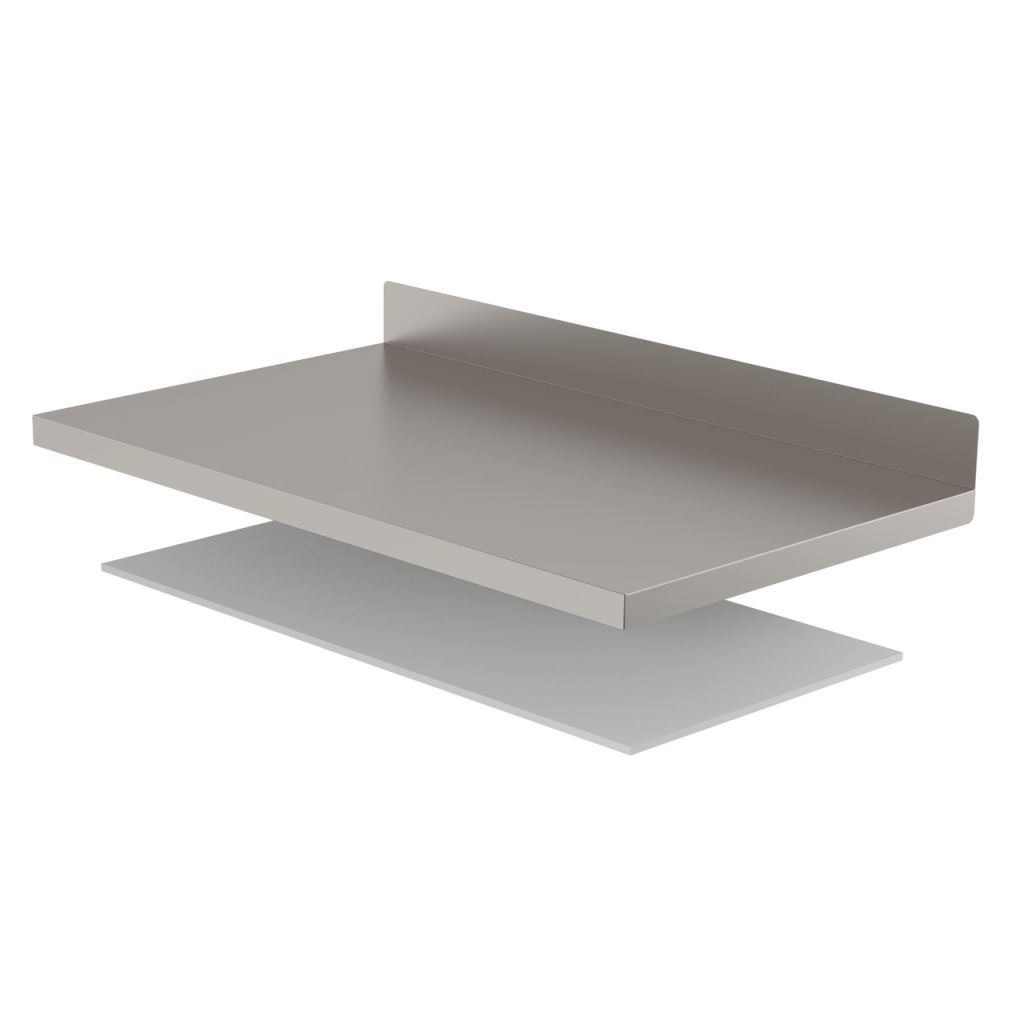 Manufacturing & Tool CribsHeavy boltless and rack-supported shelving for dies and fixtures, cantilever workstations at the line, bins for fasteners.
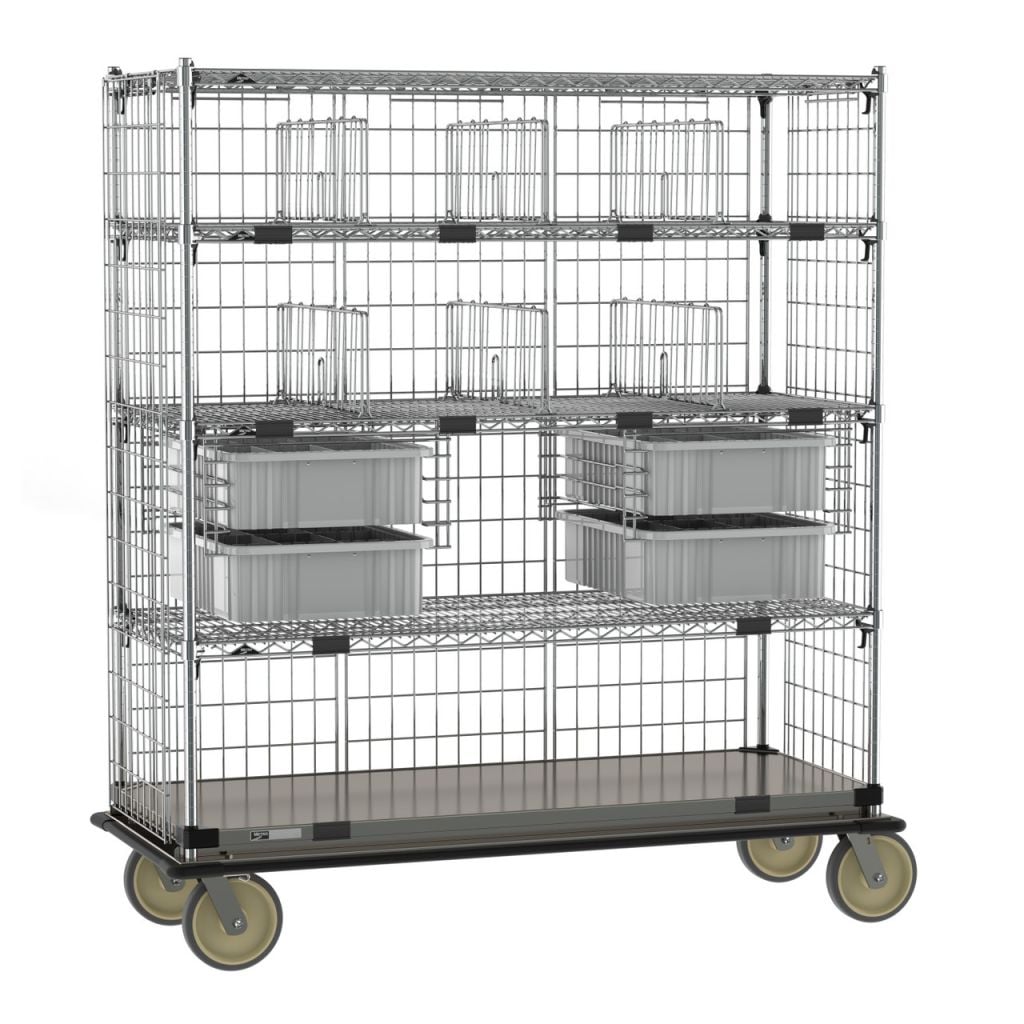 Warehouse & DistributionHand-stack pick faces, mobile shelving where floor space is short, and transport carts moving stock between zones.
Metal Shelving Buying and Spec Checklist
Answer these ten items and we can quote accurately on the first pass.
- Environment. Dry, humid, cooler, freezer or wash-down — and the cleaning method.
- Load. Weight per level and per unit, spread out or concentrated.
- Product envelope. The tallest, deepest and widest item per level.
- Height. Ceiling, sprinkler and lighting clearance, plus the highest unaided pick level.
- Run length. Wall-to-wall dimension, so starter and add-on units land without a gap.
- Aisle. People, hand carts, pallet jacks, or a combination.
- Access. Open both sides, wall-backed, or closed in.
- Security. Stock needing enclosure panels, doors or locking modules.
- Anchoring. Wall ties, base plates or seismic bracing per your engineer.
- Logistics. Dock or curbside, door and elevator sizes, install date and scope.
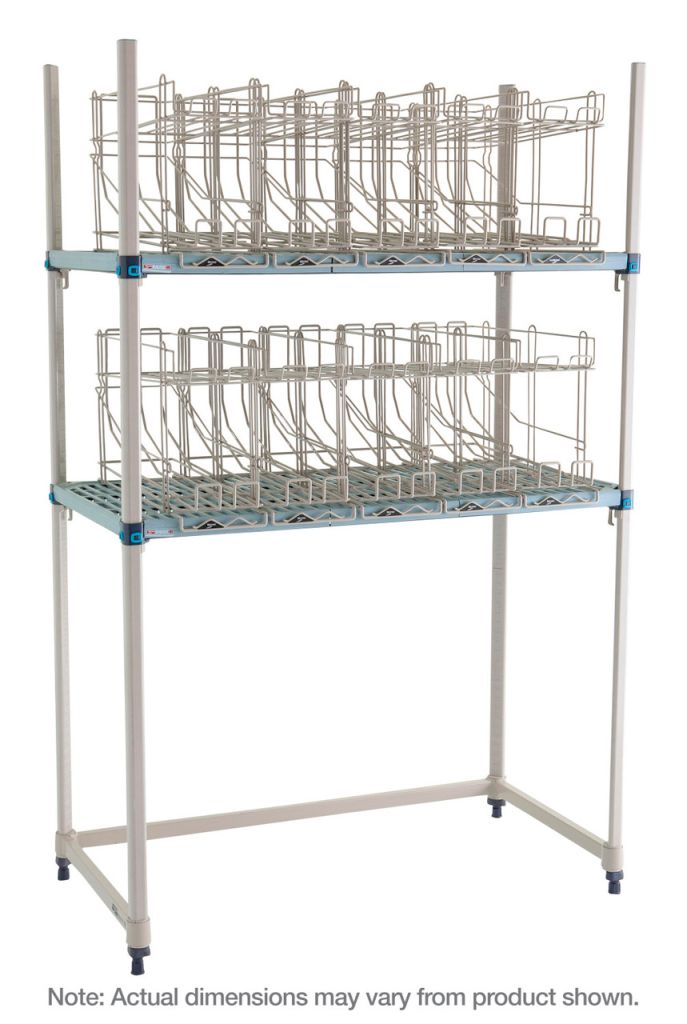
The Shelving Manufacturers We Represent
We represent several manufacturers rather than one, because no single line is best in every room. Metro, the brand of InterMetro Industries, founded in 1929 in Wilkes-Barre, Pennsylvania, created the original Super Erecta wire shelving system and now spans wire, polymer, stainless, basket and high-density shelving — see Metro wire shelving and MetroMax polymer shelving.
Eagle Group builds stainless and foodservice shelving in Clayton, Delaware. Aurora supplies industrial steel clip shelving, records storage and mobile carriages. Datum covers high-density, secure and evidence storage for government, law enforcement and library work.
In practice: you tell us the room and the load, we tell you which system fits and why — including when the cheapest option is the right one.
Metal Shelving in Salt Lake City and Across Utah
MH-USA has been based in Salt Lake City since 1997, serving the Intermountain West directly and shipping nationwide. Local matters on shelving: we can walk a stockroom in the Salt Lake Valley, measure the run, check the floor and door widths, and come back with a layout instead of a catalog page.
Our Salt Lake City showroom lets you handle the systems and compare finishes side by side. Outside Utah we quote, ship and coordinate installation nationwide by plan and photo.
Call (800) 326-4403 or send the room and the loads and we will return a layout, models, capacities and freight.
Shop Metal Shelving Online
Buy common boltless and wire shelving units from our online store, or request a quote for room-sized layouts, custom sizes and mobile systems.

Metal Shelving FAQ
What is metal shelving?
How much weight can a metal shelf hold?
What is the difference between boltless shelving and clip shelving?
Which shelving finish should I use in a cooler, freezer or wash-down area?
Do I need to anchor or seismically brace my shelving?
When should I use pallet rack instead of shelving?
Which shelving manufacturers does MH-USA represent?
Can I buy metal shelving online from MH-USA?
Get a Metal Shelving Quote
Send the room dimensions, the loads and what you store. We will return a layout, models, published capacities, freight and lead time.